Cosmetic vs Functional Issues: What Actually Matters First
Understanding the difference between what affects how your home looks and what affects how it performs.

Most homeowners eventually face the same question: what actually needs to be fixed right now, and what can wait?
At first glance, that decision seems straightforward. Something looks worn, damaged, or out of place, so it feels like it should be addressed. In practice, though, not every issue carries the same weight. Some affect how the home functions, while others primarily affect how it looks.
The difficulty comes from the fact that cosmetic and functional issues often appear similar. A crack in drywall can look just as concerning as a structural shift. Worn caulking may seem minor, but it can have a direct impact on how moisture is managed. Without context, it’s easy to prioritize based on appearance rather than actual impact.
Understanding the difference between these two categories helps bring clarity to what should be addressed first and what can be approached more gradually.
What “Cosmetic” Really Means
Cosmetic issues are generally limited to surface-level changes. They affect how a space looks, but they don’t interfere with how the home performs.
Common examples include:
- Minor drywall cracks that don’t change over time
- Scuffs, chips, or uneven paint
- Small gaps in trim that remain consistent
- Slightly outdated finishes or fixtures
These types of issues can make a space feel less complete or maintained, but they typically don’t lead to further problems on their own. That’s why they’re often safe to address on your own timeline rather than immediately.
That said, cosmetic doesn’t mean unimportant. These details still shape how a home feels, and addressing them can improve overall comfort and perception. The key difference is that they don’t usually worsen quickly or affect other systems.
What Makes an Issue Functional
Functional issues, on the other hand, affect how the home operates. They influence performance, durability, or safety, even if they don’t look severe at first.
These often include:
- Moisture-related concerns, even if they appear small
- Components that are loose or no longer secure
- Areas where movement is affecting alignment
- Materials that are beginning to degrade rather than just wear
The challenge with functional issues is that they don’t always look urgent. A small amount of moisture, for example, may not be immediately visible beyond a faint stain or slight odor. A loose railing might only move slightly when pressure is applied.
Despite their subtle appearance, these issues tend to progress. Left unaddressed, they often lead to more noticeable damage or require more involved repairs later.

Where the Confusion Happens
Many situations fall somewhere between cosmetic and functional, which is where most confusion comes from.
A drywall crack is a good example. In some cases, it’s purely cosmetic—caused by minor seasonal movement and unlikely to change. In others, it may be connected to shifting or settling that’s still occurring.
Similarly, worn caulking might seem like a cosmetic issue because it affects appearance. At the same time, it plays a role in sealing out moisture. If it continues to deteriorate, it can allow water to reach areas it shouldn’t.
Because of this overlap, it’s helpful to look beyond how something appears and consider what it might be doing.
A More Practical Way to Evaluate Issues
Instead of trying to label every issue immediately, it can be more effective to ask a few simple questions:
- Does this affect how the home handles moisture?
- Is this likely to get worse if left alone?
- Does this impact stability, alignment, or safety?
- Has this changed over time or remained the same?
If the answer to any of these points is yes, the issue is more likely to be functional, even if it looks minor.
If the issue is stable, unchanged, and limited to appearance, it’s more likely cosmetic.
Moisture Is Almost Always Functional
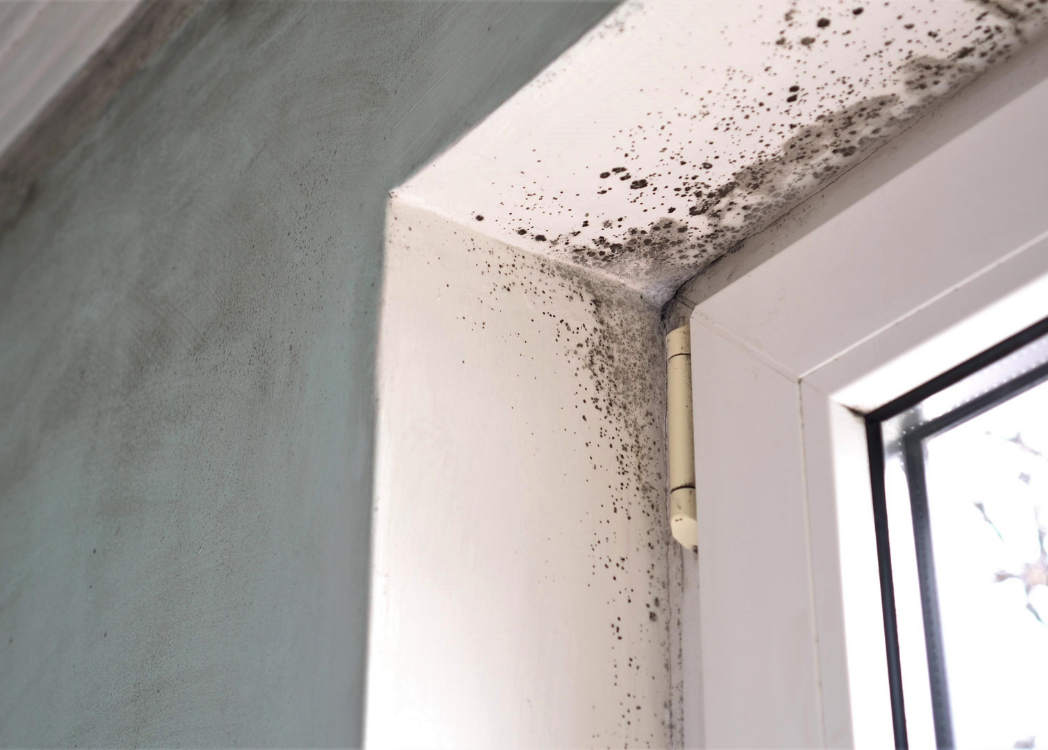
One of the clearest distinctions is moisture. Even small signs of moisture tend to fall into the functional category because of how they behave over time.
This includes:
- Slight staining or discoloration
- Persistent dampness in certain areas
- Faint musty smells
- Caulking or seals that are no longer intact
Moisture rarely stays contained. It tends to spread, absorb into materials, and create conditions that lead to further wear.
Because of that, even early-stage moisture signs are worth addressing sooner rather than later.
Movement and Alignment
Another category that leans functional is movement.
Homes naturally shift over time, and small amounts of movement are expected. The distinction comes from whether that movement is ongoing or affecting how things operate.
Examples include:
- Doors that no longer close cleanly
- Windows that become harder to open
- Trim that repeatedly separates after being repaired
When movement begins to affect function—how something opens, closes, or fits—it becomes more than cosmetic.
Stability and Safety
Anything that affects stability should be treated as functional, even if it appears minor.
This might include:
- Railings with slight movement
- Steps that feel less solid than before
- Fixtures that don’t feel securely attached
These issues often develop gradually, which can make them easy to overlook. Addressing them early is usually straightforward, while waiting can lead to more involved work.
Why Cosmetic Issues Still Matter
While functional issues tend to take priority, cosmetic issues still play an important role in how a home feels.
Over time, small visual inconsistencies can accumulate and create a sense that the space isn’t fully maintained. Addressing these details—paint, trim, alignment—helps bring everything back into balance.
The difference is timing. Cosmetic improvements can usually be planned and grouped together, while functional issues benefit from earlier attention.

Avoiding the “Everything Feels Urgent” Trap
One of the most common challenges homeowners face is the feeling that everything needs to be addressed at once.
When multiple small issues are visible, it’s easy to treat them as equally important. In reality, separating cosmetic from functional helps reduce that pressure.
Instead of reacting to everything, you can prioritize:
- Functional issues that affect performance or could worsen
- Cosmetic issues that can be addressed over time
This approach keeps maintenance manageable without ignoring important conditions.
When Cosmetic Becomes Functional
It’s also worth noting that cosmetic issues can become functional if they’re left too long.
For example:
- Worn paint can eventually expose materials to moisture
- Small gaps can widen and allow air or water through
- Minor surface wear can lead to deeper material degradation
This doesn’t mean cosmetic issues need immediate attention, but it does mean they shouldn’t be ignored indefinitely.
A Balanced Approach
Most homes have a mix of both cosmetic and functional issues at any given time. The goal isn’t to eliminate one before addressing the other, but to understand their relative impact.
A balanced approach typically looks like:
- Addressing functional concerns as they arise
- Grouping cosmetic updates into manageable projects
- Monitoring areas where the distinction isn’t immediately clear
This keeps the home performing well while still allowing for gradual improvement.
Seeing Beyond the Surface
The biggest shift comes from looking beyond appearance. What something looks like is only part of the picture. How it behaves over time is what determines its importance.
Once you begin to view issues through that lens, prioritization becomes clearer. Decisions feel less reactive and more intentional.
Homes naturally develop small imperfections as they age. Not all of them need immediate attention, but understanding which ones matter most helps ensure that effort is focused where it has the greatest impact.