Why Some Homes Age Better Than Others Over Time
Learn why some homes age better than others and how maintenance habits, environment, and small decisions affect long-term durability.
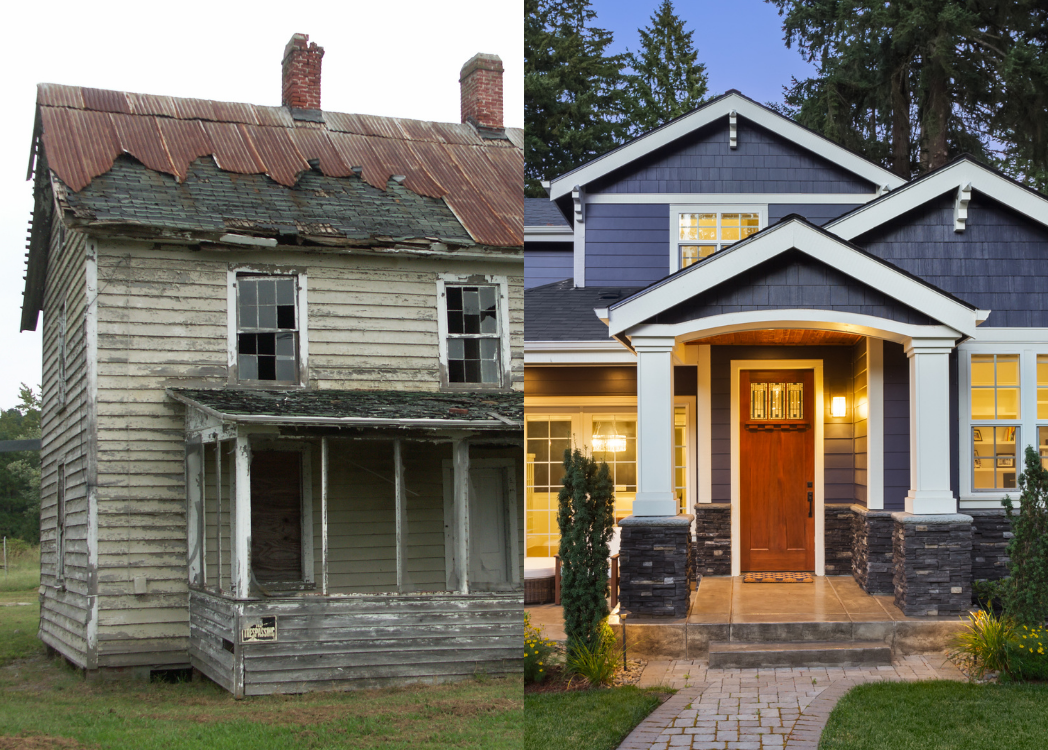
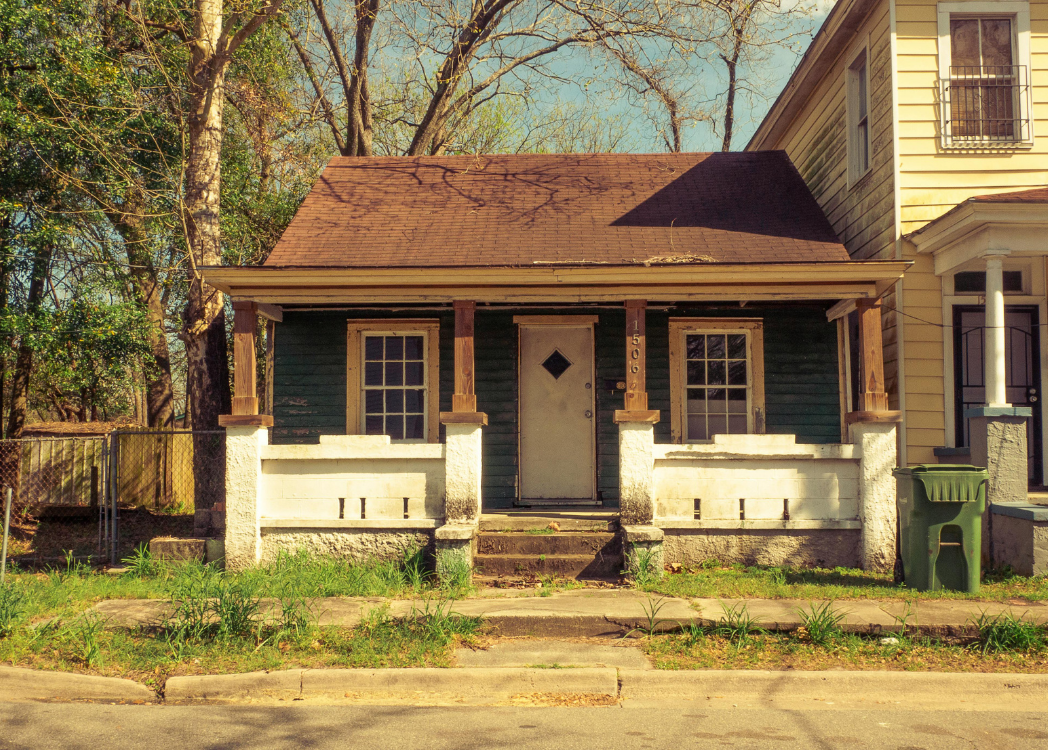
If you’ve spent time in different homes—whether they’re the same age or even built in similar ways—you’ve probably noticed that some simply hold up better than others. One home feels solid, consistent, and well-maintained, while another begins to show signs of wear much earlier, even if both have been lived in for the same amount of time.
That difference isn’t usually the result of a single factor. It’s the outcome of many small conditions working together over time. Materials, environment, maintenance habits, and daily use all play a role, but none of them act independently. Instead, they influence each other in ways that either support the home or gradually work against it.
Understanding why some homes age better doesn’t require comparing construction quality alone. It comes down to recognizing how ongoing decisions and conditions shape what happens over the long term.
Aging Is A Process, Not an Event
Homes don’t suddenly begin to show wear. Aging happens gradually, often in ways that are barely noticeable at first. Small changes accumulate, and over time they become more visible.
A surface might begin to lose its finish. A joint may shift slightly. A component may require a minor adjustment. None of these changes are significant on their own, but they contribute to the overall condition of the home.
In homes that age well, these changes are managed as they appear. In homes that don’t, they tend to build on each other.
This is why aging is better understood as a process rather than a single point in time. The condition of a home reflects how consistently that process has been guided.
Consistency Matters More Than Intensity
One of the most important factors in how a home ages is consistency. Occasional large efforts can improve a home significantly, but smaller, consistent adjustments tend to have a greater long-term impact.
In homes that hold up well, you often see:
- Small issues addressed before they develop further
- Surfaces maintained before wear becomes noticeable
- Minor adjustments made as conditions change
This doesn’t require constant work. It simply reflects an ongoing awareness of how the home is functioning.
In contrast, homes that receive less consistent attention often rely on larger interventions later on. By the time those are needed, multiple conditions may have developed at once, making the process more involved.

Moisture Management Is Foundational
If there is one factor that consistently influences how well a home ages, it is how effectively it manages moisture.
Water doesn’t need to be visible to have an impact. It can move through the air, settle on surfaces, or travel along small gaps. Over time, even minor exposure can affect how materials perform.
Homes that age well tend to:
- Direct water away from the structure efficiently
- Allow surfaces to dry consistently
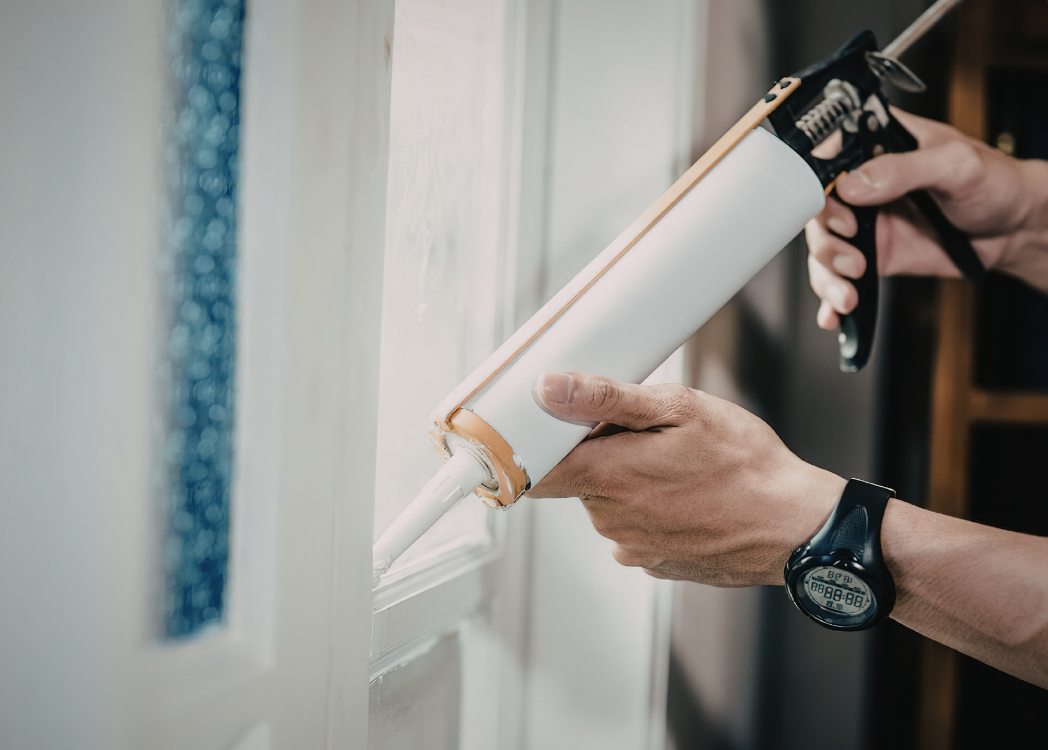
- Maintain sealed transitions where materials meet
When moisture is managed effectively, materials remain stable, finishes last longer, and the overall structure is less affected by environmental conditions.
When it is not, small issues tend to develop in ways that are gradual but persistent.
Movement Is Normal—Response Is What Matters
All homes experience some degree of movement. Materials expand and contract with changes in temperature and humidity, and structures adjust slightly over time.
What separates homes that age well from those that don’t is not the presence of movement, but how it is handled.
In well-performing homes:
- Materials are allowed to move where needed
- Connections are maintained so they can accommodate that movement
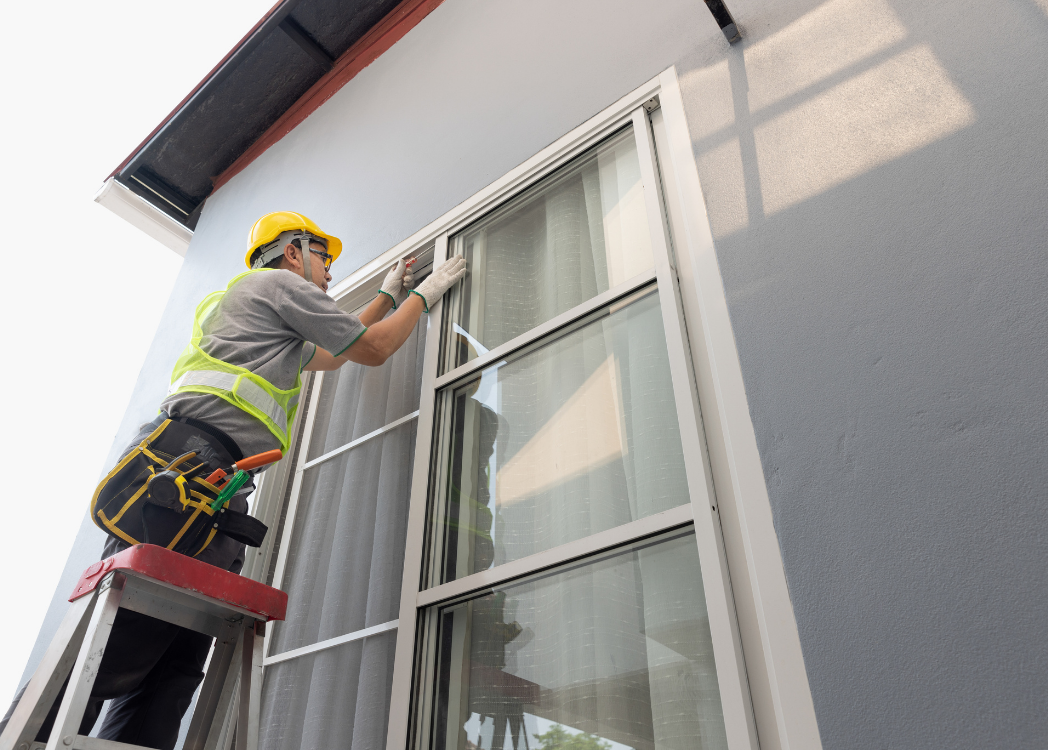
- Small adjustments are made when alignment shifts
When movement is ignored or constrained, stress builds in specific areas. This often leads to cracking, separation, or repeated repairs.
Understanding that movement is part of the system makes it easier to work with it rather than against it.
Environment Plays a Larger Role Than Expected
Two homes built the same way can age very differently depending on their environment.
Factors such as:
- Sun exposure
- Wind direction
- Drainage patterns
- Surrounding vegetation
all influence how materials are affected over time.
For example, one side of a home may receive more sunlight and experience greater temperature variation, while another remains shaded and retains moisture longer. These conditions create different aging patterns, even within the same structure.
Homes that age well tend to reflect an awareness of these conditions, with maintenance and adjustments tailored to how the environment interacts with the property.
Daily Use Shapes Wear Patterns
How a home is used also plays a significant role in how it ages. Areas that see consistent use will naturally show more wear, but the way that wear is managed makes a difference.
In homes that hold up well:
- High-use areas are maintained before wear becomes pronounced
- Small adjustments are made to keep things operating smoothly
- Surfaces are cared for in proportion to how often they are used
This doesn’t mean preventing wear entirely. It means allowing it to occur in a controlled and predictable way.
When wear is ignored, it tends to concentrate and become more noticeable, which can make the home feel less maintained overall.
Materials Perform Differently Over Time
Every material has its own characteristics, and those characteristics influence how it ages.
Some materials are more flexible and can handle movement well. Others are more rigid and require stable conditions. Some are more resistant to moisture, while others are more sensitive.
Homes that age well tend to reflect an understanding of how these materials behave. Repairs and adjustments are made in ways that align with those behaviors rather than working against them.
For example:
- Flexible materials are used where movement is expected
- Surfaces are maintained in ways that support their natural properties
- Transitions between materials are managed carefully
This alignment helps reduce stress and extend the life of each component.
Small Issues Rarely Stay Isolated
One of the key differences between homes that age well and those that don’t is how small issues are handled.
In homes that hold up well, small issues are addressed while they are still isolated. This prevents them from influencing surrounding areas.
In homes where issues are delayed, those same conditions often begin to spread. A small gap may allow moisture to reach adjacent materials. A minor alignment issue may affect nearby components.
Over time, what began as a single point of attention becomes a larger area of concern.
The Role of Awareness
Aging well doesn’t require constant effort, but it does involve awareness. Paying attention to how the home feels, how materials respond, and how conditions change over time creates opportunities to act early.
This awareness might include:
- Noticing when something operates differently than before
- Observing how surfaces respond to seasonal changes
- Recognizing patterns in how issues appear and resolve
These observations don’t need to lead to immediate action. They simply provide context, which makes decisions easier when action is needed.
Avoiding the “Reset” Approach
Homes that receive attention only when issues become noticeable often go through cycles of decline and repair. By the time work is done, multiple areas may need to be addressed at once.
This creates a sense of resetting the home’s condition rather than maintaining it consistently.
In contrast, homes that age well tend to avoid this cycle. Because small issues are addressed along the way, the overall condition remains more stable, and larger interventions are less frequent.
Long-Term Stability Comes From Small Decisions
Many of the factors that influence how a home ages are the result of small, ongoing decisions rather than major changes.
These might include:
- Addressing a minor issue rather than postponing it
- Making a small adjustment to improve how something functions
- Maintaining a surface before wear becomes noticeable
Individually, these decisions don’t seem significant. Over time, they create a cumulative effect that shapes how the home holds up.
A More Predictable Outcome
When a home is maintained with consistency and awareness, its aging becomes more predictable. Instead of unexpected issues appearing, changes tend to follow patterns that can be understood and managed.
This predictability reduces uncertainty. It allows for planning rather than reacting, which makes the process of maintaining the home feel more controlled.
Bringing It Together
Some homes age better than others not because they avoid wear, but because they manage it more effectively. Moisture is controlled, movement is accommodated, and small issues are addressed before they expand.
These factors work together over time, shaping the overall condition of the home in ways that are gradual but meaningful.
When that process is guided with consistency and awareness, the result is a home that continues to feel stable, even as it naturally changes.