What Causes a Home to Feel “Damp” Even When Nothing Is Leaking
Understanding how air, temperature, and moisture interact—and why a home can feel humid without visible water.

A home doesn’t need an active leak to feel damp. In many cases, that slightly heavy, humid, or stale feeling develops without any visible source of water. Surfaces appear dry, nothing is dripping, and yet the space still feels different—less comfortable, less fresh, and sometimes harder to pinpoint.
That disconnect is what makes it confusing. When people think of moisture issues, they often expect something obvious: a wet spot, a stain, or visible damage. When none of those are present, it becomes difficult to understand what’s causing the change.
What’s actually happening in many of these situations has less to do with water entering the home and more to do with how air, temperature, and moisture interact within it. Once those relationships shift, even slightly, the entire space can feel different.
Moisture Exists Even When You Can’t See It
Air always contains some level of moisture, even when everything appears dry. This moisture is invisible, but it constantly moves through the home, responding to temperature changes, airflow, and how spaces are used.
Everyday activities contribute to this:
- Cooking and boiling water
- Showering or bathing
- Drying clothes
- Breathing and general occupancy
Under normal conditions, this moisture is balanced by airflow. It dissipates gradually, leaving the space feeling neutral. When that balance changes, moisture begins to linger rather than move, and that’s when the environment starts to feel damp.
This doesn’t require a large shift. Even a small change in airflow or temperature can alter how moisture behaves.
Airflow Plays a Larger Role Than Expected
One of the most common reasons a home feels damp is reduced or uneven airflow. Air doesn’t move uniformly through a house, and some areas naturally receive less circulation than others.
When airflow is limited, moisture tends to settle and remain in place. Over time, this creates pockets of heavier air that feel different from the rest of the home.
You may notice this in:
- Corners of rooms that don’t receive direct airflow
- Basements or lower levels
- Closets or storage spaces
- Areas behind large furniture
These spaces don’t necessarily have more moisture being introduced. Instead, they have less opportunity for moisture to leave.
That distinction is important because it shifts the focus from “where is water coming from” to “how is air moving through this space.
Temperature Differences Create Condensation Conditions
Temperature plays a significant role in how moisture behaves. Warm air holds more moisture than cool air, and when that warm, moisture-rich air comes into contact with a cooler surface, condensation can form.
This doesn’t always appear as visible water. Sometimes it’s subtle, affecting how surfaces feel or how the air behaves.
Common examples include:
- Cooler basement walls interacting with warmer air from above
- Windows that feel damp even when no condensation is visible
- Surfaces that seem to hold moisture longer than expected
These conditions can exist without any leaks or direct water entry. They are simply the result of temperature differences within the home.
When these differences become more pronounced—especially during seasonal transitions—the damp feeling tends to increase.
Seasonal Transitions Make It More Noticeable
Changes between seasons often bring shifts in both temperature and humidity. During these periods, homes are adjusting to new conditions, and airflow patterns may not be fully consistent.
In early spring, for example, the ground outside may still be cool while the air inside begins to warm. This creates a situation where moisture behaves differently than it did during winter.
Similarly, increased humidity levels in warmer months can introduce more moisture into the air, even if nothing inside the home has changed.
These transitions can make spaces feel heavier or more humid without any clear source, simply because the balance between air, temperature, and moisture is shifting.
Basements and Lower Levels React First
Lower levels of a home tend to reflect moisture conditions more quickly than upper levels. Because they are closer to the ground and often cooler, they create an environment where moisture is more noticeable.
A basement might feel damp even when:
- There is no visible water on surfaces
- Walls and floors appear dry
- No active leaks are present
What’s happening is often a combination of cooler surfaces, limited airflow, and increased moisture in the surrounding soil. Together, these conditions create an environment where moisture lingers in the air.
The result is a space that feels heavier, even though there’s no direct water intrusion.
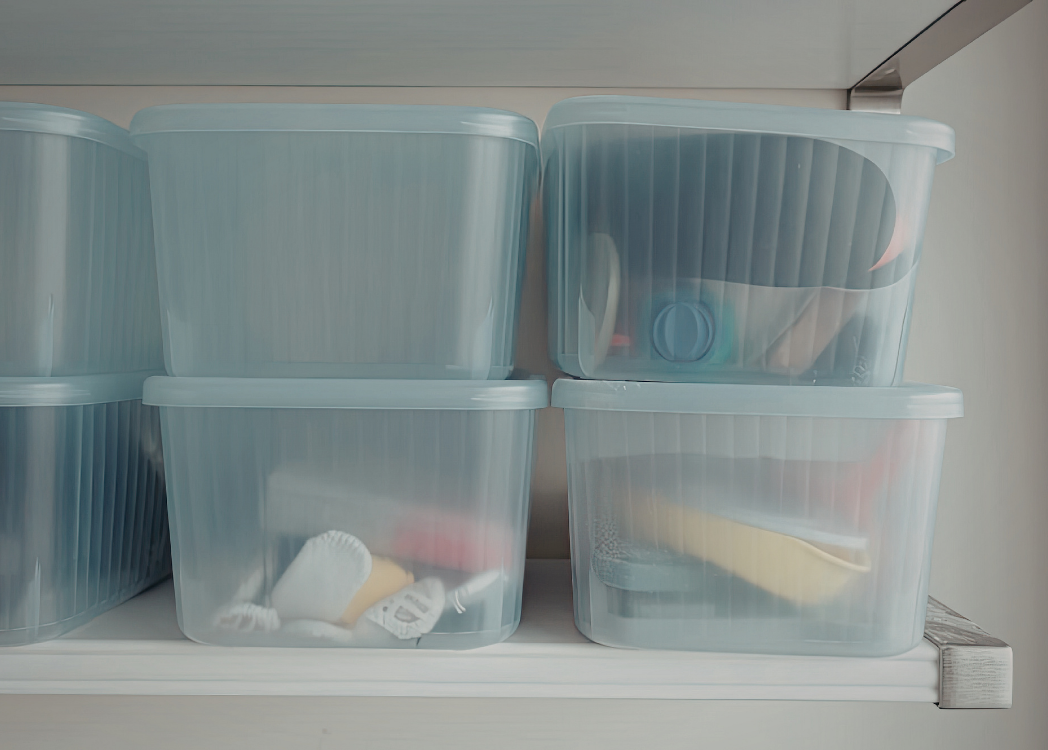
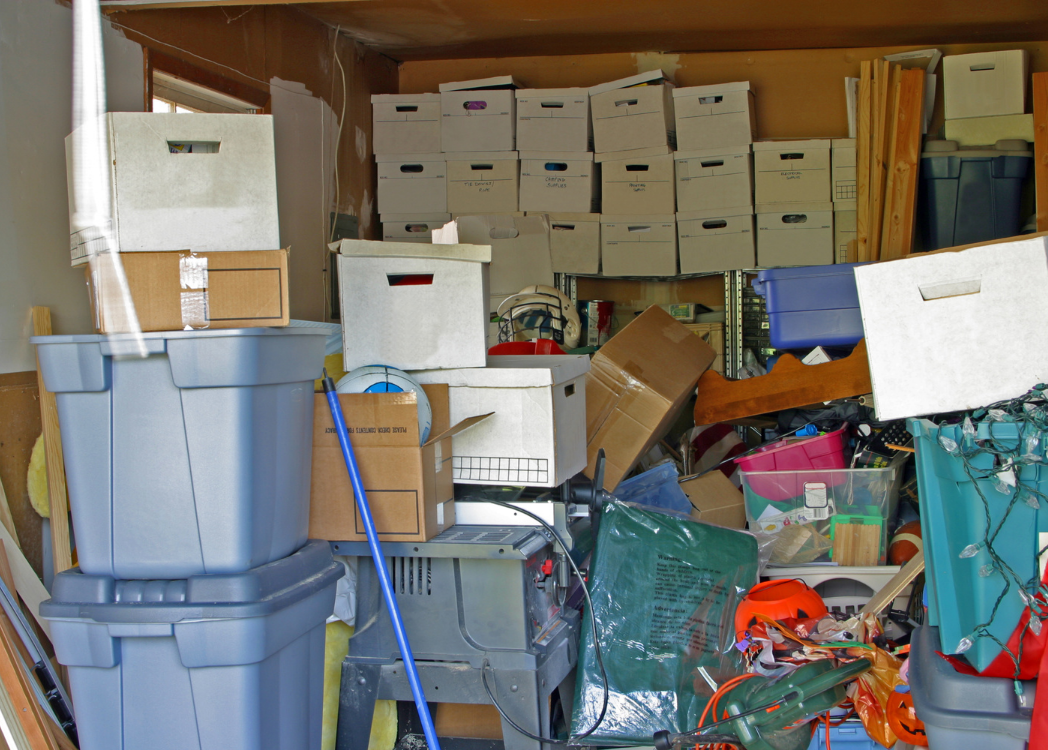
Storage and Low-Use Areas Hold Moisture Longer
Spaces that aren’t used frequently tend to trap air. Without regular movement, that air becomes stagnant, allowing moisture to remain in place.
This can happen in:
- Closets that stay closed for long periods
- Storage rooms with limited airflow
- Cabinets or enclosed spaces
Over time, these areas may develop a slightly damp or stale feeling, even though the rest of the home feels normal.
This difference highlights how much airflow contributes to overall comfort.
Materials Absorb and Release Moisture
Many materials in a home—especially wood, drywall, and fabric—naturally absorb moisture from the air. When humidity levels rise, these materials take in moisture. When conditions dry out, they release it.
This constant exchange can affect how a space feels.
For example:
- Wood surfaces may feel slightly softer or less rigid
- Fabrics may feel heavier or less crisp
- Air may feel denser even without visible moisture
These changes are subtle, but they contribute to the overall sense that something is different.
When It’s Noticeable Without Being Problematic
Not every damp feeling indicates an issue that needs to be corrected. In many cases, it reflects normal environmental conditions.
A home may feel slightly more humid:
- After several days of rain
- During seasonal transitions
- When outdoor humidity is elevated
If the condition is temporary and resolves as the environment stabilizes, it is usually part of how the home responds to changing conditions.
The key distinction is whether the feeling persists or changes over time.
When It’s Worth Paying Closer Attention
While a damp feeling isn’t always a concern, certain patterns suggest that something may need to be adjusted.
You may want to take a closer look if:
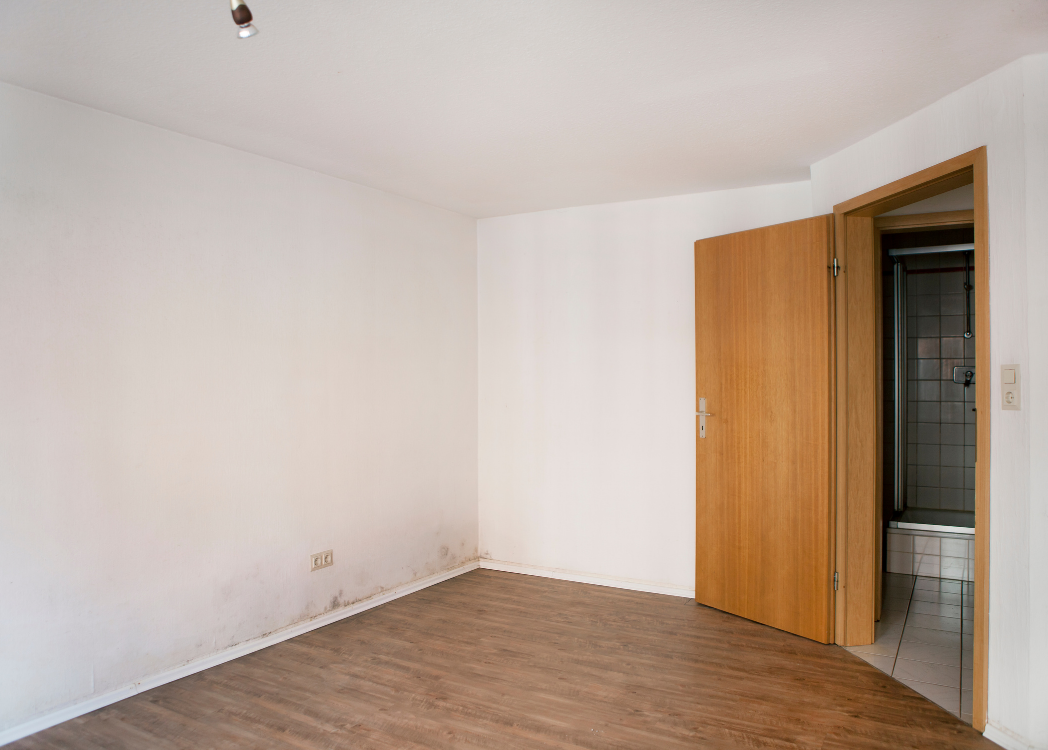
- The damp feeling remains consistent over time
- It becomes more noticeable rather than less
- Certain areas feel significantly different from the rest of the home
- There are subtle signs like persistent odor or slow-drying surfaces
These patterns suggest that moisture is not being balanced effectively within the space.
Small Adjustments That Can Improve Conditions
Addressing this type of issue often involves improving balance rather than fixing a single problem. Because the cause is usually a combination of factors, small adjustments can have a noticeable effect.
That might include:
- Increasing airflow in areas that feel stagnant
- Allowing spaces to remain open periodically rather than closed off
- Adjusting how air circulates between levels of the home
- Ensuring that moisture-producing activities are properly ventilated
These changes don’t alter the structure of the home, but they influence how air and moisture interact.
Why It Feels More Noticeable Than It Is
Part of what makes a damp environment feel concerning is that it affects comfort directly. Even small changes in humidity or airflow are easy to feel, which makes them seem more significant than they may actually be.
Unlike structural issues, which may develop gradually and remain unnoticed, changes in air quality are immediate. That immediacy can make it feel like something is wrong, even when the cause is relatively minor.
Understanding the source of that feeling helps reduce uncertainty and allows for a more measured response.
A Matter of Balance
Most homes experience fluctuations in how they feel throughout the year. Changes in temperature, humidity, and airflow are part of how a home responds to its environment.
When everything is balanced, these changes are barely noticeable. When that balance shifts, even slightly, the difference becomes more apparent.
Recognizing that dynamic helps reframe the situation. Instead of searching for a single source, it becomes about understanding how multiple factors are interacting at once.
Bringing It Together
A home can feel damp without any visible leaks because moisture doesn’t always behave in obvious ways. It moves through air, responds to temperature, and settles in areas where airflow is limited.
When those conditions align, the result is a space that feels heavier or more humid, even though everything appears dry.
By paying attention to how air moves, how temperature varies, and how different areas respond, it becomes easier to understand what’s happening and make small adjustments where needed.