Why Some Repairs Take Longer Than Expected (Even When They Seem Simple)
Understanding what’s happening behind the surface—and why small projects often involve more than they appear to.

At first glance, many home repairs seem straightforward. A small patch, a minor adjustment, or a simple replacement can look like it should be completed quickly. When the actual work takes longer than expected, it can feel surprising, especially if the visible issue appears limited in scope.
What’s often missing from that initial impression is everything that exists beyond what can be seen. Surfaces are only the outer layer of a larger system, and what appears simple on the outside can involve several steps beneath it.
Understanding why repairs take longer doesn’t come down to complexity alone. It comes down to preparation, conditions, and the way materials interact once the work begins.
What You See vs What’s Behind It
Most repair decisions are based on what’s visible. A crack in a wall, a loose fixture, or a worn section of material presents itself clearly. It creates a defined starting point. What isn’t immediately visible is what supports that surface.
Behind walls, beneath flooring, and around fixtures, there are layers that influence how a repair needs to be approached. Once work begins, these layers often determine how much time is actually required.
For example, addressing a surface issue may involve:
- Preparing the area so new materials adhere properly
- Adjusting surrounding components for alignment
- Allowing time for materials to set or cure
Each of these steps adds time, even though they aren’t visible in the final result.
Preparation Is a Significant Part of the Work
Preparation is one of the main reasons repairs take longer than expected. Before any visible improvement is made, the area often needs to be brought into a condition where the repair will hold.
This can include:
- Cleaning or clearing the surface
- Removing old or damaged material
- Ensuring the area is dry and stable
- Creating a consistent base for new materials
These steps don’t change how the repair looks immediately, but they directly influence how well it performs over time. Skipping preparation may shorten the process, but it often leads to results that don’t last.
Conditions Are Not Always Ideal
Another factor that affects timing is the condition of the space when the repair begins. Not every environment is immediately ready for work.
For example:
- Moisture may need time to dissipate
- Surfaces may need to adjust to temperature
- Materials may need to be acclimated
These conditions can’t always be rushed. Working around them requires patience, even when the repair itself is relatively simple.
This is especially true for materials that depend on specific conditions to perform properly.
Small Adjustments Add Up
Many repairs involve a series of small adjustments rather than a single action. Each adjustment may be quick on its own, but together they extend the overall timeline.
This might involve:
- Aligning components so they fit properly
- Testing movement or operation
- Making incremental corrections to achieve consistency
Because these steps are iterative, they can take more time than expected, even though each one is relatively minor.
Drying and Setting Time
Some repairs require time between steps, not because of the work itself, but because materials need to set.
This includes:
- Adhesives that need time to bond
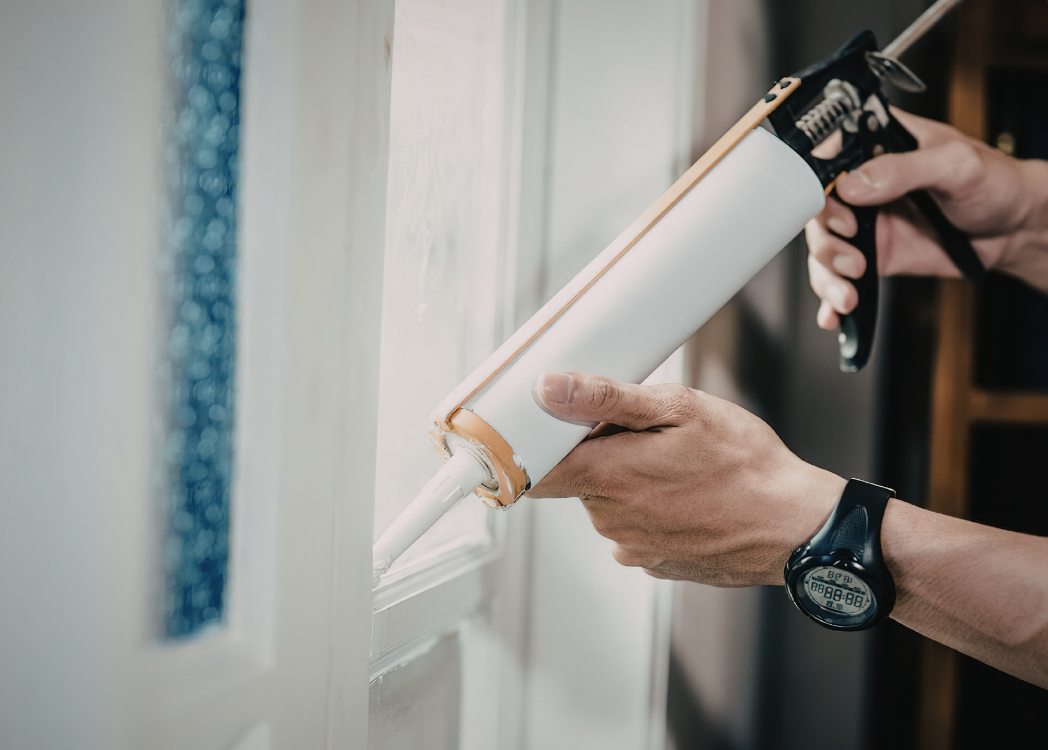
- Sealants that need time to cure
- Finishes that need time to dry
These intervals are part of the process. Even when the active work is complete, the repair isn’t fully finished until materials have reached their intended state.This is often one of the less visible reasons a repair takes longer than anticipated.
Discovering More Once Work Begins
In some cases, starting a repair reveals additional conditions that weren’t visible before.
For example:
- Removing a surface may expose underlying wear
- Adjusting one component may affect another nearby
- A small issue may be connected to a broader condition
When this happens, the scope of the work can expand slightly. Addressing these additional findings helps ensure the repair is complete, but it also adds time.This is not necessarily a sign of complication. It’s often a natural part of working beyond the surface.
Why Simplicity Can Be Misleading
A repair can look simple because it presents as a single issue. In reality, that issue is often connected to several factors.
For example, a door that doesn’t close properly may involve:
- Alignment of the frame
- Movement in surrounding materials
- Wear in the hardware
Each of these needs to be considered to achieve a lasting result. What appears to be one step may actually be several smaller steps working together.
The Value of Doing It Once
While longer timelines can feel inconvenient in the moment, they often lead to better outcomes over time. A repair that includes proper preparation, adjustment, and completion is more likely to hold. This reduces the need for repeat work and helps maintain consistency in the space. In contrast, rushing through a repair may create a result that looks complete but doesn’t perform as expected.
A More Accurate Way to Think About Repairs
Instead of measuring a repair by how quickly it can be completed, it can be more useful to think about what is required for it to last.
This includes:
- Preparing the area properly
- Working with existing conditions
- Allowing materials to behave as intended
When these factors are considered, the timeline becomes easier to understand.
Bringing It Together
Repairs take longer than expected not because they are complicated, but because they involve more than what is immediately visible. Preparation, conditions, and material behavior all influence how the work needs to be done. When these elements are accounted for, the result is more stable and consistent, even if it requires a bit more time upfront.