The Difference Between a “Fix” and a Temporary Patch
Understanding why some repairs last and others return—and how to recognize the difference before committing to a solution.
Most home repairs fall somewhere along a spectrum between temporary and permanent. Some are meant to stabilize a situation quickly, while others are intended to resolve the underlying issue so it doesn’t return. The difficulty for many homeowners is that both can look the same at first, especially when the immediate result improves appearance or function.
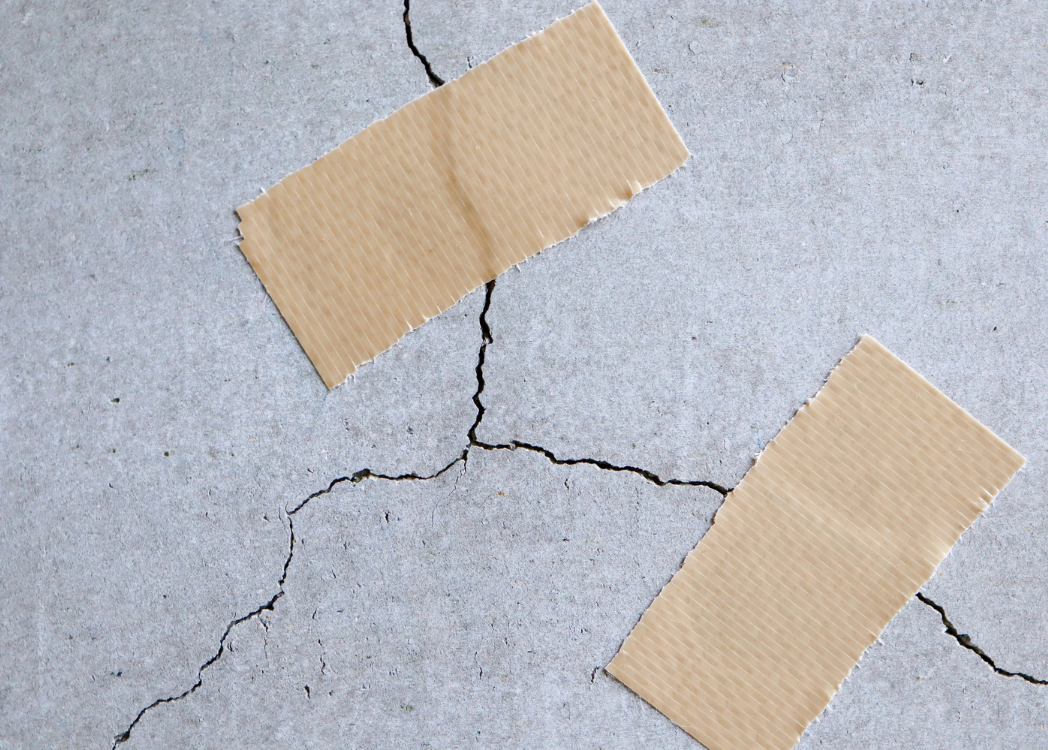
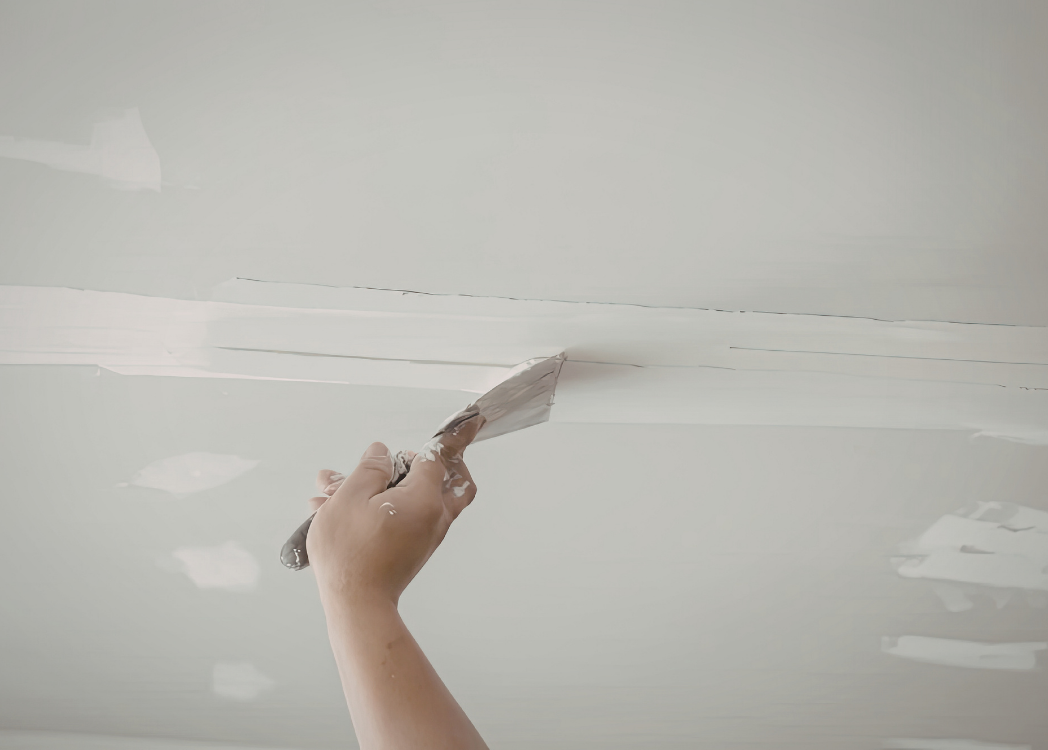
A patched crack looks filled. Fresh caulking seals a gap. A tightened component feels secure again. In the moment, the problem appears solved, which makes it easy to assume the work is complete. Over time, though, some of these fixes begin to show signs of returning. The same crack reappears, the same gap opens back up, or the same component loosens again after a period of use.
This is where the distinction between a true fix and a temporary patch becomes important. Understanding that difference doesn’t require technical knowledge, but it does require looking beyond the surface result and considering what caused the issue in the first place.
What Defines a Temporary Patch
A temporary patch addresses the visible symptom of a problem without fully resolving the condition that created it. It often improves how something looks or functions in the short term, which makes it useful in certain situations. Temporary patches are not inherently wrong; in many cases, they are appropriate, especially when the goal is to stabilize something quickly or buy time before a more complete repair can be made.
Examples of temporary patches can include:
- Filling a crack without addressing the movement behind it
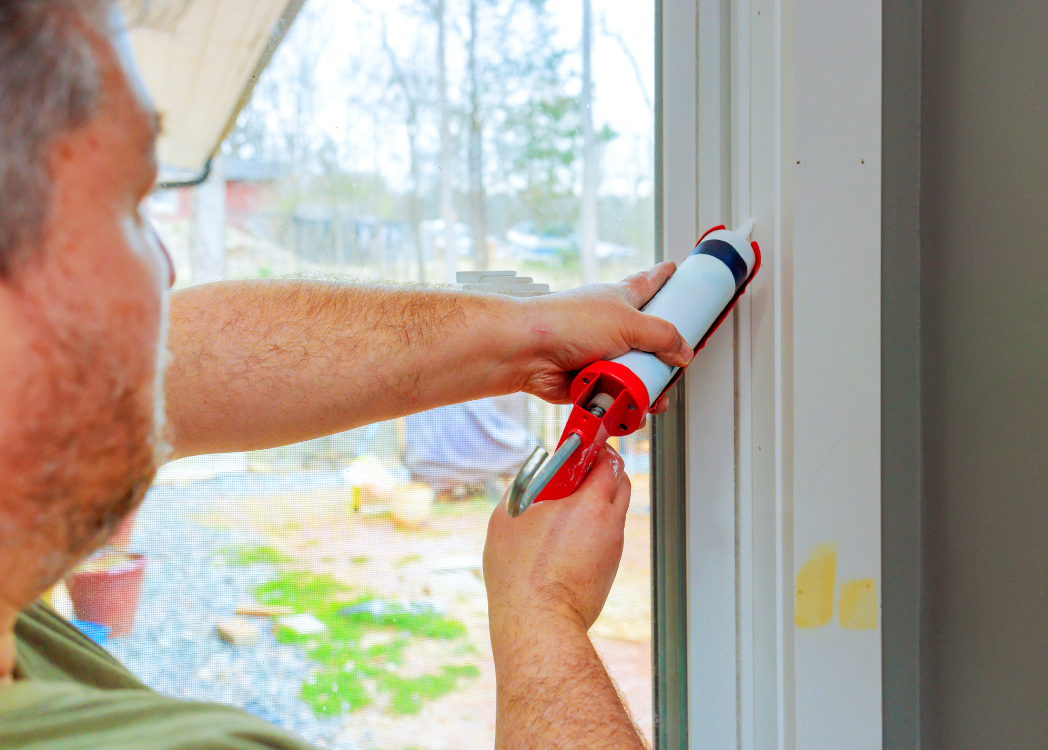
- Applying sealant over an area that continues to shift
- Tightening a component without reinforcing what it is attached to
- Covering a stained area without resolving the source of moisture
In each of these cases, the immediate issue is improved, but the underlying condition remains unchanged. Because of that, the same issue often returns, sometimes in the same place and sometimes in a slightly different form.
What Makes a Fix Last
A lasting repair typically addresses both the visible issue and the conditions that caused it. This does not necessarily mean the repair is more complex or more expensive, but it does mean it is approached with a broader understanding of how the area behaves.
A proper fix often includes:
- Identifying whether movement, moisture, or wear is involved
- Adjusting surrounding conditions so the issue is less likely to return
- Using materials that are compatible with how the area responds over time
- Ensuring that connections and transitions support long-term performance
For example, repairing a crack that is caused by seasonal movement may involve not only filling the crack, but also using a material that allows for slight flexibility. Addressing a moisture-related issue may involve improving airflow or redirecting water, rather than simply resealing the surface.
The difference is that a fix considers both cause and effect, while a patch focuses primarily on effect.
Why Temporary Patches Are So Common
Temporary patches are common because they are often the most immediate and visible solution. When something looks off, the natural instinct is to correct what can be seen. In many cases, that approach works well enough for a period of time.
There are also situations where a temporary patch is the most practical option. For example, when conditions are still changing or when a larger project is planned for the future, a short-term solution can help maintain stability until a more permanent approach is appropriate.
The challenge arises when a temporary patch is mistaken for a complete fix. Without recognizing the difference, it’s easy to repeat the same repair multiple times without addressing the underlying condition.
Signs That a Repair May Be Temporary
It’s not always obvious whether a repair is likely to last, but there are a few indicators that can suggest it may be more of a patch than a full solution.
You might notice:
- The issue returns in the same location after a period of time
- Similar issues begin to appear nearby
- The repair holds initially but gradually loses effectiveness
- Conditions around the area continue to change
These patterns don’t necessarily indicate poor workmanship. More often, they reflect that the original cause was still present and continued to influence the area.
Recognizing these signs early makes it easier to reassess the approach before the cycle repeats multiple times.
Movement and Flexibility
One of the most common reasons repairs fail is that they don’t account for movement. Homes are constantly adjusting to changes in temperature, humidity, and load. Materials expand and contract, and connections experience small amounts of stress over time.
When a repair introduces a rigid solution into an area that naturally moves, it tends to fail at the point of stress. This often shows up as cracking, separation, or loosening of materials.
A more durable approach considers how much movement is likely to occur and uses materials or techniques that can accommodate it. This doesn’t eliminate movement, but it reduces the likelihood that the repair will break down as a result.
Moisture as a Recurring Factor
Moisture is another major reason temporary patches don’t hold. Water tends to move through small gaps and along surfaces in ways that aren’t always obvious. Sealing the visible entry point without understanding where the moisture originates can lead to repeated issues.
For example, water that appears near a window may not be entering at the window itself. It could be traveling from a nearby seam, roofline, or joint. Sealing the immediate area may improve the situation temporarily, but if the source remains, the problem often returns.
Addressing moisture effectively usually involves observing how water moves around the area and making small adjustments that redirect or manage that movement.
When a Temporary Patch Is the Right Choice
Not every situation requires a permanent fix immediately. There are times when a temporary patch is appropriate and even beneficial.
This might include:
- Stabilizing an issue until conditions can be evaluated more thoroughly
- Managing a minor concern that is not progressing
- Preparing for a larger project where a full repair will be included
In these cases, the key is awareness. Understanding that the solution is temporary allows you to plan accordingly and avoid being surprised if the issue returns.
Avoiding the Cycle of Repetition
One of the most frustrating experiences for homeowners is dealing with the same issue repeatedly. Each time it appears, it requires attention, and each time it seems like it should be resolved.
Breaking that cycle usually involves stepping back and reassessing rather than repeating the same approach. Looking at the broader conditions—how the area is used, how materials interact, and how environmental factors play a role—often reveals what’s been missed.
This shift in perspective doesn’t necessarily make the repair more complicated, but it does make it more intentional.
Thinking Beyond the Immediate Result
A repair that looks complete isn’t always complete in function. Focusing only on the visible result can make it difficult to determine whether the underlying issue has been addressed.
A more reliable approach is to consider how the area will behave over time. Will it continue to move? Will it be exposed to moisture? Will it experience repeated use or stress?
Answering these questions helps determine whether the repair is likely to hold or whether additional steps are needed to support it.
A More Informed Approach to Repairs
Understanding the difference between a fix and a temporary patch allows you to approach home maintenance with more clarity. Instead of reacting to each issue as it appears, you begin to recognize patterns and conditions that influence how repairs perform.
This doesn’t mean every repair needs to be permanent or complex. It simply means being aware of what the repair is intended to do and how it fits into the larger behavior of the home.
Why This Distinction Matters Over Time
Over time, the difference between patches and fixes becomes more noticeable. Temporary solutions that are repeated multiple times often require more effort and cost than addressing the underlying issue once.
By recognizing when a repair is likely to be temporary and when a more complete solution is appropriate, it becomes easier to manage both time and resources effectively.
Most homes require a mix of both temporary and lasting repairs at different points. The key is not choosing one over the other, but understanding which approach is being used and why. When that distinction is clear, decisions become more intentional, and the results tend to hold up more consistently over time.