What to Look for After a Heavy Rainstorm
How to read water patterns around your home and spot small issues before they develop further.
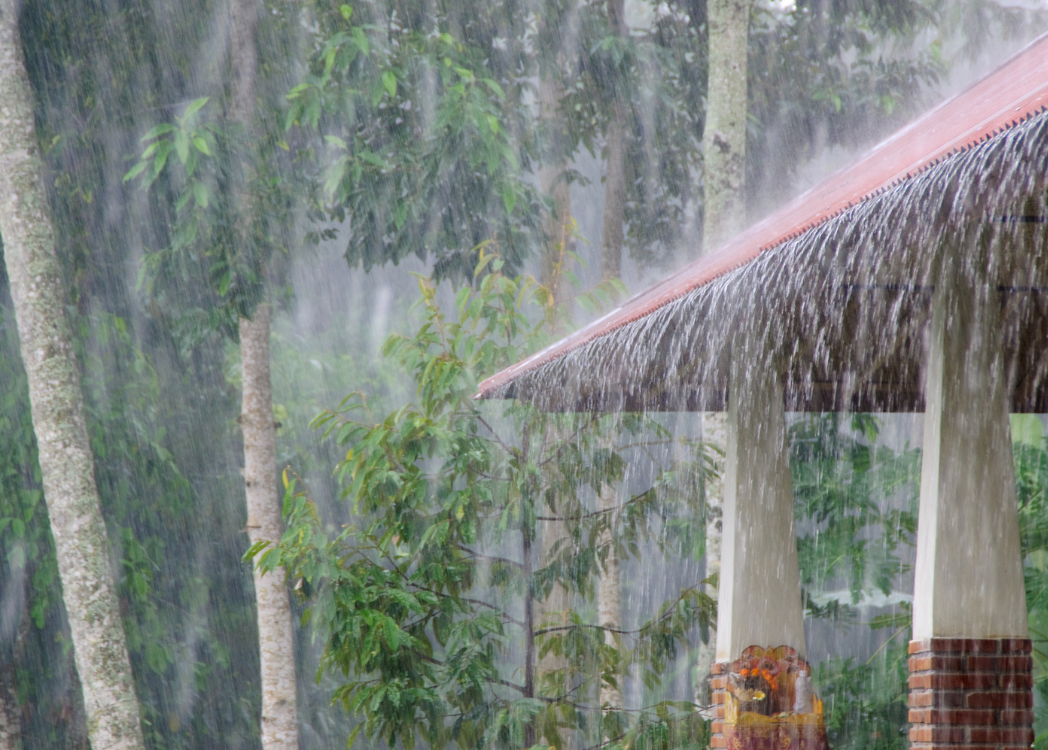
Heavy rain has a way of revealing things you don’t normally see.
When the weather is dry, most homes appear stable. Water drains quietly, surfaces stay consistent, and nothing stands out as unusual. But when a significant amount of rain falls in a short period of time, the way water moves across and around your home becomes much more visible. That movement can tell you a lot.
Where water collects, how quickly it drains, and which areas stay wet longer than others all provide useful information about how your home is handling moisture. Most of the time, what you’ll see isn’t a problem—it’s simply a pattern. But occasionally, those patterns point to small issues that are easier to address early.
The goal isn’t to inspect every detail after every storm. It’s to understand what normal looks like and recognize when something falls outside of it.
Start With Where Water Collects
After a heavy rain, one of the most useful things to observe is where water naturally settles.
Some pooling is completely normal, especially during or immediately after a storm. The key is how those areas behave over time.
Pay attention to:
- Low spots near the foundation
- Areas along walkways or patios
- Sections of the yard that hold water longer than others
- Points where runoff from roofs or driveways collects
If water drains within a reasonable amount of time, it’s usually not a concern. If certain areas remain saturated long after the rest of the property has dried, that’s worth noting.
Over time, consistently saturated areas can affect soil stability and how moisture interacts with the home.
Watch How Water Moves, Not Just Where It Sits
It’s easy to focus on standing water, but movement is just as important.
During and shortly after rainfall, observe how water travels:
- Does it flow away from the home or toward it?
- Are there clear paths where runoff concentrates?
- Do certain areas redirect water unexpectedly?
Even small changes in slope, compacted soil, or surface materials can influence how water moves.
Sometimes, the issue isn’t that water is present—it’s that it’s being directed to a place it wasn’t before.
Downspouts and Discharge Areas
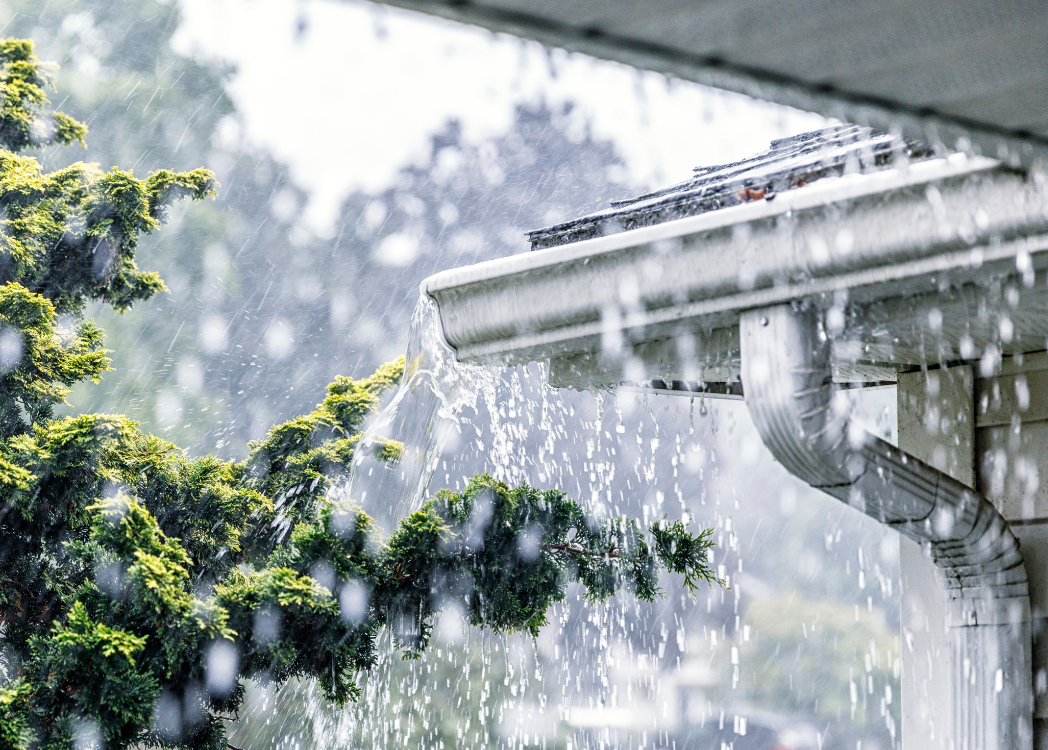
Downspouts handle a concentrated amount of water during heavy rain, which makes them one of the most important points to check.
After a storm, take a look at where that water is being released.
You might notice:
- Splashing that pushes water back toward the foundation
- Soil erosion at the discharge point
- Water pooling where it exits instead of dispersing
- Extensions that have shifted out of place
Even a small change in how a downspout directs water can have a noticeable effect over time, especially during repeated storms.
Exterior Walls and Surfaces
Rain doesn’t just affect the ground—it interacts with vertical surfaces as well.
Take a quick look at exterior walls and notice:
- Areas that appear darker or stay wet longer
- Streaking patterns that weren’t visible before
- Sections where water seems to collect rather than run off
These patterns can indicate how effectively surfaces are shedding water.
In many cases, differences are simply due to sun exposure or airflow. However, if certain areas consistently hold moisture longer than others, it may suggest that water isn’t moving as cleanly as it should.
Windows, Doors, and Trim
Openings in the home—windows, doors, and the trim around them—are designed to manage water carefully. After a heavy rain, these areas are worth a quick check.
Look for:
- Moisture or dampness along interior edges
- Small gaps that appear more noticeable when wet
- Caulking that looks separated or uneven
You’re not necessarily looking for active leaks. Instead, you’re looking for early signs that water may be interacting with these areas differently than expected.
Because these points are exposed repeatedly, even small changes can become more significant over time.
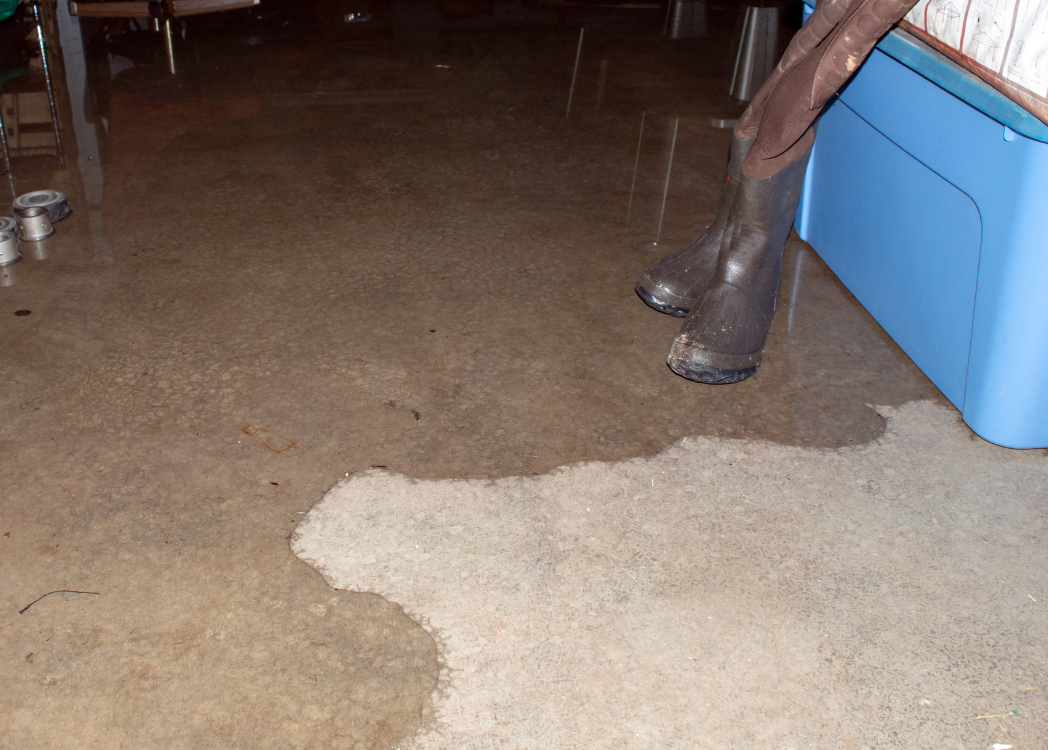
Basement and Lower-Level Conditions
After heavy rain, basements often provide some of the clearest feedback about how moisture is affecting the home.
Even if everything appears dry, it’s useful to notice:
- Changes in air quality or smell
- Slight increases in humidity
- Condensation on cooler surfaces
- Any new or slightly darker areas along walls
These signals don’t always mean water is entering the home. Often, they reflect increased moisture in the surrounding soil.
Understanding how your basement typically responds after rain helps you recognize when something is outside the usual pattern.
Walkways, Driveways, and Hard Surfaces
Hard surfaces tend to show water patterns clearly because they don’t absorb moisture the way soil does.
After a storm, take a quick look at:
- Where water flows across concrete or pavers
- Whether any sections hold water longer than others
- If edges have shifted slightly or created small dips
These surfaces often highlight changes in grading or settling that might not be obvious elsewhere.
A slight dip in a walkway, for example, may only become noticeable when it fills with water.
How Long Things Stay Wet
One of the most useful indicators isn’t what happens during the rain—it’s what happens afterward.
As conditions begin to dry, notice:
- Which areas dry first
- Which areas remain damp significantly longer
- Whether certain spots consistently hold moisture
Drying time is often a better indicator than the presence of water itself.
A surface that remains wet long after surrounding areas have dried may be holding moisture in a way that affects nearby materials.
Patterns Over Time Matter Most
A single storm doesn’t tell the whole story. What matters is whether the same patterns show up repeatedly.
For example:
- A low spot that fills once may not be significant
- A low spot that fills every time it rains is part of a pattern
- A wall that looks darker once may be incidental
- A wall that consistently holds moisture may need attention
Tracking these patterns over multiple storms provides a clearer picture of how your home is handling water.
When Small Adjustments Make a Difference
One of the advantages of observing water patterns is that many improvements are relatively simple once you understand what’s happening.
That might include:
- Adjusting the direction of a downspout
- Smoothing out a low area where water collects
- Clearing debris that’s interrupting drainage
- Resealing a small gap where water is interacting with a surface
Because these adjustments are based on actual observation, they tend to be more effective than general maintenance done without context.
Avoiding Overreaction
It’s easy to assume that any visible water is a problem, especially after a heavy storm. In reality, some pooling and slow drainage are part of how properties handle large amounts of rainfall.
The goal isn’t to eliminate all water—it’s to make sure it behaves predictably.
If water:
- Drains consistently
- Moves away from the home
- Doesn’t create lasting moisture
then it’s usually functioning as expected.
Focusing on changes rather than isolated events helps keep things in perspective.
A Useful Opportunity to Observe
Heavy rain provides a brief but valuable opportunity to see how your home interacts with water under stress.
In normal conditions, these patterns are hidden. During a storm, they become visible for a short period of time. Taking advantage of that moment—simply by noticing what’s happening—can provide insight that’s difficult to get any other way.
Water doesn’t need to cause damage to be informative. The way it moves, collects, and drains around your home offers a clear picture of how everything is functioning together.
Understanding those patterns makes it easier to make small, targeted adjustments when needed—and often prevents larger issues from developing later.