What Actually Happens During Snow Melt Around Your Home
A closer look at how melting snow affects soil, drainage, and pressure around your home—and why issues often show up after winter ends.

Winter tends to feel like the most stressful season for a home. Snow accumulates, temperatures drop, and everything sits frozen for weeks at a time. It’s easy to assume that if something were going to go wrong, it would happen in the middle of winter.
In reality, many issues don’t show up until the snow begins to melt.
That transition period—when temperatures rise and everything starts to thaw—is when the environment around your home changes most quickly. Water that’s been locked in place suddenly moves. Soil that was stable becomes saturated. Pressure points shift in ways that aren’t immediately visible.
Understanding what’s happening during snow melt helps explain why certain problems seem to appear “out of nowhere” in early spring.
Snow Doesn’t Melt Evenly
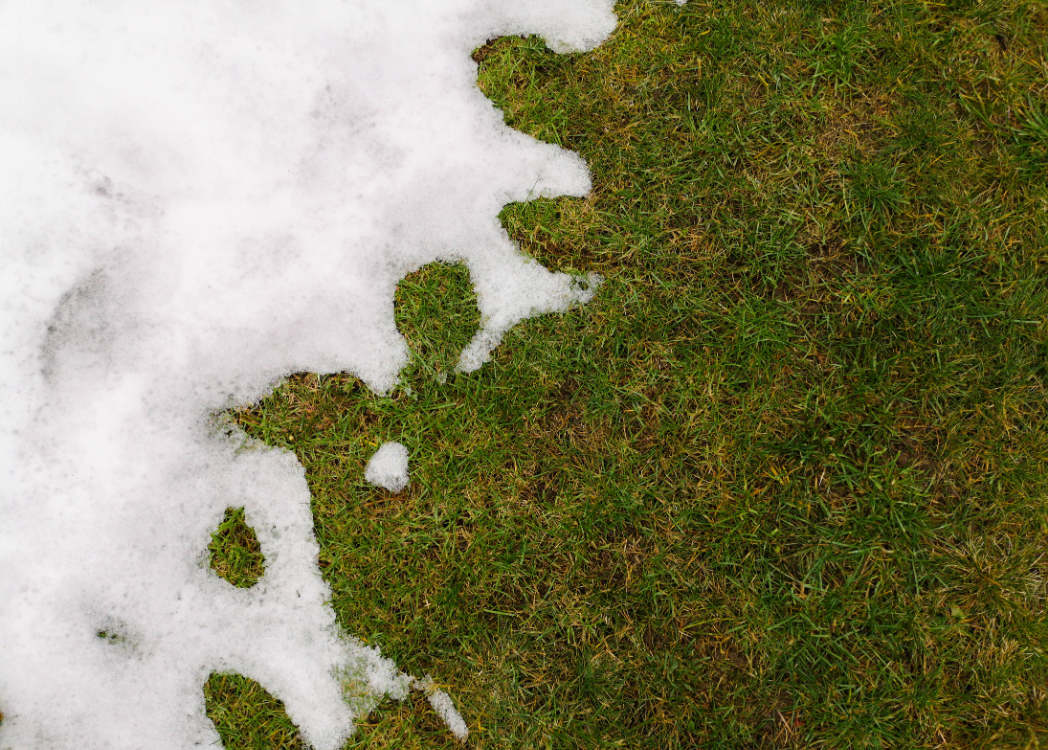
One of the first things to understand is that snow rarely melts all at once. Different parts of your property warm at different rates depending on sun exposure, shade, and surface materials.
This creates uneven melting patterns:
- South-facing areas tend to thaw first
- Shaded sections hold snow longer
- Areas near foundations may melt more slowly due to insulation effects
- Compacted snow (like along walkways or driveways) lingers differently than loose snow
Because of this, water doesn’t move uniformly. It collects, redirects, and sometimes backs up in ways that aren’t obvious during the process.
You might not notice anything unusual while snow is still present, but once it clears, the effects of that uneven melt often become visible.
Frozen Ground Changes Everything
During winter, the ground beneath your home freezes to varying depths. While it’s frozen, water can’t drain through it the way it normally would.
As snow begins to melt, the water has limited places to go.
Instead of absorbing into the ground, it often:
- Pools on the surface
- Moves laterally across the property
- Collects near low points, including areas close to the foundation
This is why you may see water sitting in places that normally drain well during other seasons. The soil hasn’t fully thawed yet, so it can’t absorb moisture at its usual rate.
Only once the ground softens does normal drainage begin to return.
Soil Becomes Saturated Quickly
As thawing continues, the soil transitions from frozen to saturated.
When that happens, two things change at once:
- The soil holds significantly more moisture
- Its ability to support weight and resist pressure decreases
Saturated soil is heavier and more active. It expands slightly, shifts more easily, and places different types of pressure on the foundation compared to dry or frozen conditions.
This doesn’t typically result in immediate structural issues, but it can contribute to:
- Minor foundation movement
- Increased pressure along basement walls
- Changes in how walkways and patios sit
These effects are usually subtle, but they’re part of why homes feel like they “settle” slightly in early spring.
Water Finds the Easiest Path
As snow melts and the ground begins to thaw, water follows the path of least resistance. That path isn’t always the one you expect.
Small changes in grading, compacted soil, or even leftover debris can redirect water flow.
You might notice:
- Water collecting in new areas
- Slight erosion along certain paths
- Downspouts discharging into already saturated soil
- Low spots that weren’t visible before
These patterns don’t always indicate a problem—they often reveal how water naturally wants to move across your property.
Observing these patterns is one of the most useful things you can do during snow melt.
Foundation Pressure Shifts Gradually
While the foundation itself doesn’t typically move dramatically during snow melt, the pressure around it does.
As soil becomes saturated, it exerts more force against foundation walls. At the same time, any frost-related expansion begins to relax as the ground thaws.
This combination creates a period of adjustment where:
- Pressure increases from moisture
- Structural tension from freezing begins to ease
- Materials respond to both changes simultaneously
This is often when small cracks or shifts become more noticeable—not because they just formed, but because conditions have changed enough to reveal them.

Why Issues Appear After the Melt
A common question is why problems seem to show up after winter rather than during it.
There are a few reasons for this:
- Snow and ice can hide visible changes
- Frozen conditions keep materials relatively static
- Movement and moisture increase during thawing
- Surfaces dry out and become easier to observe
In other words, winter sets the stage, but spring reveals the outcome.
That’s why things like small foundation cracks, trim separation, or minor drainage issues tend to become visible once the snow is gone.
Exterior Surfaces Experience Delayed Wear
Exterior materials don’t always show wear immediately after being exposed to harsh conditions.
During winter, moisture can become trapped in small gaps or porous surfaces. As temperatures rise, that moisture begins to evaporate or move, which can reveal:
- Paint that begins to peel or bubble
- Trim that softens slightly at exposed edges
- Caulking that separates after repeated expansion and contraction
These changes are often the result of conditions that developed weeks or months earlier.
Snow melt simply brings them to the surface.
Basements and Lower Levels Respond Quickly
Basements tend to react faster than other parts of the home during snow melt because they’re directly influenced by surrounding soil conditions.
As moisture levels increase outside, you may notice:
- A slightly damp or humid feeling
- Faint musty odors
- Condensation on cooler surfaces
- Minor staining along foundation walls
These signs don’t necessarily indicate water intrusion, but they do reflect how the environment around the home is changing.
Good drainage and airflow help manage these conditions, but some variation during this time of year is normal.
What’s Worth Paying Attention To
You don’t need to monitor everything during snow melt, but there are a few key things that can provide useful insight.
It helps to notice:
- Where water naturally collects after melting
- Whether those areas drain over time or remain saturated
- Any new or more noticeable cracks or gaps
- Changes in how doors or windows operate
- Areas where exterior materials seem to be wearing faster
These observations don’t need to lead to immediate action. They’re simply information that helps you understand how your home is responding.
When Small Adjustments Help
In many cases, the most effective response to snow melt isn’t a major repair—it’s a small adjustment based on what you’ve observed.
That might include:
- Redirecting water slightly farther from the home
- Smoothing out a low spot where water collects
- Resealing an area that shows early separation
- Clearing debris that affects drainage
Because these changes are based on actual conditions, they tend to be more effective than general maintenance done without context.
A Short Window With Useful Insight
Snow melt doesn’t last long, but it provides a unique view of how your home interacts with water and soil.
During this period, you can see:
- How water moves across your property
- Where drainage works well and where it doesn’t
- How materials respond after extended exposure to winter conditions
Once everything dries out, many of these patterns become less visible.
That’s why early spring is such a useful time for observation.
Understanding the Transition
It’s easy to think of winter and spring as separate seasons, but for a home, the transition between them is just as important as either one on its own.
Snow melt is when stored moisture is released, pressure shifts, and materials begin adjusting to new conditions. Most of these changes are gradual and expected, but they can reveal areas where small improvements will make a difference.
Paying attention during this time doesn’t mean looking for problems. It means understanding how your home responds when conditions change quickly—and using that insight to keep things moving in the right direction.