Why Some Areas of Your Home Wear Out Faster Than Others
Understanding how use, exposure, and material behavior influence which parts of your home age more quickly.
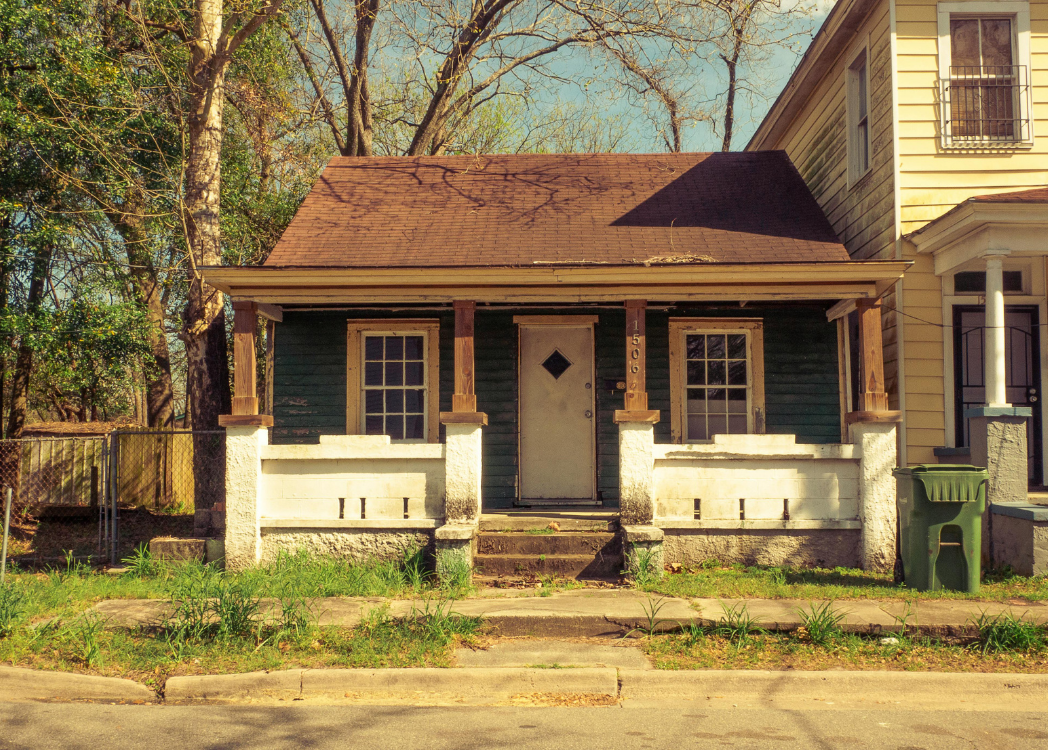
If you walk through your home with a bit of attention to detail, you’ll start to notice something interesting. Not everything ages at the same rate. Some areas still look and feel solid years after installation, while others begin to show wear much sooner.
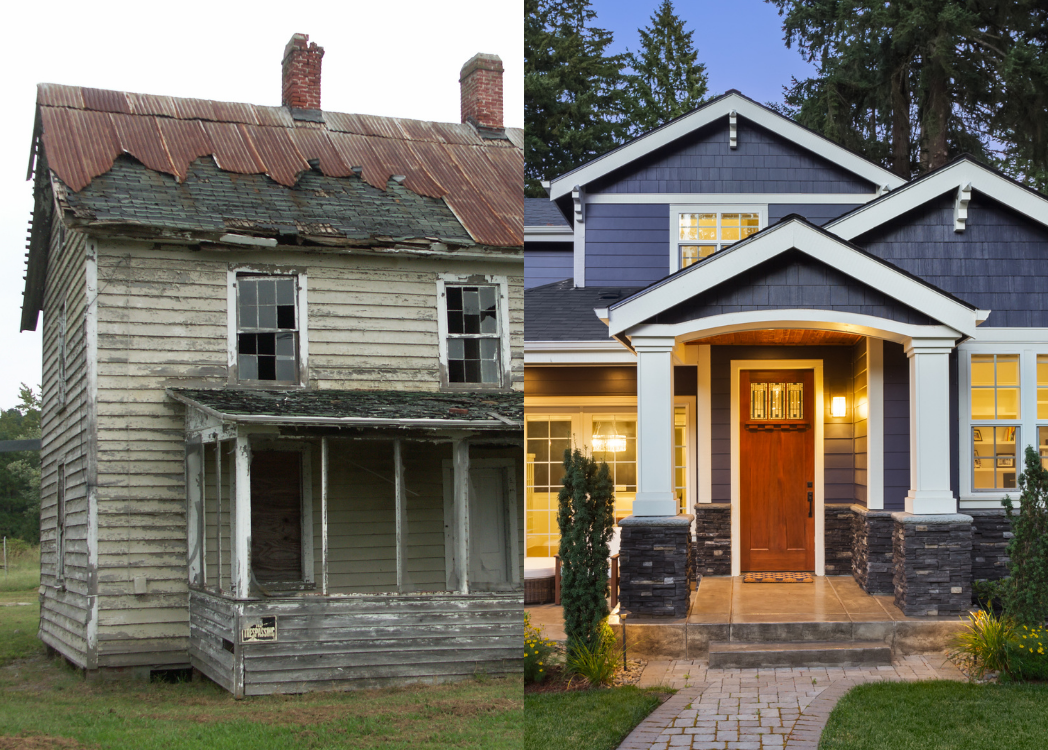
This difference isn’t random. It’s the result of how each part of the home is used, what it’s exposed to, and how materials respond to those conditions over time.
Understanding why certain areas wear out faster doesn’t just explain what you’re seeing. It also helps you anticipate where attention may be needed next, which makes maintenance feel more predictable and less reactive.
Use Is Only Part of the Story
The most obvious factor in wear is use. Areas that are touched, walked on, or operated frequently tend to show signs of aging sooner than those that aren’t.
You’ll often see this in:
- Entryways where shoes and outdoor debris are brought inside
- Kitchens where surfaces are used repeatedly throughout the day
- Hallways that serve as primary pathways between rooms
However, use alone doesn’t fully explain why some areas wear faster than others. Two spaces with similar levels of activity can age very differently depending on other conditions.
That’s where exposure and environment come into play.
Moisture Accelerates Everything
If there is one factor that consistently speeds up wear, it’s moisture. Even small amounts, when repeated over time, can affect how materials perform.
Moisture doesn’t need to be visible to have an impact. It can exist in the air, settle on surfaces, or move through small gaps in ways that aren’t immediately obvious.
Areas more likely to experience this include:
- Bathrooms and kitchens
- Basement and lower-level spaces
- Exterior-facing walls and windows
- Entry points where wet items are brought inside
Over time, moisture influences how materials expand, soften, or break down. Finishes may wear faster, surfaces may feel less stable, and small imperfections may become more noticeable.
The effect is gradual, but it’s consistent.

Sunlight and Temperature Exposure
Sunlight is another factor that can create uneven wear. Areas exposed to direct light often experience more variation in temperature, which affects materials differently than shaded areas.
You might notice:
- Fading or discoloration in certain spots
- Surfaces that feel drier or more brittle
- Slight expansion and contraction in materials over time
Temperature changes work in a similar way. Areas near windows, exterior walls, or heating sources may experience more fluctuation, which can influence how materials age.
Even within the same room, these differences can create visible variation over time.
Movement and Structural Behavior
Homes are not static. They respond to changes in temperature, humidity, and load, which means materials are constantly adjusting.
Some areas experience more movement than others, particularly:
- Transitions between different materials
- Points where structural elements meet
- Areas near openings like doors and windows
These zones are more likely to show signs of wear because they are absorbing small amounts of stress over time.
This can appear as:
- Cracks that form along joints
- Gaps that open and close with seasonal change
- Components that require occasional adjustment
Even when the movement is minimal, repeated stress can influence how long materials hold up.
Friction and Contact Points
Some of the fastest-wearing areas in a home are the ones that experience repeated contact rather than heavy use.
This includes:
- Door handles and surrounding areas
- Cabinet pulls and drawer fronts
- Light switches and wall plates
- Edges of walls or trim near walkways
These areas are touched frequently, often without much thought. Over time, that repeated contact leads to gradual wear that becomes more noticeable.
Unlike larger surfaces, these small areas don’t distribute wear evenly. The same exact spot is used again and again, which concentrates the effect.
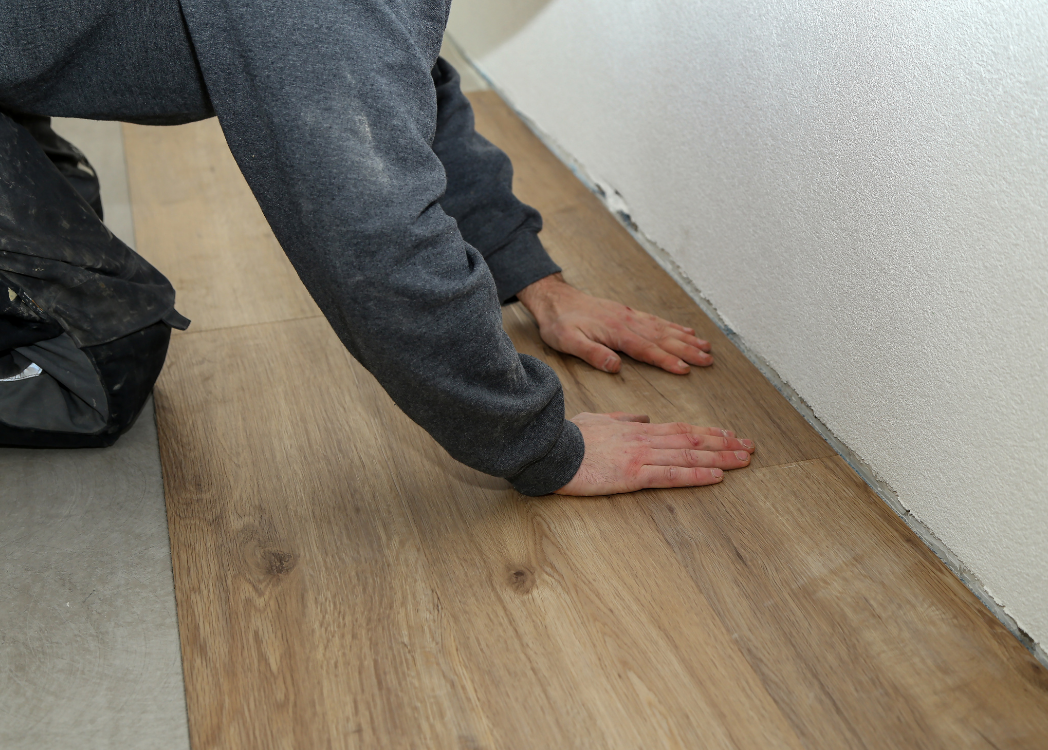
Flooring and Weight Distribution
Floors provide a clear example of how wear patterns develop. Even within the same space, certain paths are used more often than others.
You may notice:
- Subtle pathways forming between common points of movement
- Areas near entrances wearing faster than interior sections
- Slight differences in how surfaces feel underfoot
Weight distribution also plays a role. Furniture that remains in place for long periods can affect how materials compress or settle, while areas that remain open see more consistent traffic.
Over time, these patterns create visible differences, even when the flooring material itself is uniform.
Exterior Exposure Is Uneven
The exterior of a home is exposed to weather, but not all sides experience the same conditions.
For example:
- One side may receive more sunlight throughout the day
- Another may be more exposed to wind or rain
- Some areas may stay shaded and retain moisture longer
These differences influence how materials age. Paint may wear faster on one side, while another may show more signs of moisture-related wear.
Because these conditions are consistent over time, the differences in aging become more pronounced.
Airflow and Ventilation
Air movement affects how quickly surfaces dry and how moisture is distributed throughout the home.
Areas with good airflow tend to dry more quickly and maintain more stable conditions. Areas with limited airflow can hold moisture longer, even if the difference isn’t immediately visible.
You may notice this in:
- Corners of rooms
- Spaces behind furniture
- Closets or enclosed areas
Over time, reduced airflow can contribute to faster wear, particularly when combined with moisture or temperature variation.
Material Type and Quality
Not all materials respond to the same conditions in the same way. Some are more resistant to moisture, movement, or wear, while others are more sensitive.
For example:
- Softer materials may show wear more quickly under repeated use
- Rigid materials may crack if movement isn’t accounted for
- Porous materials may absorb moisture more readily
Even when materials are appropriate for their environment, their natural characteristics influence how they age.
Understanding this helps set expectations for how different parts of the home will perform over time.
Why Wear Often Feels Uneven
One of the reasons uneven wear stands out is that it creates contrast. When one area looks newer or more intact than another, the difference becomes noticeable.
This can make the worn area feel more significant than it actually is. In many cases, the condition is normal—it simply reflects how that part of the home is being used and exposed.
Recognizing that these patterns are expected helps shift the focus from concern to understanding.
Using Wear as Information
Rather than viewing wear as a problem, it can be helpful to see it as information. It shows where the home is experiencing the most interaction, exposure, or stress.
This insight can help guide future decisions, such as:
- Where to focus maintenance efforts
- Which areas may benefit from more durable materials
- How to adjust use or layout to reduce concentrated wear
By understanding the cause, it becomes easier to respond in a way that aligns with how the home is actually functioning.
Slowing Wear Without Overcorrecting
While it’s not possible to eliminate wear entirely, it is possible to manage it.
This often involves small adjustments, such as:
- Distributing use more evenly when possible
- Maintaining surfaces before wear becomes more noticeable
- Improving airflow in areas that tend to hold moisture
- Addressing environmental factors like water or sunlight exposure
These changes don’t stop wear, but they can help it occur more gradually and predictably.
A More Predictable Way to Maintain a Home
Once you begin to understand why certain areas wear faster, maintenance becomes less reactive. Instead of responding only when something looks worn, you can anticipate where attention will be needed.
This creates a more balanced approach, where effort is directed toward areas that naturally experience more stress rather than treating every part of the home the same.
Bringing It Together
Homes don’t wear evenly because they don’t experience conditions evenly. Use, moisture, sunlight, movement, and material behavior all interact in ways that influence how different areas age.
When those factors are understood, the patterns of wear begin to make more sense. Instead of feeling unpredictable, they become part of how the home naturally responds to its environment.
That perspective makes it easier to maintain the home over time, not by preventing wear entirely, but by working with it in a way that keeps everything functioning as it should.