Simple Ways to Improve Daily Function in High-Traffic Areas
How small adjustments in the spaces you use most can reduce friction and make your home feel easier to live in.
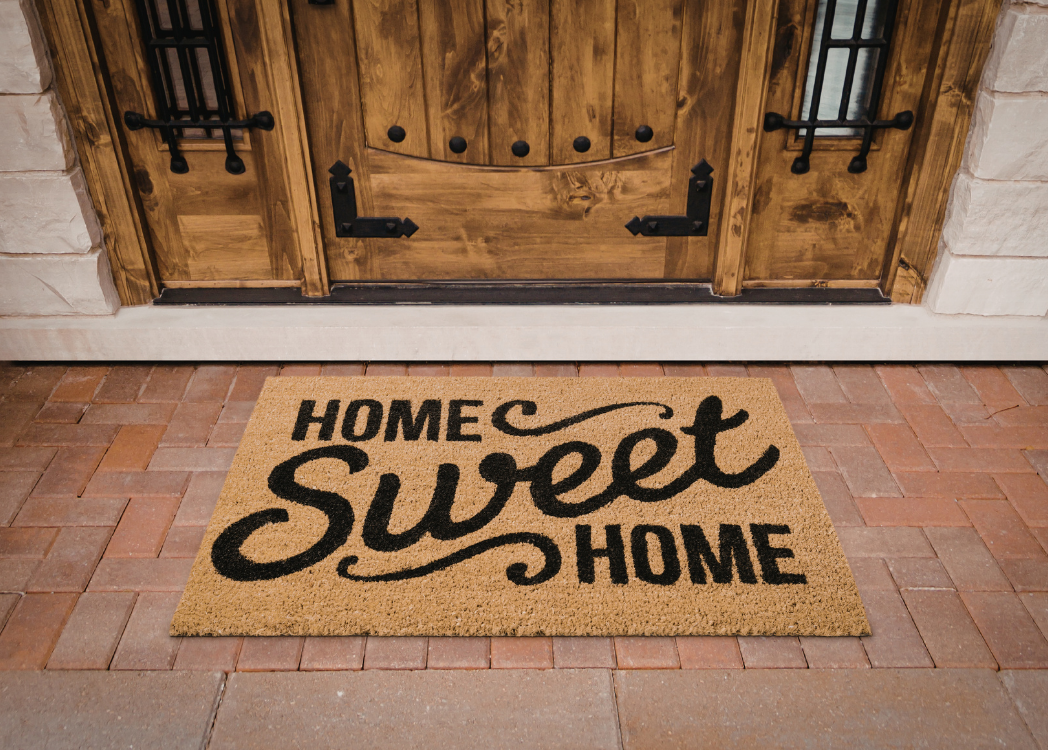
Some parts of a home work harder than others. Entryways see constant movement in and out. Kitchens handle repeated use throughout the day. Hallways become natural pathways that connect everything else. Over time, these high-traffic areas tend to accumulate small inefficiencies—things that don’t quite work as smoothly as they should but are easy to live with in the moment.
The challenge is that these small points of friction add up. A door that sticks slightly, a drawer that doesn’t close cleanly, or a transition between rooms that catches your foot just enough to notice—none of these are major issues on their own. But because they’re experienced repeatedly, they shape how the home feels on a daily basis.
Improving function in these areas isn’t about redesigning them. It’s about identifying where movement feels interrupted and making small adjustments that allow things to flow more naturally.
Entryways: Where Small Friction Adds Up Quickly
Entryways tend to reveal functional issues faster than most areas because they’re used multiple times a day. Shoes, bags, keys, and outerwear all pass through the same space, often in a short window of time.
A few common friction points show up here:
- Doors that don’t open or close smoothly
- Thresholds that feel slightly uneven underfoot
- Hardware that feels loose or inconsistent
- Limited space to move comfortably when entering or exiting
Because these interactions happen quickly, even minor inefficiencies stand out. Adjusting a door so it closes cleanly without resistance or ensuring that a handle feels solid when used can immediately make the space feel more functional.
Floor transitions are another area worth paying attention to. If there’s a subtle height difference or movement between materials, it often becomes more noticeable in entryways where people are stepping in and out.
Kitchens: Repetition Reveals Everything
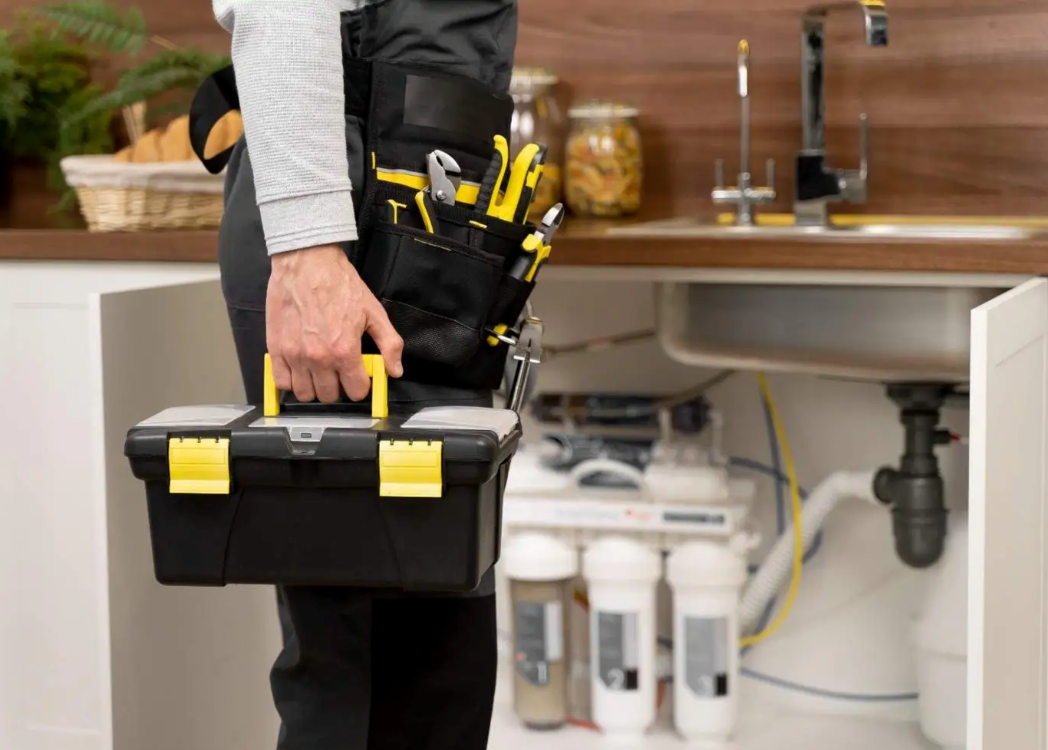
Kitchens don’t just get used—they get used repeatedly in short cycles. Opening cabinets, turning on faucets, moving between surfaces—all of these actions happen multiple times a day.
That repetition makes small issues more noticeable over time.
Common areas where function can drift include:
- Cabinet doors that don’t sit flush
- Drawers that stick or don’t glide smoothly
- Faucets with slight looseness at the base
- Fixtures that feel misaligned or inconsistent
These aren’t typically urgent repairs, but they interrupt the flow of use. A drawer that requires a second pull or a cabinet that doesn’t close cleanly becomes more noticeable the more often it’s used.
Improving these elements usually doesn’t require replacing them. Small adjustments—tightening hinges, realigning hardware, or correcting minor shifts—can restore the original feel of the space.
Hallways: Movement Without Interruption
Hallways are often overlooked because they don’t serve a single purpose. They exist to connect spaces, which means their function is tied directly to how easily people can move through them.
When something feels off in a hallway, it’s usually because movement is being interrupted in some way.
That might come from:
- Doors that swing into the path more than expected
- Flooring transitions that create slight resistance
- Lighting that makes the space feel uneven or dim
- Narrow points where objects or furniture reduce clearance
Because hallways are used passively, even small disruptions can feel more noticeable than they would in a room where you’re stationary.
Improving function here is often about removing subtle obstacles rather than adding anything new. Creating a clear, uninterrupted path tends to have a bigger impact than making visible changes.
Stairs and Railings: Stability and Confidence
Stairs are one of the few areas in a home where stability directly affects how safe and comfortable the space feels. Even a small amount of movement can be noticeable.
A railing that shifts slightly when used or a step that produces more sound than expected can create a sense of uncertainty, even if the structure is still sound.
Things to check in these areas include:
- Whether railings feel solid when pressure is applied
- If steps produce consistent sound or if certain ones stand out
- Whether transitions at the top and bottom feel even
Because these areas are used frequently and often without much thought, consistency matters. When everything feels stable and predictable, movement through the space becomes more natural.
Transitions Between Spaces
One of the more subtle sources of friction in a home comes from how spaces connect to each other. Transitions between rooms—whether through doorways or flooring changes—can create small interruptions if they’re not aligned properly.
This might show up as:
- Slight height differences between flooring materials
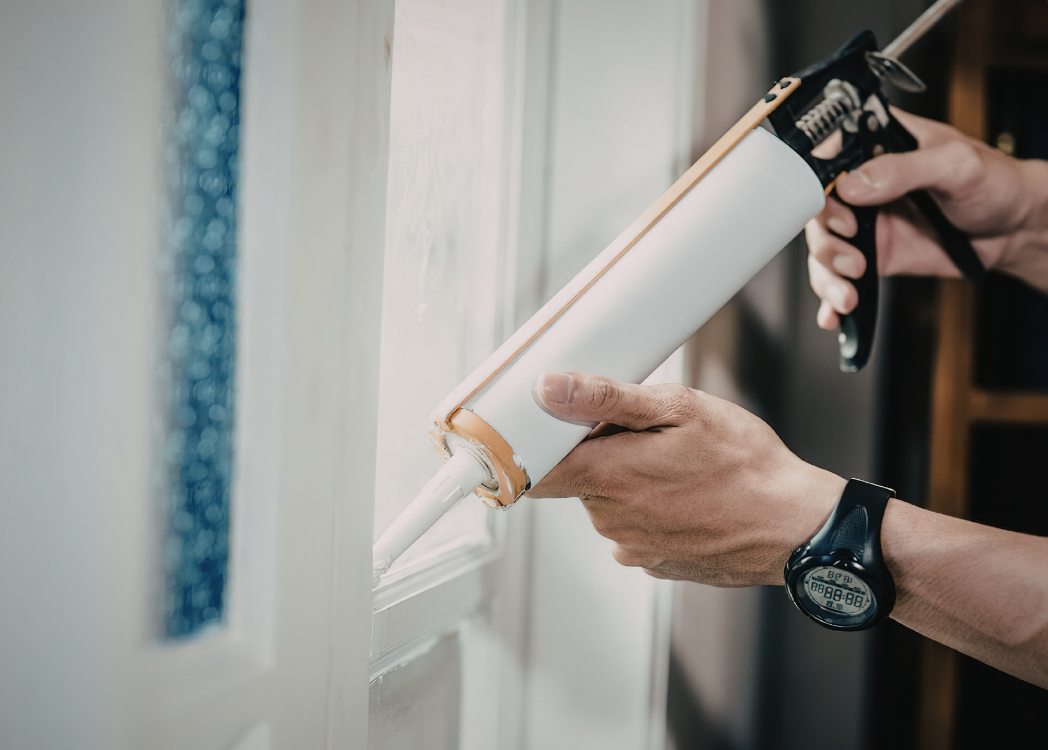
- Gaps or uneven lines where surfaces meet
- Doors that don’t sit squarely within their frames
These details are easy to overlook because they’re part of the background. But they influence how smoothly you move from one space to another.
Bringing these transitions into alignment—visually and physically—often improves the overall flow of the home without requiring any major changes.
Storage That Works With Movement
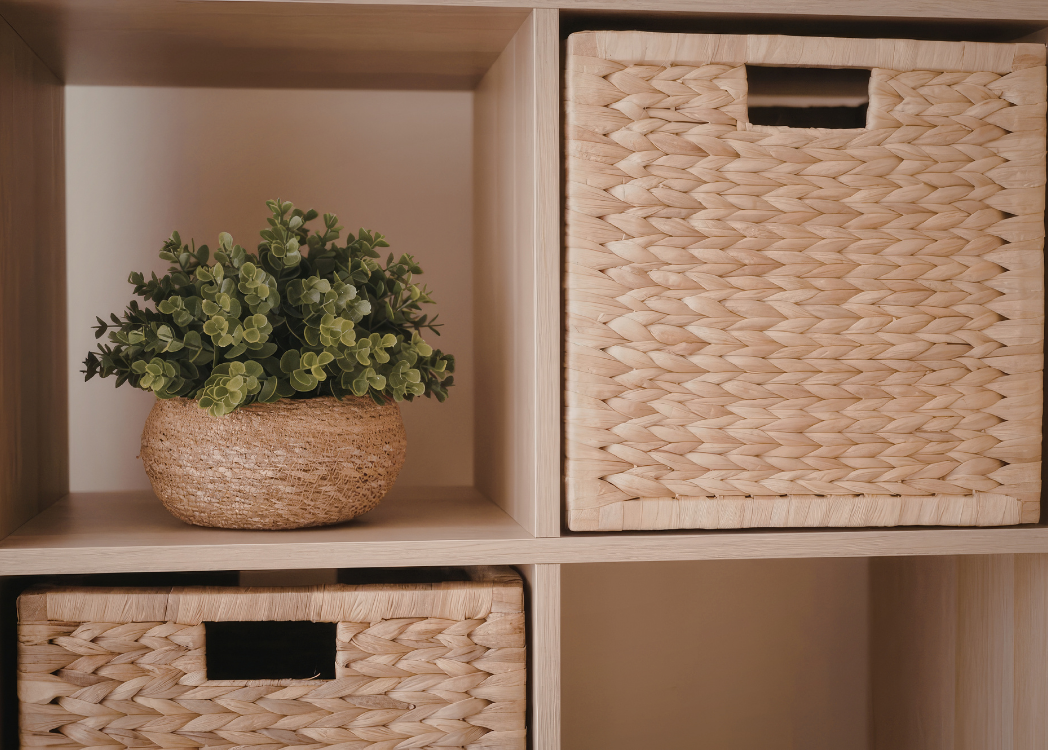
In high-traffic areas, storage isn’t just about capacity—it’s about accessibility.
When storage works against the natural flow of movement, it creates small points of friction. This can happen when:
- Doors or drawers open into walking paths
- Items are stored in a way that requires extra steps to access
- Frequently used objects don’t have a consistent place
Adjusting how storage interacts with movement can make everyday use feel more intuitive.
That doesn’t necessarily mean adding new storage. Often, it’s about repositioning or simplifying what’s already there so it aligns better with how the space is used.
Hardware and Touch Points
High-traffic areas involve constant interaction with hardware—handles, switches, knobs, and fixtures. These touch points tend to wear gradually, and small changes in how they feel can go unnoticed until they become more pronounced.
Paying attention to these elements can reveal opportunities for improvement:
- Handles that feel slightly loose or inconsistent
- Switches that don’t sit flush with the wall
- Fixtures that require more effort to operate than they should
Addressing these small inconsistencies restores a sense of reliability. When everything responds as expected, the space feels easier to use.
Lighting and Visibility
Lighting plays a role in function, especially in areas where movement is frequent. It’s not just about brightness—it’s about clarity.
High-traffic areas benefit from lighting that:
- Clearly defines pathways
- Reduces shadows in transition zones
- Feels consistent from one space to the next
Uneven lighting can make spaces feel less predictable, particularly in hallways or entry points where quick movement is common.
Adjusting lighting doesn’t always mean adding fixtures. Sometimes it’s as simple as ensuring bulbs are consistent or repositioning existing sources to improve coverage.
Why Small Adjustments Matter More Here
In less frequently used areas of a home, small inefficiencies are easier to ignore. In high-traffic spaces, they’re experienced repeatedly.
That repetition is what makes small improvements so effective. Fixing something minor in a rarely used room may go unnoticed. Fixing the same issue in a space you use ten times a day changes how the home feels almost immediately.
This is why focusing on function in these areas often produces a larger impact than making bigger changes elsewhere.
A Different Way to Approach Improvements
Instead of asking what needs to be upgraded, it can be more useful to ask where movement feels slightly interrupted.
That might mean noticing:
- Where you slow down without thinking
- Where something doesn’t respond the way you expect
- Where small adjustments could make repeated actions smoother
These observations tend to point directly to areas where function can be improved with minimal effort.
Building Awareness Into Daily Use
The most effective way to improve high-traffic areas is to pay attention while using them normally.
Walking through an entryway, preparing a meal, or moving between rooms all provide feedback. Over time, these small observations highlight patterns—areas where friction exists and where adjustments would have the most impact.
Because these spaces are used so frequently, even small changes tend to stand out once they’re made.
High-traffic areas don’t need to be redesigned to work better. They usually just need a bit of refinement—small adjustments that bring movement, alignment, and consistency back into place. When those elements are in sync, the home feels easier to navigate, even though very little has actually changed.