Small Exterior Details That Quietly Protect Your Home From Weather
A closer look at the subtle features that prevent water intrusion and long-term wear.

When people think about protecting a home from weather, the focus usually goes to the big elements—roofing, siding, windows. Those are obviously important, but they aren’t the only things doing the work.
In reality, a lot of protection happens in much smaller, less noticeable places. The edges where materials meet. The thin lines of sealant around openings. The slight overhang that directs water away from a surface. These details don’t stand out, but they play a significant role in how well a home holds up over time.
What makes them easy to overlook is that they tend to function quietly. When they’re working, nothing happens. When they start to wear down, the signs are subtle at first.
Understanding where these details exist—and what they do—makes it easier to spot when something has started to change.
Where Water Actually Enters
Water rarely enters a home through large, obvious openings. More often, it finds its way in through small gaps that develop gradually.
These gaps tend to form at transitions:
- Where trim meets siding
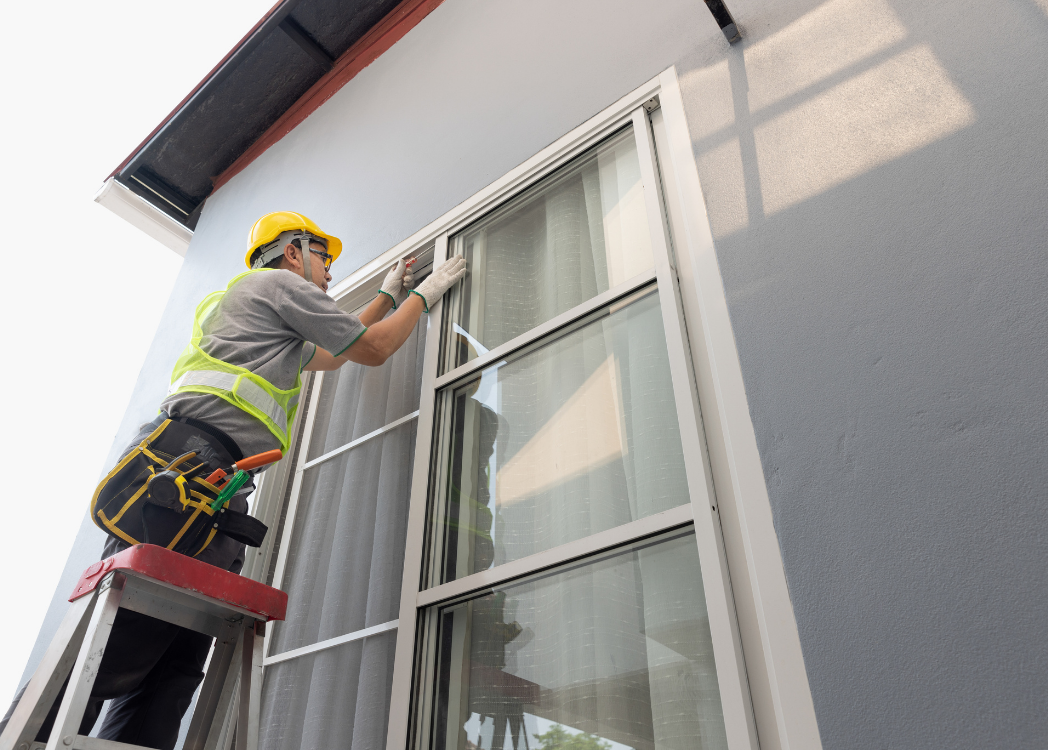
- Around window and door frames
- Along joints between different materials
- At the base of exterior walls
Each of these areas is designed to direct water away from the structure. When everything is intact, water flows over and past these points without issue. When a small separation develops, even one that’s barely visible, it can change how water behaves.
Instead of moving past the surface, water can begin to collect or seep into areas it wasn’t meant to reach.
The Role of Sealants and Caulking
Caulking is one of the most common—and most overlooked—protective elements on a home’s exterior.
It exists in thin lines around:
- Windows and doors
- Trim boards and corners
- Penetrations for vents or fixtures
Because it’s flexible, caulking is able to absorb small amounts of movement between materials. Over time, though, it naturally breaks down.
You might notice:
- Fine cracks forming along the surface
- Slight separation from one side of the joint
- Areas where it looks dry or uneven
These changes don’t immediately lead to problems, but they do reduce how effectively the joint sheds water. Reapplying sealant in these areas is often a simple way to maintain protection without addressing anything more substantial.
Flashing: The Hidden Layer
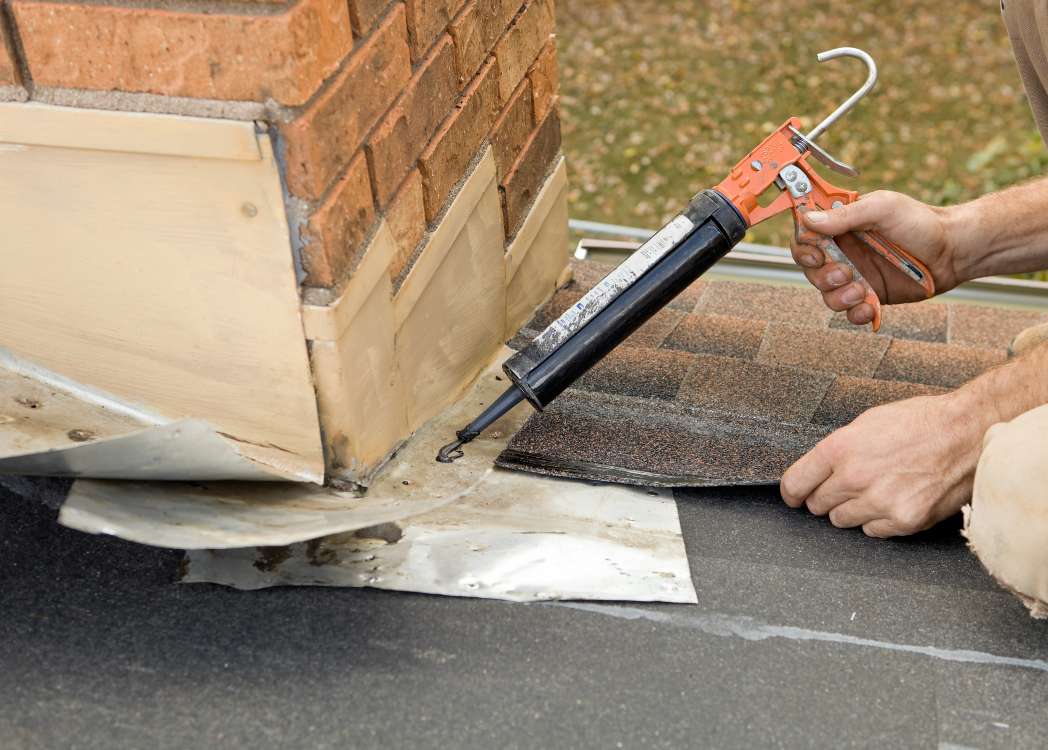
Flashing is one of the most important protective elements, and it’s also one of the least visible. It’s installed behind or beneath exterior materials to direct water away from critical areas.
You won’t usually see flashing directly, but you may notice signs that it’s doing its job—or that something has shifted.
Areas where flashing is typically present include:
- Above windows and doors
- Along rooflines where they meet walls
- Around chimneys or vents
- Where decks attach to the home
If these areas begin to show signs of staining, moisture, or repeated wear, it can indicate that water isn’t being directed as effectively as it should be.
Because flashing works behind the surface, early signs tend to appear subtly on the materials around it.
Trim Ends and Horizontal Surfaces
Not all parts of the exterior shed water equally. Horizontal or exposed edges tend to hold moisture longer than vertical surfaces.
Trim ends, in particular, are vulnerable. These are the cut edges of boards where moisture can absorb more easily.
Over time, you may notice:
- Slight softening at the ends of boards
- Paint wearing faster in these areas
- Minor splitting or cracking
These changes often happen gradually, especially in areas that receive repeated exposure to rain.
Protecting these edges—through sealing, painting, or simple maintenance—helps prevent deeper deterioration.
Joints Between Materials
Where two different materials meet, there’s usually a joint that allows for movement. These joints are necessary, but they’re also natural points of vulnerability.
Common examples include:
- Siding meeting brick or stone
- Wood trim connecting to composite materials
- Different sections of siding meeting at corners
Because each material expands and contracts differently, these joints experience ongoing stress. Over time, that stress can create small gaps or shifts.
These areas benefit from occasional attention because they tend to change slowly and quietly.
The Bottom Edge of the Home
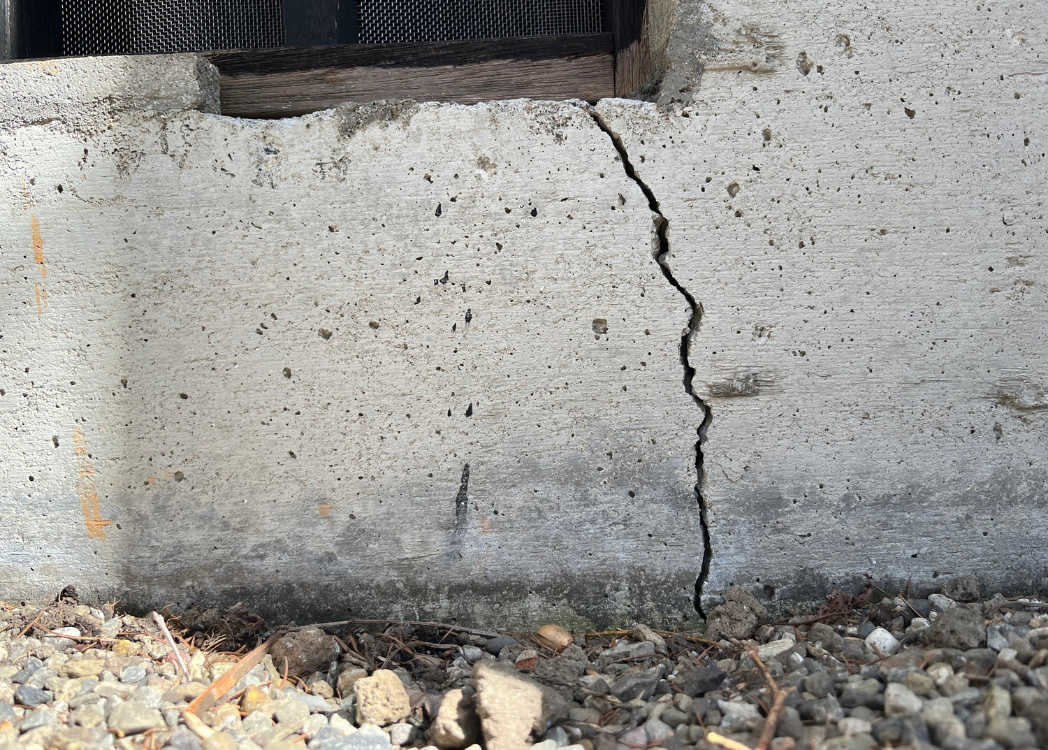
The area where the home meets the ground is another place where small details matter.
Here, you may find:
- Trim close to soil or mulch
- Slight gaps where materials meet the foundation
- Areas where water splashes back during rain
Because this part of the home is exposed to both moisture and debris, it often experiences wear differently than upper sections.
Even small changes—like soil building up slightly higher than before or mulch holding moisture against a surface—can affect how materials perform over time.
How Small Shifts Change Water Flow
One of the reasons these details matter so much is that water is highly responsive to small changes in direction.
A slight gap, a minor tilt, or a small buildup of debris can redirect water in ways that aren’t immediately obvious.
For example:
- A downspout that shifts slightly may begin directing water closer to the foundation
- A small gap at a joint can allow water to enter rather than run off
- Debris buildup can slow drainage just enough to increase moisture exposure
Individually, these changes are small. Over time, they influence how water interacts with the home.
What to Look For During a Quick Check
You don’t need a detailed inspection to keep an eye on these areas. A simple visual pass can reveal most early changes.
Focus on:
- Lines that look slightly separated or uneven
- Surfaces that appear darker or stay damp longer than others
- Edges where paint is wearing faster than expected
- Areas where materials don’t meet as cleanly as they once did
You’re not looking for damage—you’re looking for change.
Why These Details Are Easy to Miss
Because these elements are small and often consistent across the home, they tend to blend into the background. You see them every day, which makes gradual change harder to notice.
They also don’t usually fail all at once. Instead, they wear slowly, which makes them feel less urgent.
That combination—subtlety and gradual change—is what allows small issues to develop without much attention.
Supporting the Home Without Overcomplicating It
Maintaining these exterior details doesn’t require constant work. In most cases, it comes down to occasional awareness and small, timely adjustments.
That might mean:
- Resealing a joint that’s starting to separate
- Cleaning debris from areas where water flows
- Touching up surfaces that show early wear
These aren’t major projects, but they support how the home handles weather over time.
A Different Perspective on Protection
It’s easy to think of protection in terms of large systems—roofing, siding, structure. But a significant part of how a home performs comes down to these smaller connections and transitions.
They don’t draw attention when they’re working, but they play a consistent role in directing water, allowing for movement, and protecting underlying materials.
Paying attention to them occasionally helps keep those systems working together the way they’re intended to.