The “One-Hour” Home Check: What to Look at When You Don’t Have Time
A simple, high-impact walkthrough to help you spot changes and stay ahead of small issues.

Not every homeowner has the time—or the interest—to do a full top-to-bottom inspection of their home each season. Life gets busy. Projects pile up. And often, nothing feels urgent enough to justify a full day of checking things over.
But small issues don’t wait for a convenient time. They tend to develop quietly, and by the time they’re obvious, they’ve usually been there for a while. That’s where a simple, one-hour home check comes in.
This isn’t a deep inspection or a detailed maintenance plan. It’s a focused walkthrough designed to help you notice changes early—before they turn into something more involved. The goal is awareness, not perfection.
Why One Hour Is Enough
You don’t need to check everything to stay ahead of most problems. A handful of high-impact areas tend to reveal the majority of early warning signs.
In most homes, issues show up first in:
- Entry points (doors and windows)
- Moisture-prone areas (kitchens, bathrooms)
- Exterior edges (trim, siding, ground contact)
- High-use zones (stairs, railings, walkways)
Spending a few minutes in each of these areas gives you a reliable snapshot of how your home is holding up.
Start With a Slow Exterior Walkaround (15 Minutes)
Begin outside. This sets context for everything you’ll see inside. Walk the perimeter of your home at a steady pace. You’re not measuring or fixing—just observing.
Look for:
- Changes in soil level near the foundation
- Areas where water may be collecting
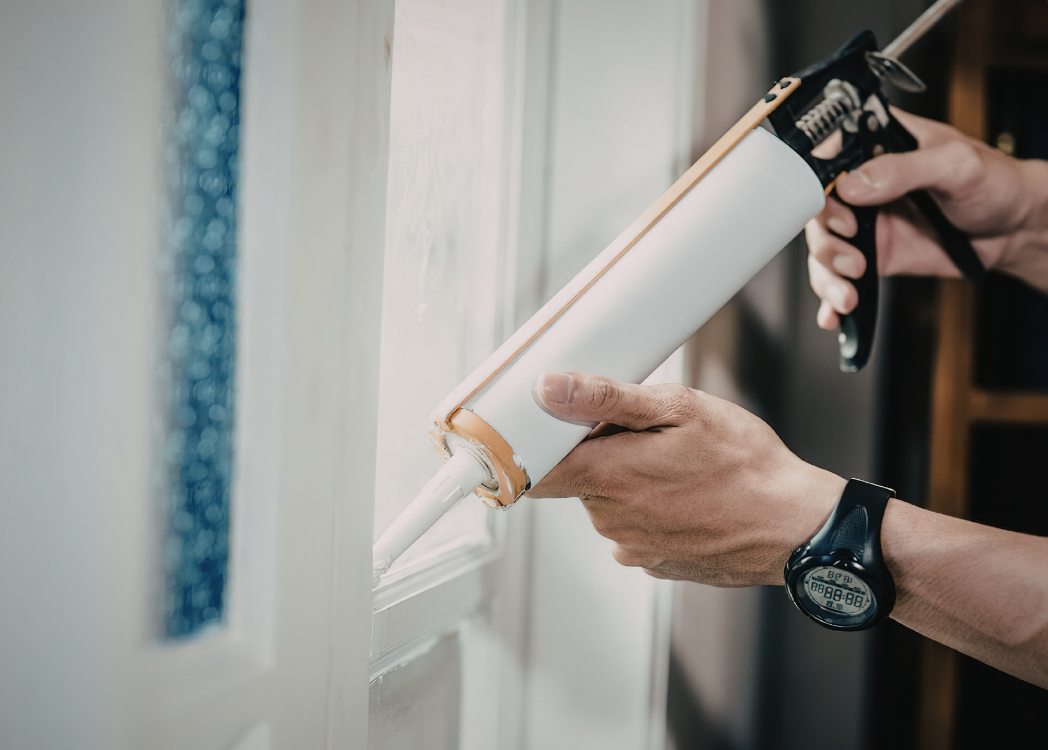
- Gaps or cracking in exterior caulking
- Trim boards that look slightly separated
- Siding that appears loose or misaligned
You don’t need to inspect every inch. Instead, scan for anything that feels different—something you don’t remember noticing before.
If you’ve had heavy weather recently, pay extra attention to corners, downspout areas, and places where water flows.
Check Entry Points (10 Minutes)
Doors and windows tend to reflect subtle movement before anything else does. Open and close your main exterior doors and a few commonly used windows.
Notice:
- Does anything stick or rub?
- Do latches line up cleanly?
- Are there visible gaps around the frame?
- Do locks engage smoothly?
Even small alignment changes can signal seasonal movement or shifting conditions.
This is also a good moment to glance at weatherstripping. If it looks compressed, cracked, or uneven, it may not be sealing as well as it should.

Kitchen and Bathroom Quick Scan (10 Minutes)
These areas see the most consistent moisture, which makes them important to check regularly.
In the kitchen:
- Look under the sink for any dampness or staining
- Check around the faucet base for slow leaks
- Notice if cabinet bottoms feel solid
In the bathroom:
- Check caulking lines around tubs and sinks
- Look for peeling paint or soft spots near moisture
- Run the exhaust fan briefly to confirm it’s working
You’re not testing systems in depth—just confirming that nothing obvious has changed.
Interior Walkthrough (10–15 Minutes)
Move through the main living areas of your home. This part is more about awareness than detail.
As you walk, notice:
- Any new or growing cracks in walls or ceilings
- Baseboards pulling slightly away from walls
- Floors that feel uneven or different underfoot
- Doors that don’t sit quite the same in their frames
Spring and seasonal transitions often make these changes more visible, especially with increased natural light.
Try to avoid overanalyzing. Most small changes are normal—what matters is noticing patterns over time.
Stairs, Railings, and High-Traffic Areas (5 Minutes)
These areas are easy to overlook because they’re used constantly.
Lightly test:
- Stair stability (any movement or creaking beyond the usual)
- Railing firmness
- Entryway flooring or transitions
- Frequently used handles or hardware
Anything that feels loose, even slightly, tends to loosen further with continued use.
Catching it early usually means a simple fix rather than a larger repair later.
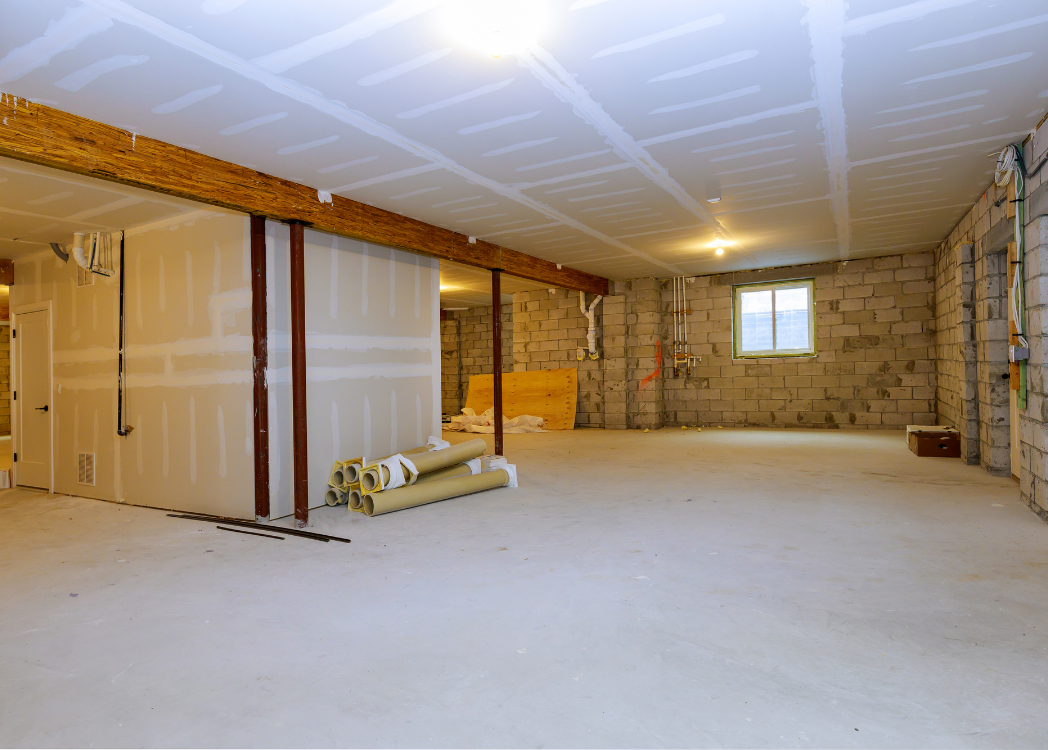
A Quick Look at the Basement or Lower Level (5–10 Minutes)
If your home has a basement or lower level, spend a few minutes there as well.
You’re looking for:
- Changes in smell (musty or damp air)
- Condensation on walls or pipes
- Small areas of staining
- Shifts in stored items due to moisture
Basements often reveal moisture-related changes earlier than upper levels.
Even if everything appears dry, noting the overall feel of the space helps establish a baseline.
What to Write Down (and What to Ignore)
You don’t need a complicated system to track what you find.
A simple note in your phone or a short list works well:
- “Small crack above hallway door”
- “Back door sticking slightly”
- “Caulking behind sink starting to separate”
Keep it brief. The goal is to capture observations, not create a full report.
At the same time, try not to react to every small imperfection. Homes naturally develop minor cosmetic changes. Focus on anything that appears new, expanding, or different.
Patterns Matter More Than Single Observations
A single crack or a slightly sticking door doesn’t tell you much on its own. But patterns do.
If you notice the same issue:
- Returning in the same spot
- Gradually becoming more noticeable
- Appearing in multiple areas
that’s when it becomes worth paying closer attention.
The one-hour check is less about solving problems immediately and more about building awareness over time.
When to Act vs. When to Watch
After your walkthrough, you’ll likely have a short list of observations.
Some items may be worth addressing soon, especially if they involve:
- Active moisture
- Loose structural elements (railings, steps)
- Gaps that could allow water in
Others can simply be monitored.
A helpful rule:
- If it affects safety or water → act sooner
- If it’s cosmetic or stable → keep an eye on it
This keeps the process from becoming overwhelming.
Why This Works Better Than Waiting
Most larger home issues don’t appear suddenly. They build gradually.
The challenge is that gradual changes are easy to miss in day-to-day life. You see your home every day, so small shifts don’t stand out.
A structured, once-a-month or once-a-season one-hour check creates contrast. It gives you a moment to step back and see your home more objectively.
That alone often makes the difference.
Keeping It Consistent
You don’t need to do this perfectly—or even on a strict schedule.
Even doing a one-hour check:
- A few times a year
- After major weather changes
- Before starting new projects
can provide valuable insight.
Over time, you’ll start to recognize what’s typical for your home and what isn’t.
A home doesn’t need constant attention, but it does benefit from occasional awareness. An hour is usually enough to catch the early signs—the small shifts, subtle changes, and quiet indicators that something may need attention later.
And in most cases, noticing those changes early is what keeps them small.