Understanding Soil, Grading, and Foundation Movement After Winter
How melting snow, shifting ground, and spring rain influence the way your home settles each year.
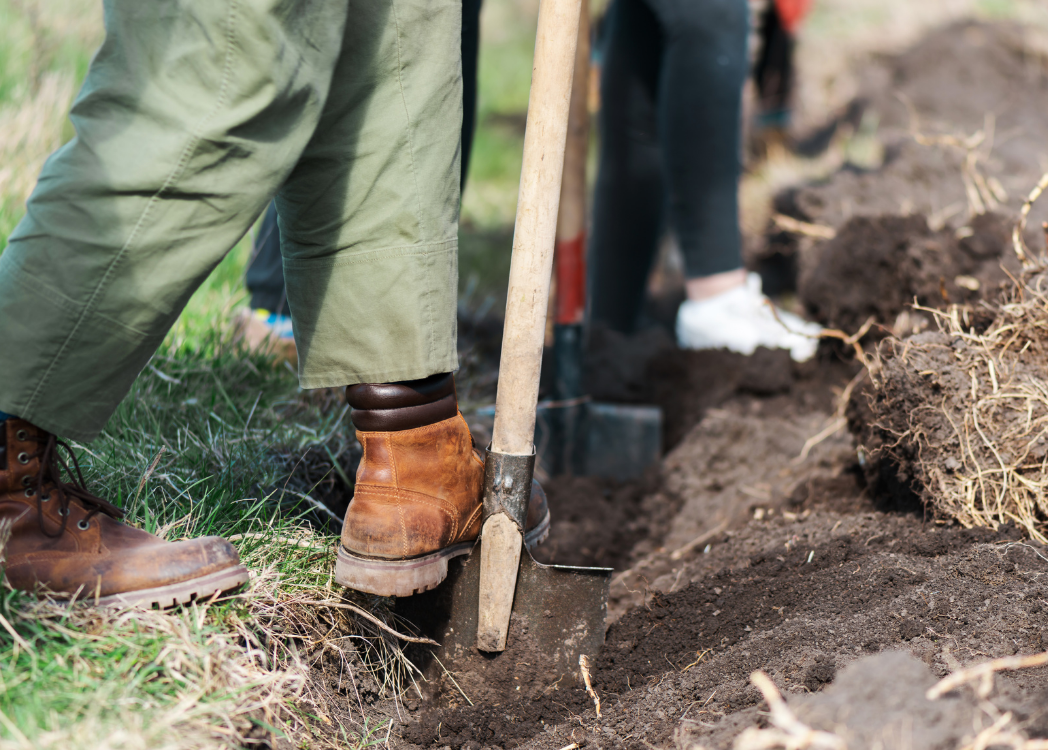
When winter fades and the ground begins to thaw, most homeowners notice visible seasonal changes—longer days, melting snow, budding trees. What’s less visible, but just as important, is what’s happening beneath the surface.
Soil holds moisture. It expands when frozen, contracts when dry, and shifts as temperatures fluctuate. All of that movement directly affects your home’s foundation. Spring is when these shifts become noticeable.
A small crack appears in drywall. A door sticks slightly. A patio edge looks uneven. It’s natural to wonder whether something serious is happening. In many cases, what you’re seeing is seasonal ground adjustment.
Understanding how soil and grading interact with your foundation can make those changes easier to interpret.
The Ground Beneath Your Home Is Not Static
Homes rest on soil, and soil is constantly moving.
During winter:
- Water in the ground freezes and expands
- Frozen soil lifts slightly (a process called frost heave)
- Surface moisture becomes trapped beneath snow cover
When temperatures rise:
- Ice melts
- Soil contracts
- Water redistributes through the ground
This transition from frozen to thawed ground can create small shifts in elevation around the foundation. Even slight movement can translate into subtle structural changes above.
The key is recognizing that some seasonal adjustment is expected.
What Frost Heave Actually Does
Frost heave occurs when moisture in soil freezes and expands. This expansion can lift sections of soil unevenly, particularly in areas with higher clay content.
Clay-heavy soils are especially reactive because they retain more water. When frozen, they swell. When dried out, they shrink.
As spring arrives and frost leaves the ground:
- Lifted areas settle back down
- Pressure against foundation walls changes
- Concrete slabs may shift slightly
This settling phase can produce hairline cracks or small changes in alignment.
Why Spring Rain Adds Pressure
Spring often brings increased rainfall. As soil thaws, it becomes saturated more easily.
Saturated soil exerts more pressure against foundation walls than dry soil. This pressure is usually manageable, but it can contribute to:
- Minor wall bowing
- Surface-level cracking
- Increased basement humidity
Proper grading and drainage reduce this pressure significantly.

Understanding Grading Around the Home
Grading refers to how the soil slopes around your foundation. Ideally, the ground should slope away from the home so water drains outward rather than collecting at the base.
Over time, grading changes.
- Soil settles
- Mulch shifts
- Landscaping compresses the ground
- Erosion removes top layers
After winter, you may notice low spots near the foundation that were not visible the year before.
Even small depressions can collect water during spring storms, increasing moisture exposure at foundation walls.
Signs Grading May Need Attention
During a spring walkthrough, look for:
- Water pooling near the home after rain
- Soil that appears lower than last season
- Exposed foundation edges
- Mulch piled too high against siding
None of these necessarily indicate structural problems, but they suggest that water movement patterns have changed.
Small grading adjustments can prevent larger concerns from developing over time.
Hairline Foundation Cracks: When They’re Normal
Concrete expands and contracts with temperature. Minor hairline cracks are common in foundation walls and slabs, especially after seasonal shifts.
Cracks that are:
- Thin (less than 1/8 inch)
- Stable in size
- Not accompanied by displacement
are often related to shrinkage or normal settlement.
What matters more than the presence of a crack is whether it changes over time. Spring is a good time to measure and document crack width for future comparison.
Interior Signs of Seasonal Ground Movement
Soil movement doesn’t always show up directly on foundation walls. Often, it appears inside first.
Common interior indicators include:
- Small drywall cracks near door frames
- Doors that rub at the top corner
- Baseboards separating slightly from walls
- Minor tile grout cracking
These changes often reflect subtle shifts in foundation elevation as soil settles after thawing.
When these signs stabilize later in the season, they typically indicate normal movement rather than ongoing structural failure.
Basements and Moisture Awareness
Basements tend to reveal grading and soil issues quickly.
During spring, notice:
- Damp spots along foundation walls
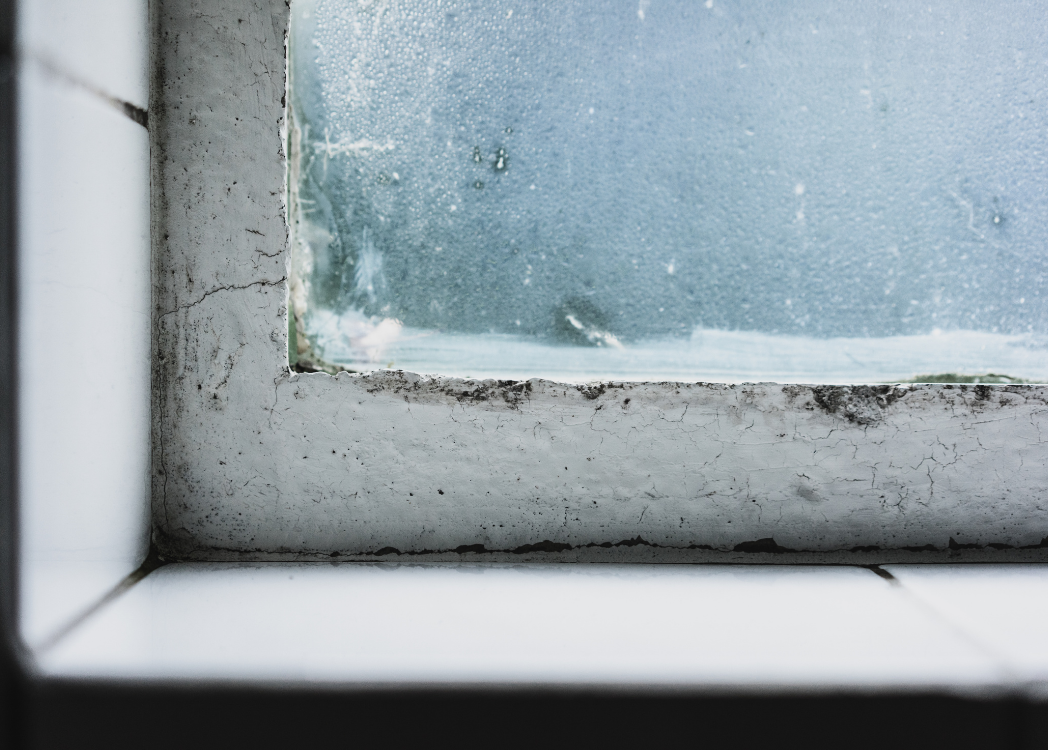
- Condensation on cool surfaces
- Musty odors
- Efflorescence (white mineral residue) on concrete
Some moisture increase during thaw is common, especially in older homes. However, persistent wet areas or visible water entry deserve closer evaluation.
Good exterior grading and functional drainage systems significantly reduce interior moisture.
Walkways, Driveways, and Hardscapes
Concrete and paver surfaces are also affected by soil movement.
After winter, you may observe:
- Slight lifting at slab edges
- Minor separation between driveway and foundation
- Uneven pavers
These shifts occur as soil expands and contracts beneath them.
When movement is small and consistent, it’s often part of seasonal adjustment. Rapid widening or severe displacement, however, may indicate more significant soil instability.
The Role of Downspouts and Water Direction
Downspouts play a critical role in foundation protection. If water discharges too close to the home, soil saturation increases dramatically.
During spring storms, observe where downspout water travels.
Ideally, water should:
- Flow several feet away from the foundation
- Avoid pooling near structural supports
- Not erode soil at the base
Extending downspouts or adjusting splash blocks can redirect water effectively.
Clay Soil vs. Sandy Soil
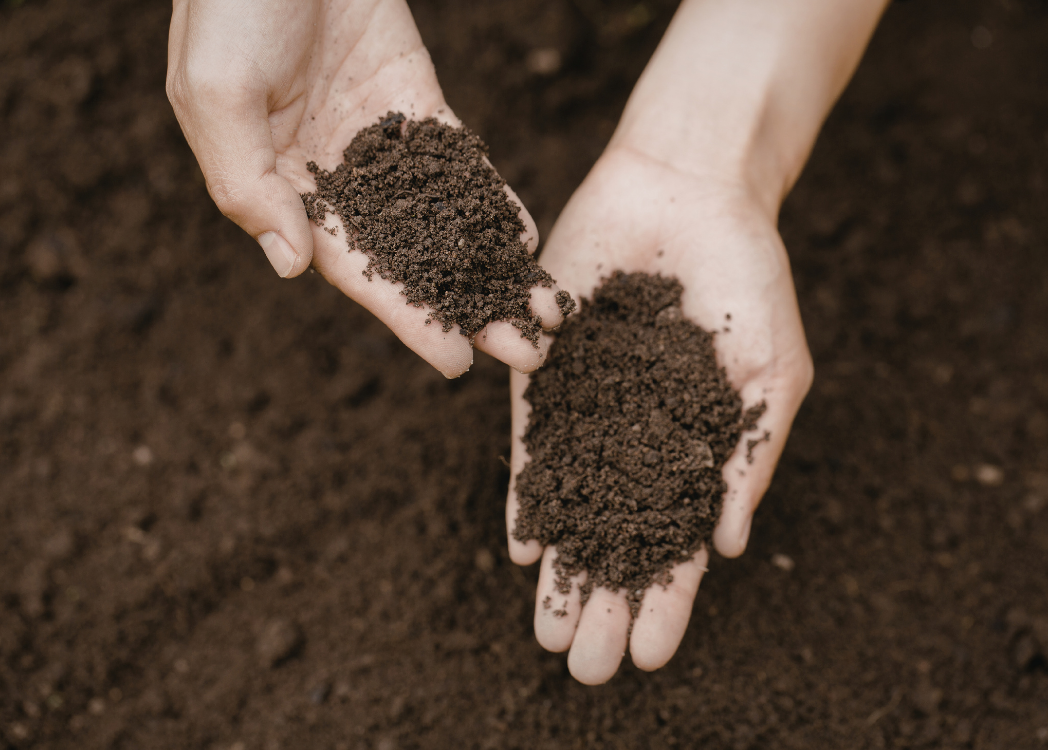
Soil type influences how much seasonal movement occurs.
Clay soils:
- Expand significantly when wet
- Shrink during dry periods
- Cause more noticeable foundation shifts
Sandy soils:
- Drain more quickly
- Experience less expansion
- Tend to be more stable overall
Understanding your soil type helps set expectations for seasonal change.
Monitoring vs. Reacting
The most productive response to spring foundation movement is careful monitoring rather than immediate correction.
Create a simple record:
- Photograph cracks
- Measure width if visible
- Note date and location
- Recheck in late summer
If cracks remain stable, they are likely seasonal. If they grow consistently, further evaluation may be warranted.
This approach replaces anxiety with observation.
Why Spring Is a Reset Point
Spring marks the transition from contraction to expansion. The ground is adjusting. Moisture patterns are shifting. Pressure levels around the foundation are changing.
By early summer, soil typically stabilizes. That makes spring an ideal time to:
- Identify drainage improvements
- Correct minor grading issues
- Address small cracks before they widen
Seasonal movement is part of how homes interact with their environment. The goal isn’t to eliminate it entirely—but to ensure water flows properly and soil pressure remains manageable.
When grading is thoughtful and drainage is effective, foundations tolerate seasonal shifts remarkably well.
Understanding what’s happening beneath your feet each spring makes visible changes above feel far less mysterious—and far less alarming.