Making Your Home Feel “Finished” Without Renovating
How small adjustments and details can make a space feel more complete without major work.
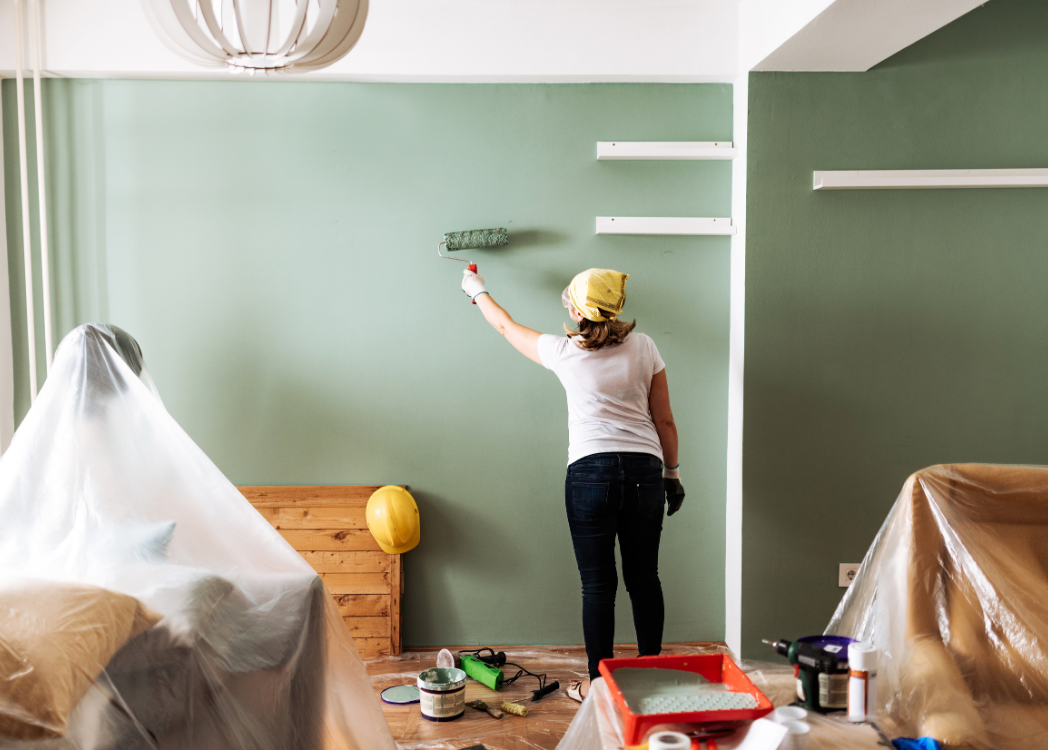
There’s a certain feeling that some homes have that’s hard to define but easy to recognize. Everything seems to sit the way it should. Doors close cleanly. Trim lines feel intentional. Nothing stands out as unfinished or slightly off.
What’s interesting is that this feeling doesn’t always come from large renovations. In many cases, it comes from smaller details that have been adjusted, aligned, or simply brought back into consistency over time.
On the other hand, a home can have updated finishes, new fixtures, and fresh paint—and still feel incomplete. Usually, that feeling comes down to small inconsistencies rather than major deficiencies.
Making a home feel “finished” isn’t about changing everything. It’s about reducing the number of things that feel slightly unresolved.
Where the “Unfinished” Feeling Comes From
Most homes don’t have one obvious issue that makes them feel incomplete. Instead, it’s the accumulation of small things that haven’t quite been addressed.
You might notice:
- A door that doesn’t fully latch unless pushed
- Slight gaps along trim or baseboards
- Hardware that doesn’t match from room to room
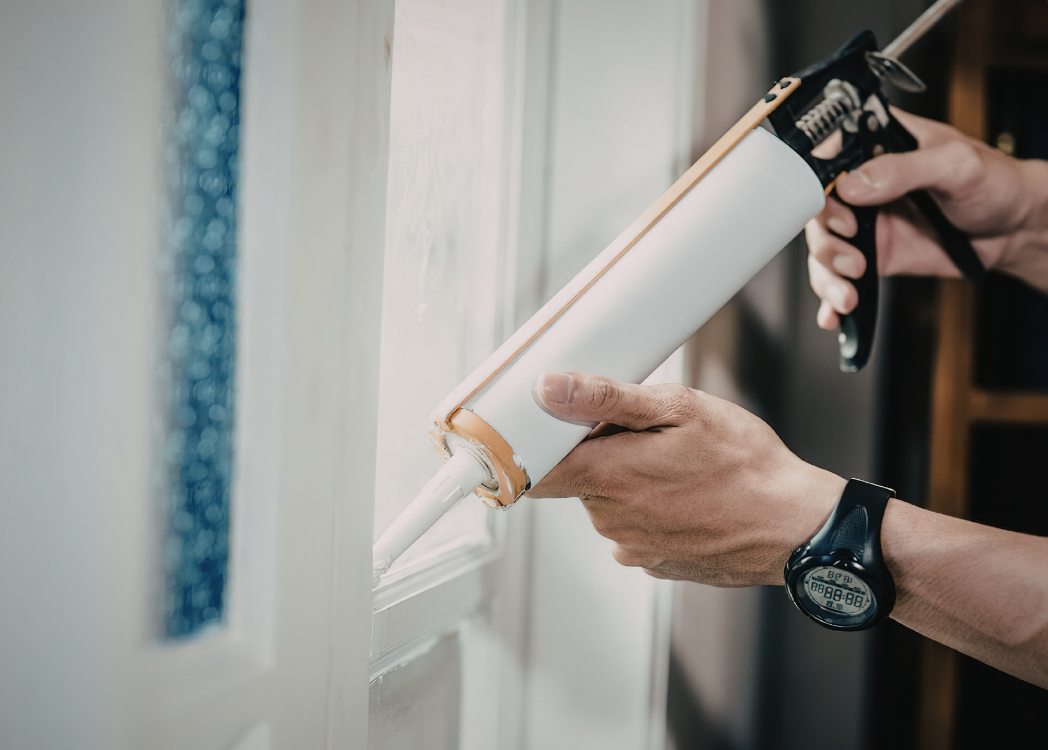
- Caulking lines that look uneven or aged
- Fixtures that sit slightly out of alignment
None of these are major problems. In isolation, they’re easy to ignore. But when several of them exist throughout a home, they create a subtle sense that things aren’t quite settled.
That’s usually what people are reacting to—not a lack of upgrades, but a lack of consistency.
Alignment Makes a Bigger Difference Than Most People Expect
One of the fastest ways to change how a space feels is to address alignment.
Humans are surprisingly sensitive to lines that are just slightly off. A cabinet door that hangs a bit unevenly, a light fixture that isn’t centered, or trim that doesn’t meet cleanly at a corner can draw attention even if you’re not consciously focusing on it.
A few areas where alignment tends to matter most:
- Cabinet doors and drawer fronts
- Interior doors and their frames
- Light fixtures over islands or tables
- Switch plates and outlet covers
- Trim corners and transitions
These aren’t major projects. In many cases, they involve small adjustments—tightening hinges, repositioning hardware, or re-seating fixtures. But the impact is noticeable because it removes visual friction.
Consistency Across Spaces
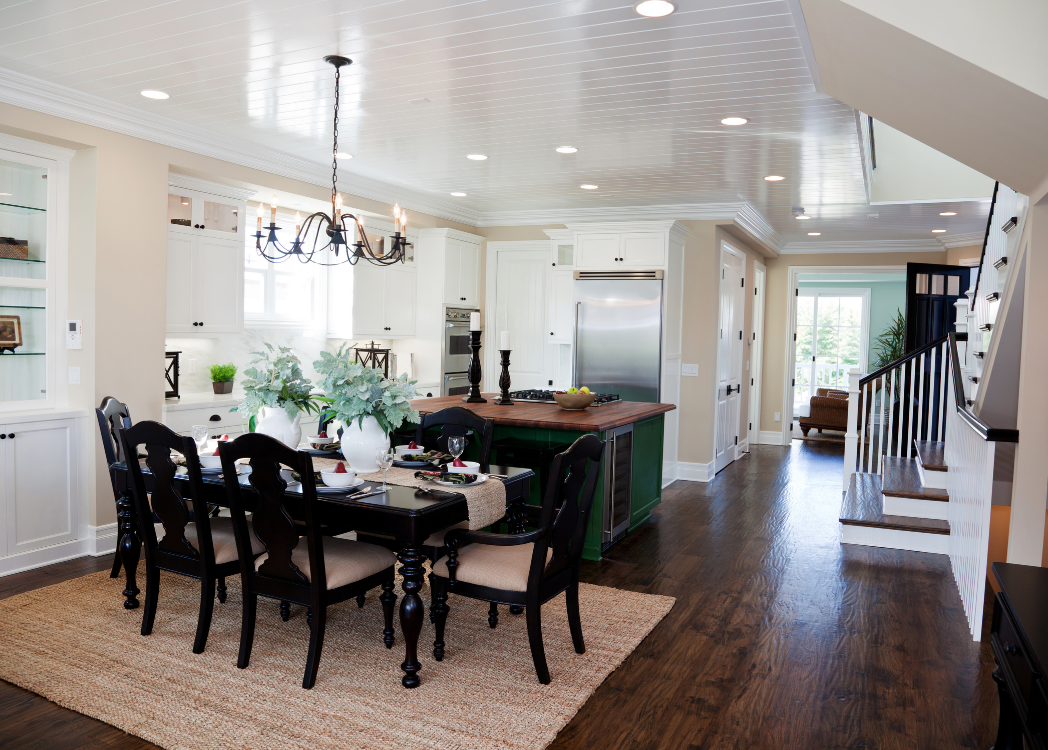
Another common source of that unfinished feeling is inconsistency.
Over time, homes often accumulate a mix of materials and styles. A handle gets replaced in one room but not another. A new light fixture goes in, but older ones remain nearby. Trim gets updated in one area while the rest of the house stays the same.
Individually, these changes are fine. Together, they can make the home feel less cohesive.
Consistency doesn’t mean everything needs to match perfectly. It means elements should feel related.
That might look like:
- Using similar finishes for hardware throughout the home
- Keeping a consistent style of switch plates or outlet covers
- Maintaining similar trim profiles in connected spaces
- Choosing lighting that feels like it belongs in the same environment
Bringing these elements into alignment visually often has more impact than introducing something entirely new.
The Role of Edges and Transitions
Where materials meet is where imperfections tend to show up most clearly.
Transitions—between walls and trim, floors and baseboards, countertops and backsplashes—are often where small gaps, uneven lines, or worn finishes become visible.
Over time, these areas can develop:
- Slight separation or cracking
- Discoloration from moisture or wear
- Rough or uneven caulking lines
Because these transitions occur throughout the home, even minor inconsistencies can add up.
Cleaning up these edges—reapplying caulk where needed, smoothing transitions, or simply bringing lines back into clarity—can make a space feel more intentional almost immediately.
Hardware That Feels Solid and Intentional
Hardware is something you interact with constantly, even if you don’t think about it.
A loose handle, a hinge that squeaks, or a drawer that doesn’t glide smoothly all contribute to how a space feels. These aren’t visual issues as much as they are experiential ones.
Small improvements here can have an outsized effect:
- Tightening loose knobs and pulls
- Adjusting hinges so doors sit properly
- Ensuring drawers open and close smoothly
- Replacing worn or mismatched hardware where needed
When everything feels solid and predictable, the home feels more complete—even if nothing major has changed.
Light and How It Interacts With the Space
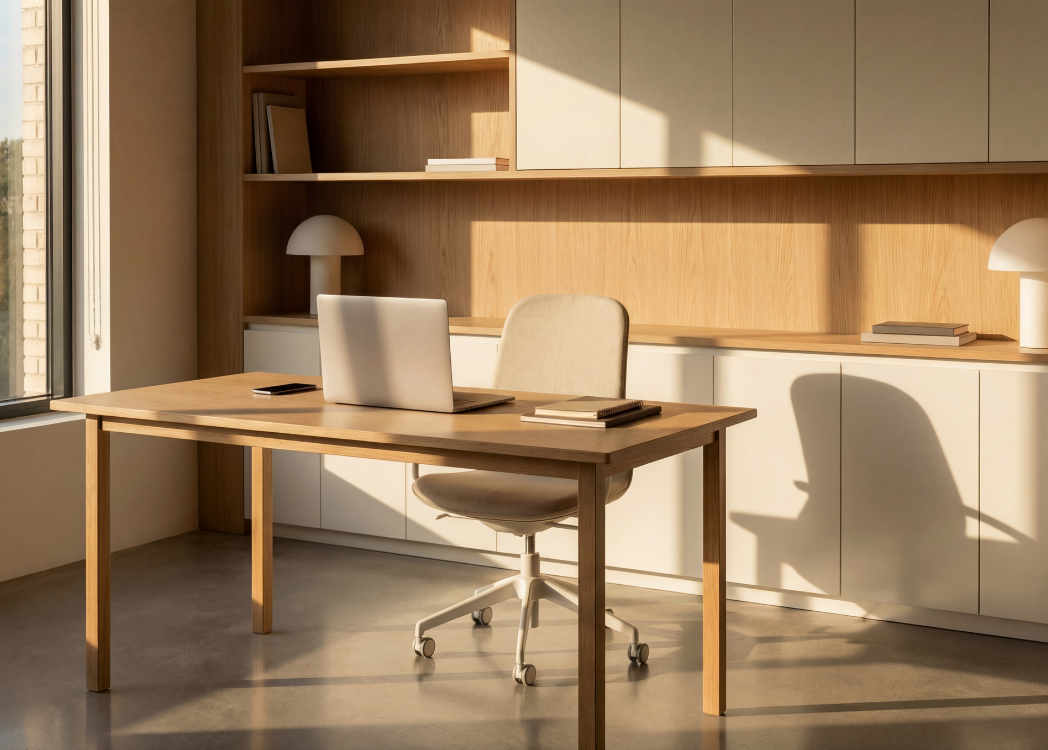
Lighting plays a role in how finished a home feels, but not just in terms of brightness. It’s more about consistency and placement.
Rooms can feel slightly off when:
- Bulb colors vary noticeably from fixture to fixture
- Lighting is uneven or creates harsh shadows
- Fixtures feel disconnected from the space around them
A few small adjustments can bring things together:
- Using consistent bulb temperatures within a space
- Adding a secondary light source where needed
- Ensuring fixtures are centered and properly scaled
These changes don’t require new installations in most cases—they’re often about refining what’s already there.
Surfaces That Reflect Care
Walls, trim, and flooring naturally show signs of use over time. Small scuffs, minor dents, and worn areas are part of living in a space.
But when these marks accumulate without being addressed, they start to affect how the home feels overall.
A focused refresh—rather than a full repaint—can go a long way:
- Touching up high-traffic areas
- Cleaning baseboards and trim thoroughly
- Addressing small areas of chipped or worn paint
These aren’t major updates, but they signal that the space is maintained, which contributes to that “finished” feeling.
The Impact of Doors and Movement
Doors are one of the most frequently used elements in a home, and they’re also one of the most noticeable when something feels off.
A door that doesn’t close cleanly, swings on its own, or requires extra effort to latch creates a small but repeated interruption.
Adjusting doors so they:
- Sit squarely in their frames
- Close smoothly without resistance
- Latch without force
can quietly improve how multiple spaces feel at once.
Small Exterior Details Matter Too
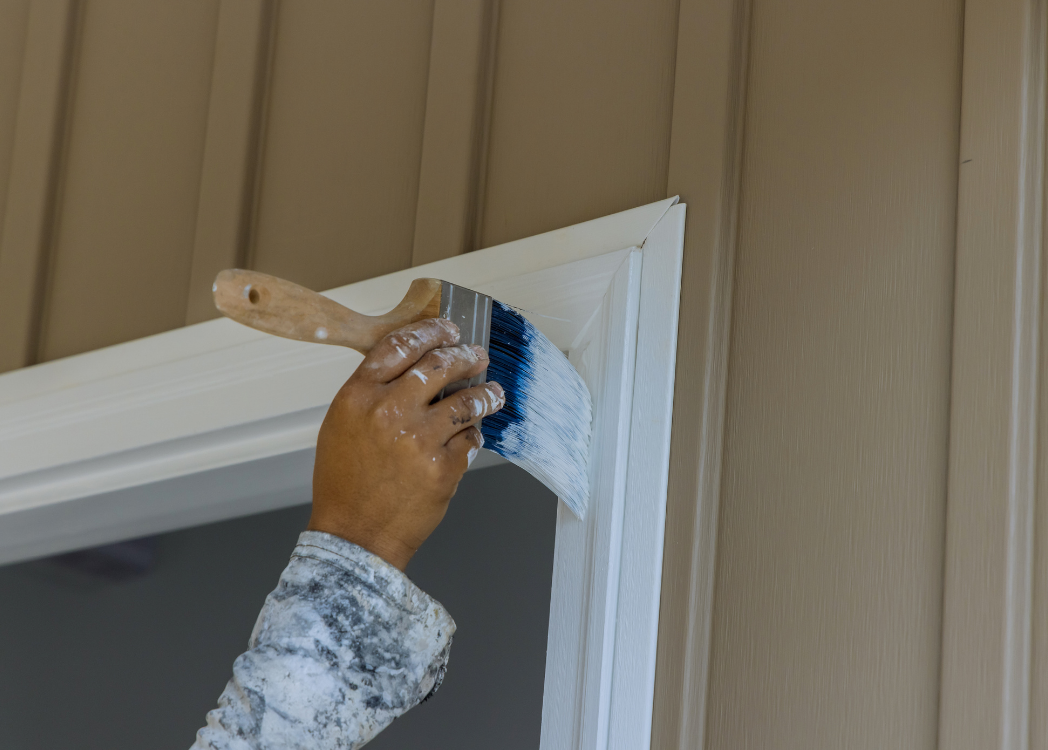
Even though this idea is often thought of in terms of interior spaces, the exterior contributes just as much to the overall sense of completion.
Things like:
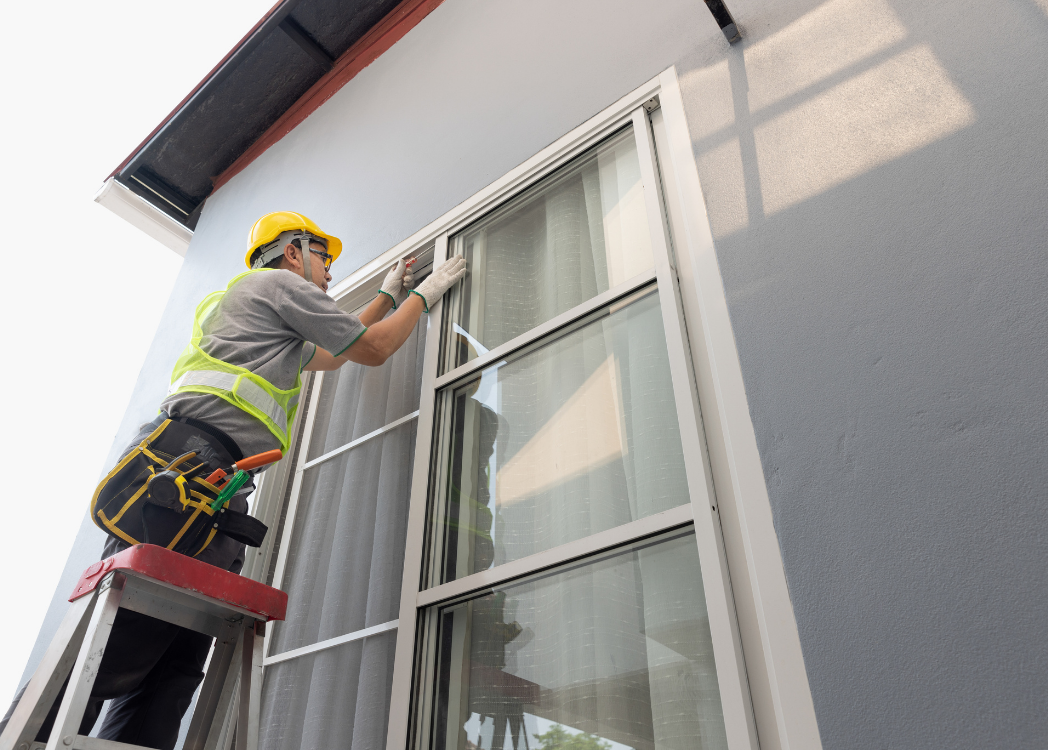
- Trim that needs repainting or resealing
- Slightly uneven steps or railings
- Gaps where materials meet
may not stand out individually, but together they influence how the home is perceived before you even walk inside.
Addressing a few of these details can make the entire property feel more cohesive.
Why This Approach Works
Large renovations change how a home looks. Small adjustments change how it feels.
The “finished” feeling comes from reducing friction—visual, physical, and functional. When things align, operate smoothly, and relate to each other consistently, the space feels settled.
What makes this approach effective is that it doesn’t rely on major changes. It focuses on the details that already exist and brings them into better alignment.
A Different Way to Look at Improvement
Instead of asking “what should I upgrade next,” it can be helpful to ask:
- What feels slightly off when I use this space?
- Where do I notice small inconsistencies?
- What draws my attention in a way that feels unintentional?
Those answers usually point to areas where small adjustments will have the most impact.
A home doesn’t need to be newly renovated to feel complete. More often, it just needs a bit of attention in the places where details have drifted over time.
When those details are brought back into alignment—visually and functionally—the entire space starts to feel more settled, even though very little has actually changed.