How Seasonal Temperature Swings Affect Your Home’s Structure
Why cracks, shifting doors, and trim separation appear after winter—and what is typically normal.

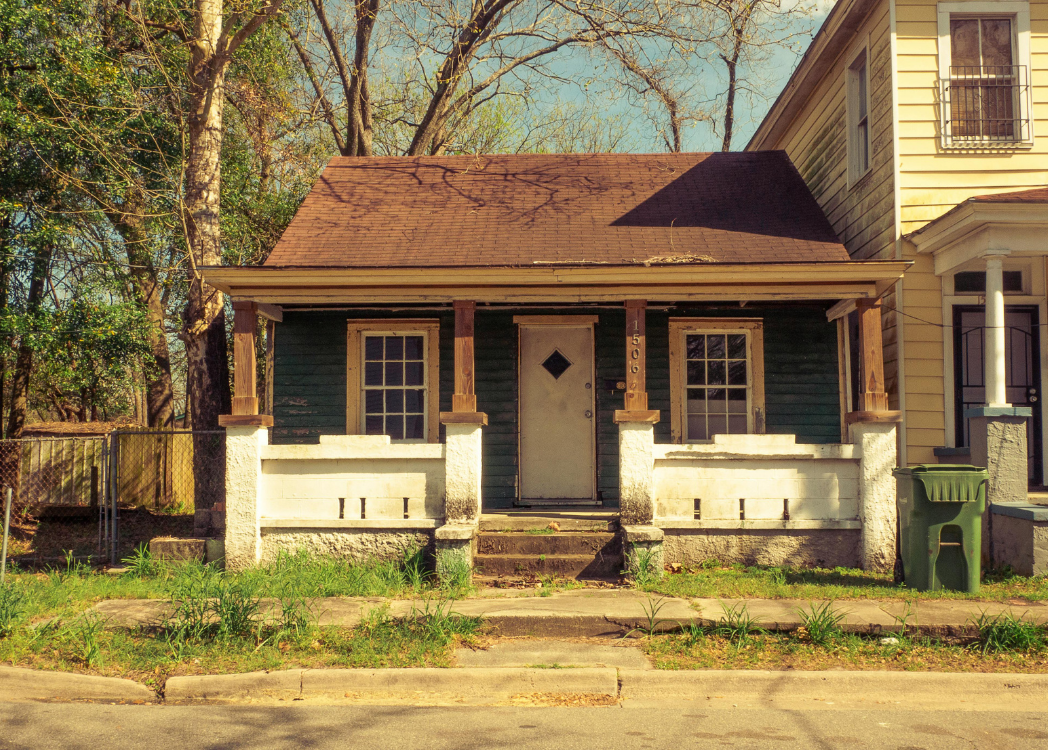
Many homeowners notice changes in their home as seasons shift. A small crack appears above a doorway. A door that once closed easily begins to rub against its frame. Baseboards pull slightly away from the wall. These changes often become most visible in early spring, just after winter loosens its grip.
While these signs can be unsettling, they are frequently the result of normal seasonal movement. Homes are not static structures. They expand, contract, settle, and adjust continuously in response to temperature and moisture changes.
Understanding how seasonal temperature swings affect structural materials helps homeowners distinguish between routine movement and potential concerns.
Homes Expand and Contract More Than We Realize
Every building material responds to temperature. Wood expands when warm and contracts when cold. Metal fasteners tighten and loosen. Concrete shifts subtly as ground temperatures fluctuate.
During winter, prolonged cold causes materials to contract. As temperatures rise in spring, expansion begins again. This repeated cycle—year after year—creates gradual movement that becomes visible in small ways.
The key is recognizing that movement alone does not necessarily indicate structural failure. It is often a normal response to environmental conditions.
The Freeze–Thaw Cycle and Its Impact
In colder climates, the freeze–thaw cycle plays a significant role in structural changes.
When moisture in soil freezes, it expands. As it thaws, the soil settles again. This expansion and contraction can cause:
- Minor foundation shifting
- Changes in slab positioning
- Slight alterations in door and window alignment
The effect is usually subtle. However, after a winter with frequent temperature swings, the impact may feel more noticeable.
Spring often reveals this adjustment phase as soil moisture redistributes and ground pressure stabilizes.

Why Drywall Cracks Appear in Spring
Drywall cracks are among the most common seasonal observations.
These typically occur:
- At corners of doors and windows
- Along ceiling joints
- Where walls meet ceilings
Several factors contribute:
- Framing Movement – Wood framing expands and contracts with humidity and temperature changes.
- Seasonal Dryness – Winter heating systems lower indoor humidity, causing wood to shrink.
- Spring Re-Expansion – As humidity rises, materials expand again.
Small, hairline cracks are usually cosmetic. They often reappear in the same areas annually, especially in homes that experience significant seasonal variation.
Door and Window Shifts
Doors that stick in spring often worked perfectly during winter. This change typically relates to humidity and framing expansion.
Wood absorbs moisture as humidity rises. Even a small increase in moisture content can cause:
- Doors to swell slightly
- Frames to tighten
- Hinges to shift under pressure
If doors resume normal operation later in the season, the cause is likely environmental rather than structural.
However, doors that increasingly misalign year after year may warrant closer evaluation.
Trim Separation and Joint Gaps
Trim pieces—baseboards, crown molding, window casing—are especially prone to seasonal separation.
In winter:
- Heated indoor air becomes dry
- Wood contracts
- Small gaps may appear at joints
In spring:
- Humidity increases
- Gaps may close or shift position
Because trim is decorative rather than structural, small separations are common and often fluctuate with seasons.
Monitoring whether gaps grow larger over time helps determine if attention is needed.
Concrete and Masonry Movement
Concrete expands when heated and contracts when cooled. Repeated seasonal cycles can produce:
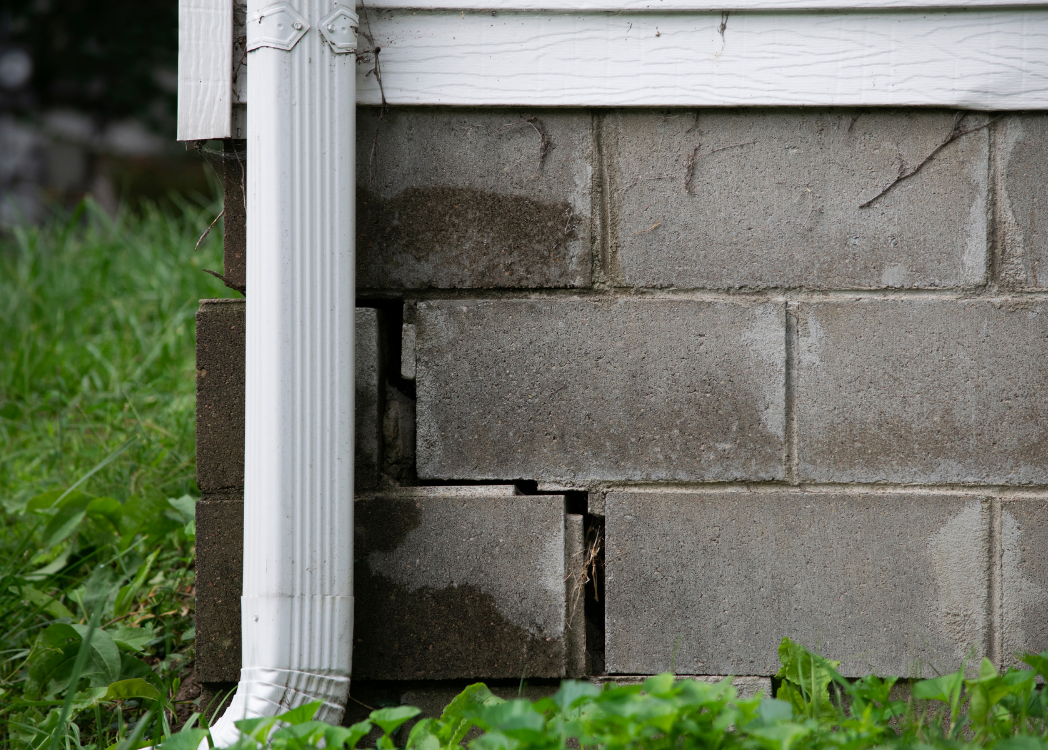
- Minor hairline cracks in foundation walls
- Small shifts in exterior slabs
- Surface-level cracking in walkways
Hairline cracks that remain stable in width are typically less concerning than cracks that widen significantly or show vertical displacement.
Spring is an ideal time to document crack size and location for future comparison.
Roof and Attic Impacts
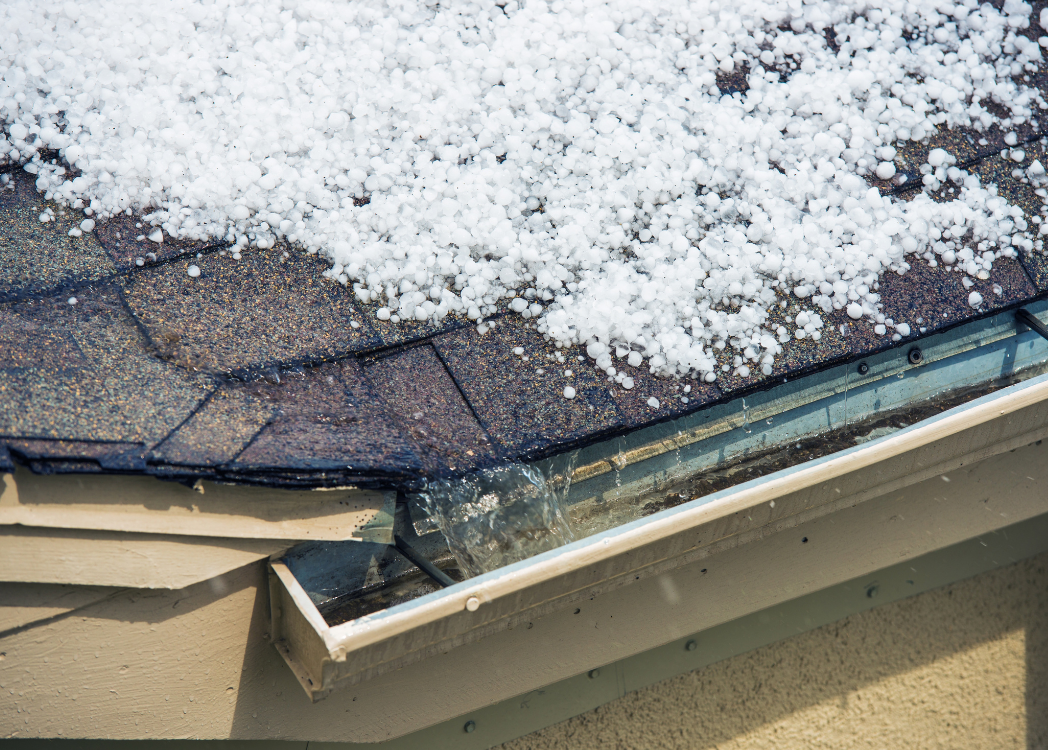
Temperature swings affect roofing materials as well. Shingles expand and contract daily during transitional seasons.
After winter, homeowners may notice:
- Slight lifting along shingle edges
- Sealant changes
- Minor flashing separation
These changes may resolve as materials warm consistently, but visible damage or persistent lifting should be evaluated.
Attic spaces also respond to temperature variation. Insulation may shift slightly due to airflow changes or condensation patterns during winter.
Indoor Humidity and Structural Response
Indoor air plays a major role in seasonal structural movement.
Winter heating reduces relative humidity, often dropping levels below what wood materials prefer. This drying causes contraction.
In spring:
- Windows open
- Outdoor air enters
- Indoor humidity increases
This shift leads to expansion in framing, trim, and flooring.
Maintaining moderate humidity levels year-round can reduce extreme seasonal movement, though some fluctuation is inevitable.
Flooring Changes Across Seasons
Hardwood flooring is particularly sensitive to humidity changes.
Common seasonal effects include:
- Small gaps between boards in winter
- Slight swelling in spring
- Minor cupping if moisture levels shift quickly
Gradual seasonal change is normal. Rapid or extreme shifts may signal moisture imbalance.
When Seasonal Movement Is Normal
In many homes, seasonal movement:
- Repeats in similar locations
- Stabilizes after temperature patterns normalize
- Does not significantly increase year to year
Small drywall cracks, slight trim gaps, and door adjustments often fall into this category.
Routine observation helps confirm whether patterns remain consistent.
Signs That Warrant Closer Attention
While most seasonal effects are harmless, certain changes should be monitored more carefully.
These include:
- Cracks wider than 1/4 inch
- Vertical displacement in foundation cracks
- Doors that progressively worsen each year
- Sudden, large structural shifts
- Persistent moisture staining
Significant or accelerating changes may indicate conditions beyond normal seasonal movement.
Why Spring Reveals More Than Other Seasons
Spring is transitional. Homes are moving from contraction to expansion. Soil moisture is redistributing. Humidity is rising.
This combination often makes structural movement more visible. Rather than reacting immediately to each small change, observing patterns over several weeks provides perspective.
Adopting a Measured Response
Seasonal structural movement is part of homeownership. The goal is not to eliminate it entirely—but to understand it.
A measured approach includes:
- Documenting new cracks
- Monitoring door and window performance
- Noting foundation changes
- Checking exterior sealants
Over time, familiarity with how your home behaves seasonally reduces uncertainty.
Long-Term Perspective
Homes built with wood framing, concrete foundations, and layered materials are designed with some tolerance for movement. Temperature and humidity fluctuations will continue year after year. Most homes settle into predictable seasonal rhythms. Understanding these rhythms allows homeowners to focus attention where it truly matters rather than responding to every minor shift.
Final Thoughts
Seasonal temperature swings affect every home. Cracks, shifting trim, and door alignment changes are often signs of natural material response rather than structural failure.
By observing carefully each spring and tracking patterns over time, homeowners gain clarity. Small seasonal adjustments become expected rather than alarming.
In many cases, awareness is more valuable than immediate correction.