Spring Reset: A Whole-Home Condition Walkthrough Guide
A practical, once-a-year review to help homeowners spot changes, track wear, and plan maintenance with clarity.
Spring has a way of revealing things that winter conceals. As snow melts, temperatures stabilize, and natural light increases, subtle changes in a home’s condition become easier to notice. Small cracks seem more visible. Doors behave differently. Exterior materials show signs of stress.
Rather than reacting to individual issues as they appear, spring offers an opportunity for something more structured: a full home condition walkthrough. This isn’t a renovation plan or a cosmetic refresh. It’s a practical, once-a-year evaluation designed to help homeowners observe, document, and understand how their home is aging and responding to seasonal change.
A thoughtful walkthrough provides context. It answers an important question: Is this new, or has it always been this way?
Why Spring Is the Ideal Time for a Whole-Home Review
Winter places stress on nearly every part of a house. Freeze–thaw cycles cause expansion and contraction. Snow and ice introduce moisture. Heating systems run continuously. Soil shifts as frost leaves the ground.
By early spring:
- Exterior surfaces are fully visible again
- Moisture patterns become clearer
- Interior humidity levels change
- Structural movement stabilizes
This makes spring an ideal time to assess condition before summer weather introduces its own variables.
Step One: Start Outside Before Going In
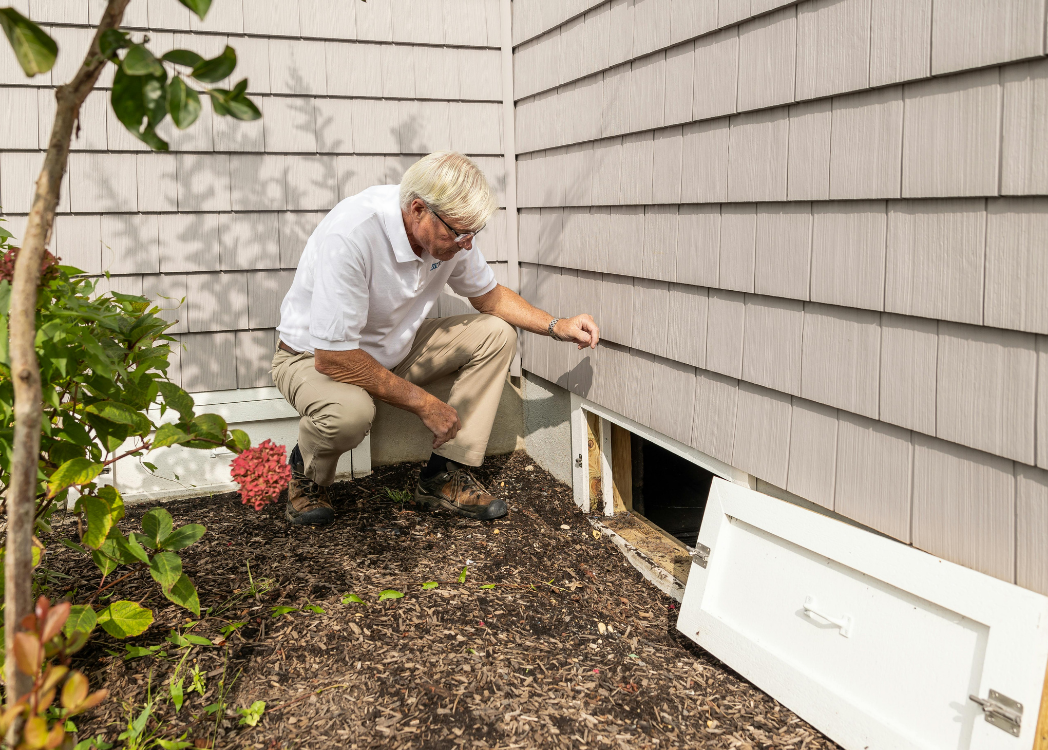
Exterior observations provide context for what you may notice indoors. Begin by slowly walking the perimeter of the home.
Look for:
- Changes in soil level near the foundation
- Areas where mulch has shifted toward siding
- Minor cracks in foundation surfaces
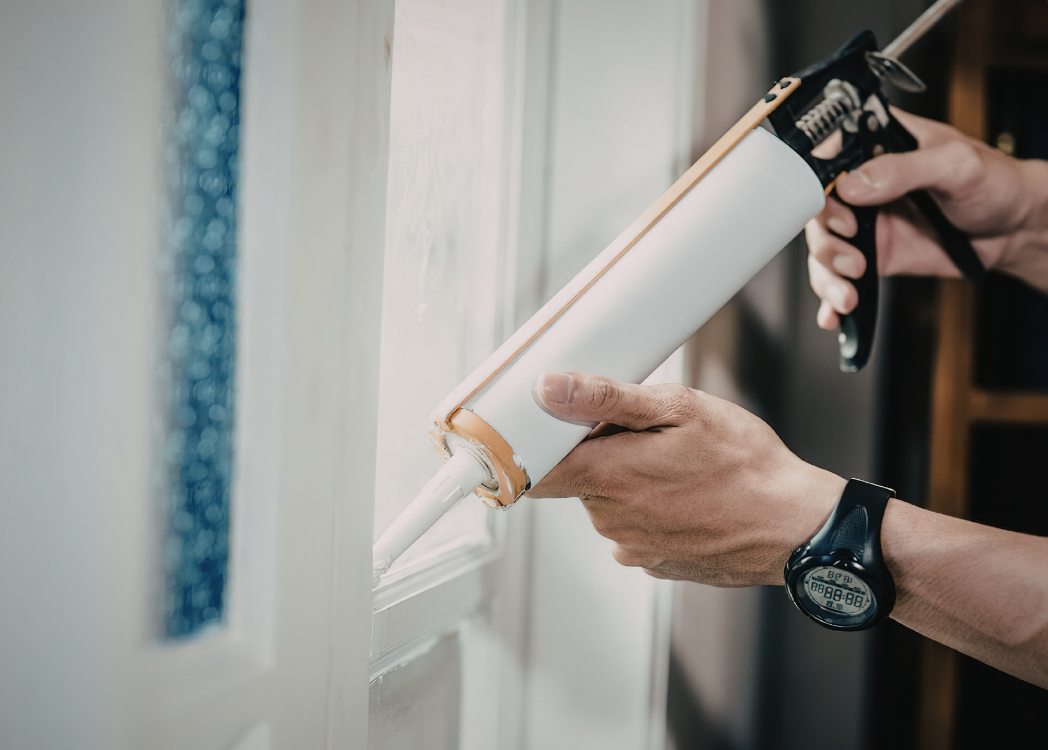
- Gaps in exterior caulking
- Siding panels that appear slightly loose
- Trim boards that show separation at joints
You are not diagnosing—only observing. The goal is to identify what looks different compared to last year.
Pay special attention to areas where snow accumulated heavily. Prolonged contact with moisture often leaves subtle marks on materials.
Step Two: Evaluate Drainage and Ground Conditions
As frost leaves the ground, soil settles. Water patterns may change.
Walk around the home after a rainfall if possible. Notice:
- Whether water pools near the foundation
- If downspouts are directing water away properly
- Whether splash blocks remain in position
- Signs of soil erosion near walkways
Small grading shifts are common, but documenting them helps prevent long-term moisture issues.
Step Three: Examine Entry Points and Trim
Doors and windows often reflect seasonal movement more than any other component.
Check for:
- Doors that rub or stick
- New gaps between trim and wall surfaces
- Cracks forming at window corners
- Separation between casing joints
These changes are frequently caused by expansion and contraction rather than structural failure. Still, noting them annually helps identify patterns.
Step Four: Interior Room-by-Room Review
Move indoors with a consistent method. Start at the lowest level and work upward.
In each room, observe:
- Ceiling corners for new cracks
- Baseboards for separation from walls
- Floor transitions for movement
- Signs of minor staining near plumbing fixtures
Spring lighting tends to be brighter and more directional, making subtle imperfections easier to spot.
Rather than correcting immediately, write observations down. A simple list categorized by room is sufficient.
Step Five: Kitchens and Bathrooms
High-moisture areas deserve additional attention.
Inspect:
- Caulking around sinks and tubs
- Grout lines for cracking
- Cabinet bases under sinks
- Vent fan performance
Turn on exhaust fans and confirm that airflow is noticeable. Inadequate ventilation may become more obvious as seasonal humidity rises.

Step Six: Mechanical Awareness Without Technical Inspection
A spring walkthrough does not replace professional servicing, but it does allow for general awareness.
Notice:
- Changes in heating or cooling noise
- Unusual vibrations
- Delayed thermostat response
- Airflow inconsistencies
Often, homeowners recognize subtle shifts before mechanical issues fully develop.
Step Seven: Attic and Upper-Level Observations
If accessible, briefly check attic or upper storage areas.
Look for:
- Signs of moisture staining
- Insulation displacement
- Light penetration through roofing
- Pest activity indicators
Spring thaw sometimes reveals minor roof-related concerns that were not visible in winter.
Step Eight: Walkways, Railings, and Hard Surfaces
Outdoor hardscapes respond strongly to freeze–thaw cycles.
Check:
- Shifting pavers
- Uneven stepping stones
- Loose stair railings
- Minor concrete cracks
Addressing movement early can prevent widening gaps later in the year.
Documenting Instead of Reacting
The most valuable part of a spring walkthrough is documentation.
Create a simple system:
- Date the walkthrough
- Note room or area
- Describe change briefly
- Rank as “monitor,” “repair soon,” or “cosmetic”
This creates continuity year to year. Over time, you will see patterns: the same hairline crack returning, or a door that needs seasonal adjustment.
Consistency builds confidence.

Understanding Normal Seasonal Movement
Homes move. Materials expand with heat, contract in cold, and respond to humidity. Minor drywall cracks, slight trim separation, and small door shifts are often normal.
What matters is change over time. A crack that widens significantly, staining that spreads, or movement that accelerates warrants closer evaluation.
Spring gives perspective because it follows the most stressful season of the year.
Using the Walkthrough to Plan the Year
After completing your review, step back and group your observations.
You may notice categories forming:
- Minor cosmetic touch-ups
- Moisture prevention tasks
- Hardware tightening
- Sealant renewal
- Monitoring structural movement
Instead of addressing everything at once, consider spreading tasks throughout the warmer months.
Spring is for observation and prevention. Summer often allows for execution.
Why This Habit Matters
Many homeowners only inspect their homes when something goes wrong. A structured annual walkthrough shifts the mindset from reactive to aware.
Benefits include:
- Earlier detection of moisture issues
- Better budgeting decisions
- Reduced emergency repairs
- Greater familiarity with how your home behaves seasonally
Over time, the home feels less unpredictable.
A Calm Approach to Ownership
A spring reset is not about finding flaws. It is about understanding condition. Every home shows wear. Materials age. Minor cracks appear. Fasteners loosen.
By observing calmly and consistently, homeowners replace uncertainty with clarity. Small notes made in April can prevent larger concerns in November.
Final Thoughts
Spring naturally invites cleaning and organizing. Extending that mindset to a structured home condition walkthrough brings similar clarity. Instead of focusing only on appearance, it emphasizes awareness.
A once-a-year review—methodical and unhurried—offers perspective that daily living rarely provides.
Homes respond to seasons. Paying attention once each spring ensures you respond just as thoughtfully.