Outdoor Living Spaces: Structural Checks Before Heavy Seasonal Use
A practical review of decks, patios, stairs, and railings before spring and summer activity ramps up.
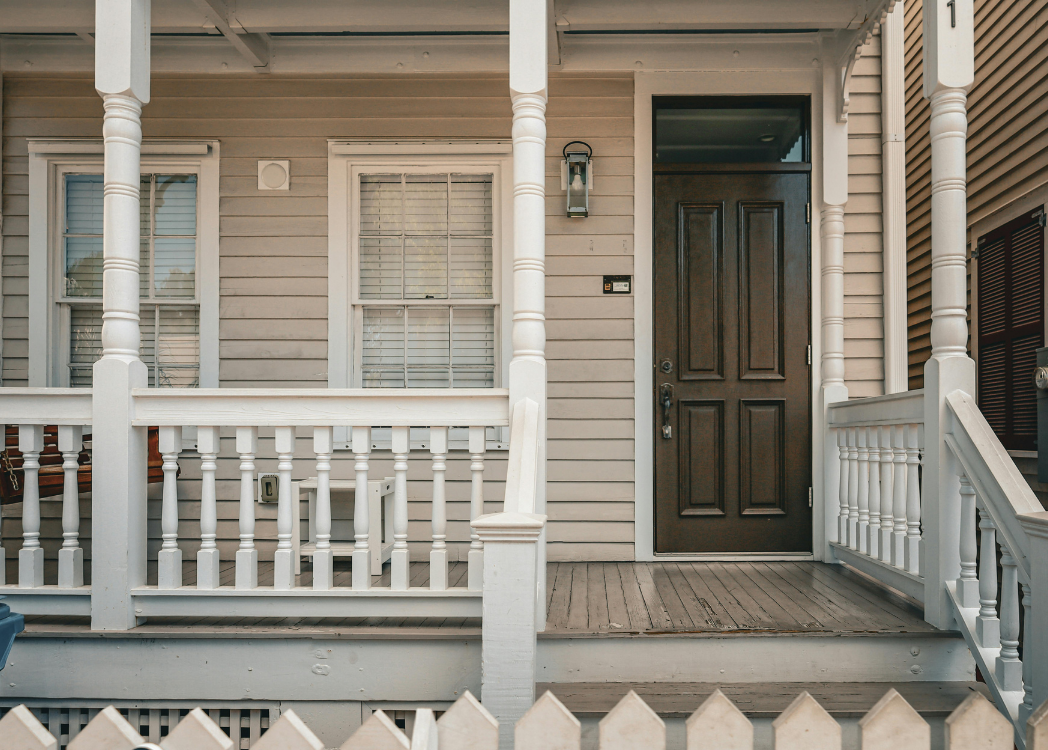
As temperatures rise, outdoor spaces quickly shift from decorative backdrops to daily living areas. Decks host gatherings. Patios become dining spaces. Railings, stairs, and fences suddenly see consistent use after months of sitting idle.
Winter, however, is rarely gentle on exterior structures. Moisture, freeze–thaw cycles, snow load, and temperature swings quietly stress materials for months at a time. By spring, subtle movement may have occurred—even if nothing looks obviously broken.
Before outdoor spaces return to regular use, a structured review helps ensure everything feels stable, secure, and ready for activity.
This isn’t about cosmetic improvements or refinishing surfaces. It’s about structural awareness.
Start With Movement, Not Appearance
When evaluating outdoor structures, focus first on how things feel—not how they look.
Walk slowly across a deck or patio and notice:
- Does anything shift slightly underfoot?
- Are there soft spots in boards?
- Do stairs feel fully solid with each step?
- Do railings move when lightly pushed?
Small amounts of seasonal expansion are common, but visible or felt movement may indicate loosened fasteners or subtle structural changes.
Deck Boards and Surface Stability
Deck boards expand and contract throughout the year. In colder climates, moisture from snow and ice often seeps between boards and around fasteners.
In spring, check for:
- Boards that have cupped or warped
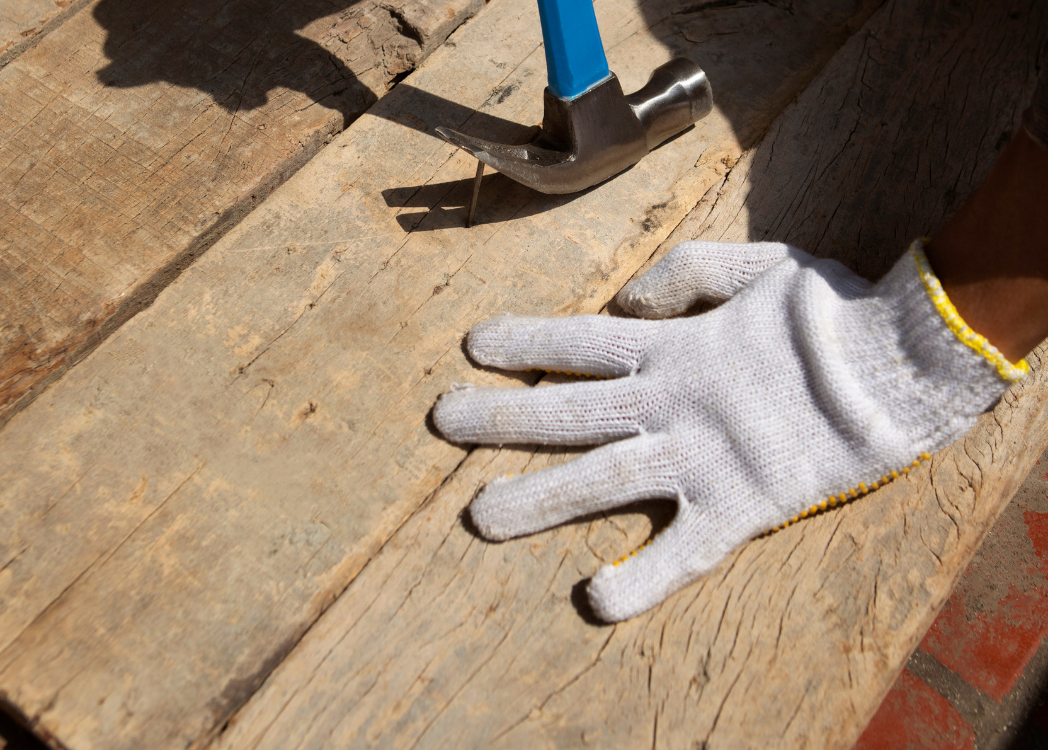
- Raised nail or screw heads
- Splintering edges
- Areas that feel softer than surrounding boards
Surface-level wear doesn’t always signal structural weakness, but soft spots or boards that flex more than others deserve closer inspection.
Replacing a single compromised board is often far simpler than addressing damage that spreads over time.
Fasteners and Hardware
Exterior fasteners endure constant exposure to moisture and temperature change. Over time, this can lead to corrosion or loosening.
Inspect:
- Screws backing out slightly
- Nails lifting above the surface
- Rusted metal brackets
- Post anchors at ground level
Tightening or replacing compromised hardware early helps prevent progressive shifting during heavier seasonal use.
Fasteners may seem minor, but they play a critical role in structural integrity.
Ledger Boards and Attachment Points
For attached decks, the ledger board—the component securing the deck to the house—is one of the most important structural elements.
While not all attachment points are easily visible, signs that warrant attention include:
- Gaps between the deck and the home
- Visible separation at connection points
- Water staining near ledger flashing
Winter moisture intrusion around attachment points can weaken connections over time. Spring is an ideal moment to visually confirm stability before gatherings increase weight load.
Railings: Stability Over Style
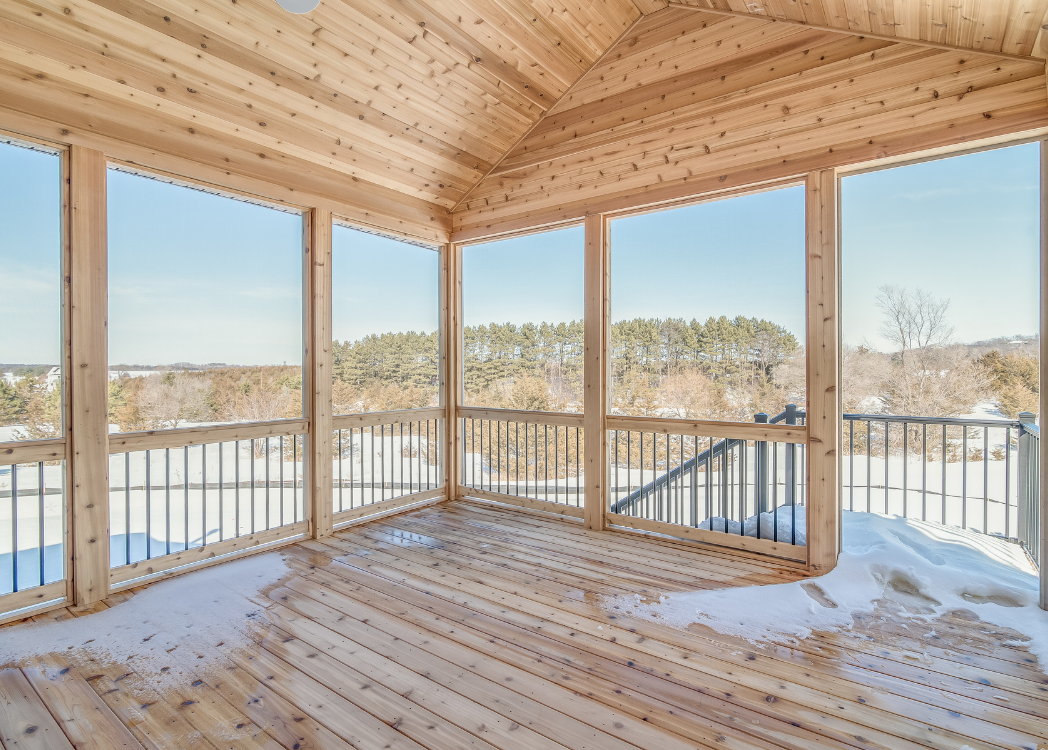
Railings serve both aesthetic and safety functions, but safety should always be the priority. Push gently on railings in multiple directions. They should feel firm and secure without noticeable sway.
Look for:
- Loose balusters
- Widening gaps at joints
- Softness at post bases
- Movement where railings meet stairs
Small amounts of seasonal shift may tighten as materials dry, but consistent looseness typically requires reinforcement.
Stair Treads and Risers
Exterior stairs endure concentrated weight with each step. Freeze–thaw cycles can affect both wood and concrete stairs differently.
For wooden stairs, inspect:
- Cracked treads
- Split stringers
- Loose connections at the base
For concrete steps, check:
- Minor cracking
- Settling at one side
- Uneven height changes
Even small variations can increase tripping risk once outdoor traffic increases.
Fence Posts and Perimeter Structures
Fences often appear sturdy until ground movement affects post stability.
In spring, soil that was frozen for months begins to shift. Fence posts may lean slightly or feel less secure.
Check for:
- Posts tilting away from vertical
- Gaps at post bases
- Soil pulling away from footings
Addressing movement early prevents larger alignment corrections later.
Patio Surfaces and Pavers
Patios respond strongly to freeze–thaw cycles, especially those installed over compacted soil rather than concrete slabs.
Look for:
- Pavers that rock underfoot
- Edges that no longer align
- Slight pooling after rainfall
- Sand loss between joints
These issues are typically manageable when caught early. Waiting until displacement becomes severe often requires more extensive leveling.
Drainage Around Outdoor Structures
Water management plays a significant role in structural longevity.
Observe how water moves during rainfall:
- Does it collect near deck posts?
- Does runoff erode soil beneath stairs?
- Are downspouts discharging near support areas?
Persistent moisture at structural bases accelerates deterioration.
Redirecting water away from posts and supports protects long-term stability.
Wood Exposure and Seasonal Wear
Wood structures experience expansion, contraction, and surface checking as moisture content changes.
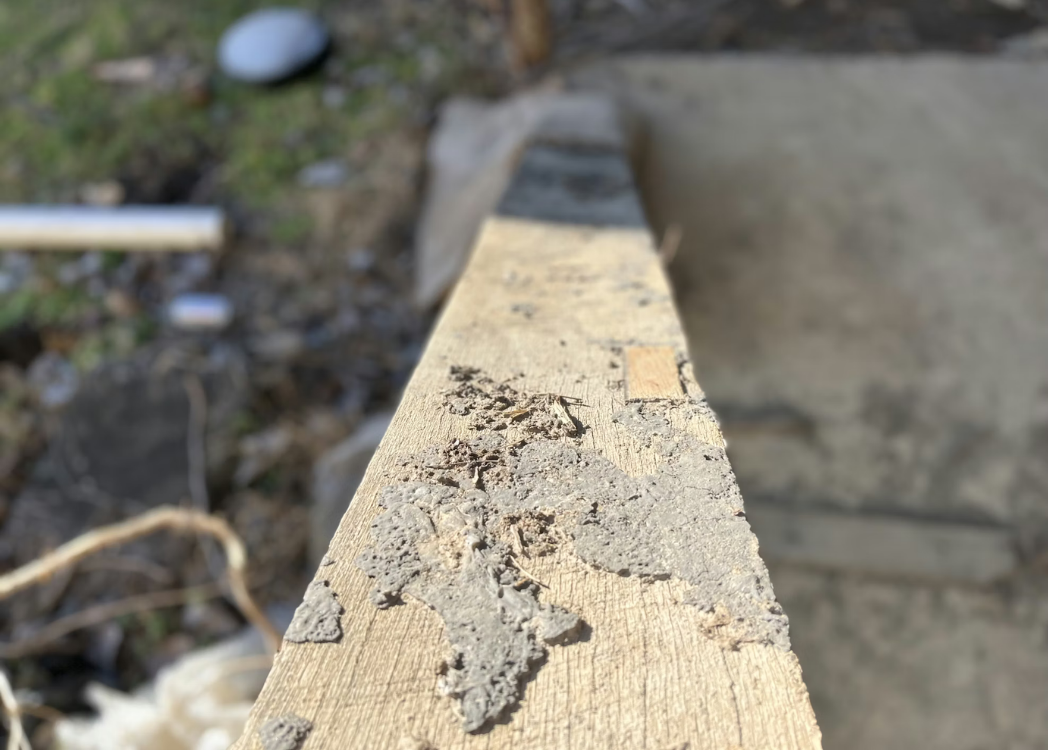
Hairline surface cracks are common. However, deep splitting, especially near load-bearing areas, deserves attention.
Examine:
- Post bases
- Beam ends
- Stair stringers
Surface cracks that do not compromise depth are often cosmetic. Structural splits that travel through significant thickness may affect strength.
Weight Load Awareness
Outdoor structures often support more weight in spring and summer than during colder months.
Furniture, planters, grills, and groups of people increase load distribution across decks and patios.
A structure that feels stable when empty may reveal weaknesses under additional weight.
Before the season begins, testing stability with intentional movement provides a clearer sense of readiness.
The Value of a Calm Inspection
The purpose of a structural check is not to create unnecessary concern. It’s to identify small adjustments before usage intensifies.
Most outdoor structures settle into predictable seasonal patterns. Minor tightening, board replacement, or re-leveling typically restores stability without major reconstruction.
Approaching inspection calmly and methodically reduces the likelihood of overlooked issues.
Timing Matters
Spring is ideal for structural checks because:
- Ground movement has largely stabilized
- Moisture patterns are visible
- Outdoor use has not yet peaked
- Repairs can be scheduled before summer demand increases
Waiting until late summer may allow minor issues to compound under continuous use.
Outdoor living spaces are extensions of the home. While they often receive attention for aesthetics—furniture, lighting, décor—the structural foundation beneath those details matters more.
A quiet hour spent checking stability each spring supports months of comfortable, confident use. Small corrections now tend to remain small.