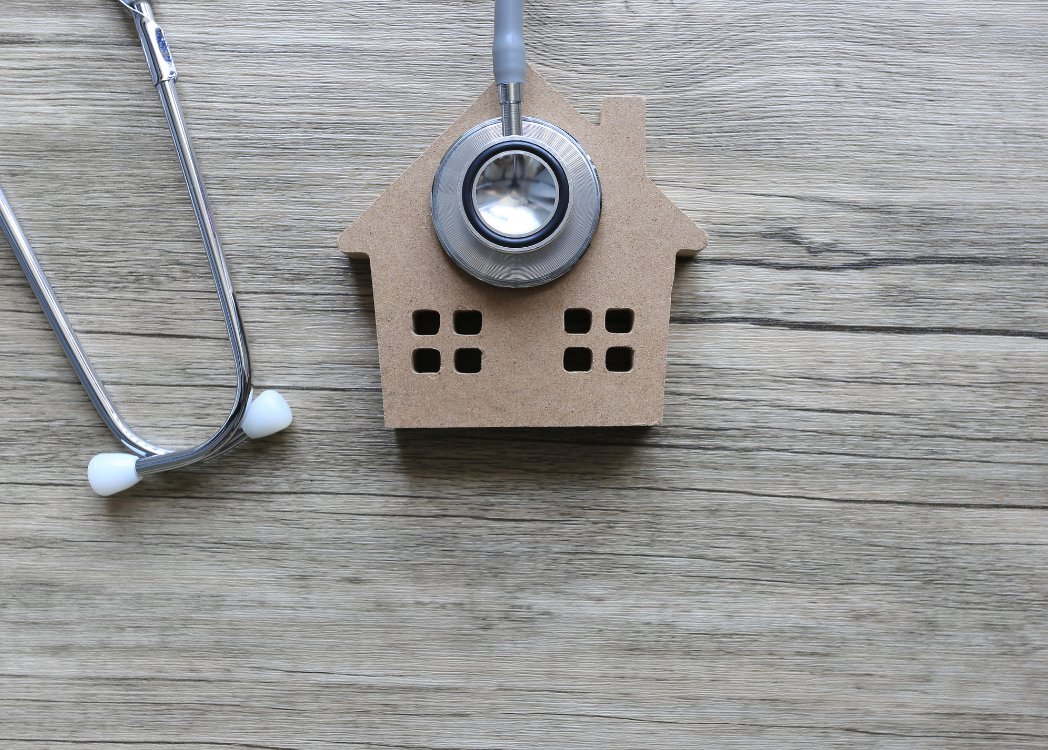
What Your Home Is Telling You: Reading Small Changes Before They Escalate
Learn how to interpret small changes in your home—from sounds to airflow—so you can catch issues early and avoid larger repairs.

Most homeowners are used to noticing visible problems—something breaks, leaks, or stops working, and it’s clear that attention is needed. What’s less obvious is that homes usually signal changes well before anything reaches that point.
Those signals don’t always look like damage. More often, they show up as subtle differences in how the home feels or behaves. A sound that wasn’t there before. A room that suddenly feels more humid. A door that doesn’t quite close the same way it did a few months ago.
These changes are easy to dismiss because they don’t seem urgent. But over time, they can provide a useful early warning system. Paying attention to them doesn’t require technical knowledge—it just requires noticing patterns and recognizing when something has shifted.
Changes in Sound: What You Hear Matters
Homes aren’t silent. Materials expand and contract, systems cycle on and off, and everyday use creates a baseline level of sound. Because of that, new or changing noises tend to stand out—if you’re listening for them.
A few examples of sound changes that are worth noticing:
- New creaks or pops, especially in floors or ceilings
- Rattling vents or registers that didn’t make noise before
- Running water sounds when no fixtures are in use
- Doors clicking or shifting slightly after being closed
Many of these are harmless on their own. Wood framing, for example, naturally adjusts with temperature and humidity, which can create occasional noise. The difference is consistency. A one-time creak isn’t meaningful, but a sound that repeats in the same area or becomes more frequent is worth paying attention to.
Plumbing sounds are another good example. A faint drip behind a wall may not be immediately visible, but it often has an audible signature before it becomes obvious. Catching that early can prevent much larger issues.
Airflow and Temperature Changes
Another category of early signals comes from how air moves through the home. These changes are often subtle, but they can indicate shifts in insulation, sealing, or ventilation.
You might notice:
- A room that feels noticeably warmer or cooler than others
- Drafts near windows or doors that weren’t present before
- Air that feels heavier or more humid in certain areas
- Reduced airflow from vents
These aren’t always tied to mechanical issues. Sometimes they’re the result of small changes in sealing or material movement. Weatherstripping compresses over time. Minor gaps develop. Air pathways shift slightly as the home settles.
Spring and seasonal transitions tend to highlight these differences because temperature swings are more noticeable. If one room suddenly feels different than it did over the winter, it’s often a sign that airflow or insulation conditions have changed.

Visual Changes That Develop Slowly
Not all visual changes are dramatic. In fact, the ones that matter most early on are often easy to overlook because they develop gradually.
Instead of looking for obvious damage, it helps to watch for patterns like:
- Discoloration that appears uneven or newly visible
- Small lines or cracks that seem slightly longer than before
- Surfaces that reflect light differently than they used to
- Subtle warping or shadowing along trim or edges
Natural light, especially in spring and summer, tends to reveal these changes more clearly. A wall that looked uniform in winter lighting may show faint variations once daylight increases.
These aren’t necessarily signs of failure. More often, they indicate movement, moisture changes, or aging materials. The important part is recognizing when something has changed, even slightly.
How Materials “Feel” Over Time
Beyond what you see and hear, there’s also a tactile element to how a home communicates changes. Materials begin to feel different before they show obvious wear.
That might include:
- A cabinet door that feels looser when opened
- A railing that has a slight amount of movement
- Flooring that feels less solid underfoot in one area
- A handle or fixture that doesn’t feel as secure as it once did
These are often early-stage issues. A loose railing, for example, rarely starts as a safety concern—it develops gradually through repeated use. Addressing it when the movement is minimal is straightforward. Waiting until it’s clearly unstable usually requires more work.
Paying attention to how things feel during normal use can reveal changes long before they become visible.
Smell as an Early Indicator
Smell is one of the most underutilized signals in a home, but it can be surprisingly informative.
A few examples:
- A faint musty smell in a basement or bathroom
- A slightly stale or heavy odor in a room that used to feel fresh
- Subtle changes near sinks or drains
These smells often point to moisture, airflow, or drainage issues. They don’t always mean there’s visible damage, but they do suggest that conditions have shifted.
Because smell tends to be more noticeable when you first enter a space, it’s often helpful to pay attention after being away for a few hours or returning home at the end of the day.

Repetition Is What Makes It Meaningful
One of the biggest challenges in interpreting these signals is knowing what matters and what doesn’t. Most homes produce occasional, isolated changes that don’t indicate a problem.
What makes a signal meaningful is repetition or progression.
For example:
- A door that sticks once during a humid day is likely seasonal
- A door that sticks consistently and worsens over time suggests alignment changes
- A faint smell that appears once may be incidental
- A smell that returns repeatedly points to an ongoing condition
Looking for patterns rather than reacting to individual instances helps keep things in perspective.
Seasonal Context Matters
Homes don’t behave the same way year-round. Temperature, humidity, and weather patterns all influence how materials respond.
In colder months, dry air can cause materials to contract, leading to small gaps or tightening of joints. As humidity increases, those same materials expand, which can create pressure, slight warping, or alignment changes.
Because of this, certain signals are more noticeable at specific times of year:
- Spring often reveals movement and moisture changes
- Summer highlights humidity-related expansion
- Winter emphasizes contraction and dryness
Understanding this context makes it easier to distinguish between normal seasonal behavior and changes that fall outside expected patterns.
When Small Changes Start to Connect
Individual signals are helpful, but they become more meaningful when they start to connect.
For example, noticing a slightly sticking door, a small crack nearby, and a subtle change in floor feel within the same area may point to a shared cause. Each change on its own might seem minor, but together they form a clearer picture.
This doesn’t necessarily mean something serious is happening, but it does suggest that an area of the home is responding to underlying conditions—whether that’s moisture, settling, or material expansion.
Looking at the home as a system, rather than a collection of isolated issues, makes these connections easier to see.
Responding Without Overreacting
One of the challenges with early signals is deciding when to act. Not every change requires immediate attention, and reacting too quickly can lead to unnecessary adjustments.
A practical approach is to separate what you observe into two categories:
Monitor:
- Stable, minor cosmetic changes
- Seasonal patterns that repeat
- Isolated signals without progression
Address sooner:
- Anything related to moisture
- Loose or unstable components
- Changes that continue to develop over time
This approach allows you to stay aware without feeling like every small change needs to be fixed immediately.
Building a Habit of Awareness
Reading these signals doesn’t require a formal inspection process. It’s more about paying attention during normal use of your home.
Closing a door, walking across a floor, or entering a room all provide small pieces of feedback. Over time, these observations build familiarity. You begin to understand what’s typical for your home and what stands out.
That familiarity is what makes early detection possible. Without it, changes tend to go unnoticed until they become obvious.
Homes rarely fail without warning. They communicate continuously through small shifts in sound, feel, and appearance. Most of these signals are quiet and gradual, but they’re there.
Learning to notice them doesn’t make homeownership more complicated—it usually makes it simpler. Small changes are easier to manage when they’re caught early, and understanding what your home is telling you helps you respond with clarity instead of urgency.