Repair vs. Improve: Knowing When Your Home Needs Maintenance Instead of an Upgrade
How to tell the difference between necessary upkeep and optional improvements—and why it matters.
Homeownership constantly presents decisions. A wall has a small crack. The deck boards look worn. The bathroom feels dated. The front door sticks in humid weather.
The question becomes: does this need to be repaired—or improved?
The distinction seems simple, but it shapes how homeowners spend time and money. Repairs preserve function and safety. Improvements enhance appearance or convenience. When those lines blur, it’s easy to prioritize cosmetic upgrades while overlooking necessary maintenance.
Understanding the difference helps prevent avoidable damage and keeps long-term costs manageable.
Repairs Protect; Improvements Enhance
At its core, a repair addresses something that is broken, deteriorating, or functioning improperly. It restores a component to working order.
An improvement, on the other hand, changes something that already works but could look better, feel more modern, or operate more conveniently.
Examples of repairs:
- Replacing damaged siding
- Securing a loose railing
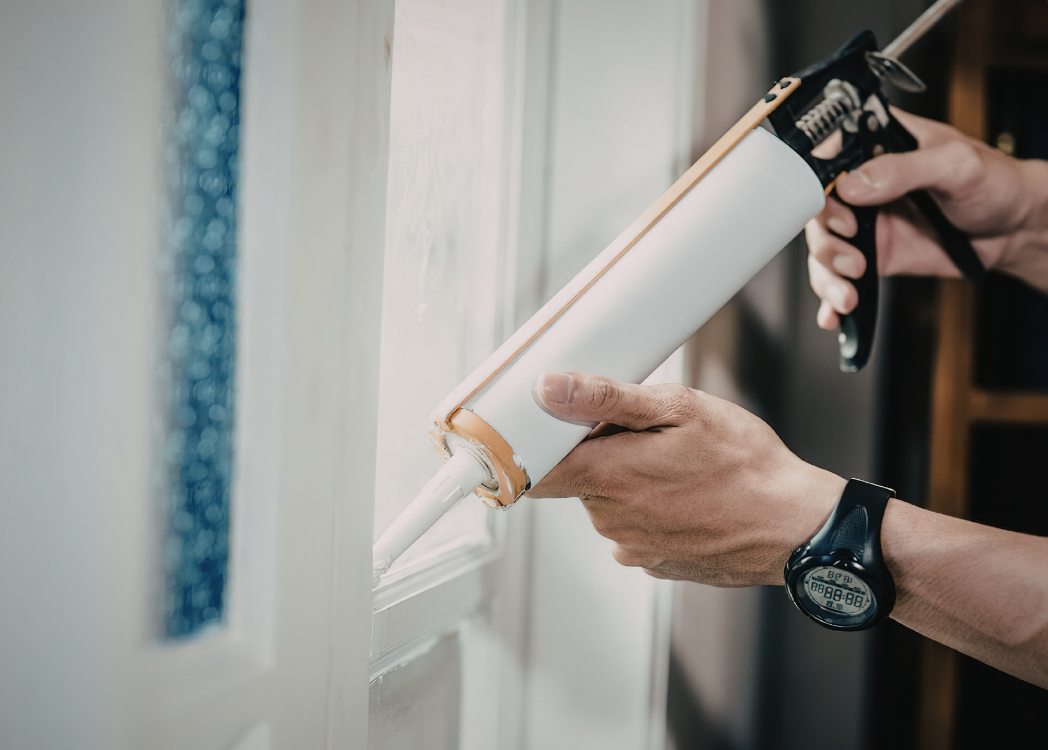
- Re-caulking failing bathroom joints
- Fixing a slow plumbing leak
Examples of improvements:
- Upgrading light fixtures for style
- Replacing cabinets for aesthetic preference
- Installing new hardware for design consistency
Both have value. The challenge is recognizing when a cosmetic change is masking a maintenance need.
When Cosmetic Issues Are Actually Maintenance Signals
Some surface-level changes appear cosmetic but signal underlying wear.
Peeling paint on exterior trim may look like a simple aesthetic issue. However, peeling often indicates moisture exposure or aging sealant. Repainting without addressing the cause only delays the problem.
Similarly:
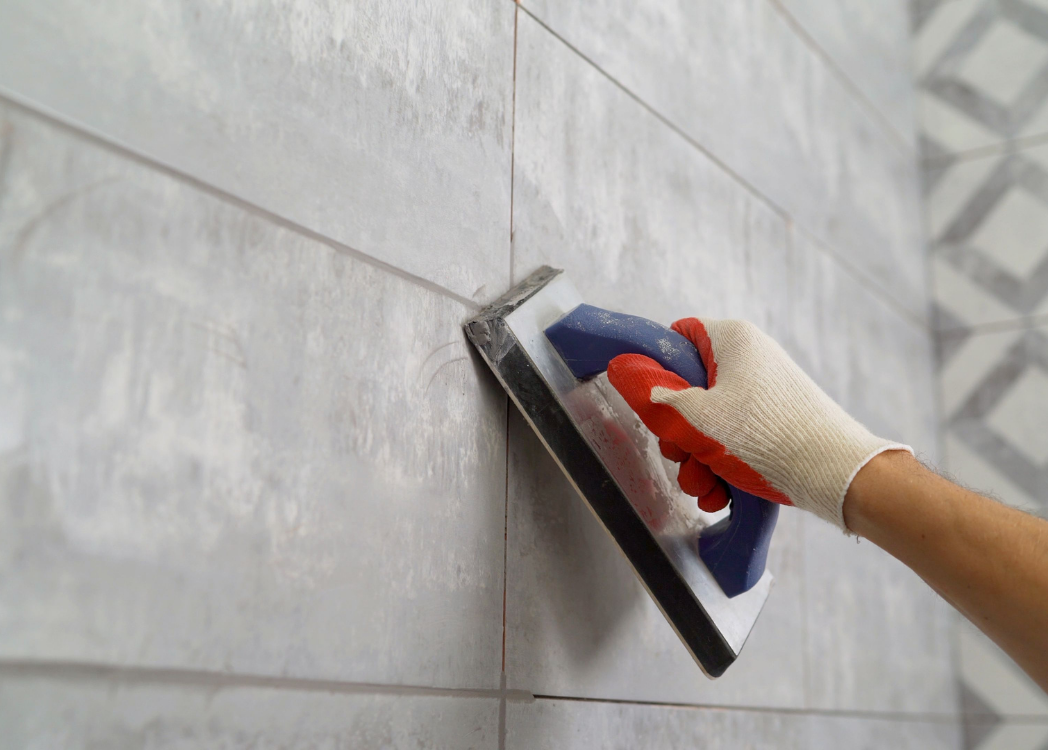
- Cracked grout may suggest moisture movement
- Warped deck boards may indicate water absorption
- Repeated drywall cracks may reflect seasonal expansion
In these cases, the “improvement” (new paint, fresh finish) should follow the repair—not replace it.
The Risk of Upgrading Over Unresolved Issues
Upgrades layered over unresolved maintenance concerns rarely last.
Installing new flooring over a slightly uneven subfloor may conceal movement temporarily but allow underlying issues to worsen. Adding new trim without correcting shifting walls may lead to visible separation within months.
A home functions as an interconnected system. When foundational elements aren’t stable, improvements often fail prematurely.
Addressing repairs first creates a stable base for enhancements later.
The Cost Perspective
Repairs are often viewed as expenses, while improvements are viewed as investments. In reality, deferred maintenance can become the most expensive choice.
A minor plumbing drip ignored in favor of upgrading fixtures may eventually damage cabinetry and flooring. Replacing decorative elements without addressing water intrusion increases the likelihood of repeat work.
Maintenance preserves value. Improvements build upon it.
Emotional Pull vs. Structural Reality
Upgrades are more visible and often more exciting. A refreshed kitchen or updated entryway produces immediate satisfaction. Repairs, by contrast, often feel invisible once completed.
It’s easy to allocate resources toward projects that feel transformative rather than preventative.
A helpful approach is to ask:
- If this isn’t addressed, will it worsen?
- Does it affect safety, moisture, or structural stability?
- Would improving appearance now complicate a future repair?
These questions shift focus from preference to performance.
Seasonal Timing and Prioritization
Spring often inspires improvement projects—fresh paint, updated landscaping, new fixtures. It’s also when winter-related wear becomes visible.
Before beginning upgrades, consider conducting a maintenance review:
- Check exterior sealants
- Inspect grading and drainage
- Evaluate deck fasteners
- Review attic ventilation
Completing these checks first clarifies whether repairs should take precedence.
When an Upgrade Becomes a Repair
Occasionally, what starts as an improvement project reveals underlying maintenance needs.
For example:
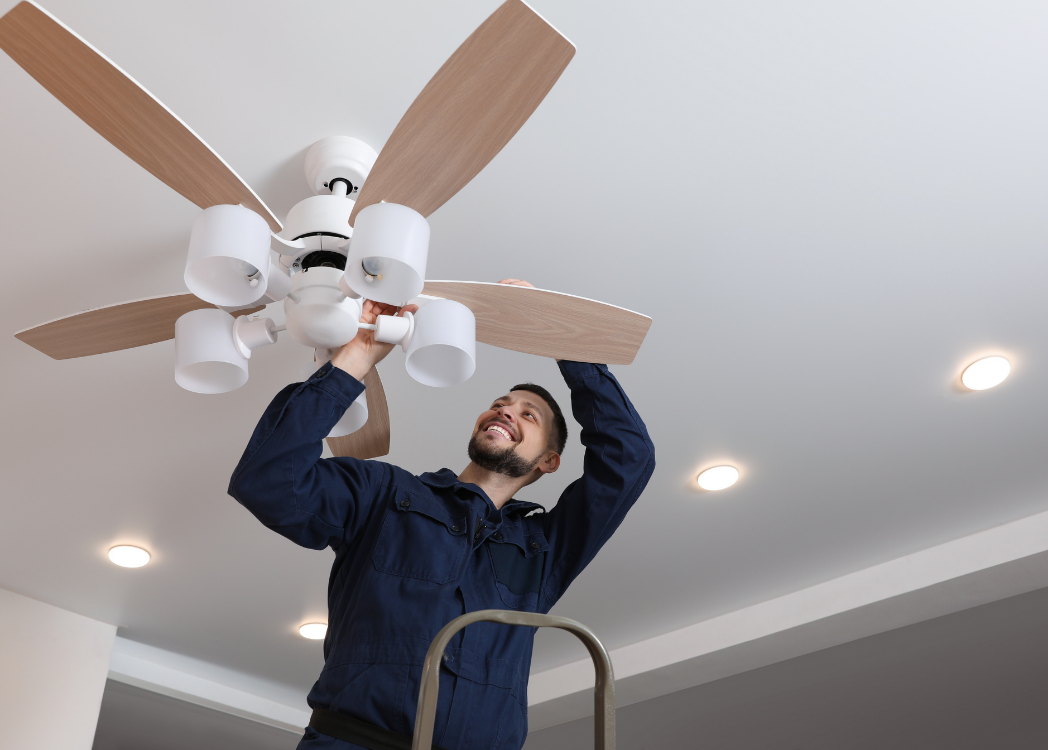
- Replacing light fixtures may uncover outdated wiring
- Installing new trim may expose drywall movement
- Refinishing a deck may reveal soft boards beneath
In these moments, shifting focus back to repair ensures long-term durability. Flexibility matters.
The Middle Ground: Maintenance Improvements
Not all projects fit neatly into one category. Some upgrades enhance both appearance and performance.
Examples include:
- Installing better ventilation fans
- Updating exterior lighting for safety
- Replacing aging weatherstripping
- Adding protective coatings to exposed wood
These projects support function while subtly improving aesthetics.
When unsure where to begin, this middle category often offers balanced returns.
Recognizing “Good Enough”
Not every imperfection demands correction. Some cosmetic wear is part of a home’s natural aging. Hairline trim gaps that return seasonally may not justify full replacement. Minor surface scratches on flooring may not require refinishing. Distinguishing between normal aging and progressive damage prevents unnecessary upgrades.
Long-Term Planning Instead of Impulse Decisions
Separating repairs from improvements allows for structured planning.
One helpful strategy:
- List active maintenance needs.
- Rank by urgency and risk.
- Address safety and moisture first.
- Schedule improvements afterward.
This layered approach reduces stress and ensures upgrades rest on solid ground.
Viewing the Home as a System
A home isn’t a collection of isolated projects. It’s a system of materials responding to weather, moisture, and time.
Repairs maintain system integrity. Improvements personalize and refine it.
When maintenance lags behind cosmetic change, system performance declines quietly. When repairs are prioritized appropriately, upgrades tend to last longer and feel more satisfying.
Making Decisions With Clarity
Before starting a new project, pause briefly.
Ask:
- Is this restoring something—or enhancing it?
- If I wait a year, will the condition worsen?
- Does this improve structure, safety, or moisture control?
Clarity in those answers reduces reactive spending and improves long-term outcomes.
Homes evolve over time. Tastes change. Materials age. The balance between repair and improvement shifts year to year.
Understanding that difference doesn’t eliminate decisions—but it makes them steadier. Maintenance protects the foundation of comfort. Improvements build on it thoughtfully.