Home Ventilation Basics: Why Airflow Matters More Than You Think
How proper air movement affects comfort, moisture control, and the long-term health of your home.
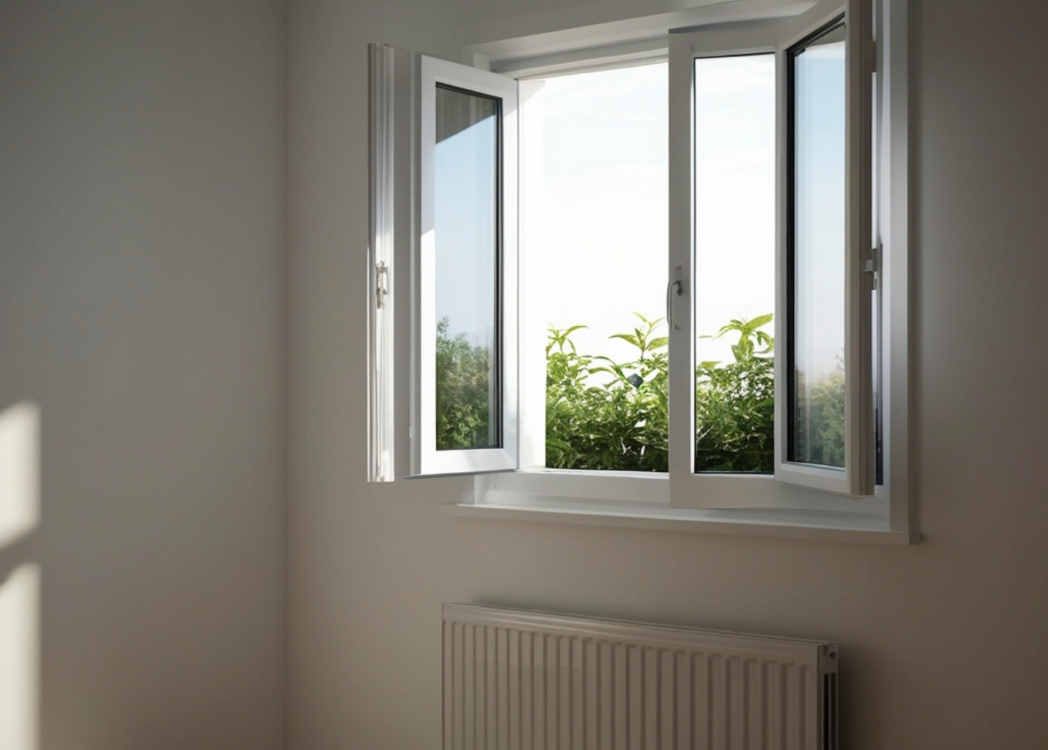
Ventilation is one of those things homeowners rarely think about—until something feels off.
Maybe a bathroom mirror stays fogged long after a shower. Maybe certain rooms feel stale, even when the house is clean. In spring, windows open and the air suddenly feels lighter. In winter, the house feels dry and heavy at the same time.
Air movement inside a home plays a much bigger role than most people realize. It affects comfort, moisture levels, material longevity, and even how a home smells and sounds. And yet, it’s rarely part of routine home conversations.
Understanding how ventilation works—and where it sometimes falls short—can quietly improve the way a home performs year-round.
Homes Are Designed to Breathe (Even If It Doesn’t Feel That Way)
Every home manages air in three basic ways:
- Air that enters intentionally (through vents, windows, mechanical systems)
- Air that escapes intentionally (through exhaust fans and attic vents)
- Air that moves unintentionally (through small gaps and seams)
Older homes relied heavily on natural airflow. Drafts were common, but so was continuous air exchange. Newer homes tend to be more tightly sealed for energy efficiency, which improves heating and cooling performance but reduces natural air movement.
Neither approach is inherently better. What matters is balance.
Too much uncontrolled airflow wastes energy. Too little controlled airflow traps moisture and stale air.
Why Ventilation Matters in Spring
Spring tends to highlight ventilation issues because conditions shift quickly.
- Outdoor humidity rises
- Windows open intermittently
- Indoor heating systems run less frequently
- Moisture from melting snow dissipates
If a home has marginal airflow during winter, spring can make that imbalance more noticeable. Musty smells appear. Bathrooms take longer to dry. Basements feel damp.
Airflow doesn’t need to be dramatic to be effective. It just needs to be consistent.
Bathroom Ventilation: More Than Just a Fan
Bathrooms generate significant moisture in a short period of time. Steam from showers condenses quickly on surfaces, especially in early spring when outside air remains cool.
A properly functioning bathroom fan should:
- Clear visible steam within several minutes
- Vent outdoors (not into an attic)
- Run long enough after shower use
If mirrors remain fogged for 15–20 minutes, or if paint begins peeling near ceilings, ventilation may be inadequate.
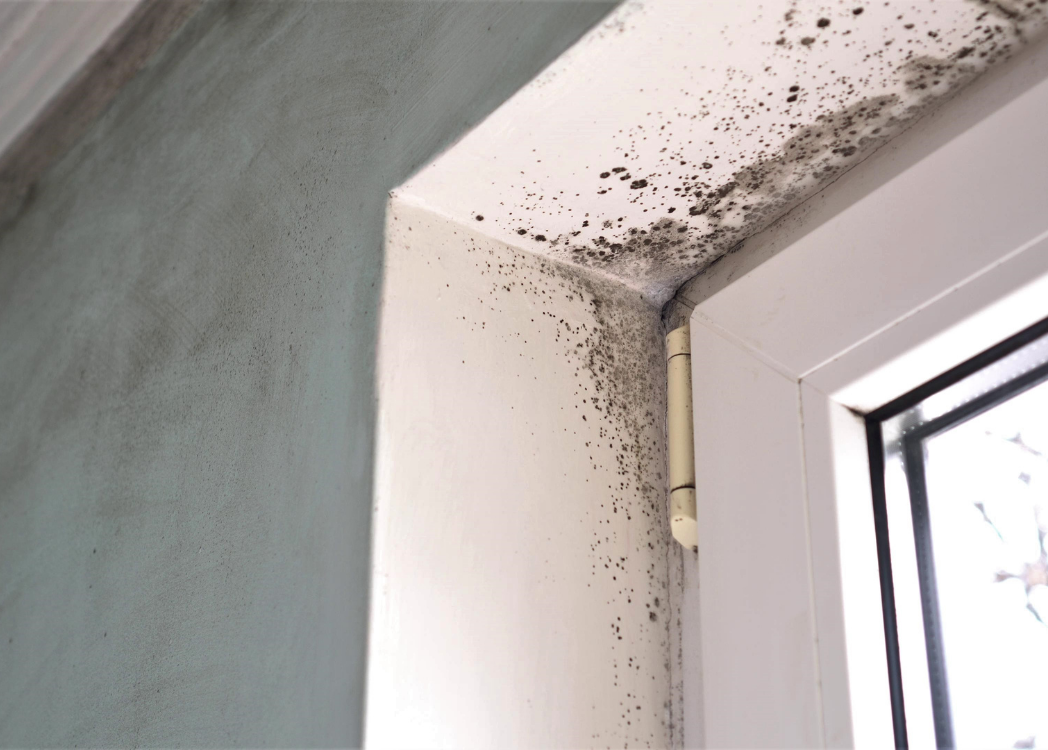
Over time, insufficient airflow in bathrooms contributes to mold growth, drywall deterioration, and trim damage. These issues often begin subtly and spread slowly.
Kitchen Air Movement and Lingering Moisture
Kitchens also produce moisture and airborne particles through cooking.
Without adequate ventilation:
- Odors linger
- Grease accumulates on surfaces
- Condensation builds near ceilings
Range hoods that recirculate air rather than venting outside provide limited moisture control. While they may reduce odor slightly, they do little to remove humidity generated by boiling water or simmering food.
This doesn’t necessarily require immediate change—but it’s helpful to understand how airflow affects material longevity in these spaces.
The Role of Attic Ventilation
Attics are one of the most misunderstood components of a home’s ventilation system.
In winter, warm indoor air rises. If attic ventilation is insufficient, trapped moisture can condense on roof decking. Over time, this may contribute to staining, insulation displacement, or structural concerns.
In warmer months, poor attic ventilation can cause excessive heat buildup. That heat radiates downward, affecting interior comfort and increasing strain on cooling systems.
Balanced attic airflow typically includes:
- Intake vents (often at soffits)
- Exhaust vents (ridge or roof vents)
The goal is not strong wind movement, but steady exchange. Spring is often when attic issues first become visible, particularly if snow accumulation was heavy during winter.

Basements and Subtle Air Stagnation
Basements frequently feel cooler and more humid than upper levels. In early spring, as snow melts and soil moisture rises, basement humidity can increase even if there are no visible leaks.
Poor airflow in lower levels may lead to:
- A persistent damp smell
- Condensation on cold surfaces
- Slower drying after cleaning
In some cases, simply increasing air circulation improves comfort. In others, moisture control measures may be necessary. The key distinction is between stagnant air and active moisture intrusion. They feel similar but require different responses.
Windows: Natural Ventilation With Limitations
Opening windows is one of the simplest ways to introduce fresh air. In spring, this often provides immediate relief from winter’s dry indoor atmosphere.
However, window ventilation is inconsistent. Outdoor humidity, pollen levels, and temperature shifts influence how effective this method is. Cross-ventilation—opening windows on opposite sides of a home—creates more effective airflow than opening a single window. Even so, natural ventilation alone may not address underlying airflow imbalances.
Indoor Air and Material Longevity
Ventilation doesn’t just affect how a home feels—it affects how materials age.
Excess humidity contributes to:
- Warped wood trim
- Flooring expansion
- Paint peeling
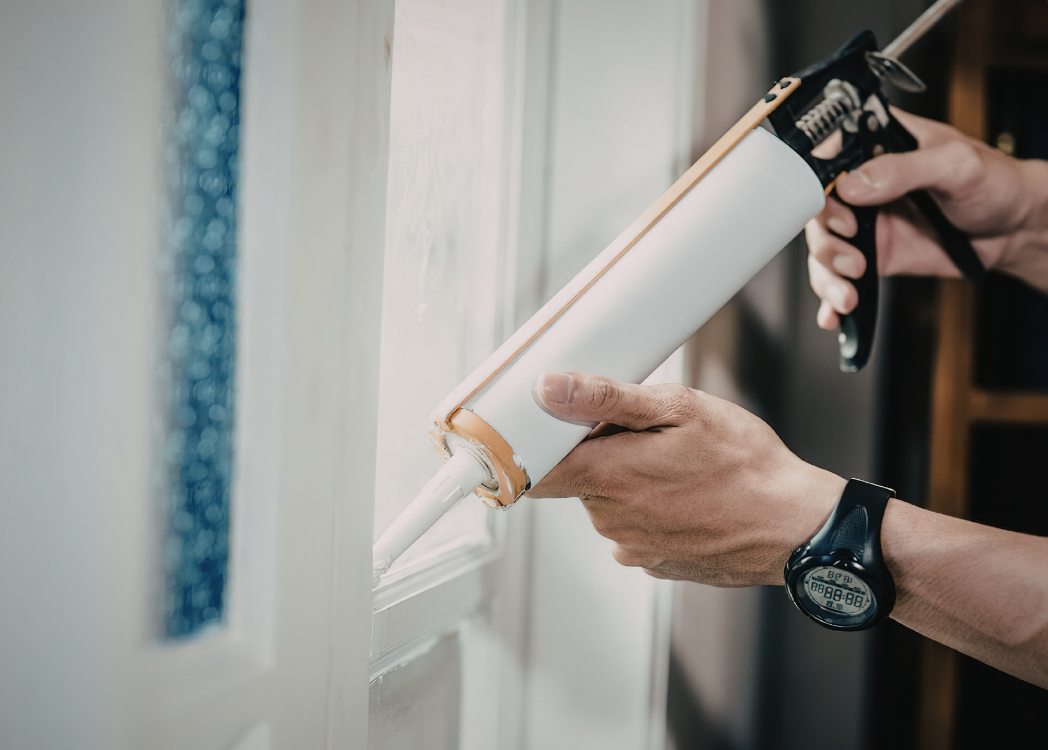
- Caulk deterioration
On the other hand, air that is too dry may cause:
- Shrinking wood joints
- Trim separation
- Seasonal drywall cracks
Balanced airflow helps regulate these extremes.

Signs Your Home’s Ventilation May Be Off
Most ventilation issues reveal themselves gradually. Common indicators include:
- Musty smells that return quickly
- Persistent condensation on windows
- Peeling paint in high-moisture areas
- Uneven temperatures between rooms
- Stale air despite cleaning
None of these signs necessarily indicate major defects. Often, they point to airflow patterns that could be improved.
Small Adjustments That Make a Difference
Ventilation improvements don’t always require major system changes.
Sometimes adjustments include:
- Running bathroom fans longer
- Confirming vents are unobstructed
- Repositioning furniture blocking air returns
- Ensuring attic insulation doesn’t cover intake vents
Even awareness alone can shift habits that support better air movement.
Why Ventilation Is Easy to Overlook
Unlike visible cracks or peeling paint, airflow problems are intangible. There’s no obvious break or failure. Discomfort builds slowly. Homes tend to “normalize” their environment. Occupants adapt without realizing subtle changes in humidity or air freshness.
That’s why spring is such a useful time to reassess. Windows open. Air feels different. Comparisons become clearer. Ventilation is not about creating drafts or running fans constantly. It’s about balance—ensuring moisture has a path out, fresh air has a path in, and materials aren’t trapped in stagnant conditions.
When airflow is working properly, it’s barely noticeable. Rooms dry efficiently. Air feels neutral rather than heavy. Surfaces remain stable across seasons.
And often, that quiet consistency is exactly what a home needs.