Building a Simple Annual Home Maintenance Calendar That Actually Works
How to spread home upkeep across the year so nothing feels overwhelming or reactive.

For many homeowners, maintenance happens in bursts.
A problem appears. It gets fixed. A few quiet months pass. Then something else surfaces—usually at an inconvenient time. This cycle can make homeownership feel reactive rather than steady.
What often helps is not doing more, but spreading tasks out. An annual maintenance calendar doesn’t need to be complicated. In fact, the simpler it is, the more likely it is to be used.
The goal isn’t perfection. It’s rhythm.
Why Maintenance Feels Overwhelming
Most homes require ongoing care, but the tasks themselves are rarely difficult. What makes maintenance stressful is clustering.
Spring arrives, and suddenly there are:
- Exterior checks to complete
- Interior touch-ups to handle
- Seasonal transitions in heating and cooling
- Landscaping responsibilities
Without a plan, everything feels urgent at once.
A calendar shifts maintenance from reactive to anticipated.
Start With Seasonal Anchors
Instead of listing every task randomly, organize maintenance around natural seasonal shifts.
Spring, summer, fall, and winter each bring different stressors. Matching tasks to seasonal conditions makes them easier to remember and more logical to complete.
Think in broad categories first, then fill in details.
Spring: Inspection and Adjustment
Spring is ideal for observation. Winter has just passed, and any stress it caused is visible.
Common spring focuses include:
- Exterior walkarounds
- Checking grading and drainage
- Inspecting decks and railings
- Observing seasonal cracks or movement
- Cleaning windows and screens
Spring isn’t about heavy projects. It’s about noting what changed and identifying what can be addressed before summer.
Summer: Exterior Work and Ventilation
Warmer weather allows easier access to outdoor repairs and airflow improvements.
Summer tasks might include:
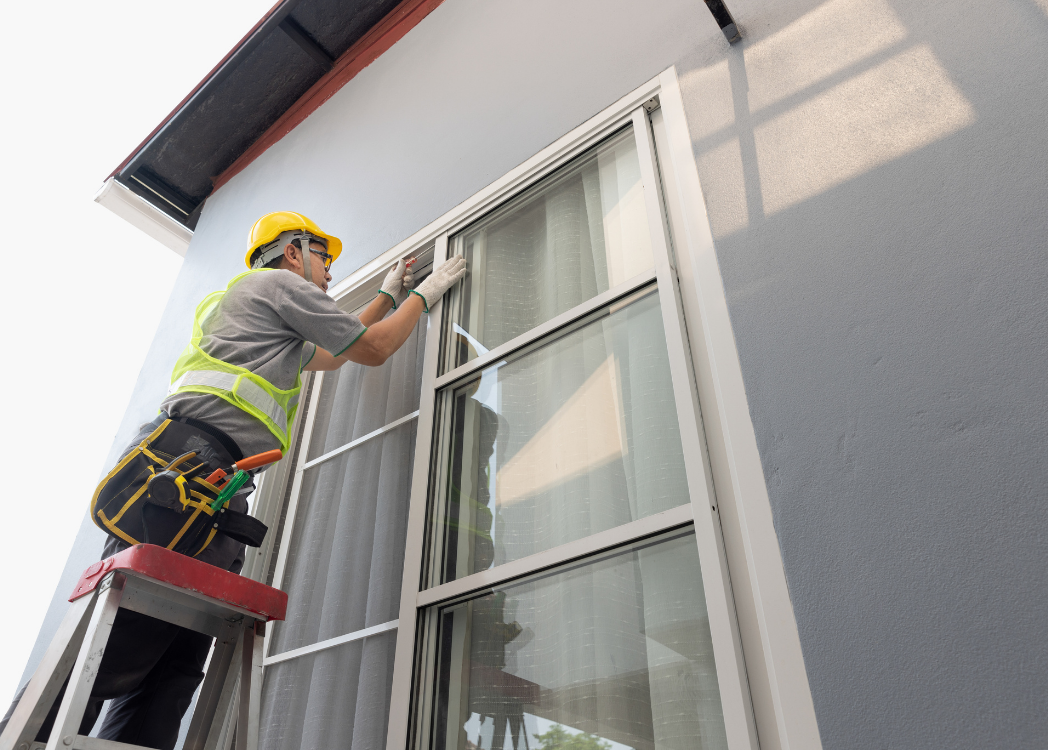
- Addressing minor siding repairs
- Re-securing trim and hardware
- Touching up exterior paint
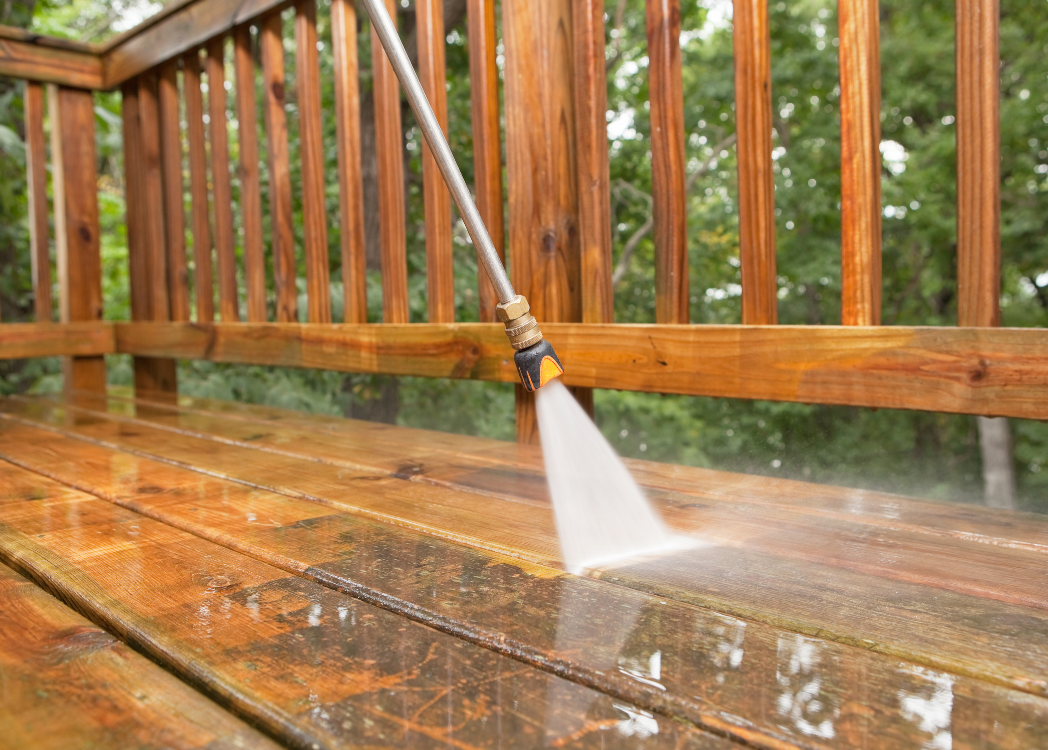
- Cleaning and maintaining decks
- Monitoring attic airflow
Longer daylight hours make these projects more manageable.
Fall: Prevention Before Cold Weather
Fall maintenance focuses on preparing the home for colder temperatures.
Tasks may include:
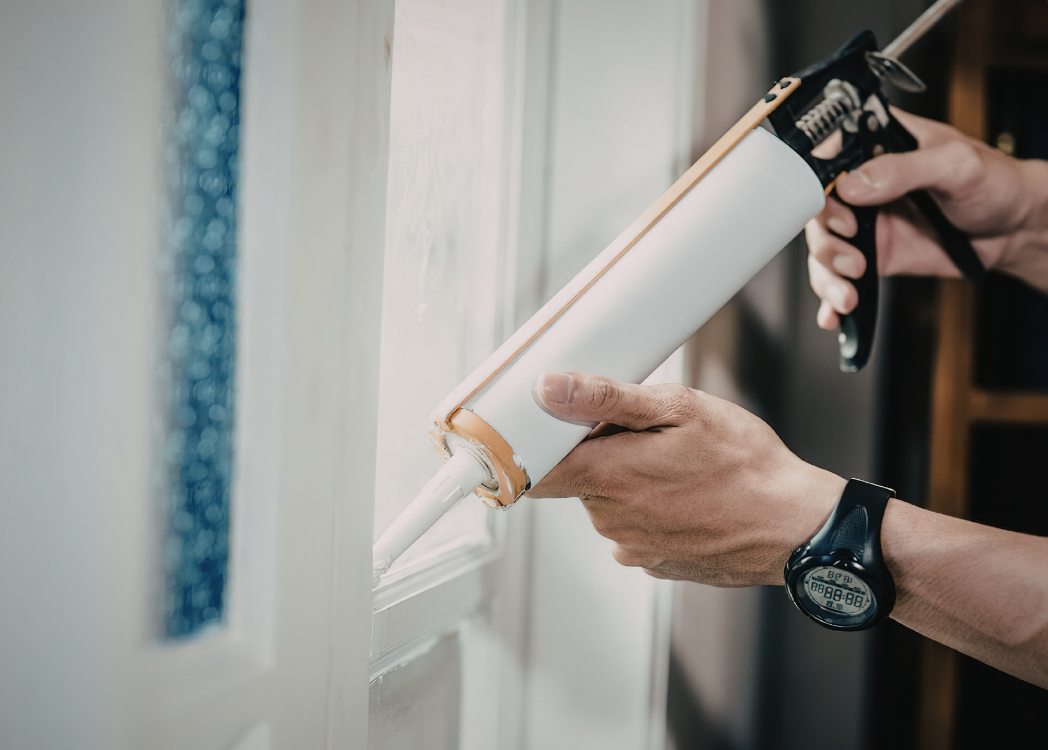
- Checking sealants around doors and windows
- Inspecting roof edges visually
- Clearing debris from drainage areas
- Confirming heating systems are functioning smoothly
- Reviewing insulation in accessible spaces
The goal is prevention, not overhaul.
Winter: Monitoring and Interior Care
Winter is often quieter in terms of large projects, but it’s a useful time for interior observation.
Winter tasks may include:
- Monitoring humidity levels
- Watching for condensation patterns
- Tightening interior hardware
- Reviewing doors and windows for drafts
- Planning upcoming seasonal work
Because outdoor conditions limit projects, winter becomes a planning season.
Keep the List Realistic
One common mistake in building a maintenance calendar is overloading it.
Instead of dozens of items per season, aim for:
- 4–6 key checks
- A few minor adjustments
- One or two moderate projects
If a list feels too long, it’s less likely to be followed. Consistency beats intensity.
Use Recurring Reminders
Digital calendars, phone reminders, or even a printed checklist posted in a utility area can help.
Set recurring reminders by season rather than specific dates if that feels easier. For example:
- “Spring exterior walkthrough”
- “Fall sealant check”
Keeping it general reduces pressure while still encouraging action.

Document What You Notice
A maintenance calendar becomes more effective when paired with brief notes.
After each seasonal check, record:
- What looked stable
- What changed
- What needs follow-up
Over time, patterns emerge. A crack that hasn’t grown in three years becomes less concerning. A grading issue that worsens annually becomes clearer. Documentation replaces guesswork.
Separate Maintenance From Projects
Large renovations or upgrades should not dominate the maintenance calendar. Maintenance keeps systems functioning. Projects change appearance or layout. Blending the two can create unrealistic expectations. A good rule is to keep maintenance recurring and schedule improvements separately.
Budget Alongside the Calendar
Spreading tasks across seasons also spreads cost. Rather than facing a cluster of repairs at once, addressing smaller items regularly reduces surprise expenses. Pairing the calendar with a modest annual repair budget creates even greater stability.
Avoid Perfectionism
No maintenance plan eliminates every issue. Homes age. Materials wear. Unexpected problems occur. The purpose of a calendar is not to prevent all repairs—it’s to reduce urgency and increase predictability.
Small, consistent attention often prevents large, rushed responses.
Review and Adjust Each Year
At the end of a year, take a moment to review what worked. Were certain tasks unnecessary? Did others need to happen sooner? Adjust the calendar based on real experience.
Homes evolve. So should maintenance rhythms.
The Value of Rhythm Over Reaction
When maintenance becomes seasonal and predictable, homeownership feels steadier.
Instead of reacting to cracks, leaks, or loose hardware unexpectedly, there’s space to anticipate and respond calmly.
Over time, this steady rhythm builds familiarity with how the home behaves across seasons. Small adjustments feel manageable because they are expected.
A simple annual calendar doesn’t add work. It distributes it. And often, that’s what makes all the difference.