Small Home Adjustments That Improve Natural Light
Practical ways to make your home feel brighter and more open without major renovation.
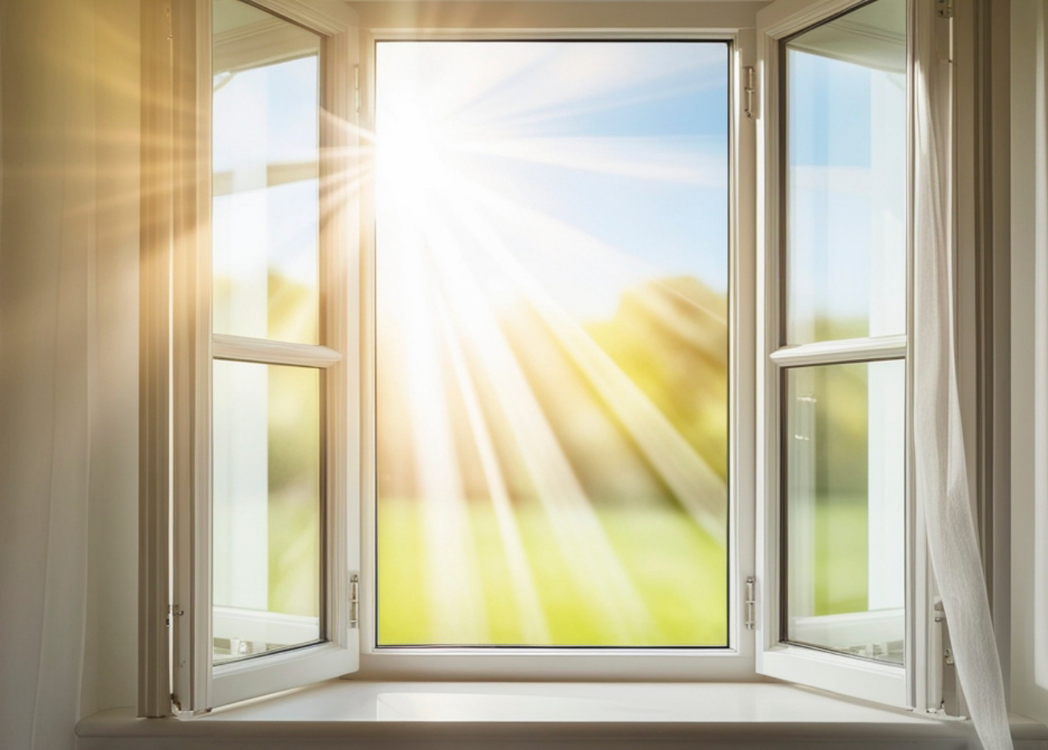
As winter fades and daylight stretches longer into the evening, many homeowners notice something almost immediately: their homes feel different. Rooms that felt dim in February suddenly seem more open. Corners that were shadowed now catch afternoon sun.
Spring has a way of highlighting both the strengths and weaknesses of natural light inside a home. It becomes clear which spaces feel bright and welcoming—and which still feel heavy, even on sunny days.
Improving natural light doesn’t necessarily require cutting new windows or removing walls. Often, small adjustments make a noticeable difference. The goal isn’t to flood every room with sunlight, but to help existing light move more effectively through the space.
Start With the Windows You Already Have
Windows are the primary source of natural light, but they often underperform simply because they haven’t been maintained.
Begin with a close look at:
- Window glass clarity
- Dirt or buildup along tracks
- Damaged or aging screens
- Warped trim that blocks operation
Even a thin film of dust or residue reduces light transmission more than most people expect. A thorough cleaning—inside and out—often brightens a room immediately.
Also check that windows open smoothly. Sticking windows are often left closed, limiting airflow and light variation throughout the day.
Remove Subtle Obstructions
Sometimes the issue isn’t the window itself but what surrounds it.
Look at:
- Heavy curtains that remain partially drawn
- Furniture placed directly in front of windows
- Decorative elements that block lower light angles
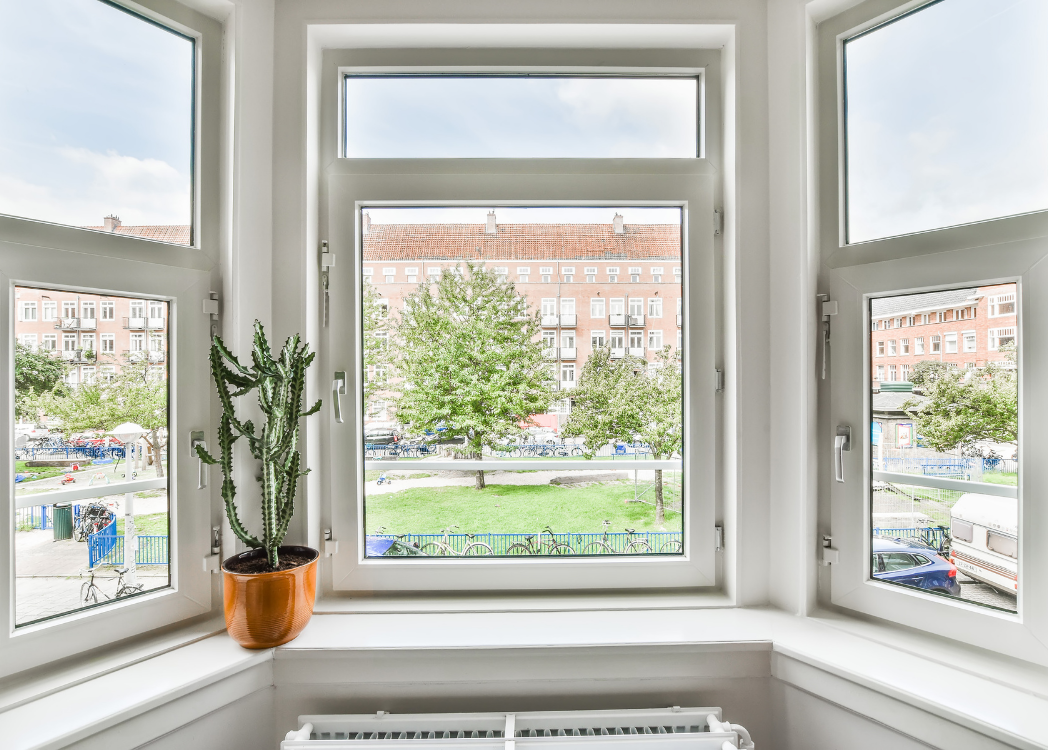
- Plants positioned where they filter more light than intended
Repositioning furniture by even a few inches can allow more light to spread into the room rather than being absorbed at the window.
Evaluate Window Treatments Thoughtfully
Window coverings influence both privacy and brightness. The goal is balance.
Consider:
- Swapping heavy drapes for lighter fabrics in spring
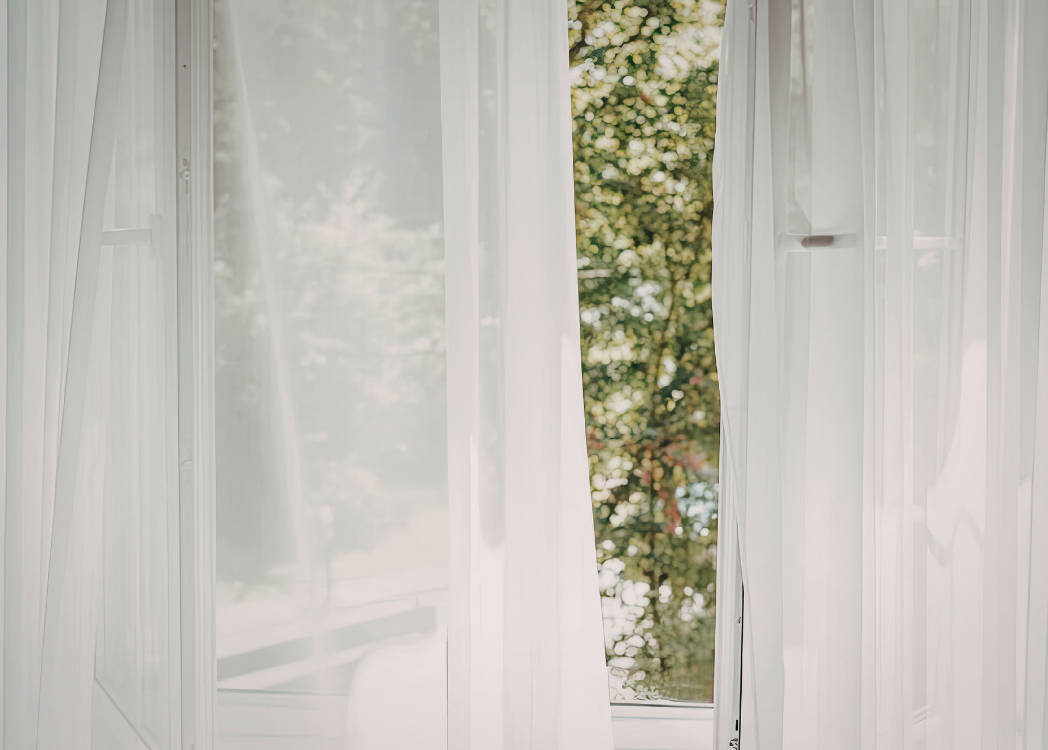
- Using sheer layers that maintain privacy while allowing light
- Adjusting curtain rods slightly higher to expose more glass
- Cleaning blinds to remove light-blocking dust buildup
Seasonal adjustments to window treatments can significantly affect how much light enters and how it diffuses.
Let Light Travel Further Into the Room
Natural light enters in a straight path, but interior surfaces determine how far it travels.
Light-colored walls reflect light. Dark surfaces absorb it. Even subtle shifts in tone influence brightness.
Without repainting entire rooms, consider:
- Refreshing high-impact walls that receive direct light
- Lightening trim or interior doors
- Updating darker accent pieces that sit opposite windows
The idea isn’t to eliminate contrast, but to allow light to bounce rather than stop.
Use Mirrors Strategically
Mirrors don’t create light—they redirect it.
Placed thoughtfully, mirrors can:
- Reflect daylight deeper into a room
- Brighten hallways without windows
- Amplify smaller windows
Positioning a mirror opposite or adjacent to a window allows light to scatter more evenly. Oversized mirrors aren’t necessary; even modest placements improve distribution.
Check Interior Door Alignment
Open interior doors allow light to move between rooms. Closed or poorly aligned doors interrupt that flow.
If doors tend to stay closed because they rub or stick, adjusting hinges or strike plates may improve usability.
Homes often feel brighter simply because more doors remain open during the day.

Consider Ceiling and Light Fixture Placement
Even natural light interacts with artificial fixtures.
Large, dark ceiling fans or bulky light fixtures sometimes block or cast shadows near windows.
While not every fixture needs replacement, evaluate whether:
- Ceiling elements visually weigh down bright areas
- Pendant lights hang lower than necessary
- Overhead fixtures obstruct upper window trim
Subtle repositioning can help daylight feel less obstructed.
Improve Glass in Adjacent Areas
Natural light doesn’t only enter through standard windows. Doors with glass panels, sidelights, and interior transoms also contribute.
Ensure:
- Glass inserts are clean
- Frosted films aren’t unnecessarily blocking brightness
- Storm doors are clear rather than tinted (if privacy allows)
Even small glass areas influence how open a space feels.
Pay Attention to Hallways and Transition Spaces
Hallways often feel darker than adjacent rooms, even if those rooms are bright.
To improve light flow:
- Keep hallway doors open when possible
- Use lighter wall finishes in transition areas
- Add reflective surfaces strategically
- Avoid placing tall furniture that narrows passageways
Sometimes it’s not the room itself that feels dim—it’s the space leading to it.
Flooring and Light Absorption
Flooring color plays a role in perceived brightness. Dark flooring absorbs more light, particularly when matte.
Without replacing flooring, consider:
- Lighter area rugs near windows
- Keeping floor surfaces clean and free of dulling residue
- Avoiding overly dark mats in naturally lit areas
Even small shifts in floor reflectivity influence overall light perception.
Trim Back Exterior Obstructions
Sometimes limited natural light originates outside.
Check whether:
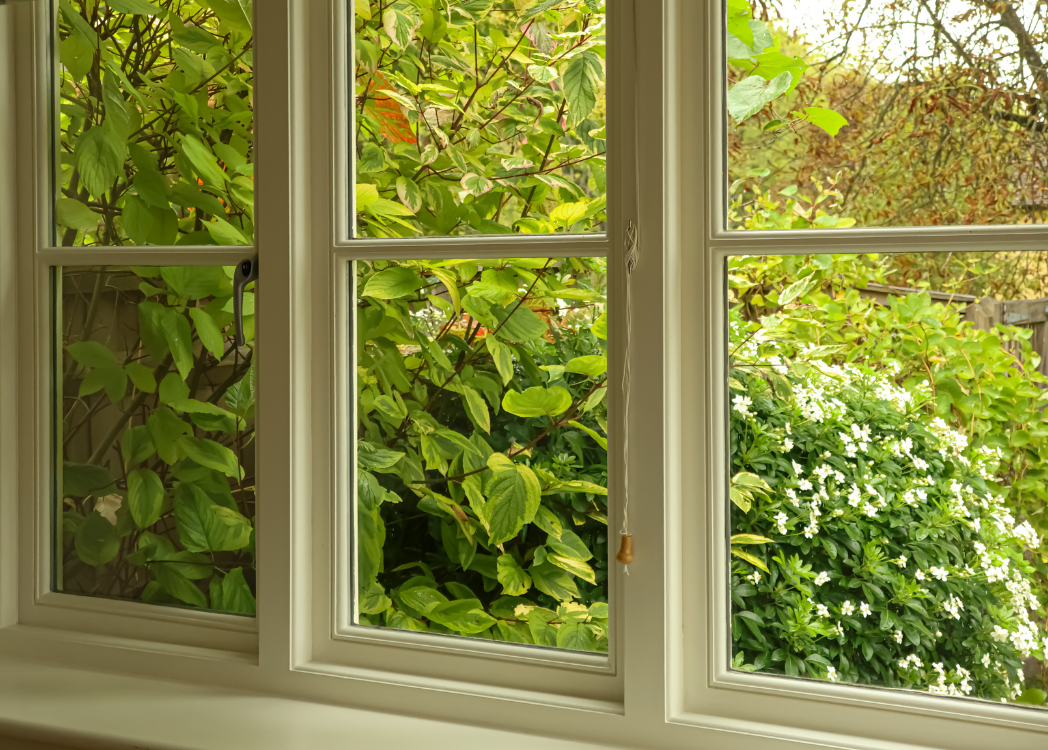
- Overgrown shrubs block lower windows
- Tree branches shade upper-level openings
- Seasonal debris collects along window wells
Spring is an ideal time to trim back growth that may have expanded unnoticed the previous year.
Allowing exterior light to reach the glass is often half the solution.
Clean Light-Colored Surfaces
Dust and buildup subtly darken surfaces over time. Walls, trim, and ceilings may appear slightly dull without obvious staining.
A thorough cleaning can restore reflectivity, especially in homes that use light neutral finishes.
Light reflects best from clean surfaces.
Recognize When Light Patterns Shift Seasonally
The sun’s angle changes throughout the year. A room that receives strong light in summer may feel dim in early spring simply due to the sun’s position.
Before making major adjustments, observe how light behaves over several weeks.
Understanding natural light cycles helps prevent unnecessary changes.
A Gradual Approach Works Best
Improving natural light rarely requires sweeping alterations. Small adjustments layered over time create noticeable change.
Try:
- Cleaning and decluttering first
- Adjusting window treatments
- Repositioning furniture
- Adding reflective elements
- Monitoring seasonal light changes
Each step builds on the last.
Natural light shapes how a home feels. It affects mood, perceived space, and even energy use. While major renovations can dramatically increase brightness, many homes benefit from simpler refinements.
Sometimes, it’s less about adding windows—and more about helping the light you already have move more freely.