Why Minor Shifts in Doors and Windows Happen Each Year
Understanding seasonal expansion, humidity changes, and when small alignment issues are simply part of homeownership.
At some point, nearly every homeowner notices it. A door that once closed smoothly begins to rub at the top corner. A window feels tighter than it did last fall. A latch suddenly requires more pressure to click into place.
The first reaction is often concern. Has the foundation shifted? Is something structural failing?
In many cases, the answer is far less dramatic. Minor shifts in doors and windows are among the most common signs of seasonal movement. Homes expand and contract subtly throughout the year, and doors and windows tend to reveal those changes first.
Understanding why this happens—and when it’s normal—can remove a lot of unnecessary worry.
Wood Responds to Humidity
Most interior doors, and many window frames, contain wood. Wood is hygroscopic, meaning it absorbs and releases moisture from the air.
During winter:
- Indoor heating reduces humidity
- Wood dries and contracts slightly
In spring and summer:
- Humidity increases
- Wood absorbs moisture and expands
Even small changes in moisture content can alter the dimensions of a door by a fraction of an inch. That small expansion is often enough to create rubbing at the frame.
This is especially noticeable in homes without humidity control or in climates with significant seasonal swings.
Framing Movement Affects Alignment
Doors and windows are installed within framed openings. The framing itself expands and contracts as well.
When framing shifts:
- The top corner of a door may tighten
- The latch side may pull slightly inward
- Window sashes may feel compressed
Because doors and windows rely on precise alignment to operate smoothly, even minor movement becomes noticeable.
It’s often not the door that changed—it’s the surrounding structure responding to seasonal conditions.
The Freeze–Thaw Factor
In colder regions, soil movement during winter adds another layer of influence. When ground freezes, it expands. As it thaws, it settles. That subtle rise and fall can alter the way a home sits on its foundation. This type of seasonal foundation movement is usually minimal, but doors and windows may register it through slight alignment changes. Spring is often when homeowners notice these differences most clearly.
Why Exterior Doors Shift More Noticeably
Exterior doors tend to show seasonal change more than interior ones.
They are exposed to:
- Outdoor temperature swings
- Direct sunlight
- Moisture from rain and snow
The exterior-facing side of the door may expand differently than the interior-facing side, causing minor warping or bowing.
Weatherstripping also compresses and relaxes with temperature changes, influencing how tightly a door closes.
Window Operation and Seasonal Tightness
Windows can become harder to open or close during certain seasons.
Contributing factors include:
- Frame expansion due to humidity
- Swelling of wood components
- Minor settling of the structure
- Paint buildup along tracks
Spring often reveals this as warmer temperatures increase material flexibility but rising humidity causes slight swelling.
If a window loosens again later in the year, the cause is likely seasonal rather than structural.
Trim Separation Around Frames
Alongside operational changes, you may notice small gaps forming between trim and wall surfaces near doors and windows.
These gaps often:
- Appear during dry winter months
- Narrow again as humidity rises
- Reappear in predictable cycles
Because trim is attached to framing, it moves as the structure moves. Small seasonal gaps are common and usually cosmetic.
When It’s Likely Normal
Seasonal door and window shifts are generally considered normal when:
- Movement is small and consistent year to year
- Doors operate normally after minor hinge adjustments
- No large cracks accompany alignment changes
- Shifts stabilize within a season
If a door sticks in early spring but functions smoothly by midsummer, seasonal expansion is the likely cause.
Monitoring patterns over time builds confidence in recognizing what’s typical for your home.
When to Look Closer
While most minor shifts are harmless, certain signs deserve additional attention.
These include:
- Doors that no longer latch at all
- Windows that refuse to open entirely
- Large diagonal cracks near door frames
- Progressive worsening each season
Movement that accelerates or fails to stabilize may suggest more significant structural adjustment.
The difference often lies in degree rather than presence.
Small Adjustments That Help
Many seasonal alignment issues can be managed with minor adjustments.
Common solutions include:
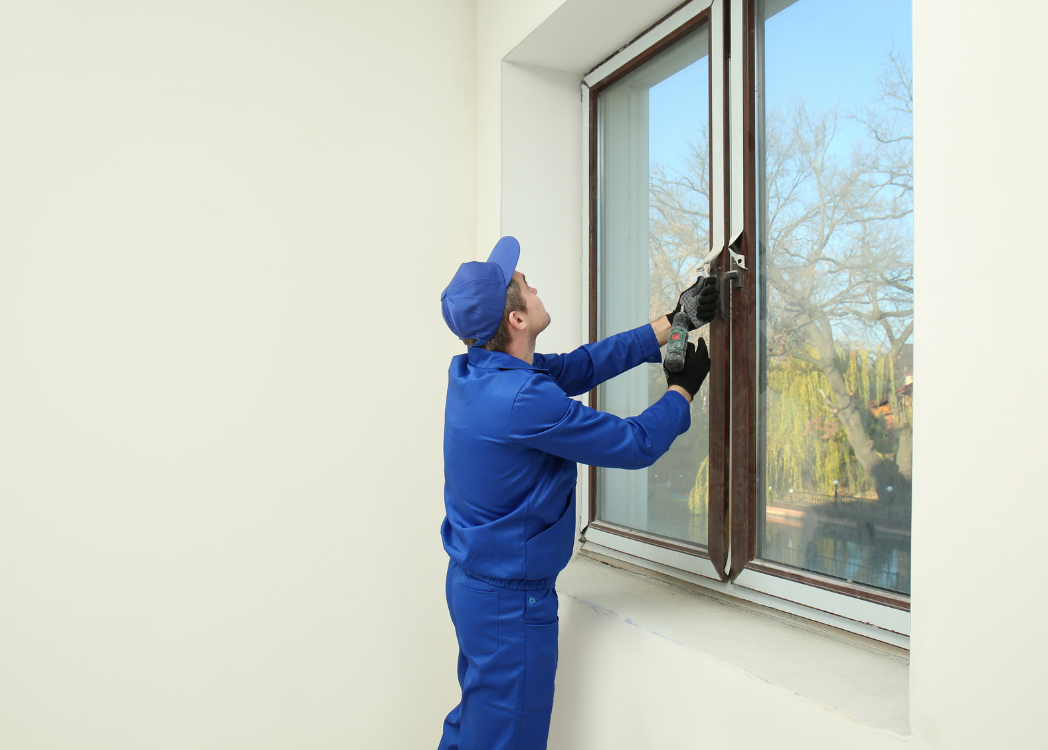
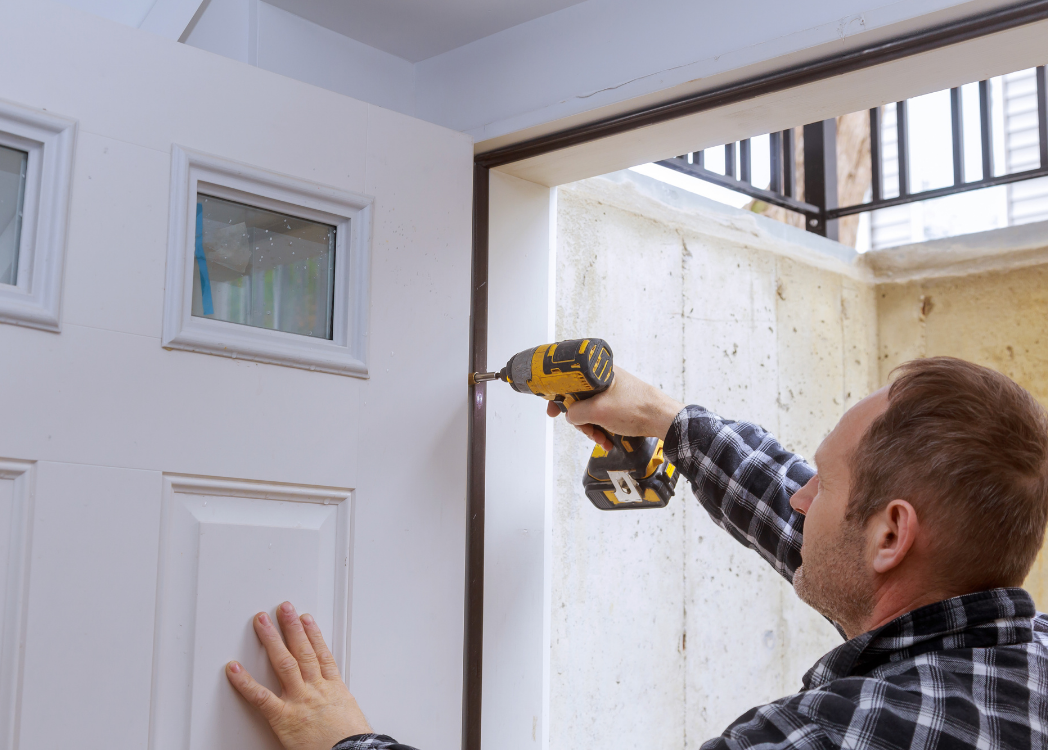
- Tightening hinge screws
- Repositioning strike plates slightly
- Lubricating window tracks
- Sanding very tight door edges (sparingly and cautiously)
It’s important to approach adjustments conservatively. Removing too much material during a humid season may create gaps once the air dries again.
Patience often prevents overcorrection.
The Role of Indoor Humidity
Maintaining balanced indoor humidity can reduce the severity of seasonal shifts. Extremely dry air in winter contributes to contraction. Excess humidity in summer encourages swelling. Moderate humidity levels help minimize dramatic expansion and contraction cycles.
Even so, some movement remains inevitable.
Understanding the “Why” Reduces Stress
Because doors and windows are used daily, small operational changes feel significant. They’re immediate and tangible.
But in most homes, these shifts reflect normal material response rather than structural failure.
Recognizing that seasonal expansion, contraction, and minor foundation adjustment occur every year reframes the experience. Instead of signalling damage, these shifts often demonstrate that materials are behaving as expected.
A Pattern Over Time
One helpful habit is simply paying attention to timing.
If a door sticks every March and eases by June, that pattern becomes reassuring rather than concerning.
Homes develop rhythms. Observing them reduces guesswork and prevents unnecessary intervention.
Minor shifts in doors and windows are often the most visible sign of seasonal change. They serve as reminders that a home is not rigid—it adapts constantly to its environment.
Understanding that movement helps homeowners respond calmly rather than reactively.