Exterior Upkeep That Improves Curb Appeal Without Major Renovations
Practical ways to refresh and protect your home’s exterior without taking on large-scale projects.
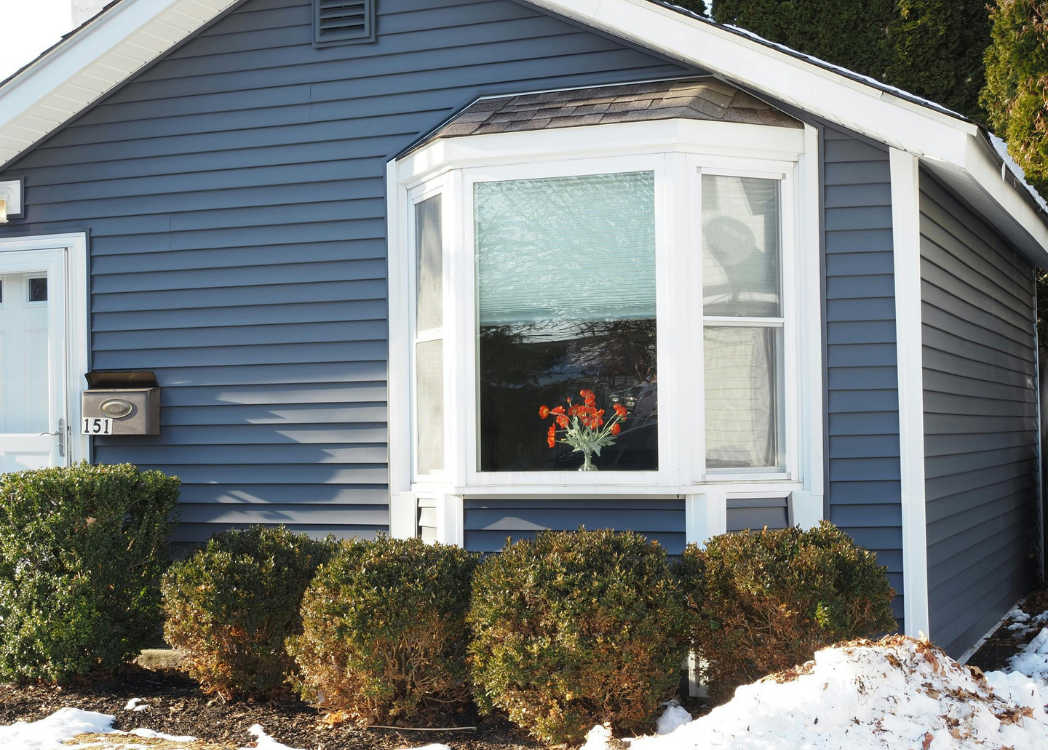
When people think about improving curb appeal, they often picture full siding replacements, new roofing, or complete landscaping overhauls. While those projects can certainly make an impact, they are not the only way to enhance a home’s exterior.
In many cases, thoughtful upkeep and modest upgrades can significantly improve how a home looks and performs—without the expense or disruption of major renovations. Exterior maintenance is not just cosmetic. It protects structural components, reduces long-term repair costs, and helps preserve the integrity of the property over time.
Understanding which small improvements deliver meaningful results can make exterior upkeep feel manageable rather than overwhelming.
Start With Condition, Not Decoration
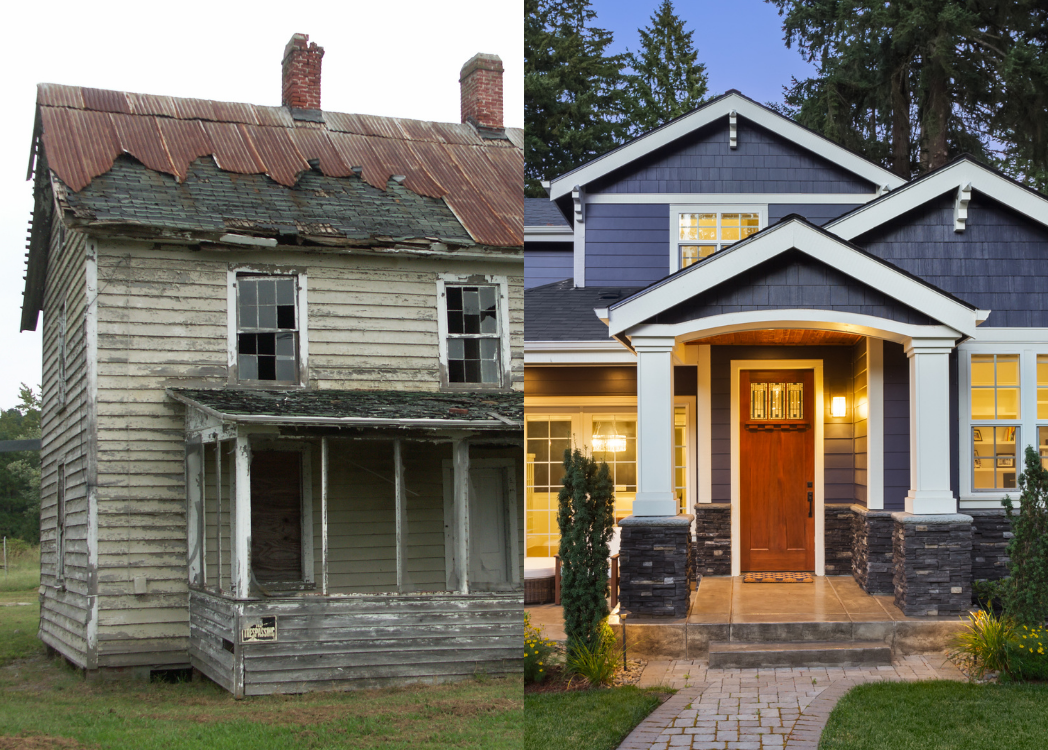
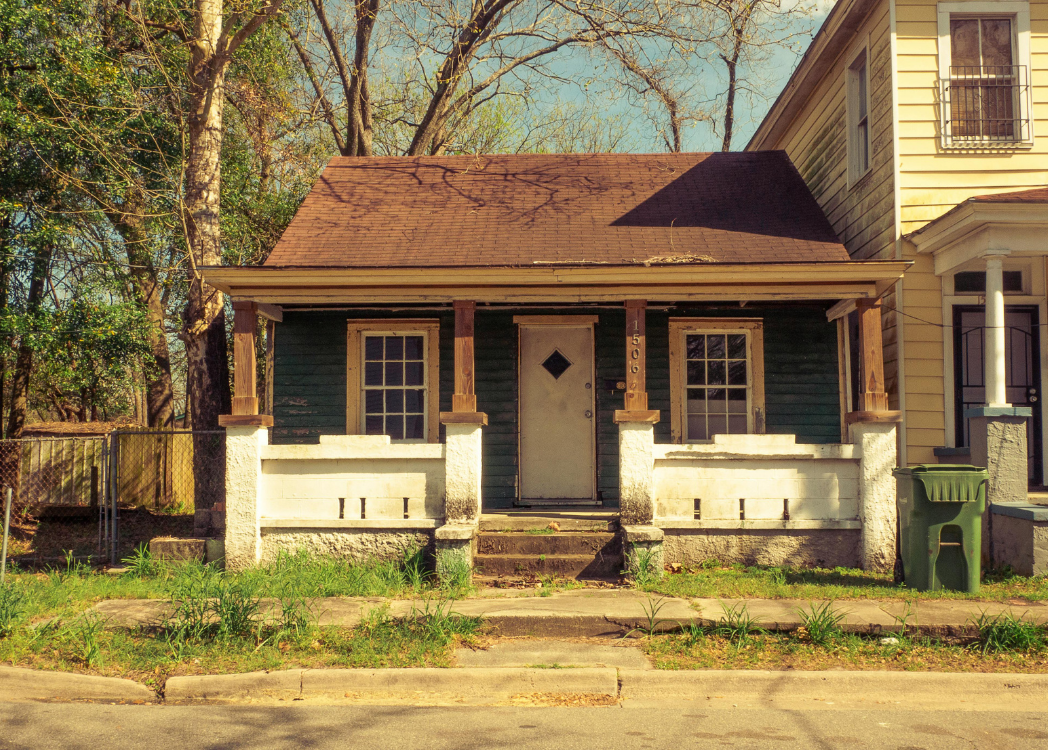
Before adding decorative elements, it’s important to assess the condition of existing materials. Peeling paint, cracked caulking, or loose trim can detract from a home’s appearance more than outdated design choices.
A simple exterior walkthrough can help identify:
- Areas of deteriorating paint
- Gaps around windows and doors
- Minor siding damage
- Loose gutters or downspouts
- Weathered trim boards
Addressing these foundational issues often creates the most noticeable improvement.
Refresh Paint Where It Matters Most
Full exterior repainting is a significant project, but targeted touch-ups can dramatically improve visual appeal.
High-impact areas include:
- Front doors
- Trim and fascia boards
- Shutters
- Porch railings
A freshly painted front door alone can change the entire impression of a home. Even cleaning and repainting worn trim can restore crisp lines and contrast.
Repair and Re-Secure Trim and Siding
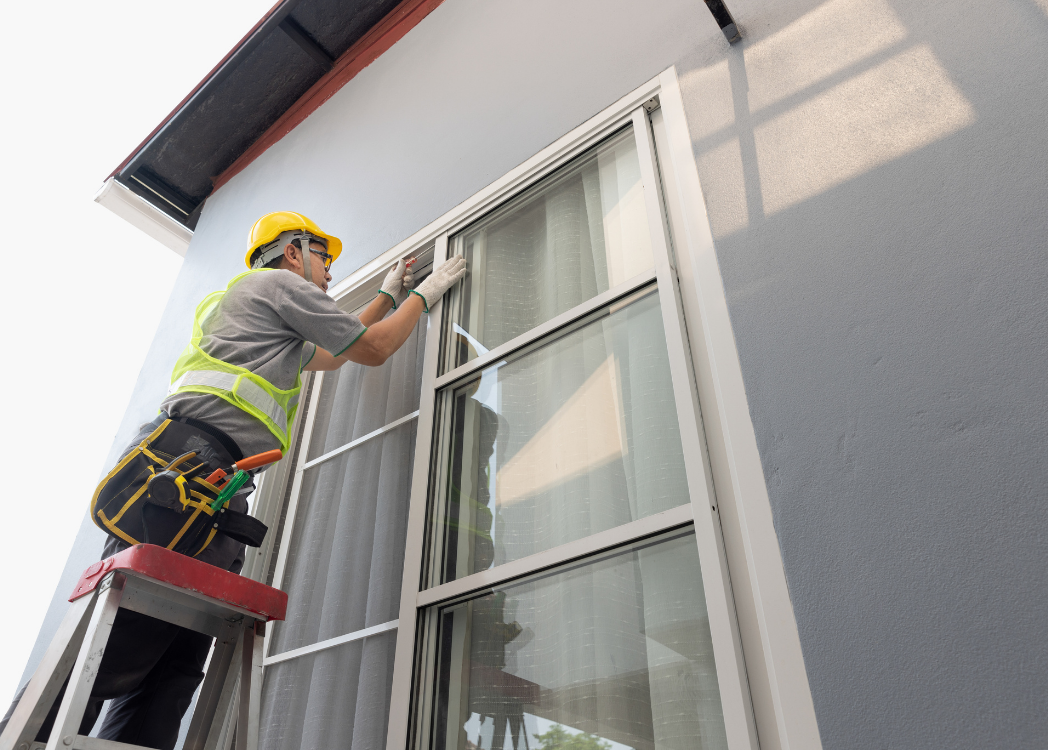
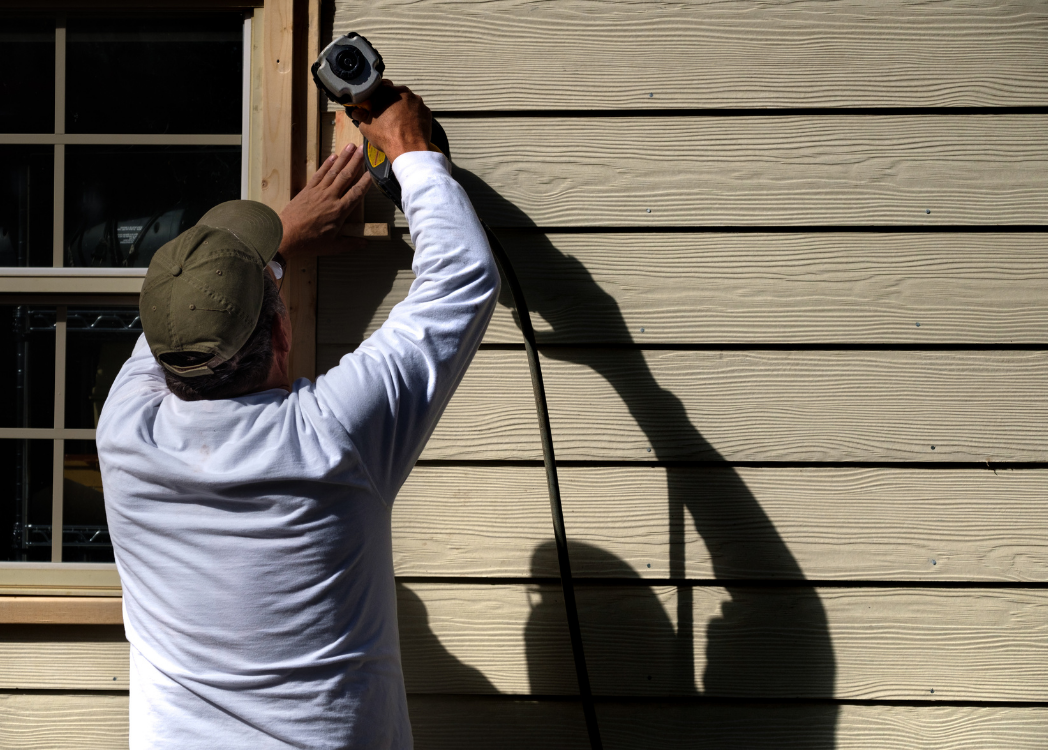
Exterior materials expand and contract with seasonal temperature changes. Over time, this movement can loosen fasteners, create gaps, or expose edges to moisture.
Minor repairs might involve:
- Reattaching loose siding panels
- Replacing small sections of damaged trim
- Securing detached corner boards
- Filling small cracks in wood or composite materials
These repairs help prevent water intrusion while improving the home’s overall finish.
Maintain Caulking and Seals
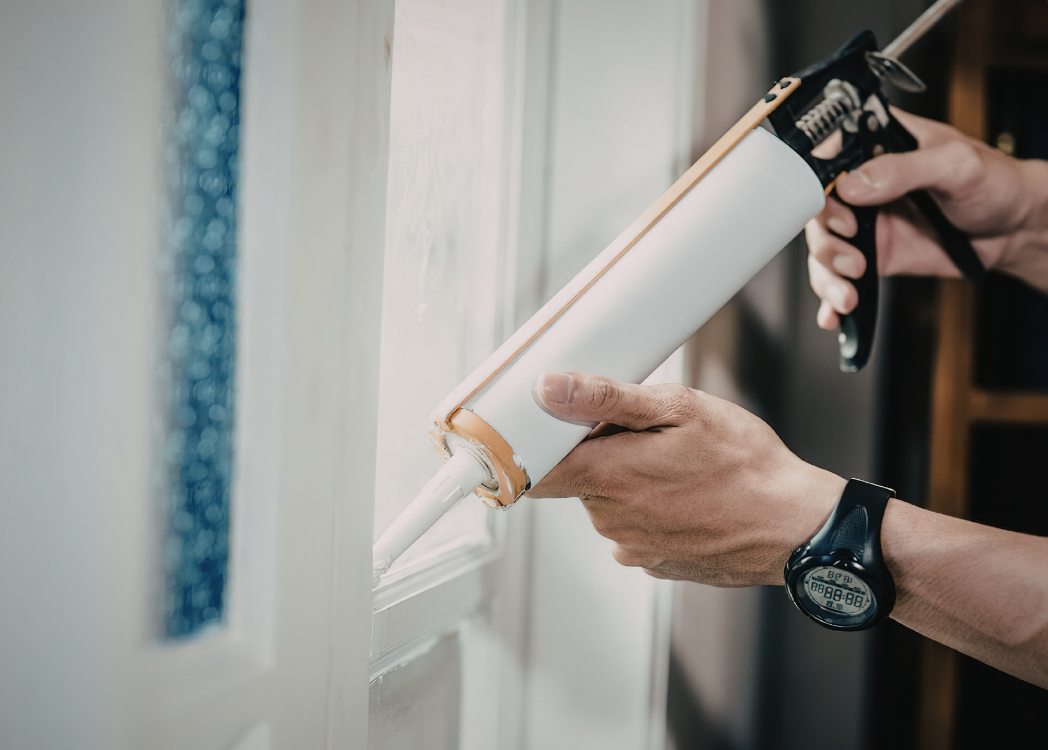
Caulking around windows, doors, and penetrations plays a critical role in moisture control. Dried, cracked, or missing sealant allows water and air infiltration, which can affect both appearance and performance.
Reapplying exterior-grade caulk where needed:
- Improves energy efficiency
- Reduces drafts
- Protects framing materials
- Enhances visual cleanliness
Because caulk deterioration is gradual, it’s often overlooked until damage becomes visible.
Clean Surfaces for Immediate Impact
One of the most effective exterior improvements is also one of the simplest: cleaning.
Over time, siding, walkways, and driveways accumulate dirt, algae, and stains. Cleaning these surfaces can:
- Brighten exterior materials
- Restore original color
- Remove slippery buildup
- Improve safety
Care must be taken to use appropriate pressure and techniques to avoid damaging surfaces, especially wood or older masonry.
Upgrade Exterior Hardware and Fixtures
Small details can strongly influence curb appeal. Outdated or weathered hardware often makes a home feel older than it is.
Consider evaluating:
- House numbers
- Mailboxes
- Exterior light fixtures
- Door handles and knockers
Replacing worn fixtures with cohesive, durable options can modernize an exterior without altering structural elements.
Address Walkways and Entry Points
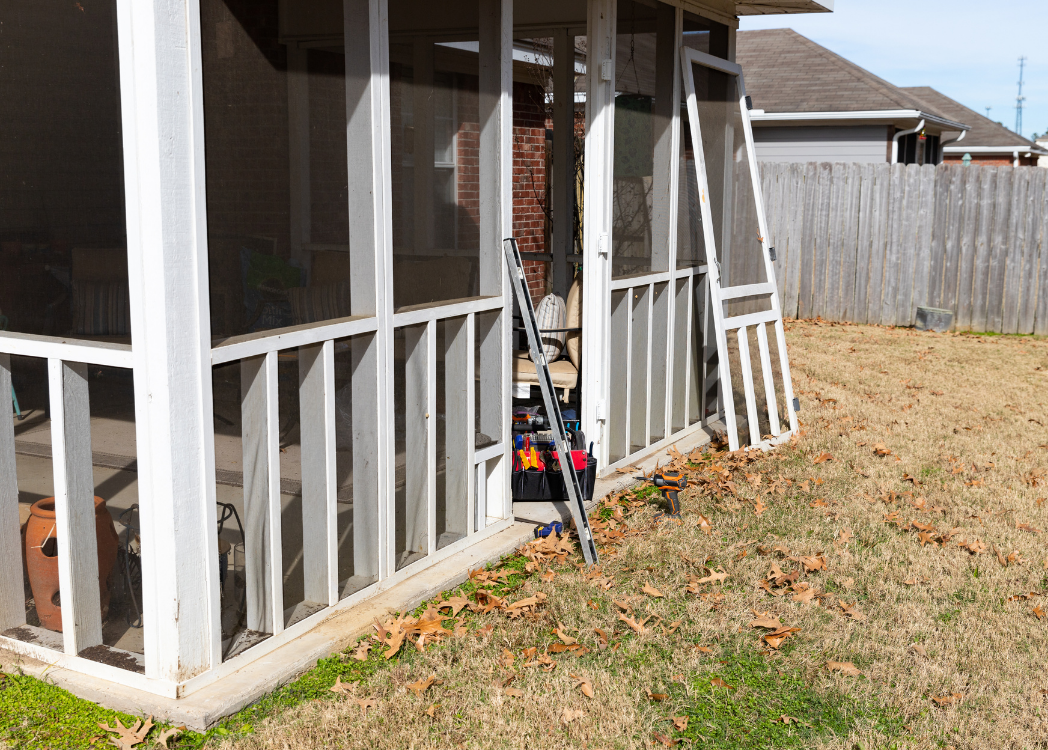
Cracked or uneven walkways not only affect appearance but may present safety concerns.
Minor improvements might include:
- Resetting loose pavers
- Filling small cracks
- Re-leveling stepping stones
- Repairing porch boards
Ensuring entry points feel stable and well-maintained contributes to both safety and overall presentation.
Evaluate Gutters and Drainage
Gutters are often overlooked unless visibly failing. However, proper drainage is essential for protecting siding, foundations, and landscaping.
Maintenance tasks may include:
- Clearing debris
- Re-securing loose brackets
- Sealing small joint leaks
- Ensuring downspouts direct water away from the foundation
Well-maintained gutters blend into the exterior rather than drawing attention.
Improve Outdoor Lighting
Exterior lighting serves both functional and aesthetic purposes. Properly positioned lighting can enhance architectural features while improving safety after dark.
Simple lighting updates may:
- Improve visibility along walkways
- Highlight entryways
- Reduce shadowed areas
- Increase overall sense of security
Energy-efficient LED fixtures also reduce long-term operating costs.
Refresh Landscaping With Structure in Mind
Landscaping does not require extensive redesign to improve curb appeal. Strategic pruning and cleanup can make a meaningful difference.
Helpful steps include:
- Trimming overgrown shrubs
- Clearing debris from planting beds
- Defining borders
- Maintaining healthy grass edges
When landscaping complements rather than overwhelms the structure, the home’s architecture stands out.
Protecting Wood and Exposed Surfaces
Decks, railings, and wooden trim are especially vulnerable to weather exposure. Faded or splintering surfaces can make an otherwise well-maintained home appear neglected.
Periodic maintenance may include:
- Cleaning and resealing wood
- Replacing damaged boards
- Tightening fasteners
- Sanding rough areas
Protective coatings extend the life of exposed materials and preserve their appearance.
Seasonal Inspection as Preventative Care
Exterior upkeep benefits from routine seasonal reviews. Small problems are easier to address before extreme weather conditions amplify them.
A seasonal exterior check may focus on:
- Storm damage
- Freeze-thaw effects
- Sun exposure wear
- Wind-related loosening
Proactive attention reduces the likelihood of sudden, large-scale repairs.
Why Small Exterior Improvements Matter
Curb appeal is often associated with resale value, but it also influences daily perception. A well-maintained exterior contributes to pride of ownership and reduces long-term maintenance costs.
More importantly, exterior upkeep protects structural components from moisture and weather damage. What begins as cosmetic maintenance often supports the integrity of the home itself.
Balancing Aesthetics and Protection
It’s easy to focus solely on appearance, but true curb appeal combines visual cleanliness with structural soundness. When paint is intact, trim is secure, and drainage functions properly, the home not only looks better—it performs better.
Exterior upkeep is less about dramatic transformation and more about consistent care. Small, thoughtful improvements accumulate over time, preserving both function and presentation.
Final Thoughts
Improving curb appeal does not require major renovation. In many cases, attention to detail and routine maintenance create noticeable results.
By focusing on repair before replacement and upkeep before overhaul, homeowners can maintain a welcoming, resilient exterior without undertaking disruptive projects.