The “Almost Invisible” Home Issues That Turn Into Big Problems Over Time
Small warning signs homeowners often overlook—and why addressing them early matters.

Most major home repairs don’t start with dramatic failures. They begin quietly—often as small changes that are easy to dismiss. A faint stain, a slow drip, a door that doesn’t close quite right. Because these issues don’t interrupt daily life right away, they’re often postponed or ignored entirely.
Over time, however, these “almost invisible” problems tend to compound. What begins as a minor inconvenience can slowly develop into structural damage, moisture intrusion, or costly system failures.
Understanding these early warning signs helps homeowners shift from reactive repairs to preventative care.
Why Small Issues Are Easy to Ignore
Homeowners live with their homes every day, which makes gradual changes harder to notice. A door that rubs slightly more each season or a crack that lengthens slowly doesn’t trigger urgency the way a burst pipe does.
There’s also a common assumption that if something isn’t actively leaking, sparking, or failing, it can wait. In reality, many of the most expensive repairs are the result of delays rather than sudden events.
1. Minor Plumbing Leaks and Slow Drips
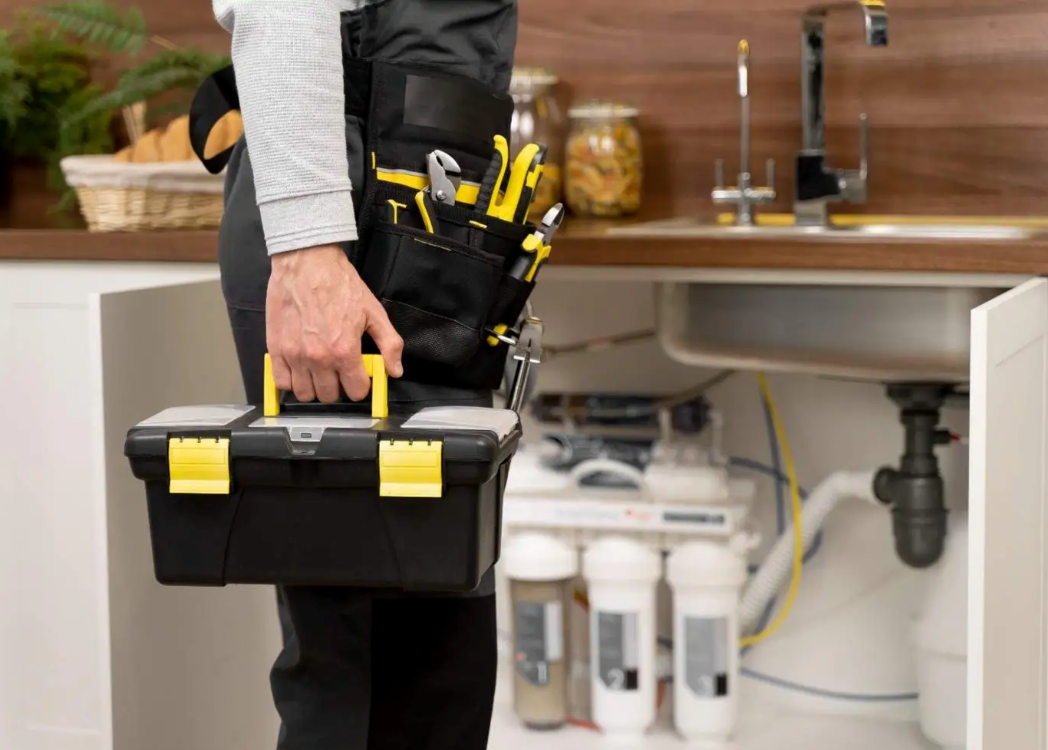
A slow drip under a sink or a slightly damp cabinet floor often gets written off as “not serious.” Unfortunately, moisture behaves differently when it’s constant.
Over time, slow leaks can:
- Damage cabinet bases and subflooring
- Encourage mold growth
- Weaken surrounding materials
- Attract pests
Because these leaks are often hidden, damage may progress long before it becomes visible from the outside.
2. Aging or Failing Caulking
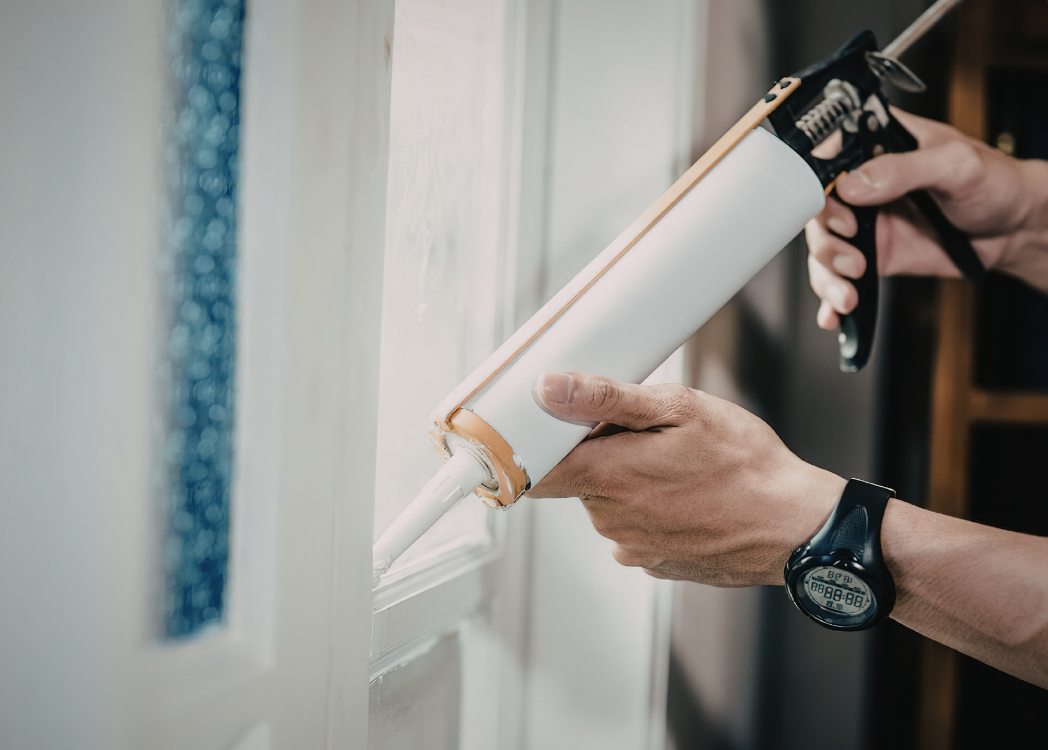
Caulking serves as a protective barrier, especially in kitchens, bathrooms, and around windows and doors. When it dries out, cracks, or pulls away, it allows moisture to reach areas not designed to handle it.
Common consequences include:
- Water behind tile or fixtures
- Softened drywall or plaster
- Rot in window framing
- Staining and mold growth
Since caulking failure is gradual, it’s often overlooked until damage is already underway.
3. Loose Railings and Fixtures
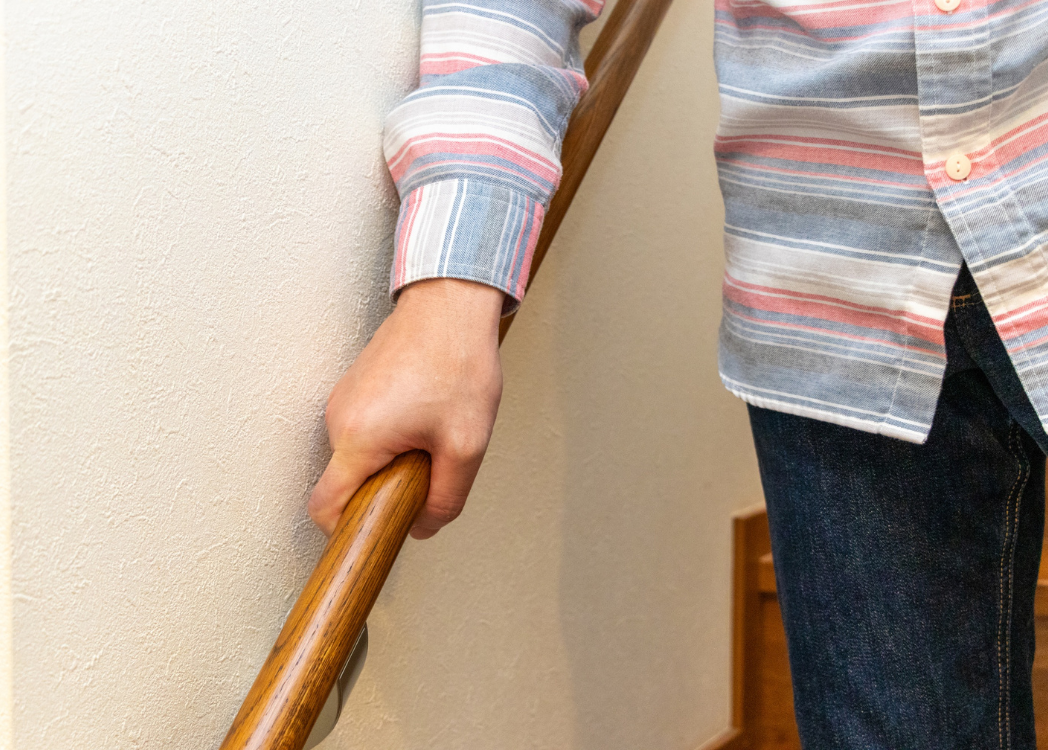
A slightly wobbly stair railing or loose grab bar may not seem urgent, particularly if it still “works.” Over time, though, movement enlarges mounting holes and weakens attachment points.
Left unaddressed, loose fixtures can:
- Damage wall framing or anchors
- Create safety risks
- Require more extensive wall repairs later
Securing these items early often prevents both injury and more invasive fixes.
4. Hairline Cracks That Change Over Time
Not all cracks are cause for concern, but changes matter. Small drywall or plaster cracks that widen, lengthen, or reappear after repair can indicate ongoing movement.
Potential contributors include:
- Seasonal expansion and contraction
- Minor foundation settling
- Moisture changes
Monitoring cracks—and noting changes—helps homeowners distinguish between cosmetic issues and ones that deserve closer evaluation.
5. Doors and Windows That Stop Operating Smoothly
Sticking doors and windows are often blamed on humidity or temperature changes, but repeated difficulty usually signals movement or alignment issues.
Over time, these issues can:
- Damage frames and hinges
- Compromise weather seals
- Increase air and moisture infiltration
What starts as a nuisance can eventually require more extensive carpentry or replacement if ignored.
6. Subtle Electrical Warning Signs
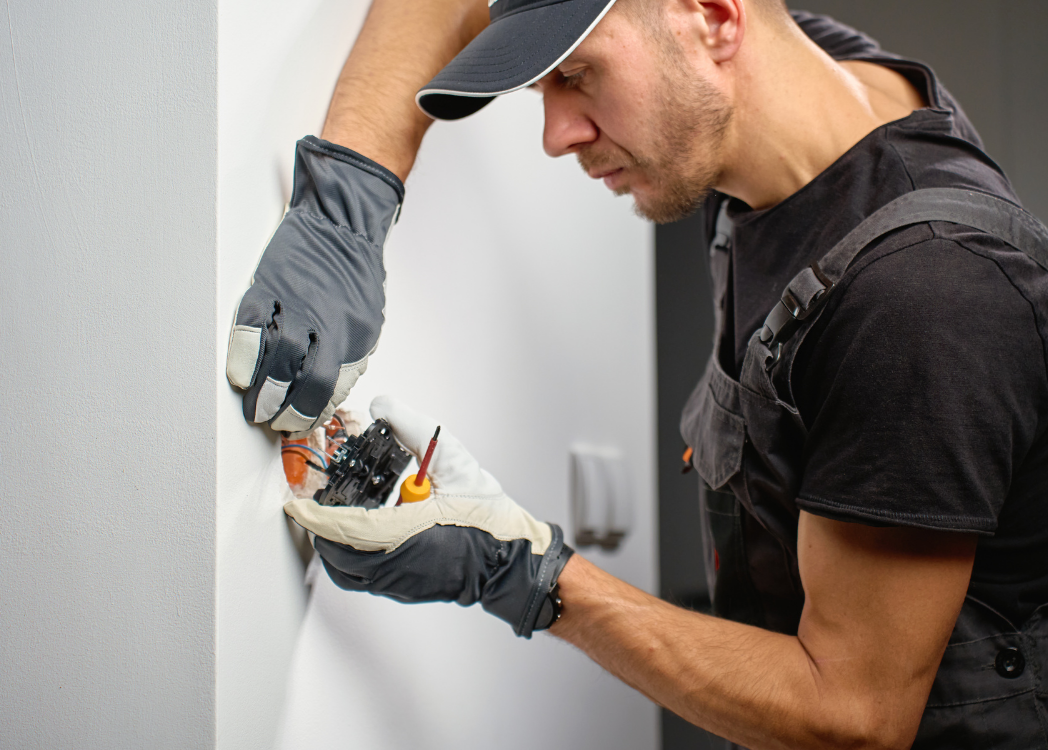
Electrical issues rarely fail without warning. Early signs often include:
- Flickering lights
- Warm switch plates
- Outlets that no longer hold plugs securely
- Breakers that trip intermittently
While these symptoms may appear minor, they often indicate loose connections or aging components that can worsen over time.
7. Small Exterior Gaps and Openings
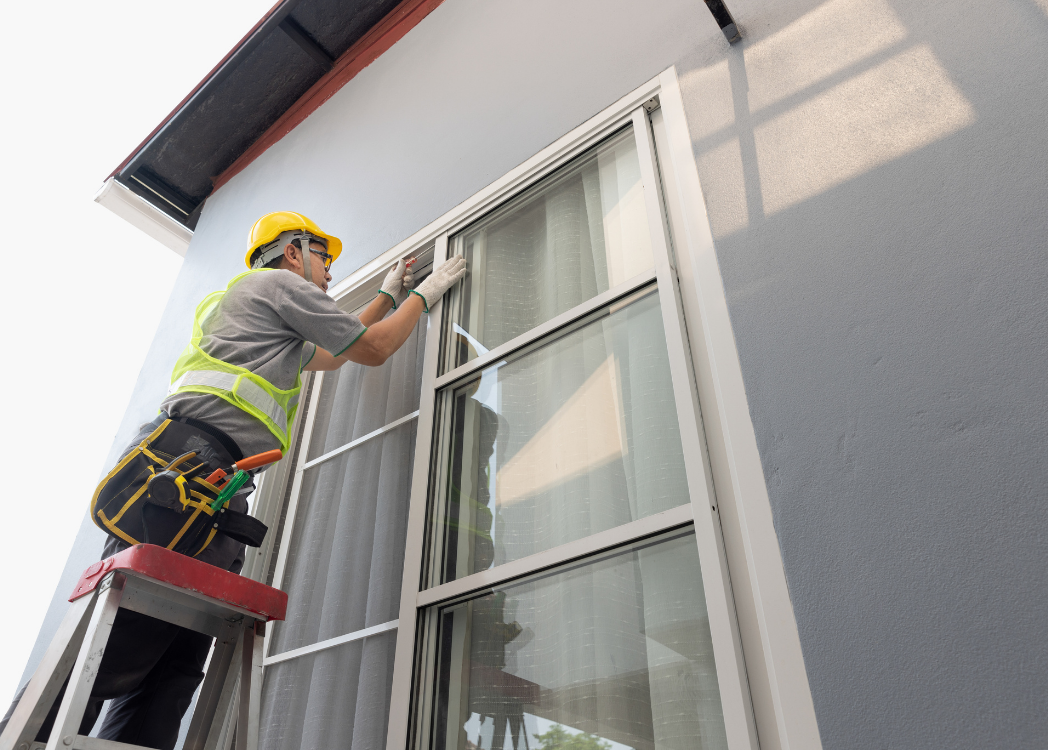
Exterior gaps around siding, trim, or utility penetrations are easy to miss but can allow moisture and pests into wall assemblies.
Consequences may include:
- Water intrusion behind siding
- Wood rot
- Insect nesting
- Reduced insulation effectiveness
Because exterior damage often progresses inward, visible signs may appear late in the process.
8. Poor Ventilation in High-Moisture Areas
Bathrooms, kitchens, and laundry areas rely on ventilation to control moisture. Fans that are undersized, improperly vented, or no longer effective may still operate—but not adequately.
Excess moisture can lead to:
- Mold growth
- Peeling paint
- Softened drywall
- Odors that linger
Ventilation problems often worsen gradually, making them easy to overlook.
9. Slow or Inconsistent Drainage
Drains that empty slowly but don’t fully clog are often ignored. However, repeated slow drainage may signal buildup, improper slope, or partial obstructions.
Over time, these conditions can:
- Increase pressure on plumbing joints
- Lead to backups
- Mask developing leaks
Addressing drainage issues early can prevent more disruptive plumbing problems later.
10. Small Roof or Flashing Deficiencies
Roofing issues don’t always announce themselves with interior leaks. Early signs may include:
- Lifted shingles
- Minor flashing gaps
- Sealant deterioration
Water entering at these points may travel along framing before becoming visible, increasing repair scope.

Why These Issues Become Expensive Later
Small problems rarely stay small because homes are interconnected systems. Moisture affects wood, which affects structure. Movement affects finishes, which exposes materials to further damage.
Delaying repairs often means:
- Larger affected areas
- More trades involved
- Higher material and labor costs
Preventative attention usually limits damage to the original problem area.
Developing an “Early Attention” Mindset
Preventative home care doesn’t require constant vigilance—it requires awareness. Periodic walk-throughs, paying attention to changes, and addressing small issues promptly can dramatically reduce long-term repair needs.
Helpful habits include:
- Noting changes rather than dismissing them
- Rechecking previously repaired areas
- Addressing patterns rather than isolated symptoms
Using Small Repairs as Planning Tools
Rather than viewing small fixes as annoyances, they can serve as signals. A recurring issue may point to a deeper cause worth addressing holistically.
Approaching repairs as part of a long-term plan helps homeowners maintain control rather than react under pressure.
Final Thoughts
Most costly home repairs don’t begin as emergencies. They start quietly, often in places that are easy to ignore. By recognizing and addressing small issues early, homeowners protect not just their homes—but their time, finances, and peace of mind.
Thoughtful maintenance doesn’t eliminate repairs. It makes them manageable.