Why “Just One More Project” Is So Common in Chicago Homes
How homes slowly reveal needs you didn’t plan for.
There’s a moment many Chicago homeowners recognize well. A project wraps up—something small, maybe long overdue—and for a brief moment, it feels like the list is finally getting shorter. Then something else becomes noticeable.
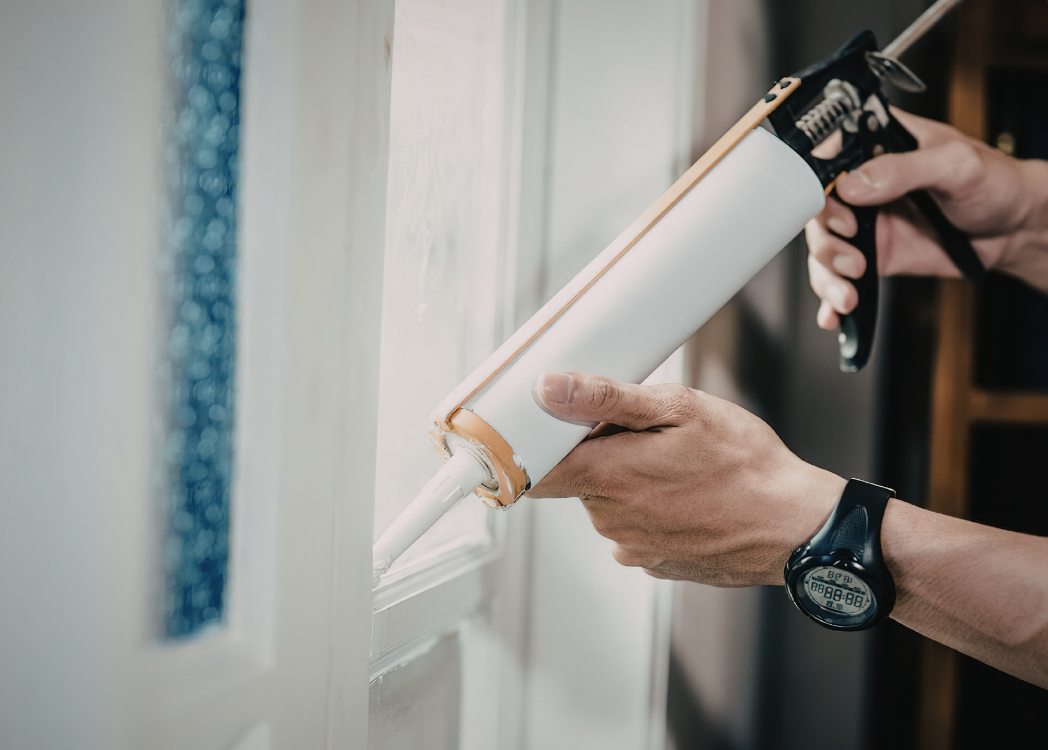
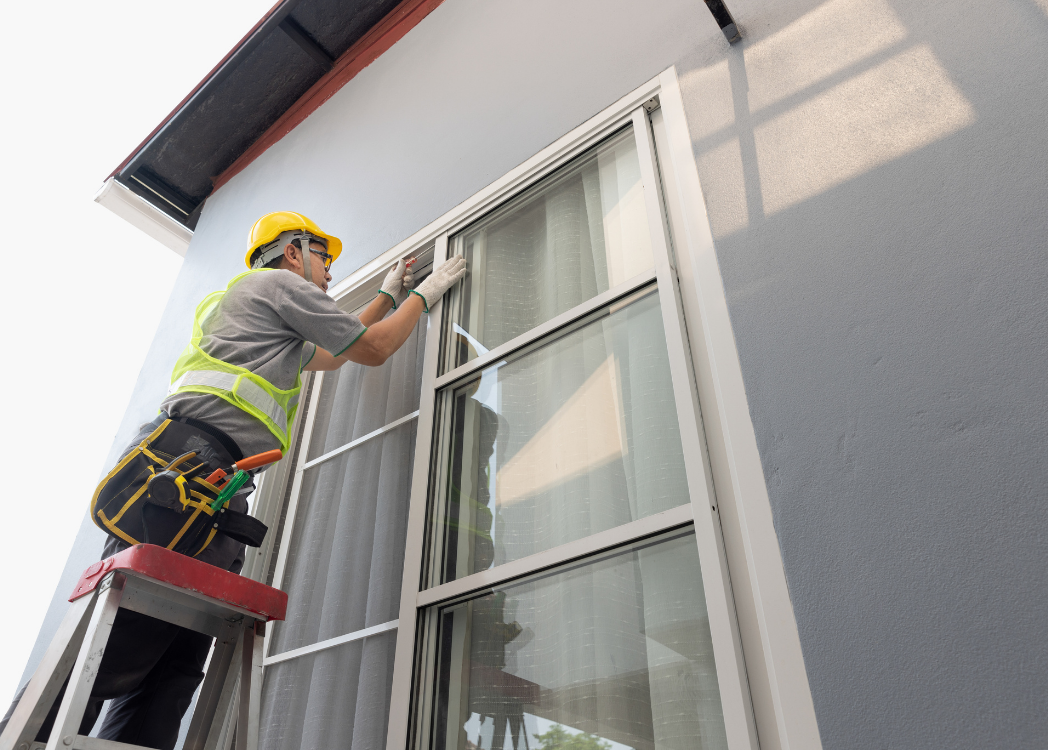
A door that never quite closed right. A draft you hadn’t felt before. A small repair that suddenly feels more urgent now that everything else looks better.
This is how “just one more project” quietly becomes a pattern.
In Chicago homes—especially older ones—this experience isn’t a sign of poor planning or constant problems. It’s often a reflection of how homes evolve over time, and how living in them reveals things no inspection or checklist ever fully captures.
Why Projects Tend to Appear One at a Time
Most homeowners don’t move into a home with a complete understanding of how it will feel to live there year after year. Instead, they learn gradually—through seasons, routines, and daily use.
Many small projects surface because:
- Homes reveal issues incrementally, not all at once
- Attention shifts once one issue is resolved
- Comfort expectations change over time
- Seasonal changes expose new needs
What once felt tolerable becomes more noticeable as other things improve. This isn’t failure—it’s awareness.
Older Chicago Homes Add Layers to the Experience
Chicago’s housing stock plays a significant role in why projects feel ongoing. Many homes were built decades ago, often using materials and methods that behave differently than modern construction.
Common characteristics include:
- Plaster walls instead of drywall
- Layered renovations from multiple eras
- Non-standard framing or dimensions
- Systems added or updated in phases
Each update interacts with what already exists. Fixing one area can make another stand out—not because something broke, but because contrast increased.
Small Fixes Can Create Big Visual Shifts
One reason “one more project” feels so persistent is that small fixes often have outsized visual or functional impact.
For example:
- Repairing trim highlights worn flooring nearby
- Fixing lighting makes uneven walls more noticeable
- Adjusting a door draws attention to surrounding hardware
Once a space improves, the eye naturally moves to what hasn’t been addressed yet. This is a human response—not a flaw in the home.
Expectations Shift as Homes Become More Familiar
When homeowners first move in, they often accept quirks as part of the package. Over time, familiarity changes how those quirks feel.
What starts as:
“That’s just how the house is”
can slowly become:
“We could probably improve that.”
This shift usually happens after:
- Living through multiple seasons
- Hosting guests
- Spending more time at home
- Experiencing daily routines repeatedly
The home hasn’t necessarily changed—expectations have.

Seasonal Living Reveals New Priorities
Chicago’s seasons are particularly good at uncovering needs.
Homeowners often notice:
- Drafts in winter that weren’t apparent in fall
- Lighting issues during shorter days
- Moisture patterns in spring
- Wear and tear after summer activity
Each season acts like a different lens. As one season ends and another begins, new projects naturally rise to the surface.
Why Projects Feel Never-Ending (Even When They’re Not)
Many homeowners describe a sense of home improvement fatigue—not because projects are large, but because they’re continuous.
This feeling often comes from:
- Projects being discovered reactively
- Lists growing faster than they shrink
- Difficulty defining a “finished” state
- Emotional investment in the home
Unlike a renovation with a clear endpoint, incremental improvements don’t offer the same sense of closure—even though they steadily improve livability.
Layered Fixes Are a Normal Part of Home Ownership
Homes rarely improve in one sweeping transformation. More often, they evolve through layers of small adjustments made over time.
These layers reflect:
- Changing lifestyles
- Aging materials
- Improved understanding of the home
- Shifting priorities
What feels like “one more project” is often part of a longer arc of adaptation rather than a cycle of repair.
Chicago Homes Evolve With Their Owners
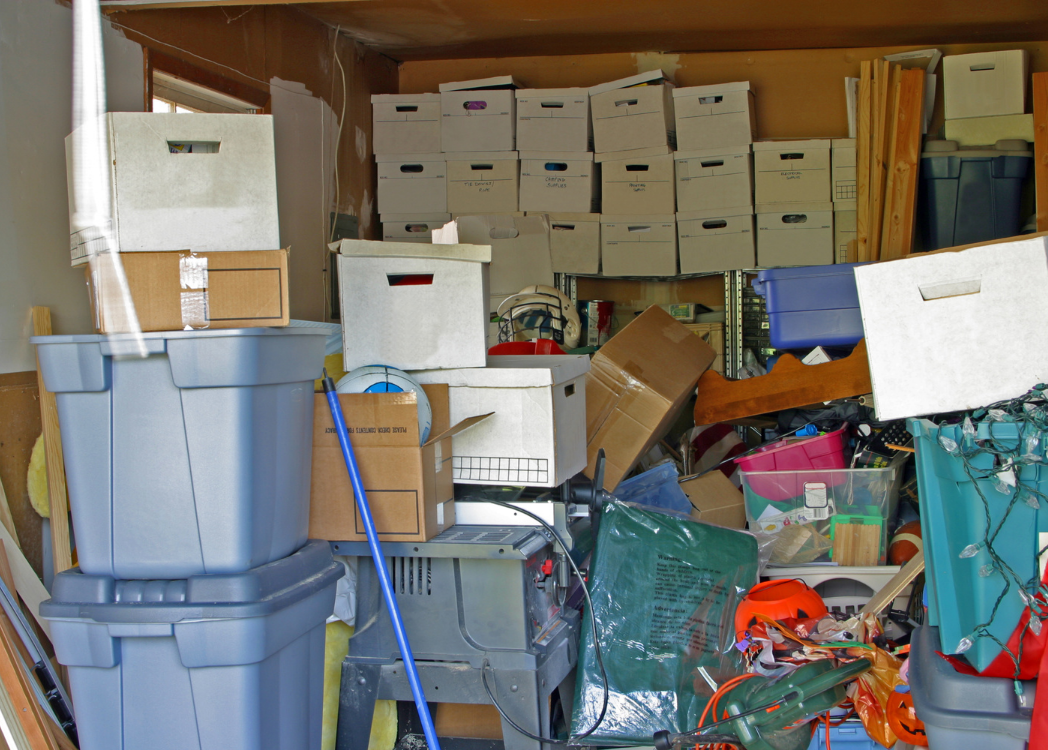
Over time, homes adapt to the people living in them. Storage gets rethought. Layouts shift subtly. Access points become more important. Comfort becomes a priority over appearance.
In this way, ongoing projects are less about fixing problems and more about aligning the home with how it’s actually used.
This is especially true in older Chicago homes, where original layouts were designed for lifestyles very different from today’s.
The Difference Between Maintenance and Improvement Blurs
Another reason projects feel endless is that the line between maintenance and improvement isn’t always clear.
For example:
- Fixing a door might involve alignment and new hardware
- Addressing drafts might lead to trim repairs
- Updating lighting can expose electrical or wall issues
What begins as maintenance often edges into improvement—not because homeowners overextend, but because systems are interconnected.
Normalizing Incremental Progress
One of the most helpful mindset shifts for homeowners is recognizing that progress doesn’t always look dramatic.
Incremental improvements:
- Reduce stress over time
- Improve daily comfort
- Prevent larger issues later
- Reflect lived experience rather than ideal plans
Viewed this way, “just one more project” becomes less frustrating and more expected.
Letting Go of the Idea of “Done”
Many experienced homeowners eventually realize that homes are never truly “finished.” They’re maintained, adjusted, and refined as needs change.
Letting go of the idea of a final endpoint often reduces pressure and makes projects feel more manageable.
Instead of asking:
“Why is there always something else?”
Homeowners may find it more helpful to ask:
“What would make the home work better right now?”
A More Realistic Way to Think About Home Projects
Chicago homes—especially older ones—aren’t static. They respond to weather, use, and time. The projects that surface over the years aren’t signs of failure; they’re signals of engagement and care.
Understanding this doesn’t eliminate projects—but it can change how they feel.