What Happens After a Home Inspection: Tackling the Punch List Without the Stress
How to prioritize inspection findings, understand what matters most, and plan next steps with clarity.

For many homeowners and buyers, the home inspection marks a turning point. It’s often the moment when excitement gives way to a long list of notes, photos, and recommendations that can feel overwhelming at first glance.
An inspection punch list isn’t a report card on a home—it’s a snapshot of its condition at a specific moment in time. Understanding how to read that list, prioritize items, and plan repairs thoughtfully can make the process far more manageable.
What a Home Inspection Is (and Isn’t)
A home inspection is designed to identify visible and accessible issues related to safety, function, and major systems. Inspectors document concerns so homeowners can make informed decisions—not to suggest that everything must be fixed immediately.
An inspection:
- Highlights current or potential issues
- Flags safety and performance concerns
- Provides context for future maintenance
It does not guarantee that hidden issues don’t exist, nor does it imply that a home is in poor condition.
Why the Punch List Feels Overwhelming
Inspection reports often include dozens of items, ranging from small adjustments to more significant repairs. Seeing them all listed together can make the home feel problematic, even when many items are routine or preventative.
The key is understanding that not all items carry the same weight.

Breaking the Punch List Into Categories
Organizing inspection findings into clear categories helps remove emotion and confusion from the process.
1. Safety-Related Items
These typically deserve the highest priority and may include:
- Loose or missing railings
- Electrical hazards
- Tripping hazards
- Improperly vented appliances
Even if these repairs are straightforward, addressing them early helps protect occupants and visitors.
2. Water and Moisture Concerns
Water-related issues often come next because they can cause damage over time.
Common examples:
- Active leaks or signs of past leaks
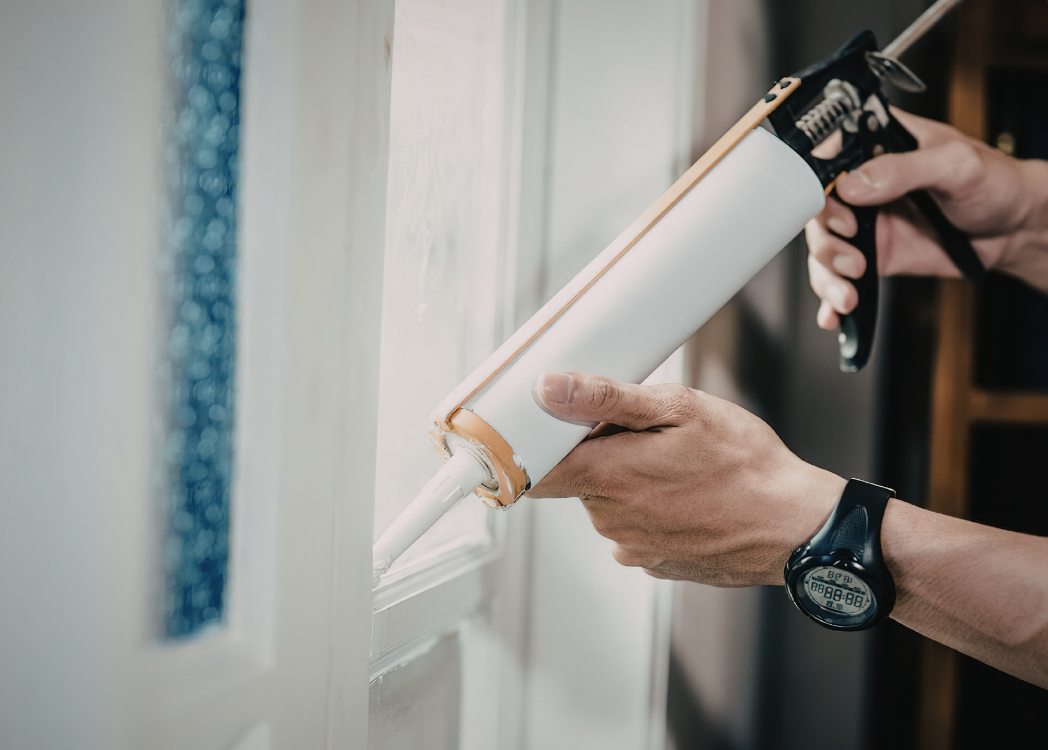
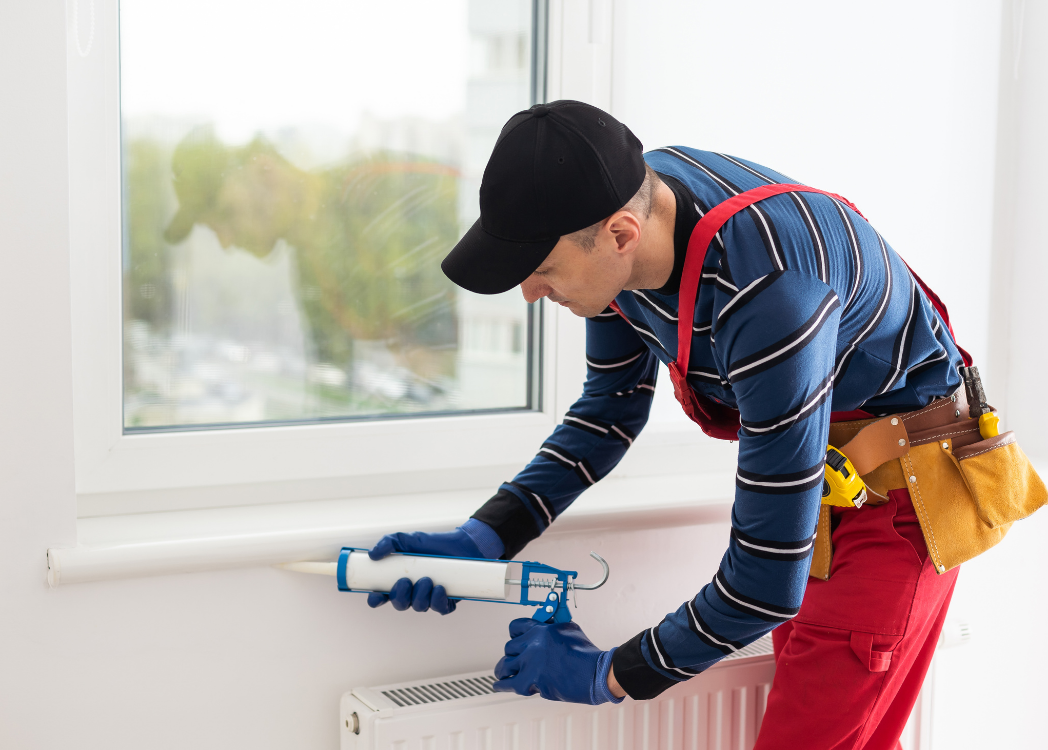
- Missing or failing caulking
- Improper drainage
- Poor ventilation in moisture-prone areas
Moisture issues tend to worsen rather than resolve themselves.
3. Structural and Mechanical Notes
These findings often sound serious but may simply require monitoring or future planning.
Examples include:
- Foundation cracks that show no movement
- Aging HVAC components
- Roof wear approaching the end of service life
These items help homeowners plan ahead rather than react later.
4. Maintenance and Minor Repairs
This category often makes up the bulk of a punch list.
Items may include:
- Loose hardware
- Sticking doors or windows
- Minor drywall cracks
- Inconsistent caulking
Individually small, these repairs often benefit from being grouped together.
What Usually Doesn’t Need Immediate Action
Not every inspection note requires urgent attention. Cosmetic concerns, older-but-functioning systems, and items marked as “monitor” are often informational rather than critical.
Understanding the inspector’s language—such as “recommend evaluation” versus “repair needed”—can help clarify urgency.
How to Prioritize Without Overreacting
A helpful approach is to ask:
- Does this affect safety?
- Does it involve water or moisture?
- Will delaying this increase cost or damage?
If the answer is no to all three, the repair may be suitable for later planning.

Bundling Repairs for Efficiency
Many inspection punch list items are small on their own but inefficient to address individually. Grouping repairs by trade, location, or urgency often saves time and reduces disruption.
Examples:
- Addressing multiple door and hardware issues at once
- Handling caulking throughout the home in a single visit
- Combining minor electrical fixes
This approach also helps homeowners better understand overall scope.
Inspection Reports as Long-Term Planning Tools
Even after repairs are completed, inspection reports remain useful references. They document:
- System ages
- Areas to monitor
- Past observations
Keeping the report accessible can help guide future maintenance and budgeting decisions.
Final Thoughts
A home inspection punch list is not a checklist for perfection. It’s a tool for awareness and planning. When approached methodically, it becomes less about stress and more about understanding the home you live in—or are about to own.
By organizing findings, prioritizing thoughtfully, and addressing issues over time, homeowners can move forward with confidence rather than concern.