A Chicago Homeowner’s Guide to Caring for Older and Historic Homes
How to maintain character, avoid common pitfalls, and plan repairs thoughtfully in older properties.
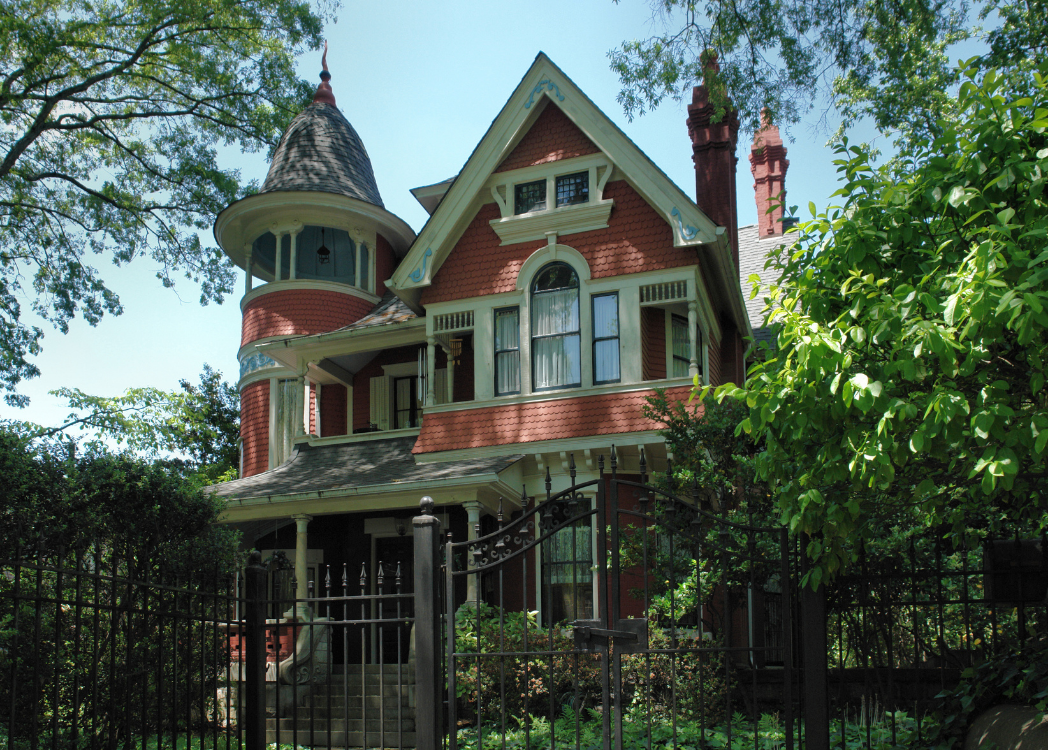
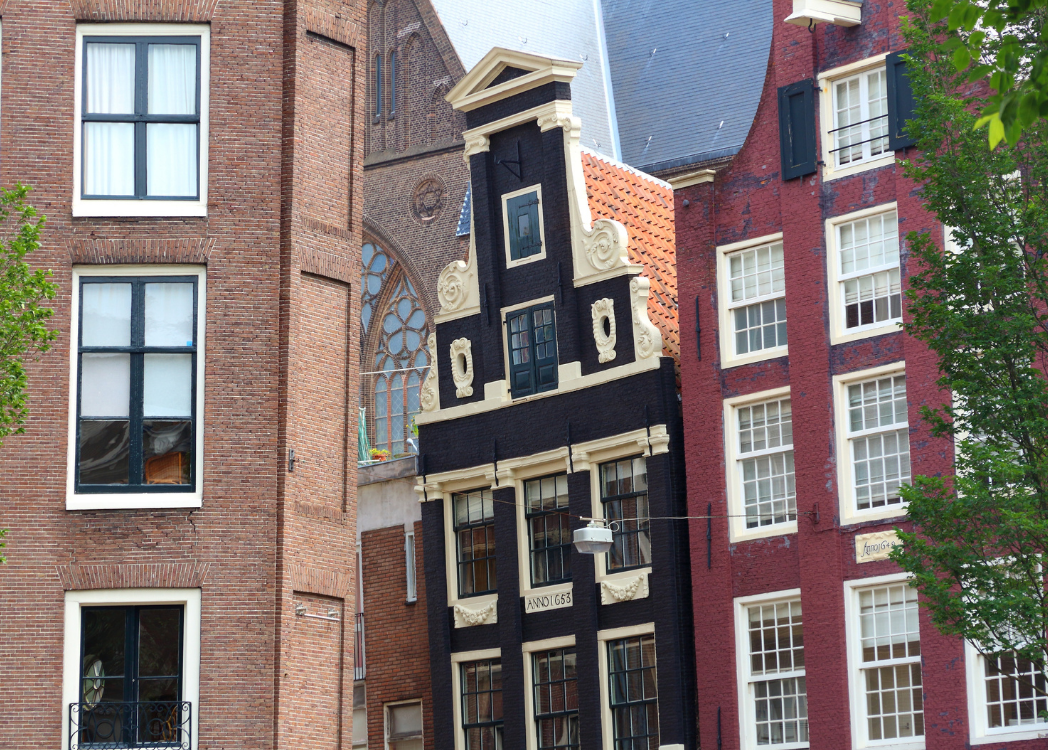
Older and historic homes are often admired for their character, craftsmanship, and sense of permanence. From original hardwood floors and detailed trim work to solid masonry and unique layouts, these homes offer features that are hard to replicate today.
At the same time, caring for an older home requires a different mindset than maintaining a newer build. Materials age differently, systems may have been updated in stages, and repairs often require a balance between preservation and practicality.
Understanding how older homes function—and where they tend to need attention—can help homeowners maintain them responsibly without losing what makes them special.
Understanding How Older Homes Were Built
Homes built decades ago were constructed with materials and methods that differ significantly from modern standards. Plaster walls, solid wood framing, masonry foundations, and older mechanical systems were common.
These homes were often designed to “breathe,” meaning air movement through walls and materials was expected. When modern upgrades are added without considering this, issues like trapped moisture or uneven temperatures can develop.
Caring for an older home starts with recognizing that newer solutions aren’t always better—they just need to be applied thoughtfully.
Common Areas That Require Ongoing Attention
While every home is unique, older properties tend to share certain maintenance needs.
Plaster Walls and Ceilings
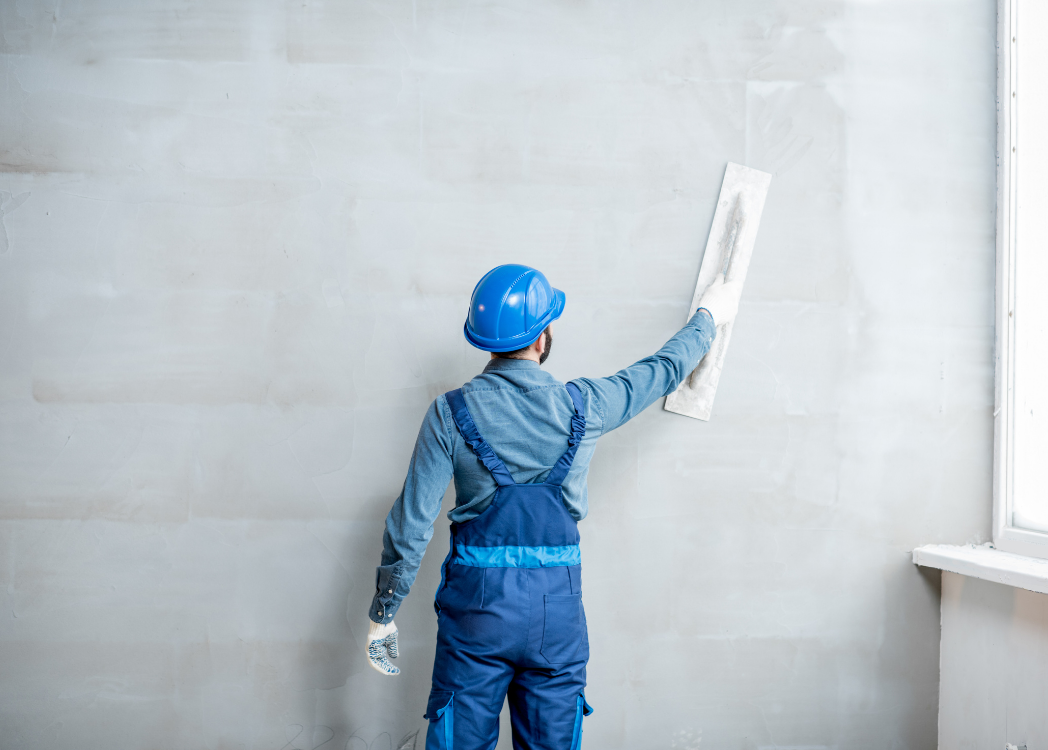
Plaster is durable but less forgiving than drywall. Small cracks are common due to settling and seasonal movement.
What to watch for:
- Hairline cracks that grow over time
- Areas that sound hollow when tapped
- Minor separation around windows and doors
Not all cracks indicate a serious issue, but understanding which ones are cosmetic versus structural is important.
Windows and Doors
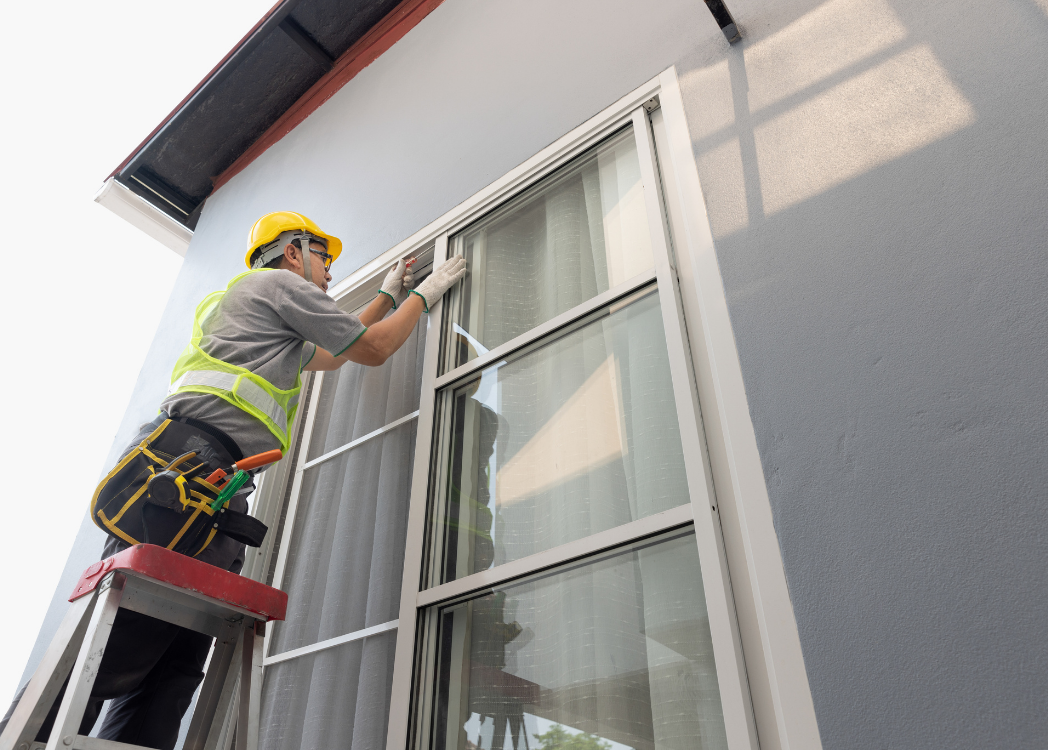
Original wood windows and doors are often one of an older home’s most attractive features—but also one of the most maintenance-heavy.
Common concerns include:
- Drafts caused by worn weatherstripping
- Sticking due to frame movement
- Paint buildup affecting operation
With proper care, many original windows can continue functioning well without full replacement.
Electrical Systems
Older homes frequently have electrical systems that were expanded over time rather than fully replaced. This can result in:
- Limited outlets
- Mixed wiring types
- Older panels that no longer meet modern needs
Even if the system appears functional, periodic evaluation helps ensure safety and adequate capacity for modern living.
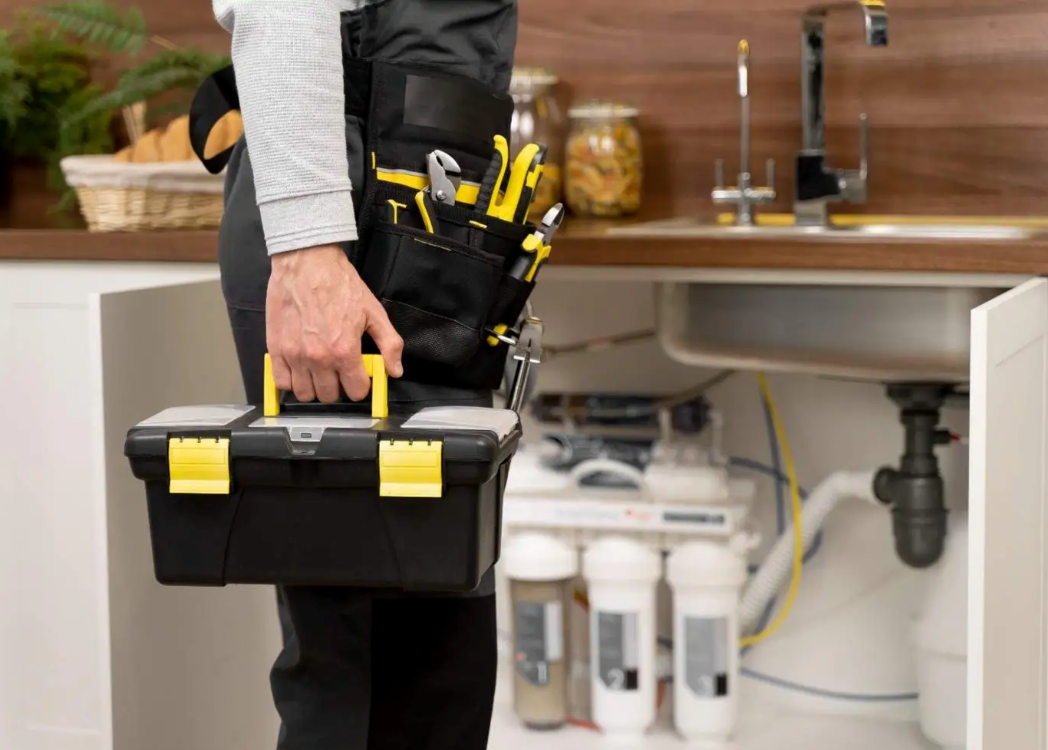
Plumbing and Drainage
Plumbing materials used in older homes vary widely depending on age and past updates. Some materials naturally deteriorate, while others remain reliable for decades.
Slow drains, recurring leaks, or water pressure changes often signal aging components rather than isolated issues.
Balancing Preservation With Practicality
One of the most common challenges in older homes is deciding when to preserve and when to update. While maintaining original features is valuable, safety, efficiency, and comfort still matter.
Thoughtful upgrades often focus on:
- Improving function without altering appearance
- Reinforcing existing materials rather than replacing them
- Updating systems while minimizing visible changes
The goal isn’t perfection—it’s longevity.
Moisture Management Is Critical
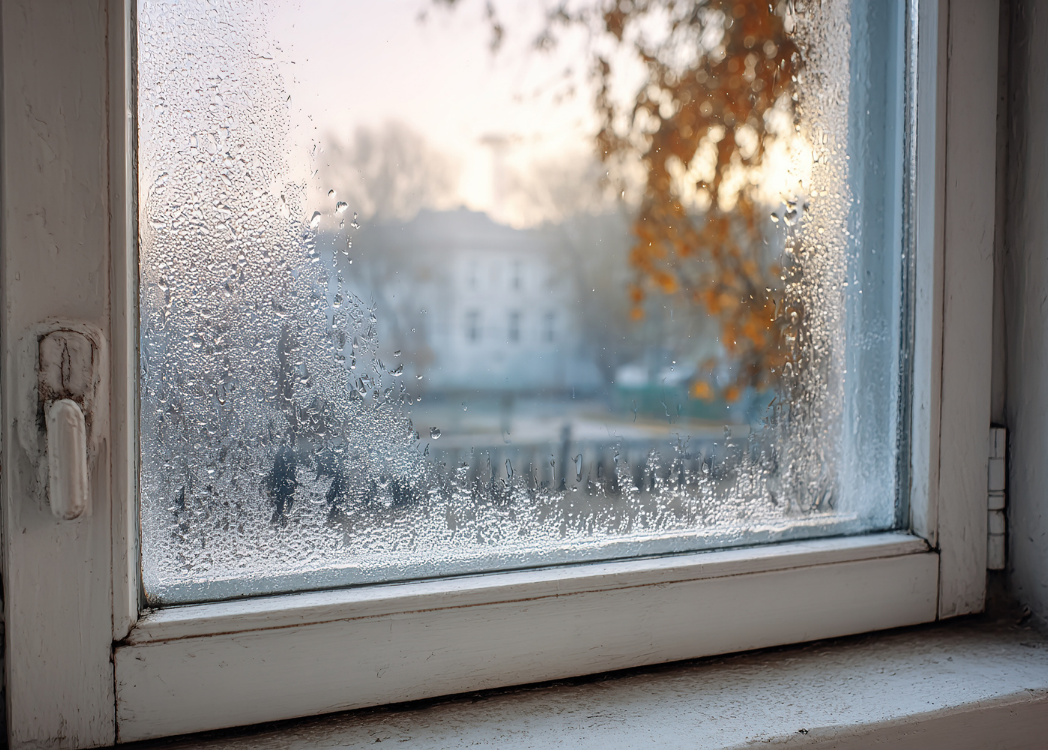
Moisture is one of the biggest threats to older homes. Because many were built before modern waterproofing methods, managing water becomes essential.
Key areas to monitor:
- Roof flashing and drainage
- Foundation walls and basement moisture
- Bathroom and kitchen ventilation
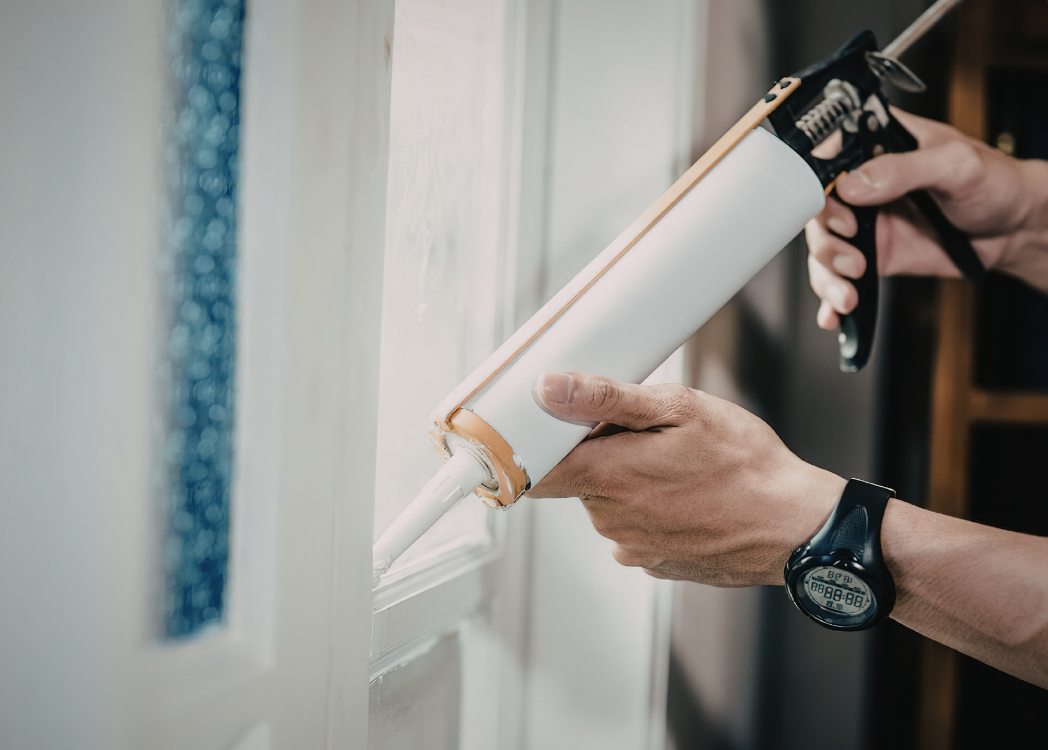
- Exterior caulking and masonry joints
Addressing moisture early helps protect wood, plaster, and structural elements from long-term damage.
Planning Repairs in Phases
Older homes often benefit from phased repair planning. Instead of tackling everything at once, homeowners can prioritize based on urgency and impact.
A typical approach includes:
- Safety-related issues
- Water intrusion and moisture control
- Structural and mechanical systems
- Comfort and cosmetic improvements
This method allows homeowners to spread costs over time while steadily improving the home.
Why Routine Maintenance Matters More in Older Homes
Small issues in older homes tend to compound more quickly. A loose piece of trim may expose plaster, which allows moisture intrusion, leading to more extensive repairs later.
Routine attention—tightening hardware, sealing gaps, monitoring changes—can significantly extend the life of original materials.
Final Thoughts
Older and historic homes reward attentive ownership. While they may require more planning and patience, they also offer durability, craftsmanship, and character that many homeowners deeply value.
With an understanding of how these homes function and a proactive approach to maintenance, it’s possible to preserve their history while keeping them comfortable and functional for years to come.