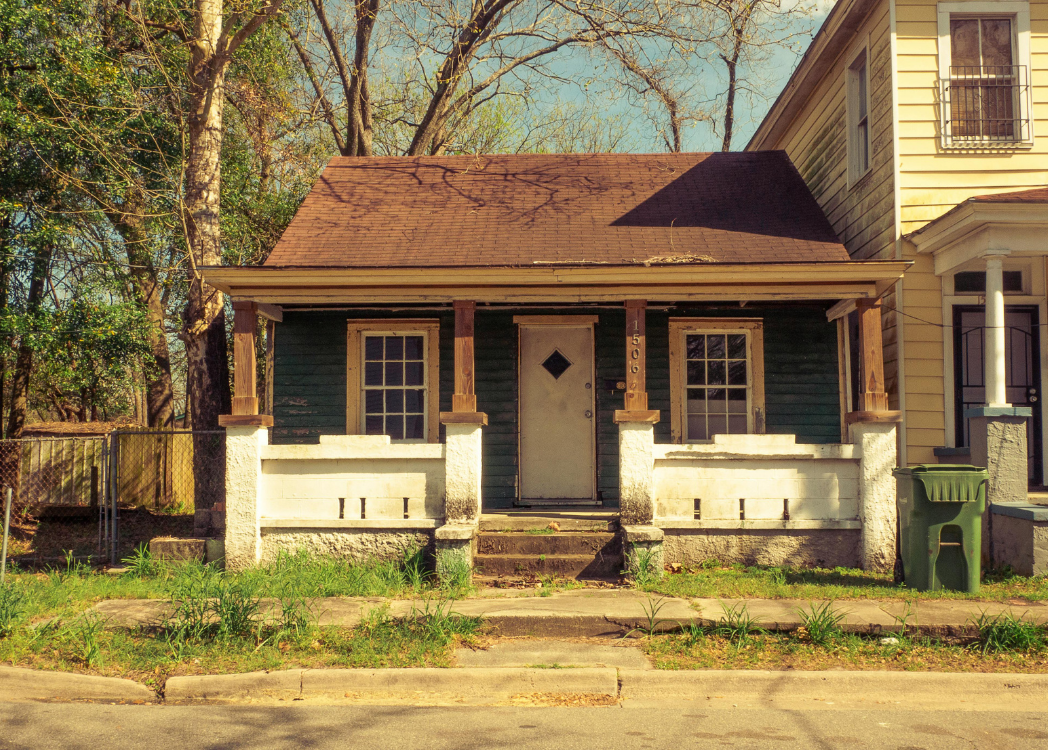
Why Small Repairs Feel Bigger in Older Chicago Homes
How age, materials, and design influence everyday home fixes.

In many older Chicago homes, it’s not unusual for a “simple” repair to feel anything but simple. A loose door latch turns into an alignment issue. A small wall patch reveals layers of old material. A quick hardware swap takes longer than expected—not because something went wrong, but because the home itself carries history.
For homeowners new to older properties, this can feel surprising or even frustrating. For longtime Chicago homeowners, it often becomes familiar: small repairs tend to involve more thought, more patience, and more planning than they initially appear to require.
Understanding why this happens can help reset expectations and make everyday home care feel more manageable.
Older Homes Weren’t Built for Modern Convenience
Many Chicago homes were built long before modern building standards, materials, and layouts became common. At the time, these homes were well constructed—but they were designed around the needs, tools, and expectations of their era.
As a result, repairs today often involve:
- Materials no longer widely used
- Construction methods that vary from room to room
- Non-standard sizing for doors, walls, and framing
What feels like a minor fix in a newer home may require additional steps simply because nothing is standardized.
Layered Materials Add Complexity
One of the most common reasons small repairs feel bigger in older homes is layering. Over decades, homes accumulate layers—sometimes literally.
Walls may include:
- Original plaster
- Multiple paint layers
- Prior patchwork from different eras
Floors, trim, and hardware often tell similar stories. Each layer adds character, but it also adds complexity when making changes or repairs.
Removing, patching, or adjusting one layer often affects another, turning a small task into a more involved process.
Plaster Changes the Repair Equation
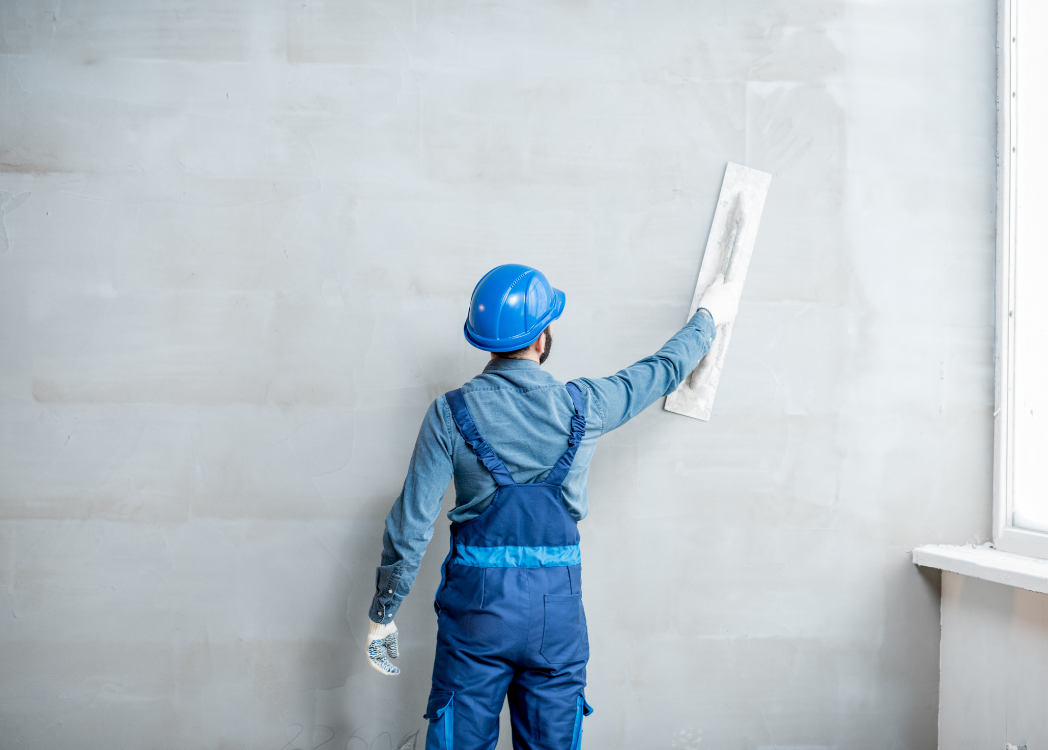
Plaster is one of the defining features of many older Chicago homes. While durable, it behaves very differently than drywall.
Homeowners often notice that:
- Small cracks reappear after patching
- Repairs take longer to blend seamlessly
- Minor wall work feels more delicate
Plaster doesn’t flex the same way modern materials do, which means repairs often require more care to avoid creating new cracks nearby.
Old Framing Isn’t Always Square
In newer construction, framing tends to be consistent and level. In older homes, that’s not always the case—and that matters more than people expect.
When framing isn’t perfectly square:
- Doors may not close cleanly
- Cabinets may sit slightly off
- Trim gaps can appear uneven
Fixing one issue can sometimes reveal another nearby. This isn’t a sign of poor workmanship—it’s simply the reality of a home that has settled and shifted over time.
Expectations Are Often Based on Newer Homes
Many homeowners carry expectations shaped by newer construction, even if they’ve lived in older homes for years.
In newer homes:
- Repairs tend to be modular
- Materials are predictable
- Replacement parts are standardized
In older Chicago homes, repairs are often custom by necessity. Even when the issue is small, finding the right solution may take more time.
Recognizing this difference helps homeowners reframe repairs as adjustments rather than inconveniences.
“Simple” Fixes Can Have Ripple Effects
Another reason small repairs feel bigger is that older homes are more interconnected than they appear.
Examples homeowners often encounter:
- Adjusting a door affects adjacent trim
- Repairing a wall highlights uneven surfaces nearby
- Updating hardware exposes old holes or anchors
Each fix interacts with surrounding elements that may not be perfectly aligned or modernized.
Patience Becomes Part of Home Care
In older homes, patience isn’t about delay—it’s about respect for the structure.
Homeowners who settle into older properties often learn:
- Rushing repairs leads to visible shortcuts
- Thoughtful planning improves results
- Incremental fixes age better than quick swaps
This mindset shift helps reduce frustration and creates more lasting outcomes.

Planning Matters More Than Speed
Because small repairs can uncover unexpected conditions, planning becomes more important than speed.
That planning might involve:
- Allowing extra time for repairs
- Being open to alternative solutions
- Understanding that not every fix has a single “right” answer
This flexibility is often what makes older homes feel livable rather than overwhelming.
Older Homes Ask More of Their Owners
Living in an older Chicago home often means becoming more observant. Homeowners notice patterns:
- Doors that behave differently by season
- Walls that show subtle movement
- Materials that respond to weather changes
These observations don’t signal failure—they signal familiarity.
Over time, many homeowners come to see these quirks as part of the home’s personality rather than constant problems.
Reframing Small Repairs as Ongoing Care
Instead of viewing small repairs as setbacks, many Chicago homeowners find it helpful to see them as part of ongoing stewardship.
Older homes weren’t meant to be static. They evolve as their owners do, and small adjustments are often how that evolution happens.
Why Understanding This Reduces Frustration
When homeowners understand why small repairs feel bigger, they tend to:
- Feel less caught off guard
- Make calmer decisions
- Approach fixes with more confidence
Expectation management often matters more than the repair itself.
Living Well in an Older Home
Older Chicago homes reward patience, curiosity, and care. While small repairs may take more effort, they also connect homeowners more closely to how their homes function.
That awareness often leads to better decisions, fewer rushed fixes, and a deeper appreciation for homes that have already stood the test of time.