What First-Time Chicago Homeowners Are Often Surprised By
Lessons that only show up after move-in.

Buying a home in Chicago is a major milestone. For many first-time homeowners, it represents stability, independence, and a long-term investment. The process itself—finding a place, navigating inspections, closing—often feels like the hard part.
But once the boxes are unpacked and daily life begins, many homeowners realize that living in a Chicago home brings a new set of lessons. These aren’t usually deal-breakers or regrets—just realities that don’t fully register until you experience them firsthand.
Over time, patterns emerge. Certain surprises show up again and again for first-time Chicago homeowners, regardless of neighborhood, price point, or home type.
The Weather Affects More Than Comfort
Most people expect Chicago winters to be cold. What’s more surprising is how much the weather influences the behavior of the home itself.
After move-in, homeowners often notice:
- Doors that stick in winter but not summer
- Floors that creak more during dry months
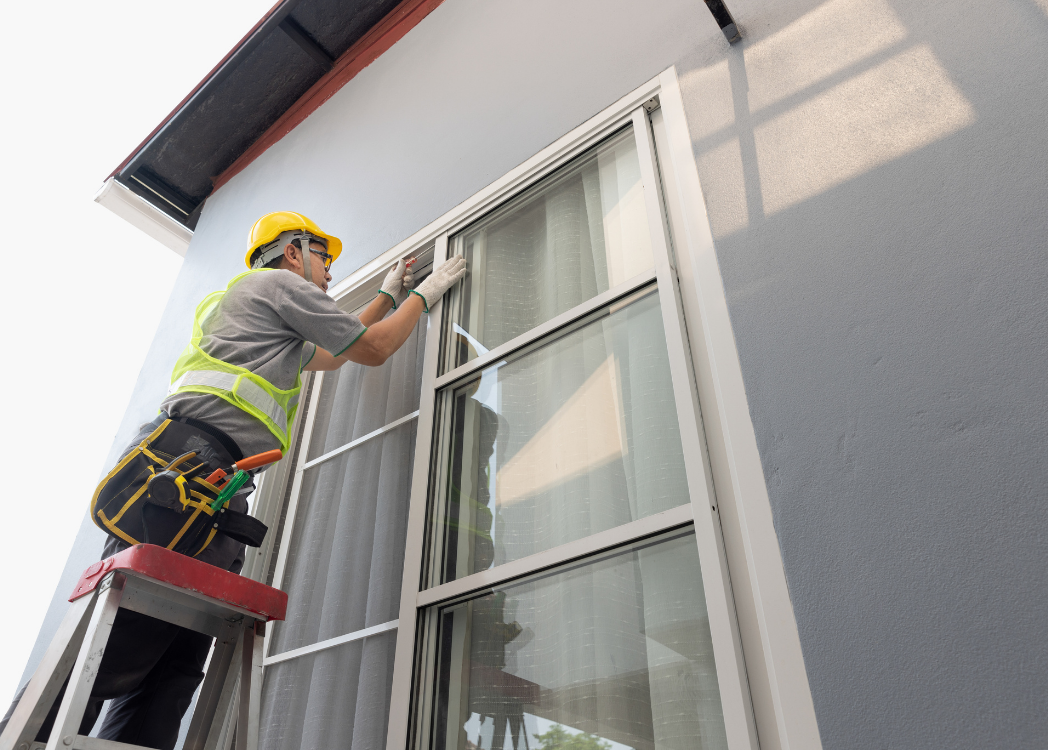
- Condensation appearing on windows
- Drafts that weren’t obvious during showings
Chicago’s freeze-thaw cycles and seasonal humidity swings place constant stress on materials. These changes aren’t necessarily signs of poor construction—they’re part of living in a climate where homes expand, contract, and adjust year-round.
For first-time owners, it can be surprising to realize that comfort isn’t static. Homes feel different in January than they do in July, and learning those rhythms takes time.
Older Homes Come With Character—and Quirks
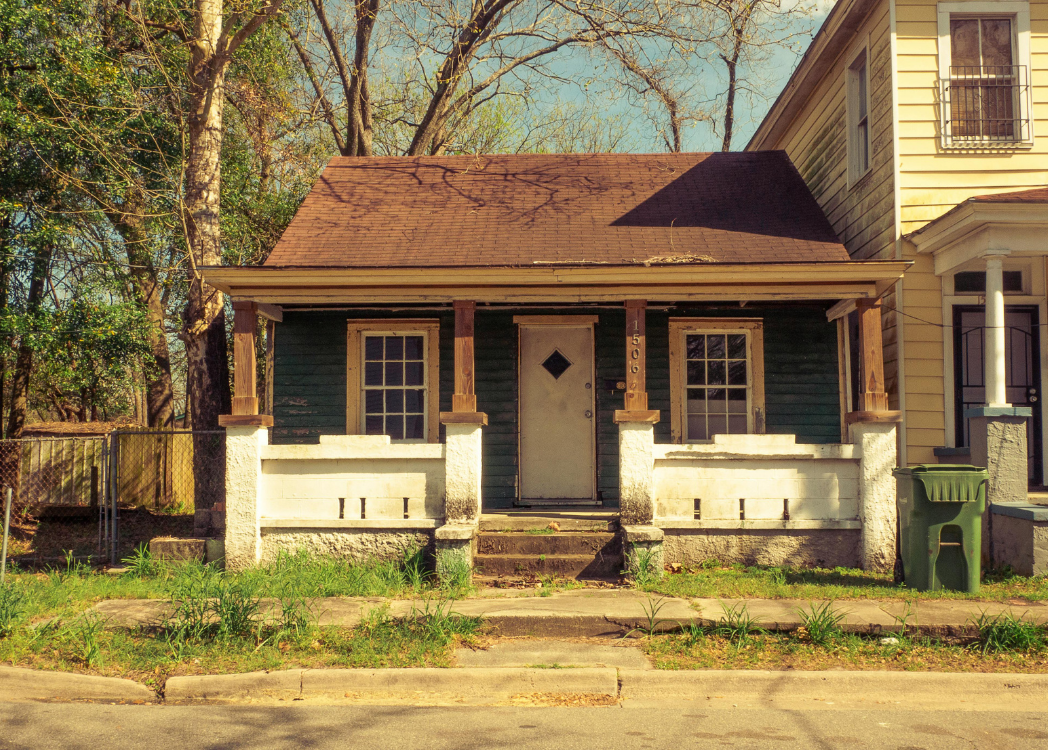
Many Chicago homes are older, and that’s often part of their appeal. Vintage details, solid construction, and established neighborhoods draw people in. What first-time owners don’t always anticipate is how age influences everyday maintenance.
Common realizations include:
- Walls may be plaster, not drywall
- Framing may be non-standard
- Repairs often reveal layered materials
- Simple updates sometimes take longer than expected
None of this means something is “wrong.” It simply reflects how homes were built in different eras. Adjusting expectations around timelines and processes is often one of the biggest mindset shifts for new owners.
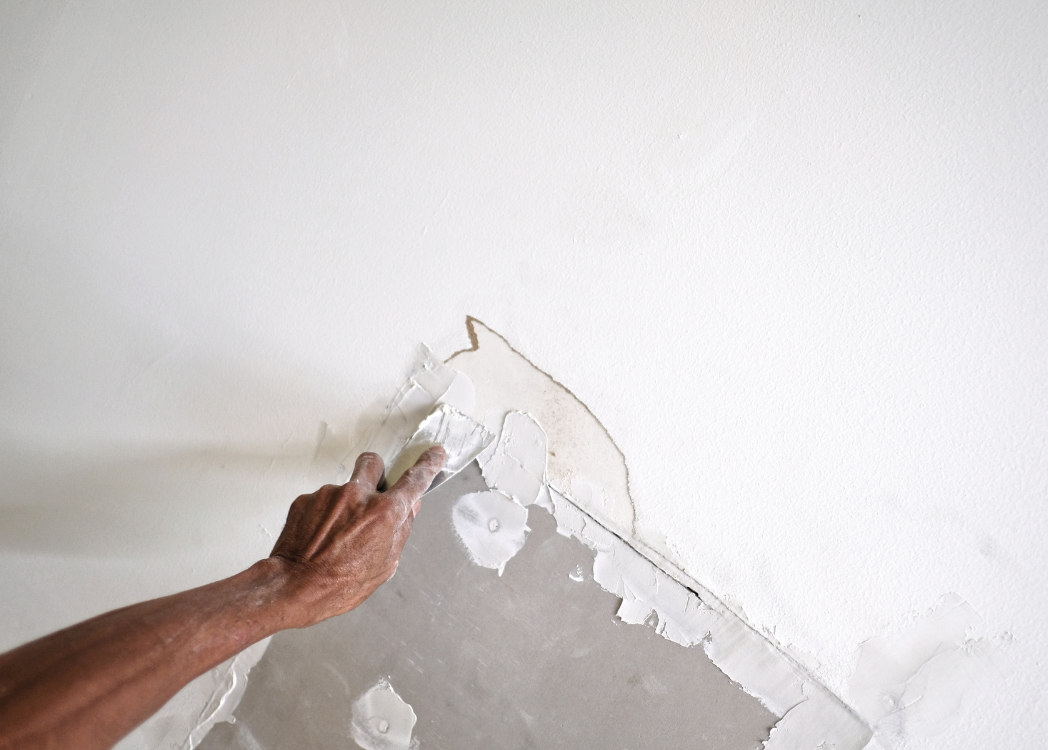
“Cosmetic” Issues Aren’t Always Just Cosmetic
Many first-time buyers focus on visible issues—paint, fixtures, finishes—assuming these are easy fixes. After move-in, homeowners sometimes discover that surface-level changes can uncover deeper considerations.
Examples include:
- Painting revealing hairline cracks that need attention
- Swapping light fixtures requiring updated wiring
- Replacing trim exposing uneven walls
These discoveries aren’t failures of planning; they’re part of learning how a home is layered. Over time, homeowners get better at distinguishing between quick wins and projects that benefit from more preparation.
Condo Life and Single-Family Life Feel Very Different
Chicago offers a wide range of housing types, and first-time owners are often surprised by how much daily life differs depending on what they buy.
Condo owners may be surprised by:
- Shared responsibility for systems
- Building rules that affect timing and scope
- Noise, access, and scheduling considerations
Single-family homeowners often notice:
- Exterior maintenance becoming their responsibility
- Seasonal upkeep tasks they hadn’t planned for
- Storage and layout challenges over time
Neither option is inherently easier—they’re just different. Many first-time owners only fully understand those differences after living in the space.
Maintenance Is Ongoing, Not Occasional
One of the biggest shifts for first-time homeowners is realizing that maintenance doesn’t happen in isolated bursts. It’s ongoing, and often incremental.
Early lessons include:
- Small issues tend to reappear if ignored
- Seasonal tasks repeat every year
- Preventative care saves time later
This doesn’t mean homes constantly need work—it means attention, not perfection, keeps things manageable. Over time, homeowners often move from reactive fixes to more proactive planning.
Storage Becomes a Bigger Topic Than Expected
During the buying process, storage often feels sufficient. After move-in, real-life use tells a different story.
First-time homeowners frequently realize:
- Seasonal items take up more space than expected
- Closets fill quickly
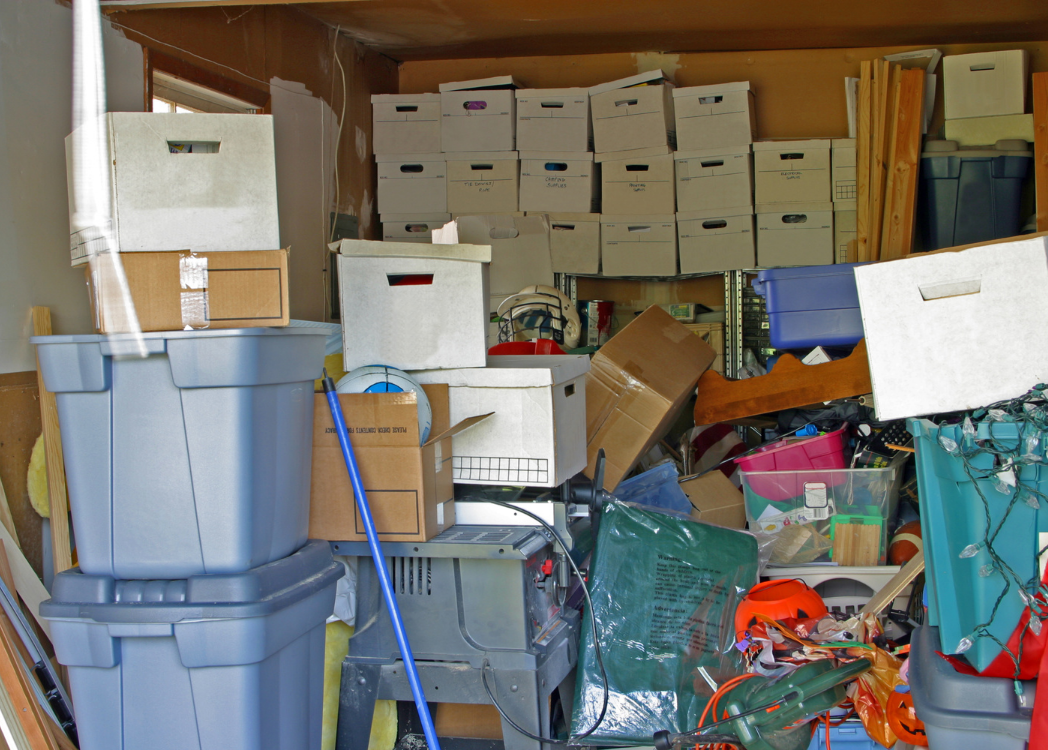
- Garages or basements become catch-alls
These discoveries often lead to gradual adjustments—adding shelving, reorganizing layouts, or rethinking how spaces are used. Storage challenges tend to evolve as life changes.
Living in the Home Changes Priorities
What mattered during the buying process doesn’t always matter most after move-in. Over time, homeowners often shift their priorities.
Examples include:
- Comfort outweighing aesthetics
- Function over trend-driven upgrades
- Lighting becoming more important than expected
- Layout flow affecting daily routines
These realizations come from lived experience, not planning. It’s common for homeowners to reassess what improvements actually improve quality of life.

Homes Reveal Patterns Over Time
After the first year, many homeowners begin to notice patterns:
- Certain rooms are used more than others
- Certain issues show up seasonally
- Certain fixes hold up better than others
These patterns help inform smarter decisions moving forward. Rather than reacting to every small issue, homeowners begin to prioritize based on what truly affects daily living.
Expectations Shift—and That’s Normal
First-time homeowners often expect to “get everything done” quickly. Over time, most realize that homes are not static projects—they’re evolving spaces.
It becomes normal to:
- Tackle projects in phases
- Let some items wait
- Adjust plans as needs change
This shift often reduces stress and leads to more thoughtful decisions.
Learning Happens Through Experience
No inspection report or checklist can fully prepare someone for homeownership. Much of what first-time Chicago homeowners learn comes from living in the space, experiencing seasons, and responding to everyday needs.
Those lessons don’t mean mistakes were made—they mean experience is being gained.
A More Realistic View of Homeownership
Over time, many homeowners come to see their homes less as a finished product and more as something they steward and adapt.
That perspective often leads to:
- More patience with imperfections
- Better long-term planning
- Less pressure to do everything at once
In a city like Chicago, where homes carry history and character, this mindset can make homeownership more enjoyable and sustainable.