What Chicago Winters Reveal About Your Home’s Weak Spots
Why cold weather acts like a stress test for homes.
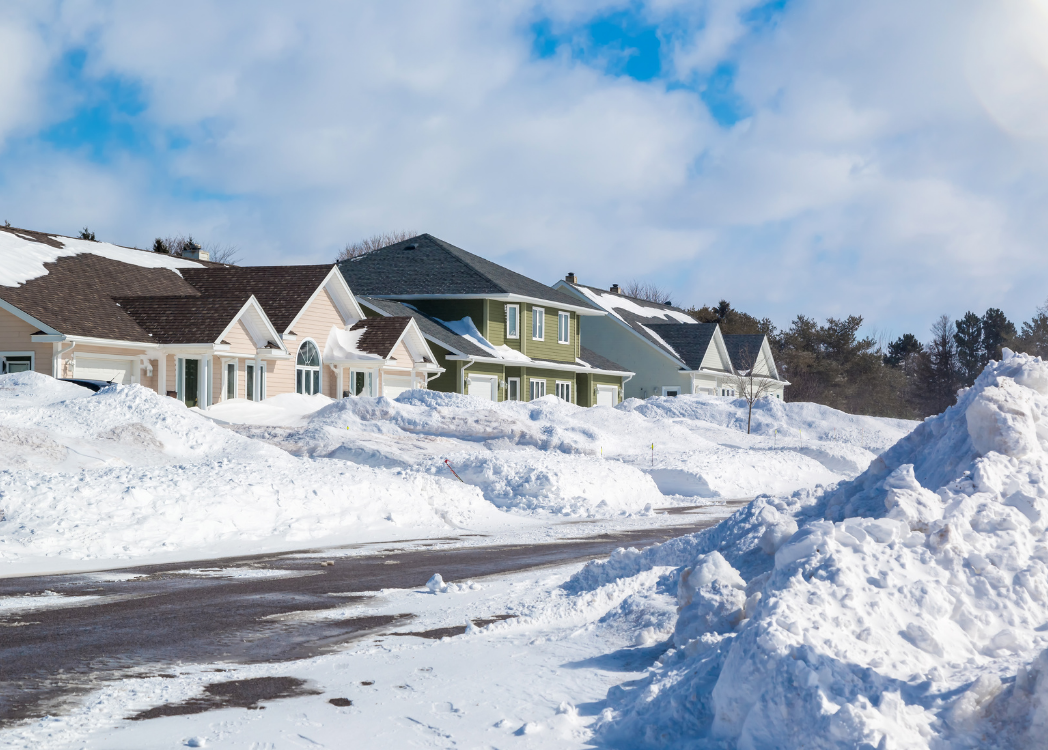
Chicago winters have a way of making things obvious.
Issues that feel manageable—or invisible—during warmer months often become impossible to ignore once temperatures drop. Drafts appear where there were none. Doors start sticking. Rooms feel colder than they used to. Moisture shows up in unexpected places.
For many homeowners, winter doesn’t create problems—it reveals them.
Understanding what winter tends to expose, and why, helps homeowners make sense of these changes without jumping to conclusions or panic. In Chicago, cold weather acts like a stress test for homes, highlighting weak points that were already there.
Why Winter Is So Revealing in Chicago Homes
Chicago’s climate is uniquely demanding. Homes here experience wide temperature swings, strong winds, snow accumulation, ice buildup, and long stretches of cold. These conditions place pressure on materials, systems, and seals in ways that other seasons simply don’t.
Winter amplifies:
- Air movement through gaps
- Material contraction
- Moisture migration
- Lighting deficiencies
- Mechanical strain
Because these forces happen all at once, homeowners often notice multiple issues appearing around the same time—even if they have different root causes.
Drafts: The Most Common Winter Wake-Up Call
Drafts are often the first thing homeowners notice once winter settles in. A room that felt comfortable in October suddenly feels colder, even with the heat running.
Common sources include:
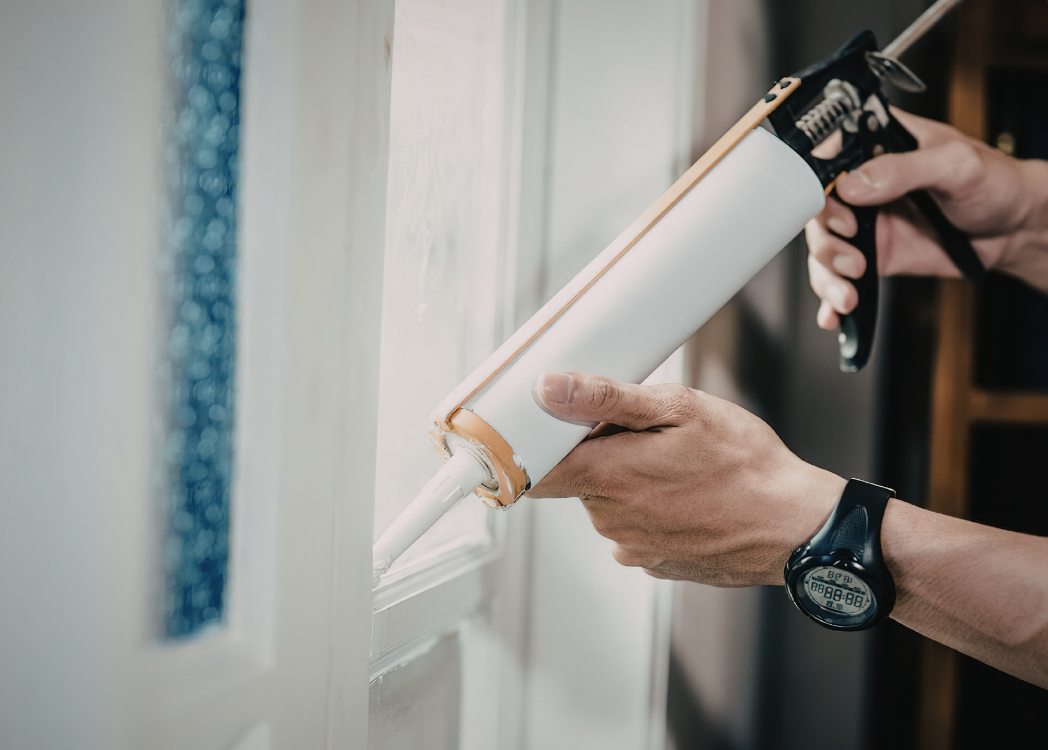
- Doors that no longer seal tightly
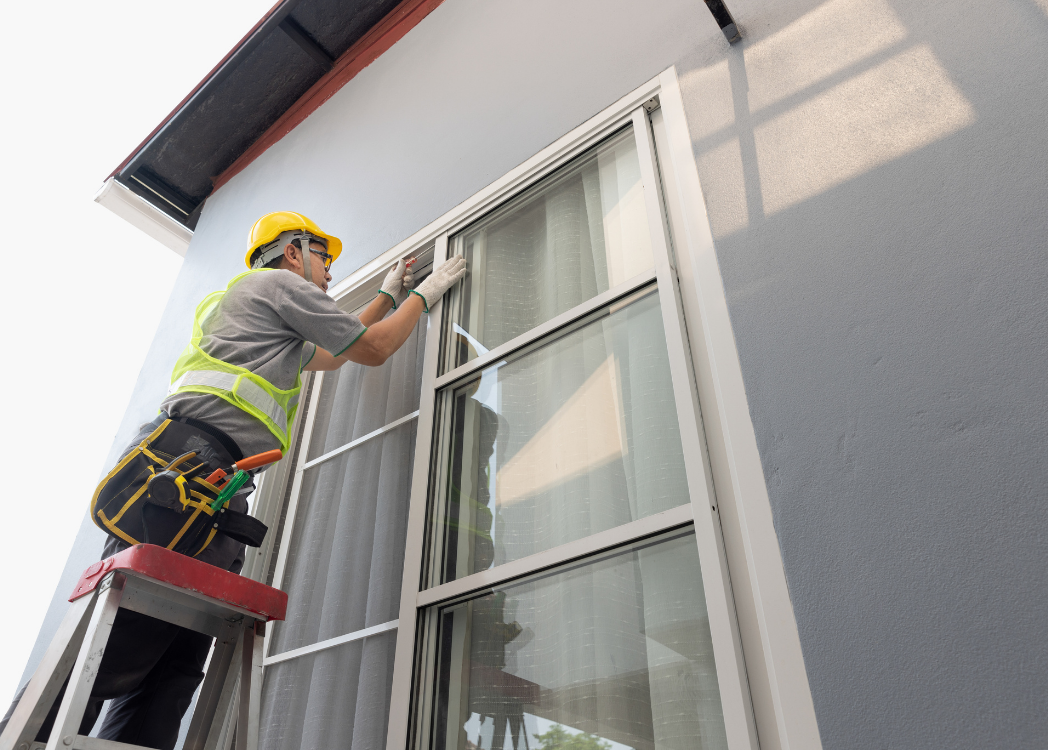
- Windows with aging weatherstripping
- Gaps around trim or baseboards
- Areas where walls meet floors or ceilings
What surprises many homeowners is how localized drafts can be. One corner of a room may feel noticeably colder than the rest, pointing to a specific weak spot rather than a whole-house issue.
Winter air pressure and wind make these gaps far more noticeable than during calmer seasons.
Sticking Doors and Shifting Frames
Another frequent winter complaint is doors that suddenly start sticking, rubbing, or failing to latch properly.
This often happens because:
- Wood contracts in cold, dry air
- Framing shifts slightly with temperature changes
- Hardware responds differently to cold conditions
In older Chicago homes, where doors and frames may already be slightly out of square, winter exaggerates these tolerances. What felt like a “quirk” in summer becomes a daily frustration in January.
These issues often fluctuate seasonally, which is why they can feel unpredictable from year to year.
Moisture Shows Up Where You Least Expect It
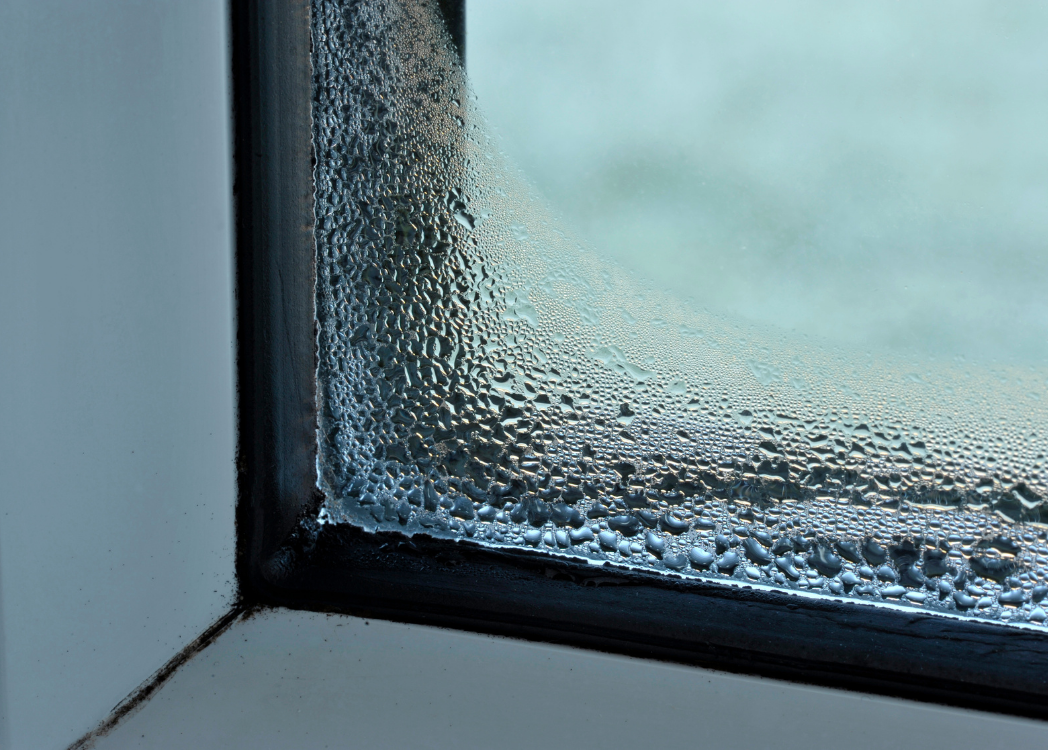
Winter moisture issues don’t always look like leaks. Instead, they often appear as:
- Condensation on windows or walls
- Damp smells in basements
- Discoloration near exterior walls
- Frost buildup in corners or near frames
Cold air holds less moisture, but warm indoor air does not. When warm air meets cold surfaces, condensation forms. Poor insulation, thermal bridging, or air leaks all make this more likely.
In Chicago homes, especially older ones, winter moisture often reveals where insulation or air sealing is lacking—even if no water intrusion is present.
Lighting Feels Inadequate in Winter
Shorter days change how homes are experienced. Rooms that rely heavily on natural light can feel dim or unevenly lit once daylight fades earlier.
Homeowners often notice:
- Shadows in task areas
- Hallways that feel darker than expected
- Bathrooms that feel under-lit in mornings and evenings
- Living spaces that feel less inviting
Winter doesn’t change the lighting—it changes how much you depend on it. This often exposes lighting layouts that were never fully functional to begin with.
Temperature Differences Between Rooms Become Obvious
Winter often reveals uneven heating patterns. Some rooms feel consistently colder than others, even with the same heating system.
This can be influenced by:
- Exterior wall exposure
- Window quality and placement
- Insulation differences
- Air leakage between spaces
These temperature imbalances tend to show up most clearly during prolonged cold spells, when heating systems are running continuously.
Systems Are Asked to Work Harder
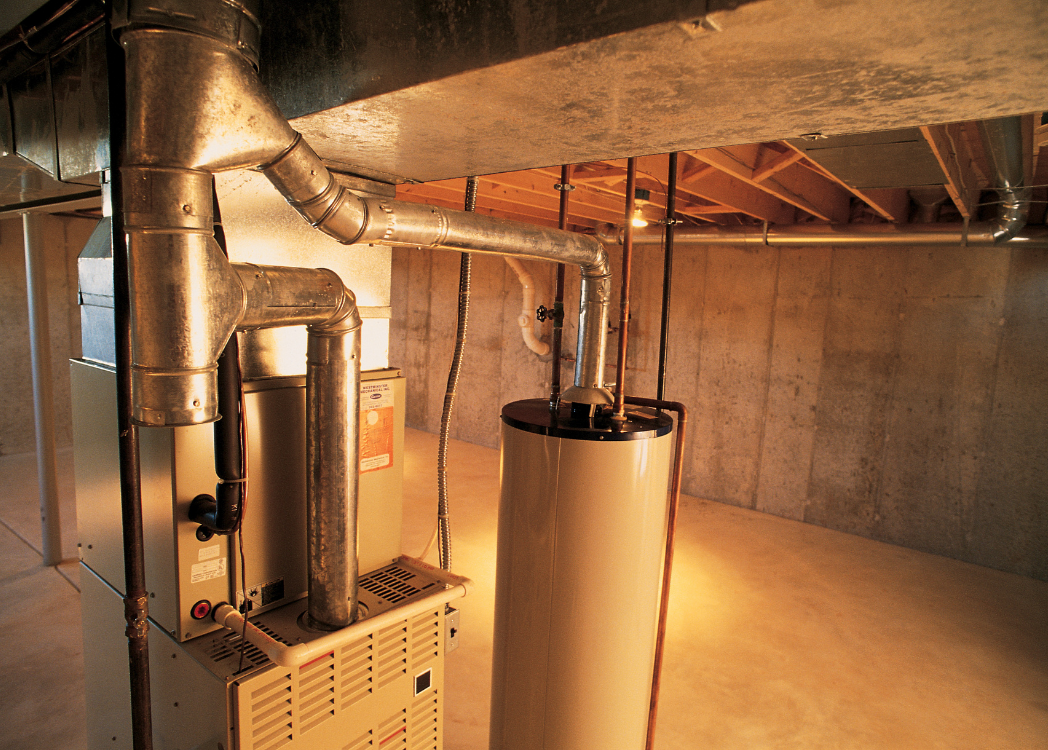
Mechanical systems—especially heating—are under the most strain in winter. While this blog isn’t about system performance specifically, homeowners often notice secondary effects such as:
- Increased noise
- Longer run times
- Difficulty maintaining consistent temperatures
Even when systems are functioning properly, winter highlights how efficiently heat is distributed and retained throughout the home.
Why Winter Issues Often Feel Sudden
Many homeowners describe winter issues as appearing “out of nowhere.” In reality, these weak spots usually existed long before winter arrived.
What changes is:
- Air pressure differences
- Temperature extremes
- Duration of exposure
Winter accelerates the visibility of issues that were subtle or dormant during other seasons. That’s why multiple concerns often appear at once.
Patterns Homeowners Start to Recognize
After a few winters, homeowners often notice patterns:
- The same room feels cold every year
- The same door sticks each winter
- Moisture appears in the same area seasonally
Recognizing these patterns helps shift thinking from reactive to observational. Instead of asking “What’s wrong right now?” homeowners begin asking “Why does this always show up here?”
That mindset often leads to better long-term decisions.
Using Winter as a Diagnostic Season
Rather than viewing winter as a problem, many homeowners eventually see it as a diagnostic tool.
Winter helps reveal:
- Where air sealing could improve comfort
- Which doors or windows need attention
- Where insulation may be lacking
- How lighting functions without daylight support
By paying attention during winter, homeowners gather information that can guide future maintenance or improvements—without rushing into solutions.
Why Older Chicago Homes Feel This More Strongly
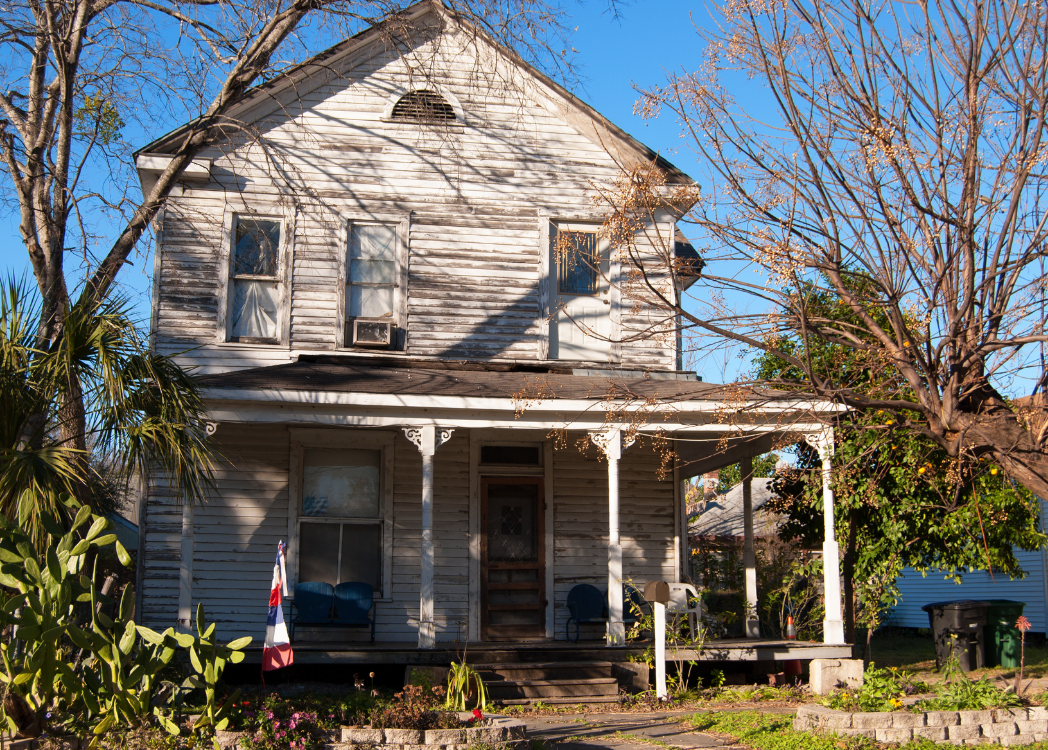
Older homes weren’t built with the same insulation standards, air barriers, or materials used today. Many rely on layers of construction that respond differently to cold.
This doesn’t mean older homes are “bad”—but it does mean winter reveals their character more clearly. Gaps, movement, and variation are more visible, especially under stress.
Understanding this helps homeowners set realistic expectations rather than assuming something is failing.
Observation Without Overreaction
Not every winter issue requires immediate action. Some are seasonal behaviors that stabilize once temperatures change.
The key is distinguishing between:
- Normal seasonal response
- Gradual wear
- Issues that worsen year over year
Winter provides the data. What homeowners do with that data can be thoughtful and measured.
Viewing Winter as Part of the Home’s Rhythm
Homes in Chicago exist in a cycle. Winter is one phase of that cycle—an intense one—but also an informative one.
By paying attention to what winter reveals, homeowners often feel more confident, not more concerned. They learn how their home behaves, where its sensitivities lie, and what matters most for comfort.
That understanding tends to reduce stress far more than quick fixes ever could.