Understanding GFCI and AFCI Protection in Chicago Homes
How modern electrical safety standards apply to older and newer Chicago houses alike.

Electrical safety standards have changed significantly over the past few decades, yet many Chicago homes were built long before those updates became common practice. As a result, homeowners often encounter unfamiliar terms like GFCI and AFCI when updating outlets, replacing fixtures, or reviewing inspection reports.
Understanding what these protections do—and why they matter—helps homeowners make informed decisions about safety, maintenance, and future improvements, especially in older Chicago homes.
Why Electrical Safety Comes Up So Often in Chicago Homes
Chicago has one of the largest collections of older residential housing in the country. Many homes were built at a time when electrical usage looked very different than it does today.
Older systems were not designed for:
- Modern appliance loads
- High-powered electronics
- Multiple devices running simultaneously
- Moisture-prone rooms like today’s kitchens and bathrooms
As electrical demand increased, safety standards evolved to address new risks. GFCI and AFCI protection are two of the most important developments to come out of those changes.
What Is GFCI Protection?
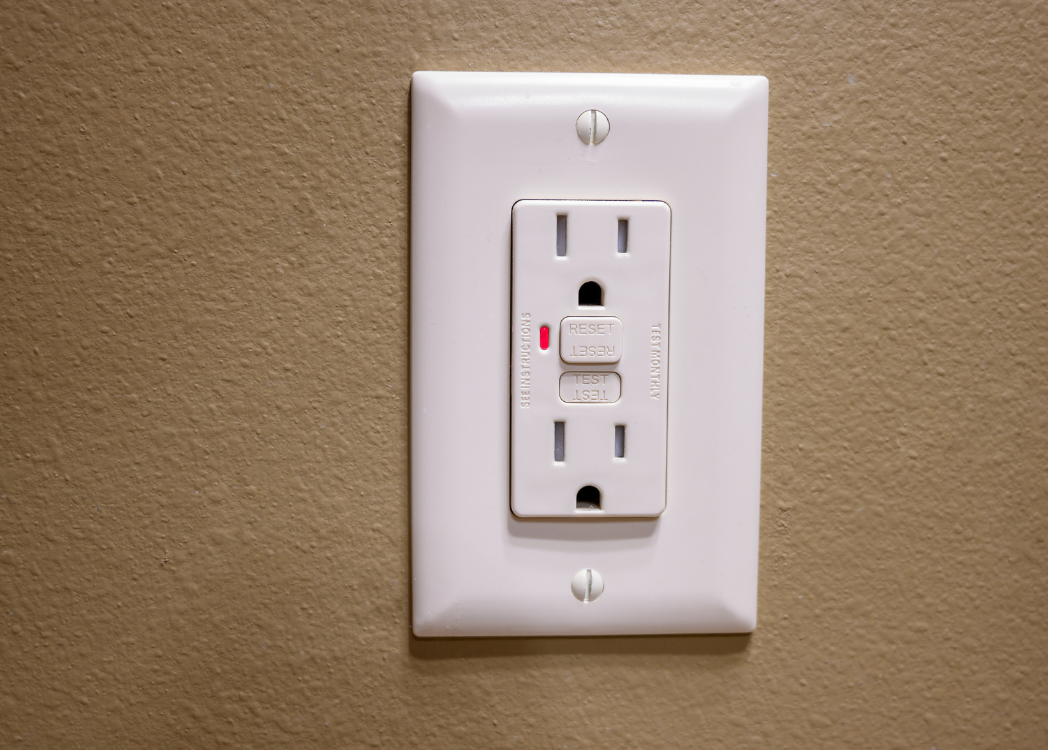
GFCI stands for Ground Fault Circuit Interrupter. These devices are designed to protect people from electrical shock by monitoring the flow of electricity through a circuit.
If a GFCI detects an imbalance—such as electricity flowing through water or a person instead of the intended path—it shuts off power almost instantly.
This protection is especially important in areas where electricity and moisture are likely to come into contact.
Where GFCI Protection Is Typically Used
In Chicago homes, GFCI protection is commonly required in:
- Bathrooms
- Kitchens
- Laundry rooms
- Basements
- Garages
- Exterior outlets
These areas are considered higher risk because moisture increases the chance of electrical shock. Even small amounts of water can create unsafe conditions.
In older homes, it’s common to find standard outlets in these locations that predate modern requirements.
What Is AFCI Protection?
AFCI stands for Arc Fault Circuit Interrupter. While GFCIs focus on shock prevention, AFCIs are designed to reduce the risk of electrical fires.
AFCIs detect dangerous arcing conditions—unintended electrical discharges that can occur when wiring is damaged, loose, or deteriorating. These arcs can generate heat without immediately tripping a traditional breaker.
Because Chicago homes often contain older wiring, AFCI protection is particularly relevant.
Where AFCI Protection Applies
AFCI protection is typically required for living spaces such as:
- Bedrooms
- Living rooms
- Hallways
- Family rooms
The goal is to reduce fire risk in areas where damaged cords, aging wiring, or hidden issues might otherwise go unnoticed.
In many older homes, these circuits were never designed with arc-fault protection in mind.
Why Older Chicago Homes Often Lack Both
Homes built decades ago were constructed under very different electrical codes. At the time, many modern safety devices simply didn’t exist.
Common reasons older homes lack GFCI or AFCI protection include:
- Original wiring still in use
- Limited panel capacity
- Older breaker styles
- Incremental updates rather than full electrical upgrades
This doesn’t necessarily mean a home is unsafe—but it does mean safety expectations have changed.
Common Signs GFCI or AFCI Updates May Be Needed
Homeowners often become aware of these protections during unrelated projects or inspections.
Situations that commonly trigger discussion include:
- Replacing outlets or switches
- Installing new appliances
- Bathroom or kitchen updates
- Electrical inspection findings
- Adding bidets, heated floors, or outdoor outlets
In some cases, an outlet replacement reveals outdated wiring that requires additional consideration.
How GFCI and AFCI Devices Behave Differently
Because they protect against different risks, GFCI and AFCI devices can behave differently in everyday use.
Homeowners may notice:
- GFCIs tripping when moisture is present
- AFCIs tripping due to damaged cords or aging wiring
- Occasional nuisance trips that require investigation
Understanding why a device trips helps identify underlying issues rather than simply resetting it repeatedly.
Kitchens and Bathrooms Deserve Special Attention
Modern kitchens and bathrooms place heavy demand on electrical systems. Multiple appliances, moisture exposure, and frequent use increase the importance of proper protection.
In Chicago homes, it’s common to find:
- Mixed outlet types in the same room
- Partial updates from previous renovations
- Older wiring serving modern fixtures
Ensuring appropriate protection in these spaces supports both safety and functionality.
Panel Capacity and Compatibility Matter
Not all electrical panels are designed to accommodate modern breakers or protection devices. Some older panels may require upgrades before AFCI or combination devices can be installed.
This is one reason electrical updates are often approached incrementally rather than all at once in older homes.
Planning upgrades thoughtfully helps homeowners balance safety improvements with practical constraints.
Why These Protections Matter Even Without Obvious Issues
Many electrical problems develop quietly over time. Worn insulation, loose connections, or damaged cords may not cause immediate failures.
GFCI and AFCI devices act as early warning systems, interrupting power before more serious consequences occur.
In this sense, they’re preventative—not reactive—measures.
Understanding the Role of Inspections
Home inspections frequently flag missing or outdated GFCI and AFCI protection, especially in older Chicago homes.
Rather than viewing these notes as defects, many homeowners find it helpful to see them as guidance on how standards have evolved.
Inspection reports often reflect current safety expectations rather than original construction requirements.
A Practical, Informed Approach
Electrical safety updates don’t always need to happen all at once. Many homeowners prioritize:
- High-risk areas first
- Rooms undergoing renovation
- Circuits showing signs of wear
Taking a phased approach allows safety improvements without overwhelming scope.
Why Awareness Makes a Difference
Understanding how GFCI and AFCI protection works empowers homeowners to ask better questions, recognize potential risks, and plan responsibly.
In a city with as much housing history as Chicago, awareness is often the first step toward safer, more resilient homes.
Related Articles: