A Guide to Exterior Door Weatherproofing for Chicago Winters
How small adjustments at doors can make a noticeable difference all winter long.
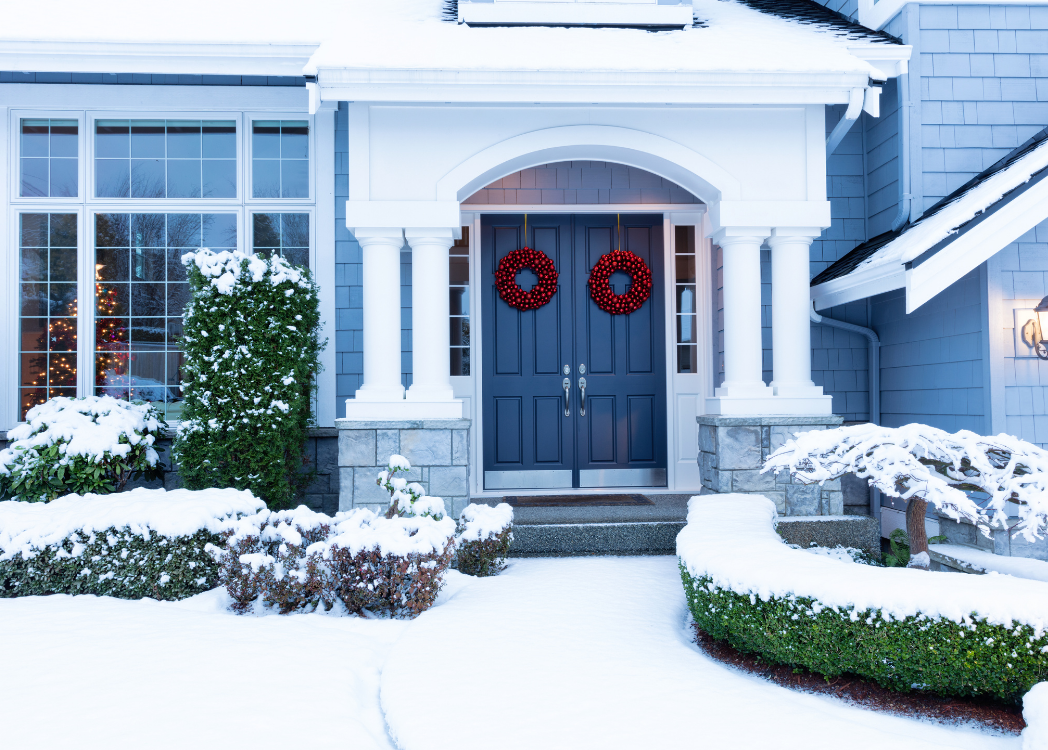
Exterior doors are one of the most common sources of heat loss in Chicago homes, especially during winter. When temperatures drop, even small gaps or misalignments become more noticeable, leading to drafts, uneven temperatures, and increased strain on heating systems.
For many homeowners, the issue isn’t a failing door—it’s that doors are exposed to some of the harshest conditions a home faces. Wind, snow, ice, and repeated freeze-thaw cycles all take a toll over time. Understanding how weatherproofing works—and where problems usually occur—can help homeowners improve comfort without major upgrades.
Why Doors Are Especially Vulnerable in Chicago Winters
Chicago winters are defined by temperature swings, high winds, and prolonged cold. Exterior doors sit at the boundary between indoor comfort and outdoor exposure, making them particularly susceptible to movement and wear.
Over time, seasonal changes can cause:
- Doors to shift slightly in their frames
- Weatherstripping to compress or crack
- Thresholds to loosen or wear down
- Gaps to open where none were noticeable before
These changes often happen gradually, which is why homeowners tend to notice drafts suddenly rather than over time.
Drafts Don’t Always Come From Where You Expect
Many homeowners assume drafts only come from the bottom of a door, but that’s not always the case.
Common draft points include:
- Along the sides of the door frame
- At the top edge of the door
- Around locksets or deadbolts
- At the junction between trim and wall
Cold air can also travel through wall cavities and appear near doors, making it harder to pinpoint the source without careful inspection.
Weatherstripping: Small Part, Big Impact
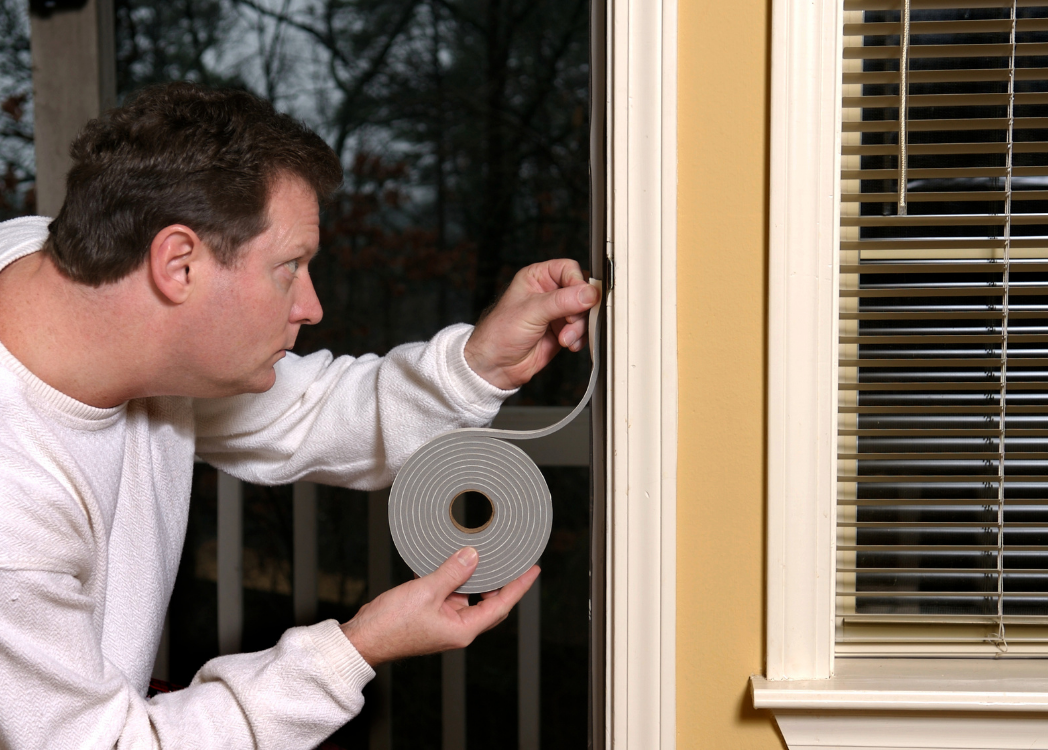
Weatherstripping plays a critical role in sealing the gap between the door and the frame. In Chicago homes, weatherstripping often wears out faster due to repeated temperature changes.
Signs weatherstripping may need attention include:
- Visible cracks or flattening
- Light visible around the door edges
- Increased noise from outside
- Cold air felt near the frame
Different door types require different weatherstripping profiles, and using the wrong type can reduce effectiveness rather than improve it.
Door Alignment Matters More Than Many Realize
Even well-maintained weatherstripping can fail if a door is slightly misaligned. Seasonal movement, settling, or hardware wear can prevent a door from closing tightly against seals.
Common alignment issues include:
- Doors rubbing or sticking
- Uneven gaps along the frame
- Latches that require extra force to engage
Adjusting hinges, strike plates, or hardware can often restore proper contact between the door and its seals.
Thresholds and Door Sweeps Are Often Overlooked
The bottom of the door is one of the most common areas for heat loss, especially in older Chicago homes.
Issues often arise when:
- Thresholds become loose or uneven
- Door sweeps wear down or harden
- Flooring transitions change over time
A properly fitted threshold and sweep help block cold air while still allowing the door to operate smoothly.
Entry Doors vs Secondary Doors
Not all exterior doors face the same conditions. Front doors, back patio doors, and garage access doors each experience different levels of exposure and use.
For example:
- Front doors often face prevailing winds
- Back doors may see more moisture or snow buildup
- Garage access doors are frequently under-sealed
Addressing each door individually often yields better results than applying a one-size-fits-all solution.
Older Homes May Have Hidden Gaps
Many older Chicago homes were built before modern air-sealing standards. As a result, gaps may exist behind trim or within framing that allow cold air to bypass visible seals.
Signs of hidden gaps include:
- Persistent drafts despite new weatherstripping
- Cold spots near door trim
- Condensation forming near frames
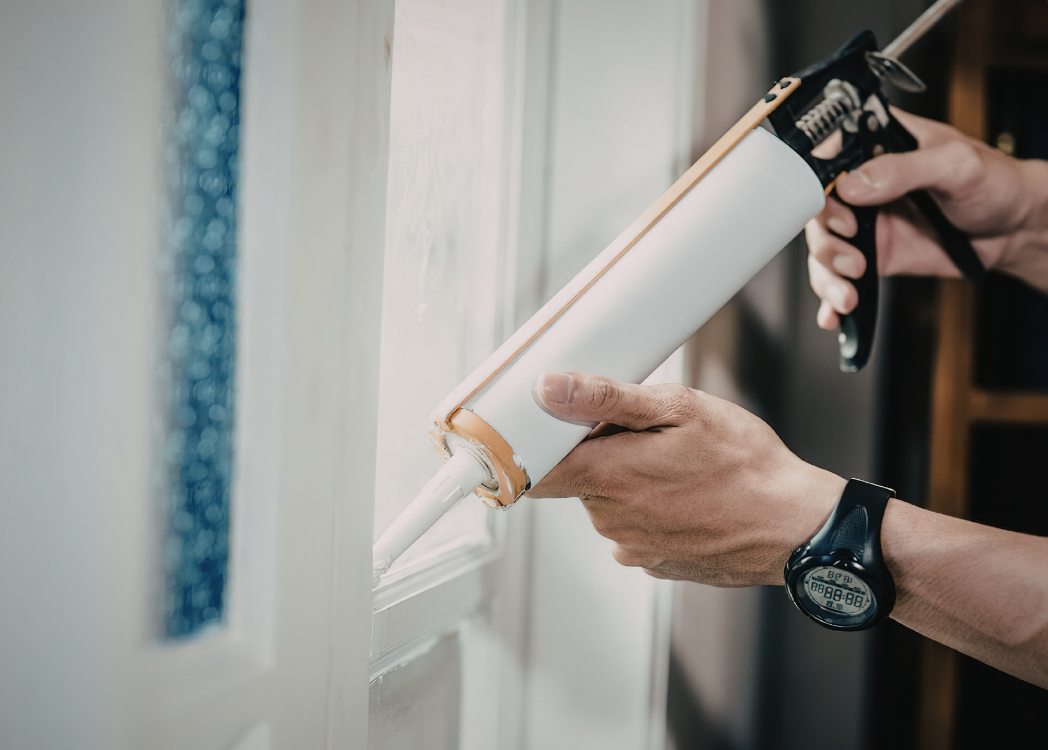
In these cases, sealing around trim or addressing underlying gaps may be necessary to fully resolve the issue.
Moisture, Ice, and Long-Term Wear
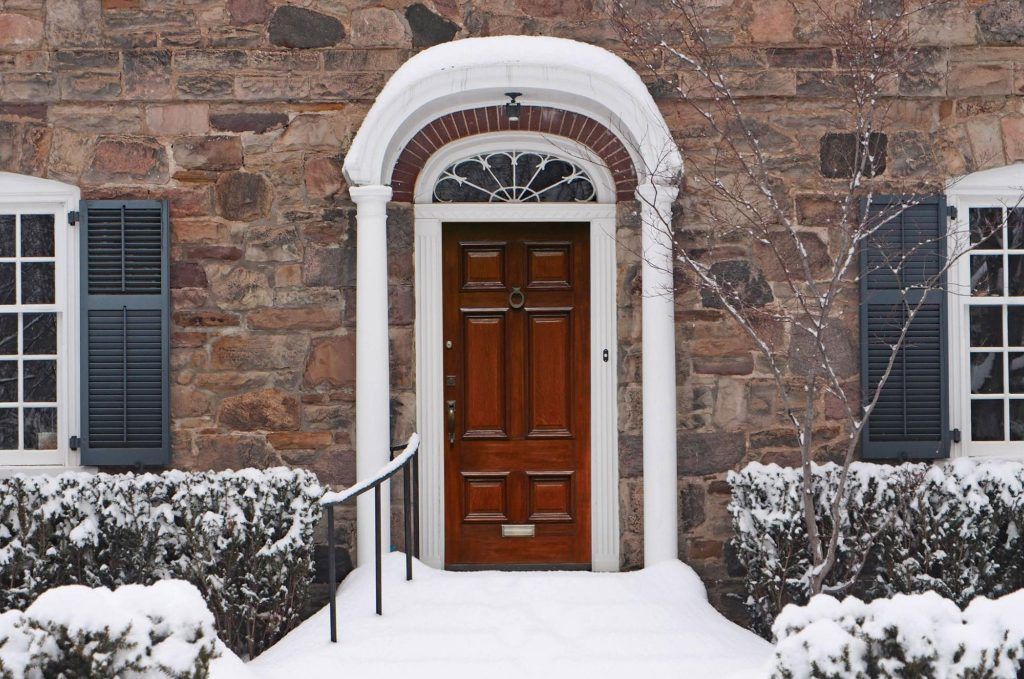
Moisture plays a role in door performance as well. Snow and ice buildup near doors can introduce water that freezes, expands, and affects alignment or seals.
Over time, repeated moisture exposure can:
- Degrade weatherstripping materials
- Warp wood components
- Loosen fasteners or thresholds
Managing moisture near doors—through proper sealing and snow removal—helps preserve door function throughout winter.
When Weatherproofing Reveals Bigger Issues
Sometimes, weatherproofing highlights larger concerns such as:
- Door frames that are no longer square
- Structural movement affecting alignment
- Doors that no longer fit their openings
While not always common, recognizing when a problem goes beyond basic sealing helps homeowners plan next steps more effectively.
Small Improvements Can Change How a Home Feels
Many homeowners are surprised by how much difference minor door adjustments make. Reducing drafts often improves comfort immediately and helps maintain consistent indoor temperatures.
In Chicago winters, even small improvements can noticeably reduce cold spots and improve day-to-day comfort.
Thinking of Weatherproofing as Seasonal Maintenance
Rather than a one-time fix, many homeowners benefit from viewing door weatherproofing as part of regular seasonal maintenance. Checking seals and alignment each fall helps catch issues before winter sets in.
This proactive approach often prevents mid-season discomfort and avoids rushed fixes during extreme cold.