Painting Prep Tips That Make a Big Difference in Older Chicago Homes
Why surface preparation matters more than paint choice in vintage homes.
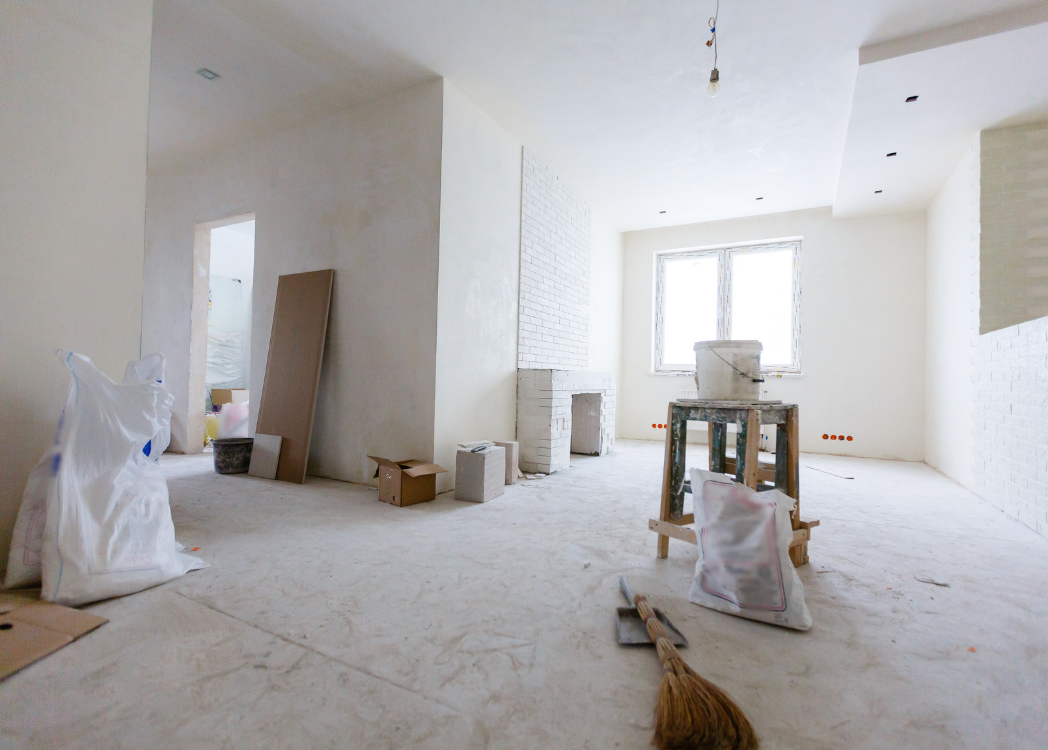
Painting often looks like one of the most straightforward home improvement projects. Pick a color, apply the paint, and enjoy the results—at least in theory. In older Chicago homes, however, painting success depends far more on preparation than on the paint itself.
Homes built decades ago were constructed with materials, methods, and finishes that behave differently than those used today. Without the right prep, even high-quality paint can fail prematurely, showing cracks, peeling, or uneven texture within months.
Understanding how to properly prepare surfaces in older homes can make the difference between a paint job that lasts years and one that quickly shows wear.
Why Prep Is Especially Important in Older Chicago Homes
Chicago’s housing stock includes a large number of homes built before modern drywall, standardized framing, and contemporary finishes became common. Many older homes feature:
- Plaster walls instead of drywall
- Multiple layers of old paint
- Wood trim that has expanded and contracted over decades
- Hairline cracks caused by settling and seasonal movement
These characteristics don’t make painting impossible—but they do require a more thoughtful approach.
In addition, Chicago’s seasonal humidity swings can affect how surfaces accept and hold paint, making preparation even more important.
Plaster Walls Require a Different Mindset
Plaster walls are common in older Chicago homes and behave very differently from drywall. While plaster is durable, it’s also more rigid and prone to cracking over time.
Common plaster-related prep issues include:
- Hairline cracks that reappear after painting
- Areas where plaster has separated slightly from lath
- Uneven textures from past repairs
Proper prep often involves stabilizing cracks, smoothing transitions, and ensuring the surface is sound before applying any paint. Simply painting over cracks usually leads to them reappearing.
Old Paint Layers Can Affect Adhesion
In many older homes, walls and trim have been painted multiple times over the years. These layers can create adhesion issues if not addressed properly.
Potential challenges include:
- Glossy surfaces that resist new paint
- Flaking or peeling areas beneath newer layers
- Inconsistent textures from patchwork repairs
Light sanding, cleaning, and proper priming help create a surface that new paint can adhere to evenly.
Cracks Should Be Addressed Thoughtfully
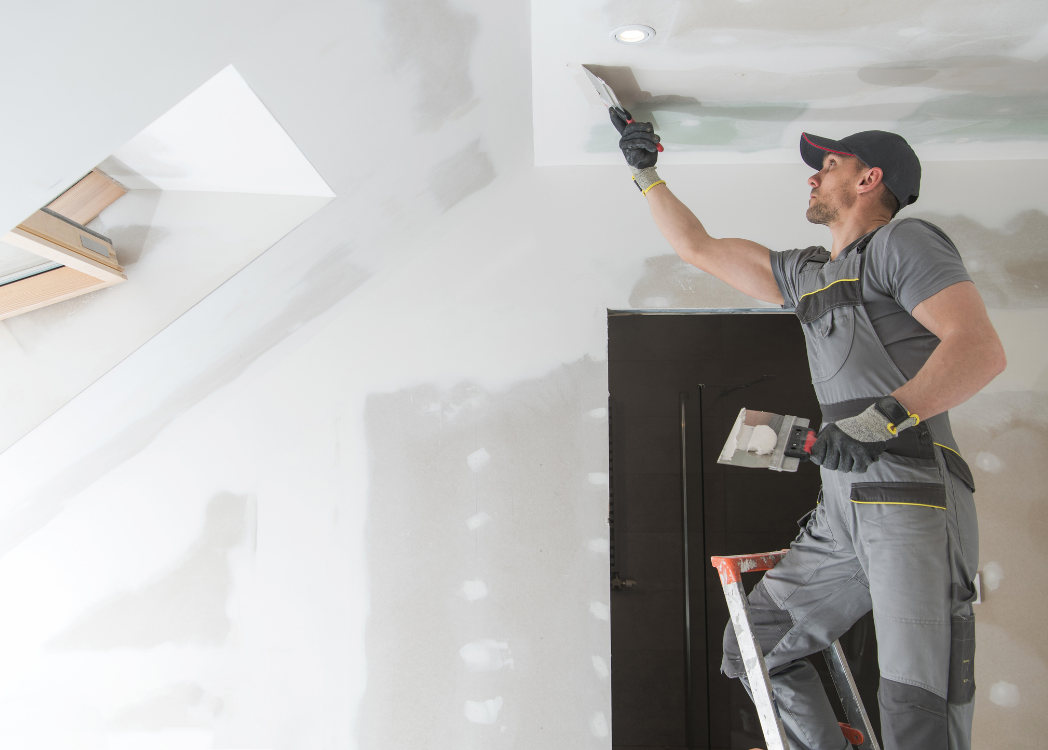
Not all cracks are the same, and treating them properly helps prevent future issues.
Common crack types include:
- Hairline settlement cracks
- Stress cracks near doors and windows
- Seams from previous repairs
In older Chicago homes, cracks often relate to natural movement rather than structural failure. Still, addressing them correctly—rather than simply covering them—improves the longevity of the paint finish.
Trim and Woodwork Deserve Extra Attention
Wood trim in older homes often adds character, but it also requires more prep than modern composite materials.
Over time, wood trim may show:
- Dents or nicks
- Gaps from seasonal movement
- Layers of paint buildup
- Minor rot or softness near moisture sources
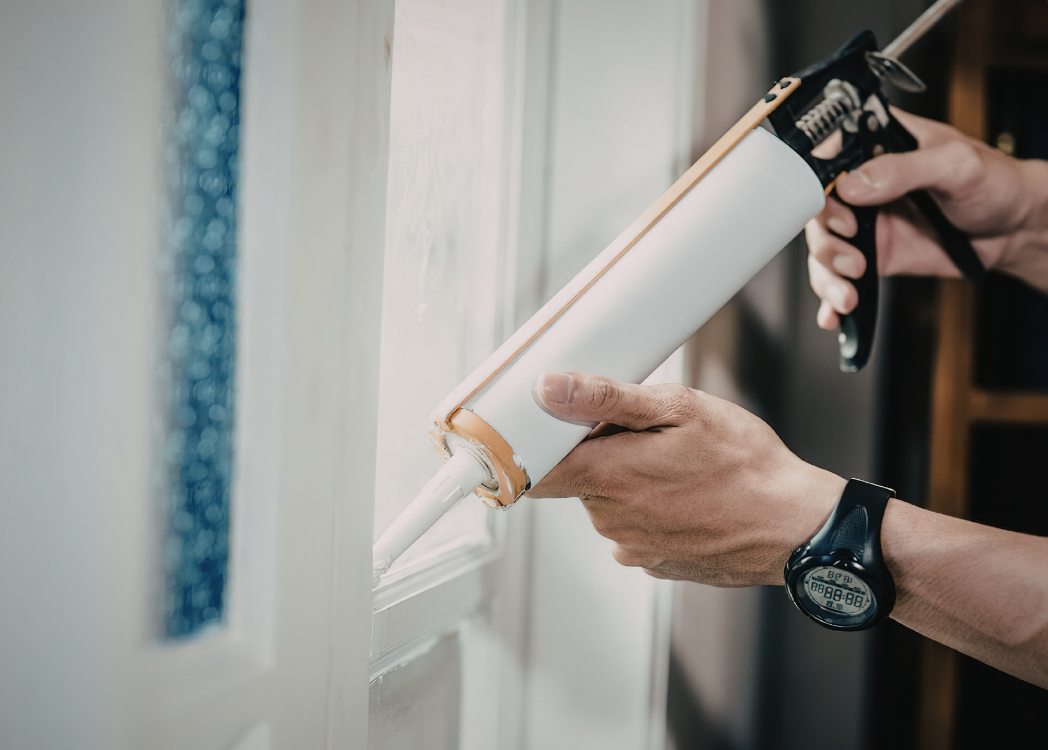
Prep work often includes filling, sanding, caulking, and spot priming to ensure a smooth, durable finish.
Primer Is Not Optional in Many Older Homes
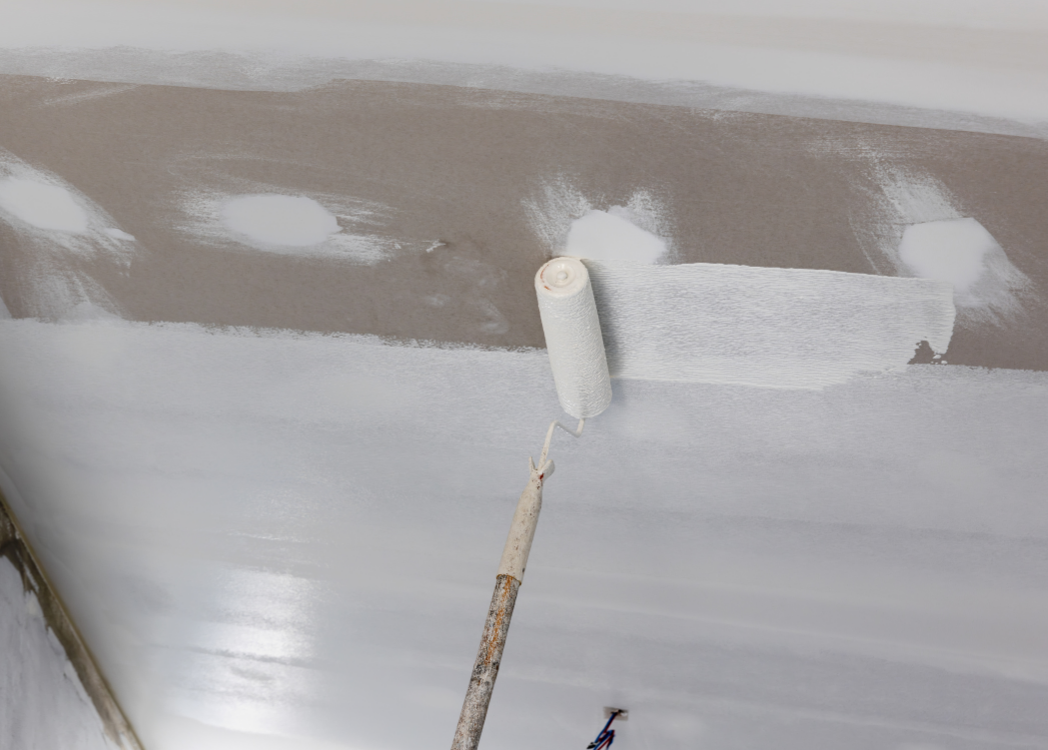
Primer plays a much larger role in older homes than many homeowners expect. It helps:
- Seal porous surfaces
- Improve paint adhesion
- Create a uniform base color
- Prevent stains from bleeding through
In homes with mixed materials—plaster, drywall patches, wood trim—primer helps create consistency across surfaces.
Skipping primer may save time initially but often leads to uneven sheen or premature wear.
Seasonal Conditions Matter More Than People Realize
Chicago’s climate affects how paint cures. Temperature and humidity levels can influence drying time, adhesion, and finish quality.
Homeowners often find that:
- High humidity slows drying and can affect finish
- Cold temperatures limit when certain paints can be applied
- Winter interiors may be drier, affecting absorption
Planning prep and painting with seasonal conditions in mind helps improve results.
Surface Cleanliness Is Often Overlooked
Dust, residue, and oils can prevent paint from adhering properly. In kitchens, bathrooms, and high-traffic areas, surfaces often need thorough cleaning before any prep work begins.
Common overlooked contaminants include:
- Cooking residue
- Cleaning product buildup
- Hand oils near switches and doors
Even minor residue can impact paint performance over time.
Why Rushed Prep Leads to Visible Wear
Many paint issues blamed on “bad paint” are actually the result of rushed preparation.
Signs of insufficient prep often include:
- Peeling within months
- Cracks reappearing quickly
- Uneven texture or sheen
- Paint pulling away near trim or edges
Taking time during prep reduces the need for touch-ups and repainting later.
Small Prep Improvements Can Have a Big Impact
Not every paint project requires extensive repairs. Often, small improvements—proper crack treatment, spot priming, and careful sanding—dramatically improve outcomes.
In older Chicago homes, these incremental steps often make the biggest difference.
Viewing Prep as Part of Preservation
For many homeowners, painting is also about preserving the character of an older home. Proper prep respects the materials already in place while allowing for a refreshed look.
Approaching prep thoughtfully helps ensure paint enhances the home rather than masking underlying issues.