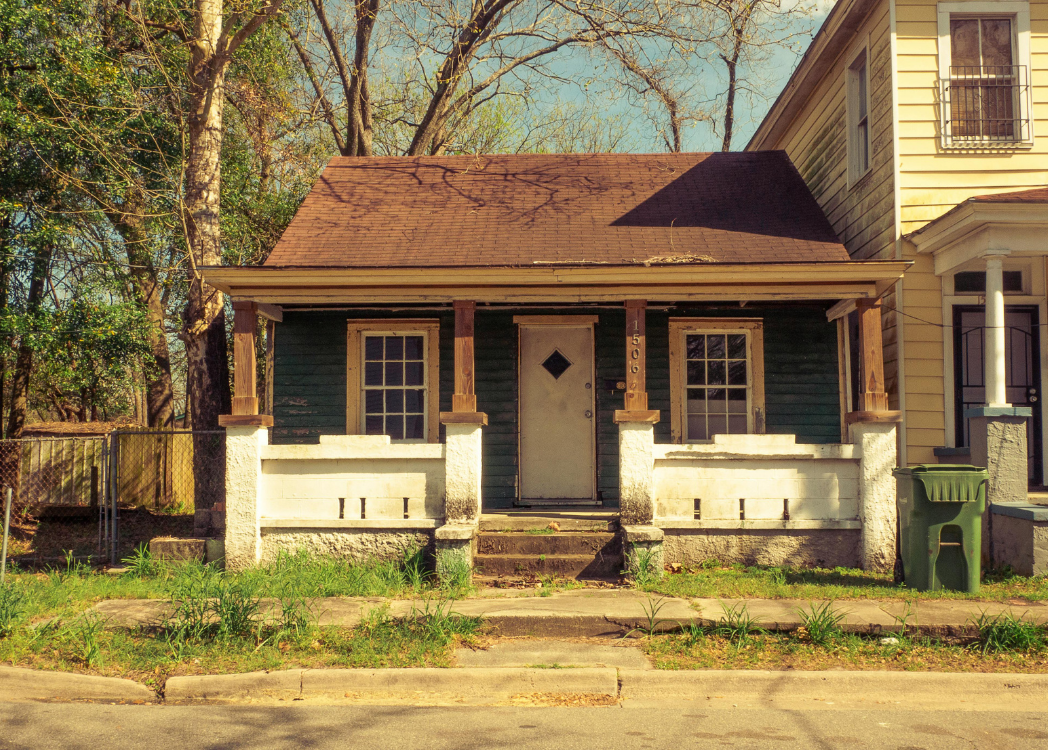
How to Spot Early Signs of Foundation and Crawl Space Issues in Chicago Homes
What Chicago homeowners tend to notice first—and why timing matters.
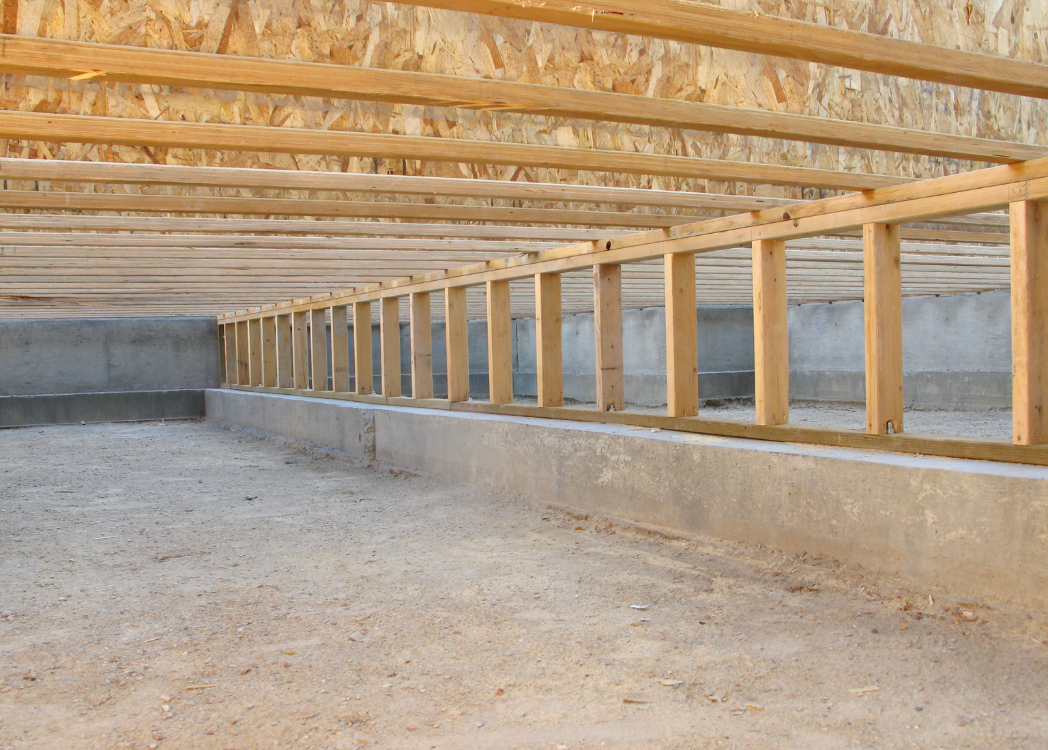
Foundation and crawl space issues rarely begin as obvious problems. In many Chicago homes, early warning signs appear gradually and are easy to dismiss as normal settling, seasonal changes, or cosmetic wear. Over time, however, these subtle clues can point to larger structural or moisture-related concerns.
Understanding what to look for—and why these signs matter in Chicago specifically—can help homeowners respond earlier, plan more thoughtfully, and avoid unnecessary surprises down the line.
Why Foundation Issues Often Show Up Gradually
Homes are designed to settle over time, especially older properties. In Chicago, that settling is influenced by soil composition, freeze-thaw cycles, and moisture fluctuations throughout the year.
Because these changes happen slowly, early foundation or crawl space issues often appear as minor inconveniences rather than urgent problems. Homeowners may adapt to them without realizing something larger is developing.
Early awareness is less about alarm and more about observation.
Chicago’s Climate Plays a Major Role
Chicago’s climate is one of the biggest contributors to foundation stress. Seasonal temperature swings cause soil to expand and contract, while heavy rain, snowmelt, and freezing conditions all affect moisture levels around a home.
Over time, these conditions can lead to:
- Shifting soil beneath foundations
- Increased moisture around crawl spaces
- Pressure on foundation walls
- Changes in how doors, windows, and floors behave
Homes with older drainage systems or limited waterproofing are often more affected.
Interior Warning Signs Homeowners Notice First
Many early foundation indicators show up inside the home, often in ways that feel unrelated at first.
Common interior signs include:
- Hairline cracks in walls or ceilings
- Cracks forming near door frames or windows
- Doors that begin sticking or no longer latch properly
- Uneven or sloping floors
- Gaps between walls and trim
On their own, these signs may seem minor. When multiple changes appear over time—or worsen seasonally—they’re worth noting.
Cracks: What’s Normal and What’s Not
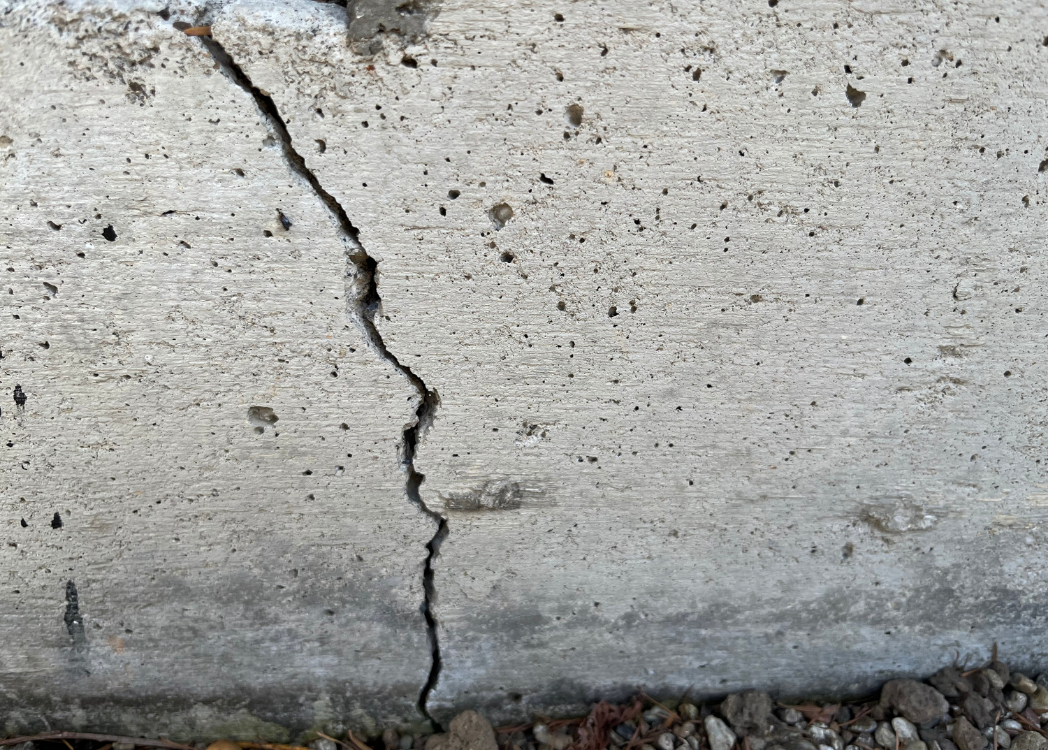
Not all cracks signal a serious issue. In older Chicago homes especially, some cracking is expected as materials age and settle.
Cracks that homeowners tend to monitor more closely include:
- Cracks that widen over time
- Cracks that reappear after patching
- Cracks that follow a stair-step pattern in masonry
- Cracks accompanied by moisture or discoloration
Location matters just as much as size. Cracks near foundation walls or in basements often provide more useful clues than those higher up.
Crawl Space and Basement Moisture Patterns
Moisture is one of the most common contributors to foundation problems, and Chicago homes often experience it in predictable ways.
Homeowners may notice:
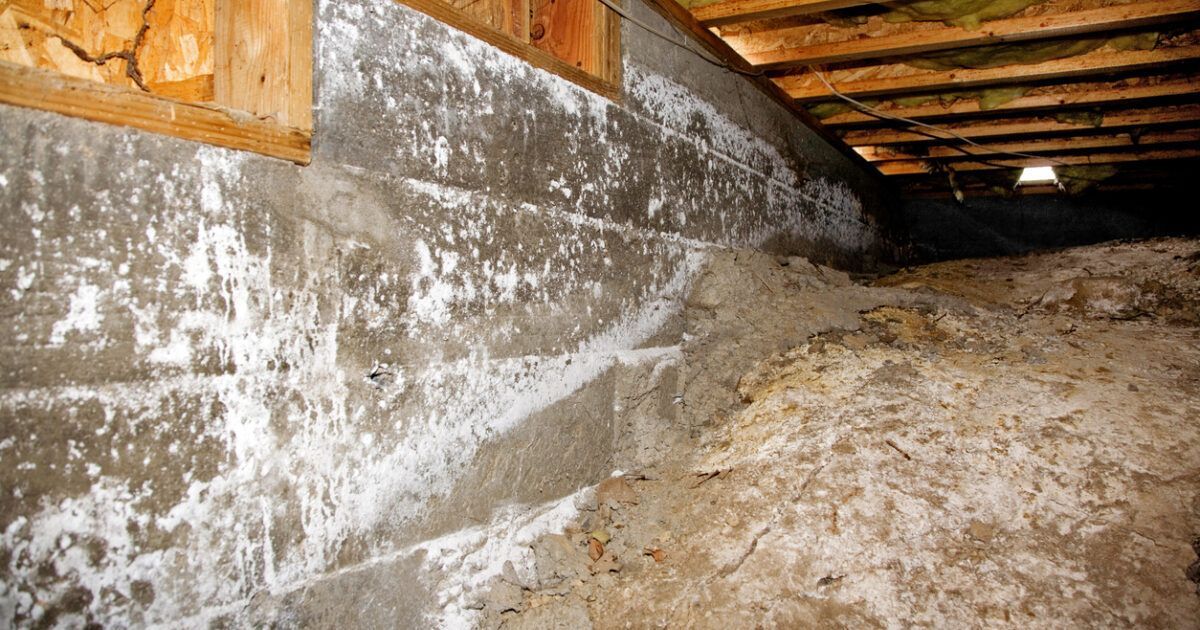
- Musty odors in basements or crawl spaces
- Condensation on pipes or walls
- Damp areas after heavy rain or snowmelt
- Visible staining or efflorescence on foundation walls
Even when standing water isn’t present, recurring dampness can affect soil stability and structural materials over time.
Seasonal Changes Can Reveal Patterns
Many homeowners first notice foundation-related symptoms during seasonal transitions.
For example:
- Doors stick more in humid summer months
- Cracks widen slightly during winter freeze-thaw cycles
- Moisture appears during spring snowmelt
Tracking when issues appear—and whether they resolve or persist—can help distinguish between seasonal behavior and longer-term concerns.
Exterior Clues Are Easy to Overlook
While interior signs are often the first noticed, exterior areas can also provide insight.
Things homeowners sometimes observe include:
- Cracks in exterior masonry or foundation walls
- Soil pulling away from the foundation
- Poor drainage near the home
- Water pooling near foundation edges
These conditions can contribute to pressure and moisture buildup below ground.
Crawl Spaces Deserve Special Attention
Crawl spaces are often out of sight and out of mind, but they play a significant role in a home’s overall health.
Early crawl space issues may include:
- Damp insulation
- Visible mold or mildew
- Pest activity
- Sagging floors above
Because crawl spaces sit closer to soil and moisture sources, changes there can affect the rest of the home more quickly than expected.
Why Early Observation Matters
Early awareness doesn’t always mean immediate action—but it does allow homeowners to plan.
By noticing patterns early, homeowners can:
- Monitor changes over time
- Address drainage or moisture issues proactively
- Avoid rushed decisions later
- Seek professional input when needed
Many larger repairs are easier to manage when addressed before conditions worsen.
When to Seek Further Evaluation
If homeowners notice multiple warning signs, worsening conditions, or persistent moisture, seeking professional evaluation can help clarify what’s happening beneath the surface.
Early evaluation often provides peace of mind—even when no major issue is found.
Viewing Foundation Health as Ongoing Maintenance
Rather than viewing foundation concerns as emergencies, many homeowners benefit from thinking of them as part of ongoing home maintenance—especially in Chicago’s demanding climate.
Paying attention, asking questions, and staying informed often make the biggest difference.