Bathroom Lighting: How to Choose the Right Fixtures for Chicago Homes
How light placement, temperature, and moisture ratings affect everyday comfort.
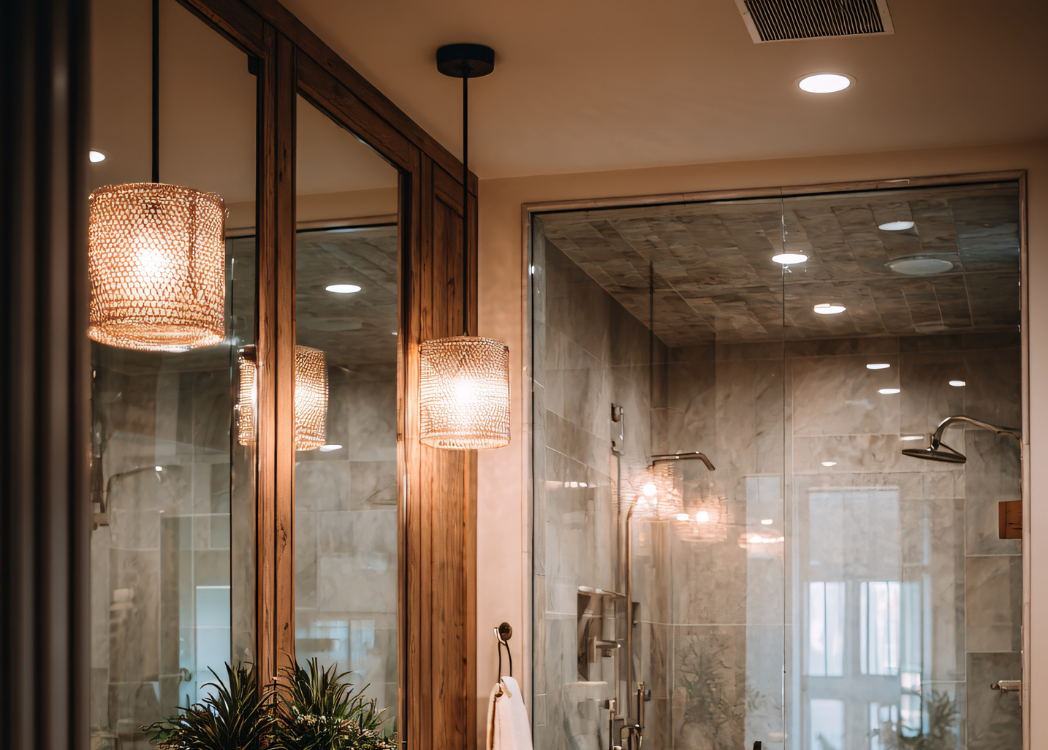
Bathrooms tend to expose lighting problems faster than almost any other room in a home. What feels “fine” during the day can quickly become frustrating early in the morning or late at night, especially during Chicago winters when natural light is limited.
In many Chicago homes—particularly older ones—bathroom lighting was designed around outdated fixtures, minimal task lighting, or a single overhead source. Over time, this can lead to shadows, glare, or dim conditions that affect both comfort and safety.
Choosing the right bathroom lighting isn’t about trends or aesthetics alone. It’s about understanding how your space is used, how Chicago homes are built, and how lighting behaves in a room that deals with moisture, temperature changes, and daily routines.
Why Bathroom Lighting Feels Especially Challenging in Chicago Homes
Chicago’s housing stock spans many decades, and bathroom layouts often reflect the era in which a home was built. Smaller bathrooms, limited ceiling height, and older wiring can all influence lighting options.
Seasonal factors also play a role. Short winter days mean homeowners rely more heavily on artificial lighting, making poor lighting choices more noticeable. What worked passably in summer can feel inadequate in January.
Bathrooms also combine several lighting needs in a small space:
- Task lighting for grooming
- Ambient lighting for general use
- Safe, moisture-rated fixtures
Balancing all three is where many homeowners struggle.
Start With How the Bathroom Is Actually Used
Before thinking about fixtures or finishes, it helps to consider how the bathroom is used on a daily basis.
Questions homeowners often overlook:
- Is this a primary bathroom or a guest bathroom?
- Is it used early in the morning or late at night?
- Does more than one person use it at the same time?
- Is it a small powder room or a full bath?
A bathroom used for quick hand-washing has very different lighting needs than one used daily for grooming, makeup, or shaving. Understanding usage helps determine where lighting matters most.
Task Lighting: The Most Common Missing Element
One of the most frequent issues in Chicago bathrooms is inadequate task lighting, especially around mirrors.
Overhead lights alone often create shadows on the face, making grooming tasks harder. This is particularly noticeable in older homes where a single ceiling fixture was once considered sufficient.
Effective task lighting typically involves:
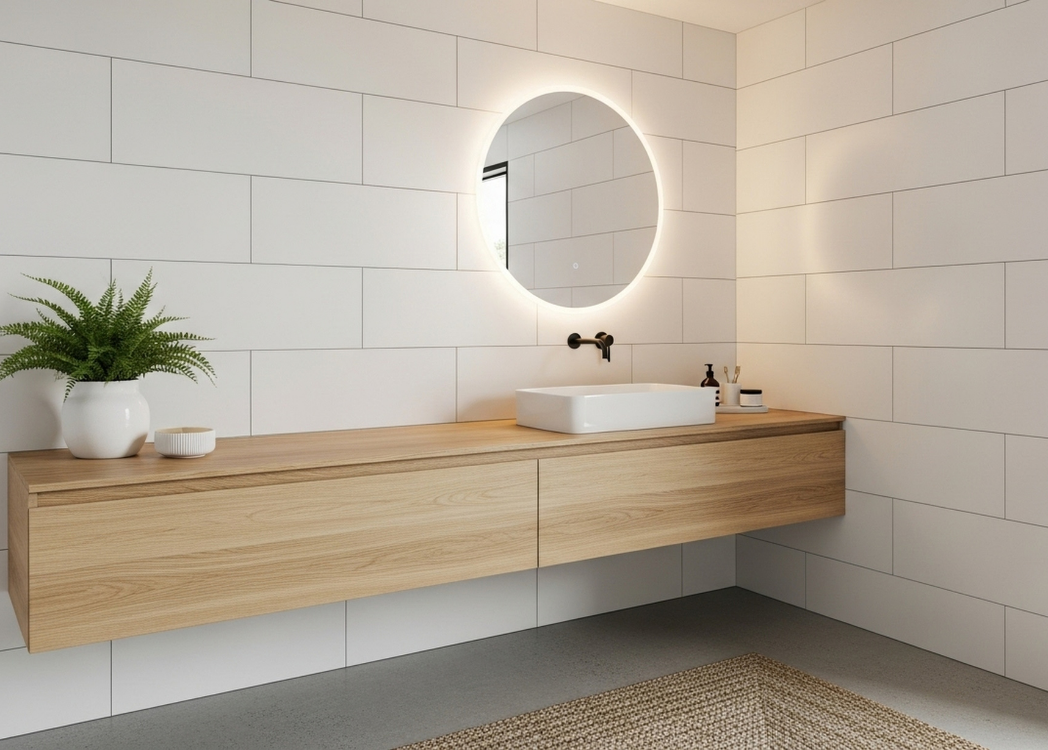
- Light sources placed at or near face level
- Even illumination that minimizes shadows
- Fixtures positioned to avoid glare
Side lighting at mirror height often provides more balanced light than fixtures mounted directly above the mirror.
Overhead Lighting Still Matters—Just Not Alone
While task lighting is critical, overhead lighting still plays an important role in bathroom comfort and safety.
Overhead fixtures help:
- Provide general illumination
- Reduce dark corners
- Improve visibility when moving through the space
In smaller Chicago bathrooms, overhead lighting may need to work harder due to limited natural light. In these cases, choosing the right brightness and diffusion becomes especially important.
Recessed lighting is common in updated bathrooms, but placement matters. Poorly positioned recessed lights can still cast shadows if they’re not coordinated with task lighting.
Choosing the Right Light Temperature for Chicago Winters
Light temperature—measured in Kelvin—has a noticeable impact on how a bathroom feels, especially during long winter months.
Common temperature ranges include:
- Warm light (2700K–3000K): softer, more relaxing
- Neutral light (3500K–4000K): balanced and practical
- Cool light (5000K+): bright, daylight-like
In Chicago, many homeowners prefer neutral tones in bathrooms. These provide clarity without feeling harsh, particularly when natural daylight is limited.
Extremely cool lighting can feel stark during winter, while overly warm lighting may reduce visibility for grooming tasks.
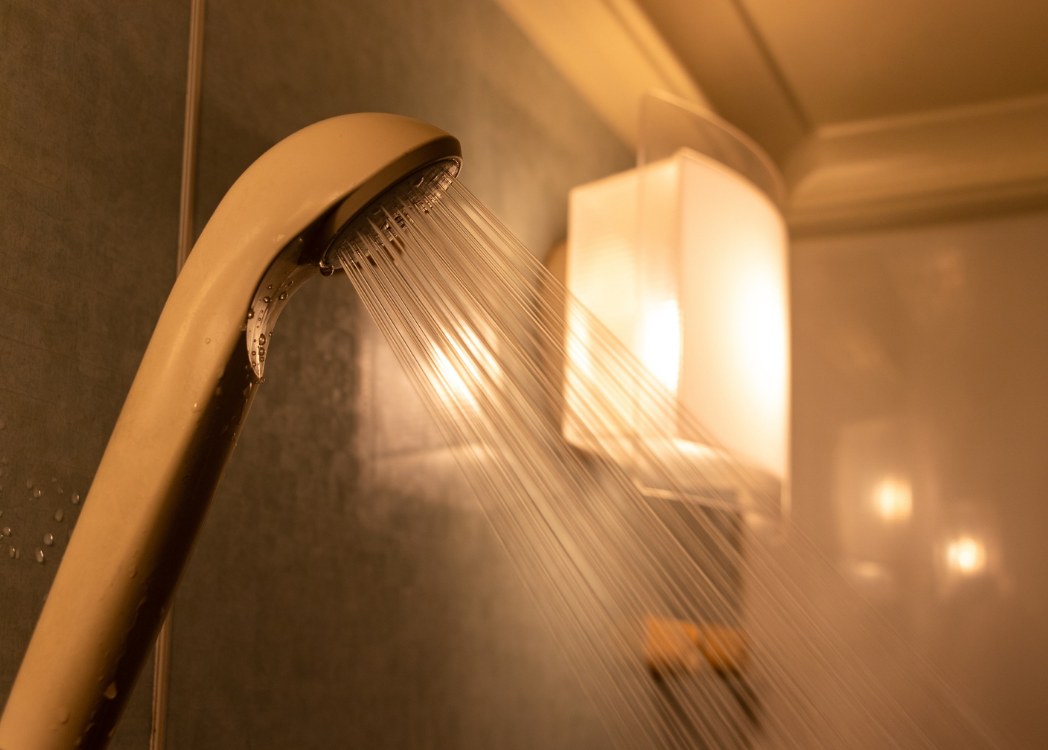
Moisture Ratings Are Not Optional in Bathrooms
Bathrooms are high-moisture environments, and this affects fixture selection more than many homeowners realize.
Fixtures used in bathrooms should be rated appropriately for:
- Damp locations (general bathroom areas)
- Wet locations (showers or tub enclosures)
Using non-rated fixtures in moisture-prone areas can shorten fixture lifespan and pose safety concerns. This is especially important in older Chicago homes where ventilation may already be limited.
Older Homes Often Require Extra Planning
Many older Chicago homes have:
- Plaster walls instead of drywall
- Limited ceiling depth
- Older electrical systems
These factors can influence what types of fixtures are practical. For example, certain recessed fixtures may not be compatible without additional work, and wall-mounted fixtures may require reinforcement or updated wiring.
Understanding these constraints helps homeowners choose lighting solutions that are realistic for their space.
Lighting Can Affect How a Bathroom Feels—Not Just How It Looks
Beyond visibility, lighting influences how a bathroom feels emotionally.
Poor lighting can make a space feel:
- Smaller than it is
- Colder or less inviting
- More cluttered
Thoughtful lighting placement can improve perceived space, enhance finishes, and make daily routines feel easier.
This is particularly relevant in Chicago homes where bathrooms are often compact and shared.
Common Bathroom Lighting Mistakes Homeowners Make
Over time, a few patterns tend to repeat:
- Relying solely on one overhead fixture
- Choosing fixtures based on appearance rather than function
- Ignoring moisture ratings
- Selecting bulbs that are too cool or too dim
- Forgetting how winter light changes the space
Avoiding these mistakes doesn’t require a full renovation—often it’s about making more informed choices.
When Small Lighting Changes Make a Big Difference
Many homeowners are surprised by how much impact small lighting adjustments can have. Swapping bulbs, adding a secondary fixture, or adjusting placement can significantly improve usability without major construction.
In Chicago homes where larger renovations may not be practical, incremental improvements often offer the best return in comfort.
Viewing Bathroom Lighting as a Practical Upgrade
Bathroom lighting isn’t just a design choice—it’s a functional element that affects safety, comfort, and daily routines.
By understanding how Chicago homes differ, how seasons affect light, and how bathrooms are actually used, homeowners can make lighting decisions that feel thoughtful rather than reactive.