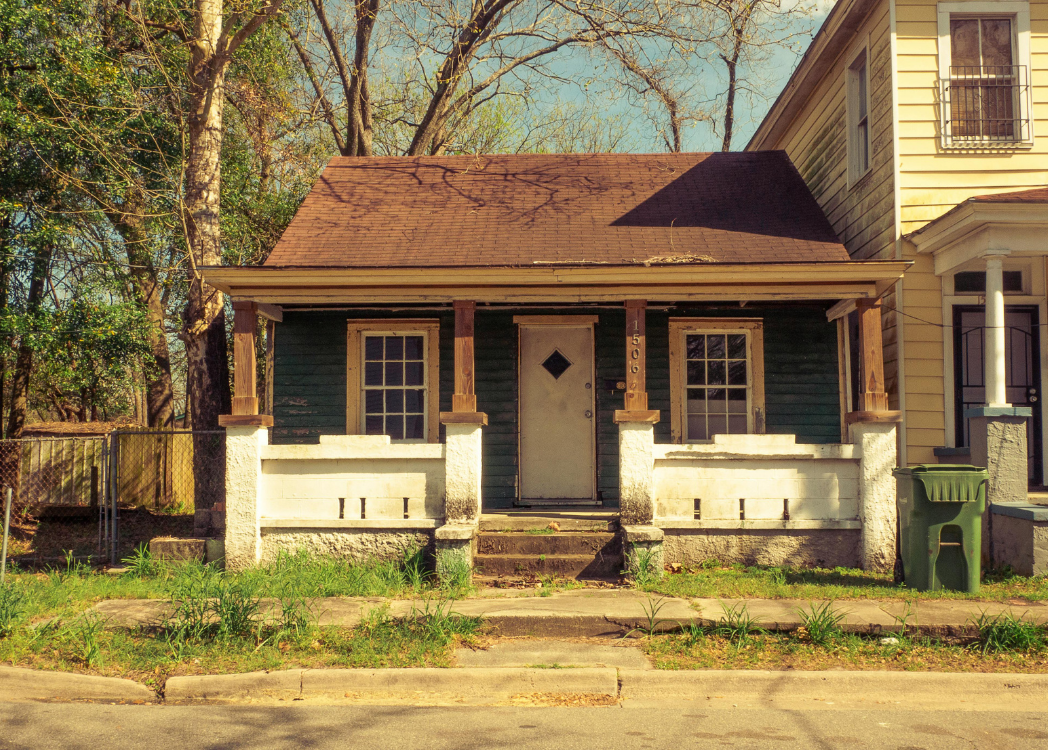
The Most Common “Almost Issues” in a Home (And Why They Matter)
Understanding the small, borderline conditions that aren’t quite problems yet—but often become them over time.
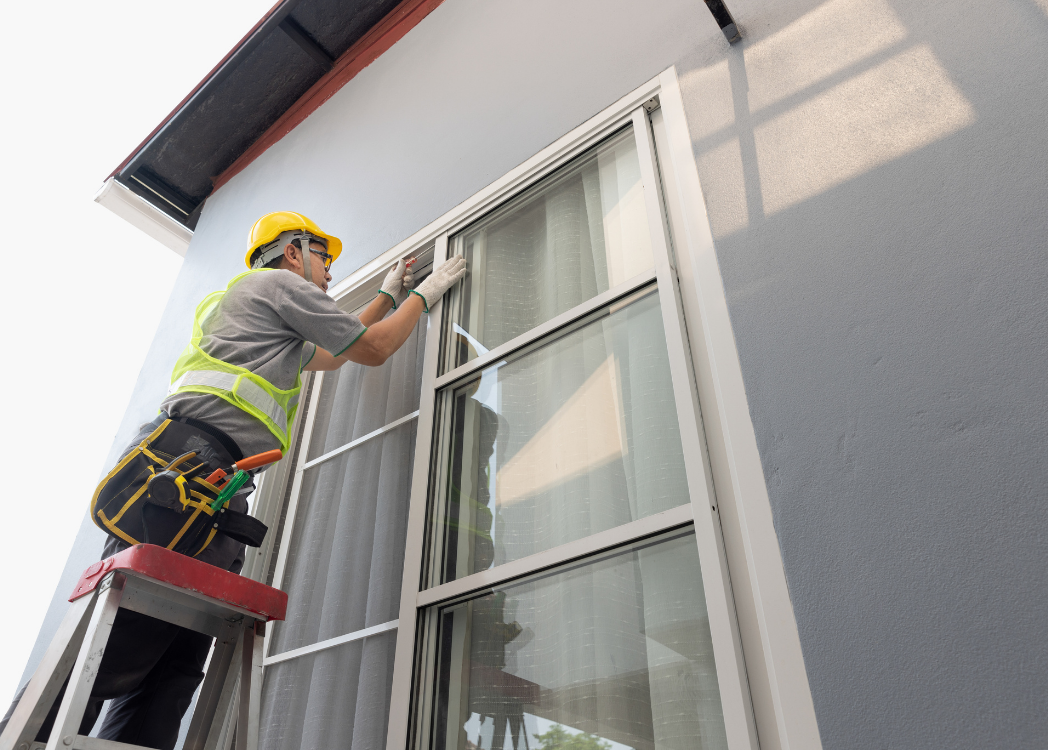
Most homes contain a handful of things that don’t feel quite right, but also don’t feel serious enough to act on. A small gap, a faint mark, a slight shift in how something operates—these are the kinds of conditions that sit in the background. They aren’t urgent. They don’t interfere with daily life. In many cases, they remain exactly as they are for long periods of time.
These are what could be called “almost issues.” They exist somewhere between normal wear and something that needs attention. What makes them important is not what they are in the moment, but what they have the potential to become.
Understanding these in-between conditions helps create a more balanced approach to maintenance, where attention is guided by awareness rather than urgency.
What Makes Something an “Almost Issue”
An almost issue is a condition that shows a sign of change but hasn’t progressed to the point where it clearly affects function or performance.
It often looks like:
- A small crack that hasn’t grown
- A gap that opens and closes slightly
- A surface that shows early signs of wear
- A component that feels slightly different but still works
These conditions are not failures. They are signals that something has shifted, even if that shift is minor. The key distinction is that they sit at a point where they could remain stable or begin to develop further depending on surrounding conditions.
Why They’re Easy to Ignore
Almost issues are easy to overlook because they don’t create immediate consequences. A door that sticks slightly can still be used. A small gap in trim doesn’t affect the structure. A faint discoloration may not change over time.
Because these conditions don’t demand attention, they tend to be pushed aside in favor of more obvious concerns.
This is a natural response. Maintenance often focuses on what is clearly broken or no longer functioning. Almost issues fall outside of that category, which is why they tend to remain in place.
Where They Commonly Appear
Almost issues tend to show up in areas where materials interact, where movement occurs, or where environmental exposure is slightly higher.
Common examples include:
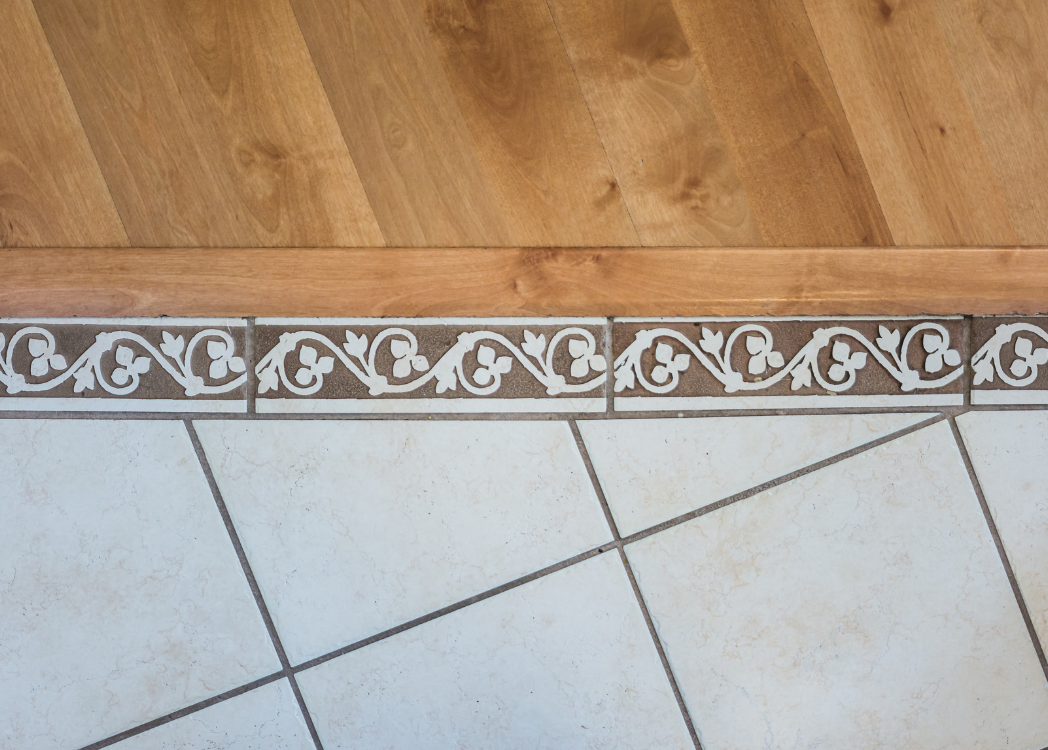
- Transitions between different materials
- Areas near windows and doors
- Corners and edges of rooms
- Surfaces exposed to moisture or temperature variation
These locations are more likely to experience subtle changes, which makes them natural points for early-stage conditions to appear.
The Role of Stability
One of the most important factors in understanding almost issues is stability. A condition that remains consistent over time is often stable. It may not look perfect, but it isn’t actively changing.
A condition that shifts, even slightly, is more likely to develop further. The challenge is that this difference isn’t always obvious right away. It requires observing how the issue behaves over time rather than relying on a single moment.
When They Stay the Same
Not every almost issue becomes a problem. Many remain exactly as they are, influenced by conditions that are predictable and consistent.
For example:
- A seasonal crack that appears and then closes
- A small gap that doesn’t widen or spread
- Minor surface wear that stabilizes after initial use
In these cases, the issue reflects how the home responds to its environment rather than a condition that is progressing. Recognizing stability helps avoid unnecessary intervention.
When They Start to Change
Some almost issues do begin to develop, and the signs are usually gradual.
You might notice:
- The area becoming slightly larger
- Similar conditions appearing nearby
- A small change in how something functions
These changes are often subtle at first, but they indicate that the underlying condition is still active. Catching this early is what prevents a small issue from becoming a larger one.
Why They Matter Over Time
Almost issues matter because they represent the earliest stage of change. Addressing them at this point is often simpler than waiting until they become more defined problems. This doesn’t mean every almost issue needs immediate attention. It means understanding which ones are stable and which ones are beginning to shift. Over time, this approach reduces the number of larger repairs by managing conditions earlier in their development.

A More Measured Approach
Instead of reacting to every small imperfection, it’s more effective to observe, track, and respond based on behavior.
This might include:
- Noting where the issue is located
- Checking it periodically
- Looking for changes rather than reacting to appearance alone
This approach keeps maintenance manageable while still addressing what matters.
Bringing It Together
Almost issues sit in a space that’s easy to overlook but important to understand. They don’t demand attention, but they provide information about how the home is changing. By recognizing these early signals and paying attention to how they behave over time, it becomes easier to respond in a way that is both practical and effective.