The Hidden Impact of Poor Alignment in a Home
How small misalignments affect function, wear, and the way your home feels over time.

Most alignment issues in a home don’t announce themselves clearly. They show up gradually, often in ways that are easy to overlook at first. A cabinet door sits just slightly off. A door needs a bit more pressure to latch. A light fixture feels like it’s not quite centered, even if you can’t immediately explain why.
Individually, these details seem minor. They don’t stop the home from functioning, and they’re easy to adapt to. Over time, though, small misalignments tend to build on each other. What starts as a subtle inconsistency can begin to affect how things operate, how materials wear, and how the space feels as a whole. Understanding alignment in a home isn’t about perfection. It’s about how components relate to each other and how those relationships hold up over time.
Alignment Is About Relationship, Not Just Position
It’s easy to think of alignment as something purely visual—whether something looks straight or level. In practice, alignment is more about how different parts of the home interact. A door, for example, doesn’t just need to appear straight. It needs to sit properly within its frame, close without resistance, and distribute pressure evenly across its hinges and latch. When one of those relationships is slightly off, the door may still function, but it begins to place stress on specific points. That stress is where wear begins. The same idea applies to cabinets, drawers, fixtures, and even trim. Alignment determines how force is distributed, and uneven distribution is what leads to gradual breakdown.
How Small Misalignments Start
Alignment issues don’t usually come from a single event. They tend to develop over time as materials respond to their environment.
Common causes include:
- Seasonal expansion and contraction
- Minor structural movement
- Repeated use in specific directions
- Slight shifts during installation or adjustment
None of these factors are unusual. In fact, they’re part of how homes naturally behave. The difference is that even small shifts can affect alignment in ways that aren’t immediately noticeable. Because the change is gradual, it often goes unaddressed until it begins to affect function.
Doors: The First Place It Shows
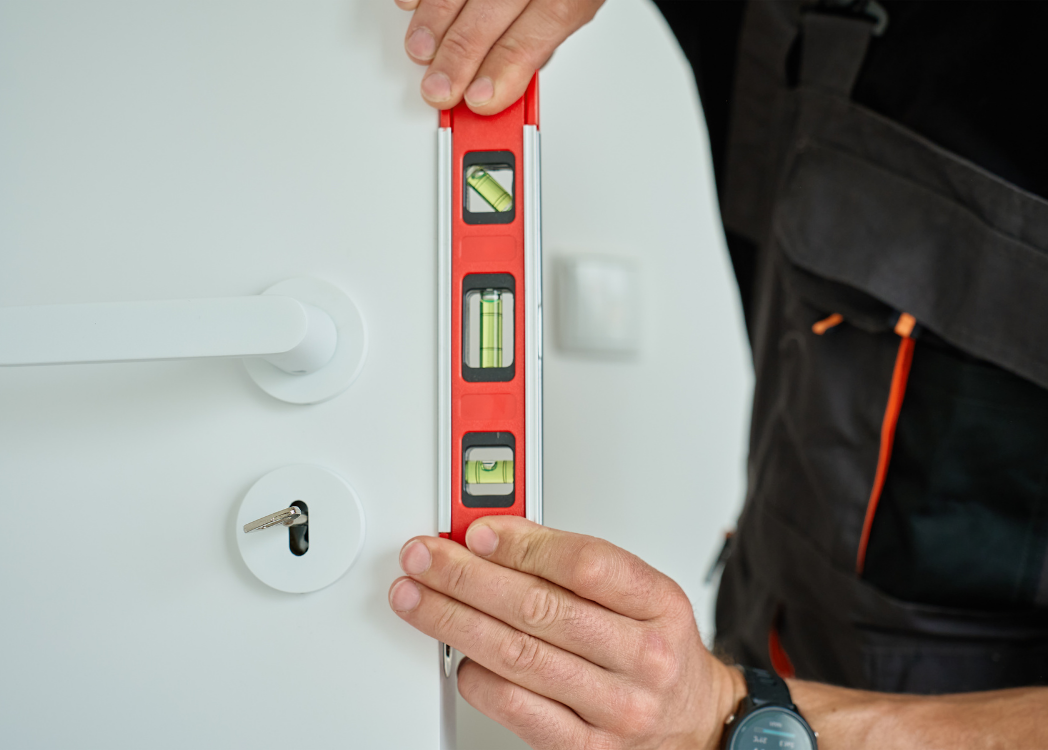
Doors are one of the most sensitive indicators of alignment because they rely on multiple points working together.
When alignment begins to shift, you might notice:
- The door doesn’t latch as easily as it used to
- It rubs slightly against the frame
- It needs to be pushed or lifted to close properly
At first, these changes feel minor. Over time, they can lead to uneven wear on hinges, stress on the frame, and increased effort with each use. Because doors are used frequently, even a small misalignment becomes more noticeable.
Cabinets and Drawers
Cabinetry shows alignment issues in a different way. Instead of resisting movement, it often reflects it visually.
You may see:
- Uneven gaps between doors
- Drawer fronts that no longer sit flush
- Hardware that feels slightly off when used
These changes don’t always affect function immediately, but they influence how force is applied over time. A drawer that doesn’t slide evenly, for example, may place more pressure on one side of its track. Over time, that uneven pressure can lead to faster wear.
Fixtures and Mounted Elements
Alignment also plays a role in how fixtures perform, even when the effect isn’t obvious at first.
This includes:
- Light fixtures
- Shelving
- Wall-mounted hardware
When these elements are slightly out of alignment, the load they carry isn’t distributed evenly. This can create subtle stress points that affect how securely they remain attached. Again, the change is gradual. The fixture may feel solid at first, but over time, that uneven distribution can lead to movement or loosening.
How Alignment Affects Wear Patterns
One of the less obvious effects of poor alignment is how it changes wear patterns. When something is aligned properly, wear is distributed evenly. Surfaces age gradually and predictably. When alignment is off, wear becomes concentrated in specific areas.
You might notice:
- Edges wearing faster than surrounding surfaces
- Hardware loosening more frequently
- Certain points showing more stress than others
These patterns are often a direct result of uneven pressure. Over time, this concentrated wear can make a small issue feel larger than it actually is.
The Subtle Impact on How a Home Feels
Beyond function and durability, alignment affects how a space feels. Even when the issue isn’t obvious, small inconsistencies can create a sense that something is slightly off. A room may feel less settled, or certain elements may draw attention without a clear reason. This is often the result of visual and functional cues not aligning properly. When everything sits where it should and operates smoothly, the space feels more cohesive. When those relationships shift, even slightly, the difference becomes noticeable.
Why Alignment Issues Tend to Spread
One of the reasons alignment issues can become more significant over time is that they rarely stay isolated.
When one component shifts, it can influence others. For example:
- A door that shifts may affect the surrounding trim
- A cabinet that moves slightly may change how adjacent doors sit
- A fixture that loosens may place stress on the surface it’s attached to
These connections mean that a small misalignment can gradually affect a larger area. Addressing it early often prevents that spread.
Small Adjustments Make a Big Difference
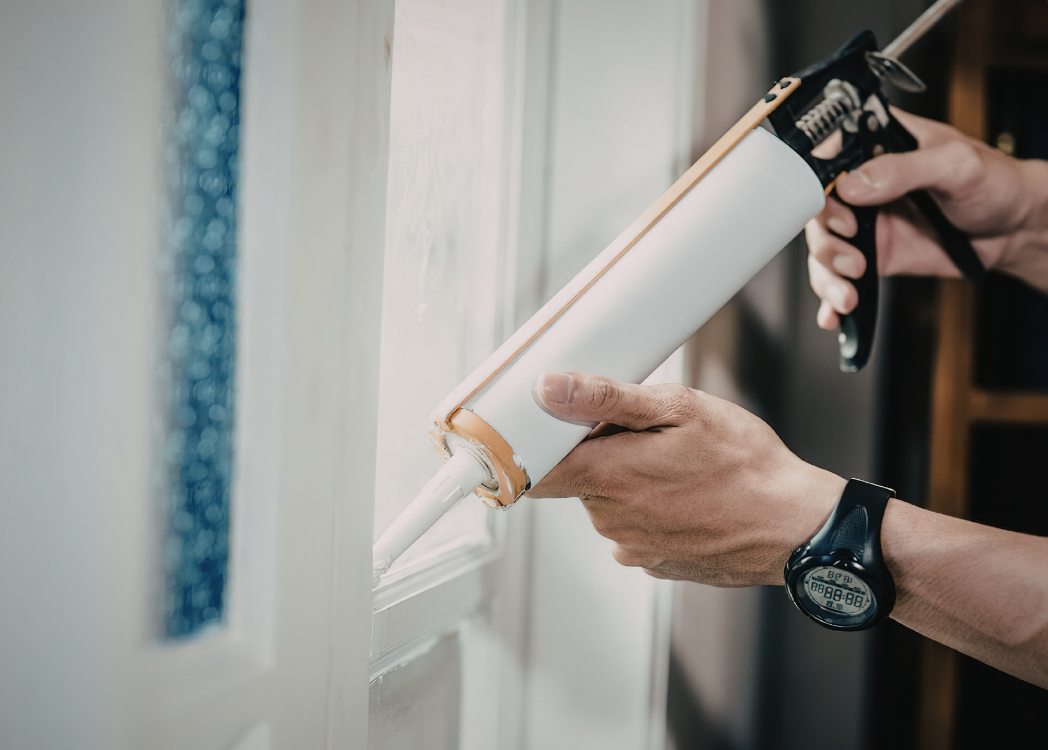
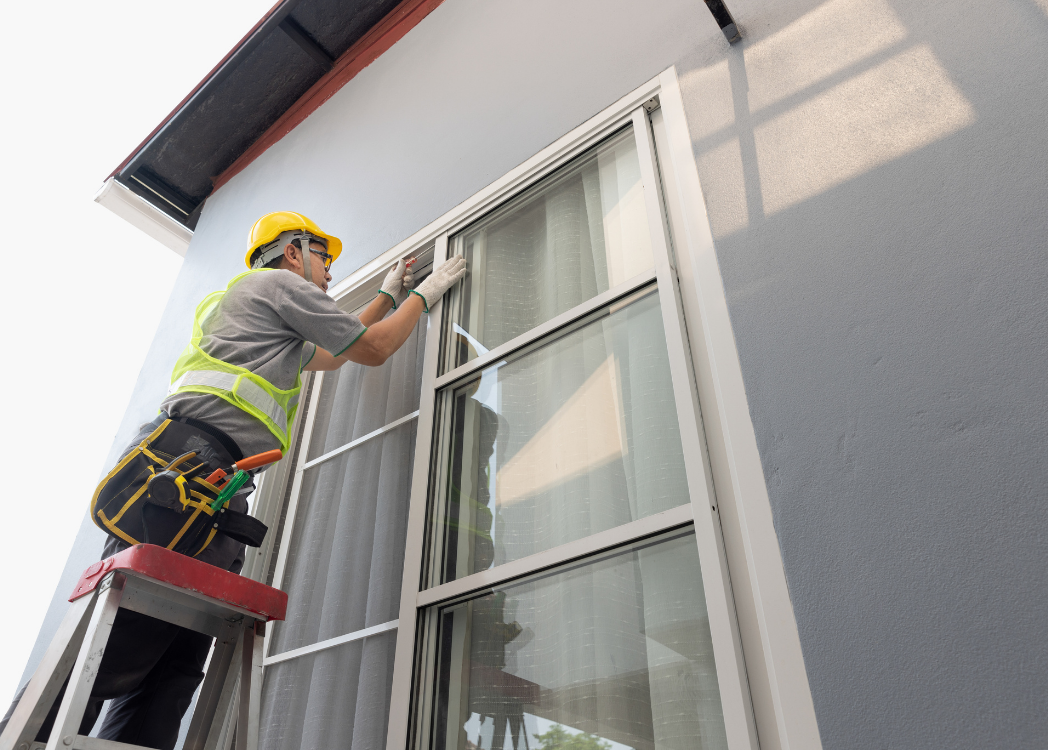
The good news is that alignment issues are often correctable with relatively small adjustments.
This might involve:
- Realigning hinges or hardware
- Adjusting how a component sits within its frame
- Re-securing elements so weight is distributed properly
Because the issue is usually gradual, the correction doesn’t need to be dramatic. Bringing things back into alignment often restores both function and balance.
A More Intentional Way to Look at It
Instead of focusing on whether something looks perfect, it can be more helpful to ask whether it operates the way it should.
Questions like:
- Does this move smoothly?
- Does it sit evenly?
- Does it feel stable when used?
provide more useful insight than appearance alone. This approach shifts attention from surface detail to performance.
Bringing It Together
Alignment is one of those aspects of a home that’s easy to overlook because it changes slowly. Over time, though, it influences how things function, how they wear, and how the space feels overall.
When components are aligned properly, stress is distributed evenly, movement is smoother, and wear is more predictable. When alignment shifts, even slightly, those relationships begin to change. Paying attention to these small details—and adjusting them when needed—helps maintain that balance and keeps the home functioning the way it was intended to.