What Happens When Air Can’t Move Properly Through Your Home
How airflow patterns shape comfort, moisture behavior, and long-term wear in ways most homeowners don’t notice.
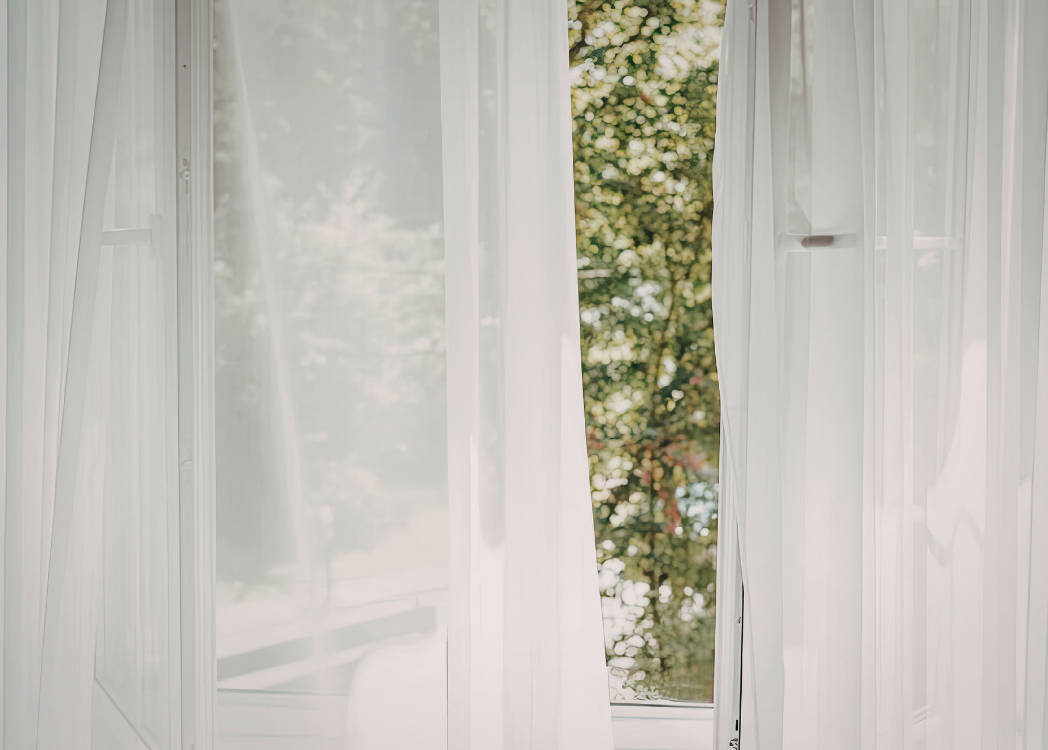
Air is one of the few things in a home that you can’t see but constantly interact with. It moves through rooms, across surfaces, and between levels, carrying temperature and moisture with it. When airflow is balanced, it’s almost invisible. Rooms feel consistent, surfaces dry at a predictable rate, and the environment remains stable without much thought.
When airflow is restricted or uneven, the effects begin to show up in quieter ways. Certain areas feel heavier, others feel drier than expected, and some spaces begin to behave differently even though nothing obvious has changed. These differences often develop gradually, which is why they’re easy to overlook at first.
Understanding what happens when air doesn’t move properly is less about identifying a single issue and more about recognizing how multiple small conditions begin to shift at the same time.
Air Doesn’t Move Evenly to Begin With
Even in a well-functioning home, air doesn’t distribute itself perfectly. Some rooms naturally receive more circulation, while others are more isolated due to layout, door placement, or how spaces connect. This uneven distribution is usually balanced by movement. Doors open and close, people move between rooms, and air naturally circulates through those interactions. When that movement is reduced, the imbalance becomes more noticeable.
For example, a room that sits at the end of a hallway may already receive less airflow. If the door remains closed for long periods, that space begins to behave differently than the rest of the home. The air becomes more static, and any moisture or temperature variation tends to remain in place longer. This is often the starting point for larger changes.
Moisture Begins to Settle Instead of Move
Air carries moisture, even when you can’t see it. Under normal conditions, that moisture moves with the air and disperses evenly throughout the home.
When airflow slows down, moisture loses that ability to move freely. Instead of circulating, it begins to settle in specific areas.
This can lead to:
- Surfaces that take longer to dry
- Slightly heavier air in enclosed spaces
- Subtle differences in how rooms feel
What’s important to understand is that this isn’t the result of additional moisture being introduced. It’s the result of existing moisture not being redistributed effectively. Over time, this imbalance can influence how materials respond, especially in areas where moisture is already more likely to be present.
Temperature Becomes Less Consistent
Airflow also plays a major role in how temperature is distributed. When air moves freely, it helps equalize temperature differences between rooms and surfaces. When movement is restricted, those differences become more pronounced.
You might notice:
- Rooms that feel cooler or warmer than expected
- Surfaces that stay colder than the surrounding air
- Variations between levels of the home
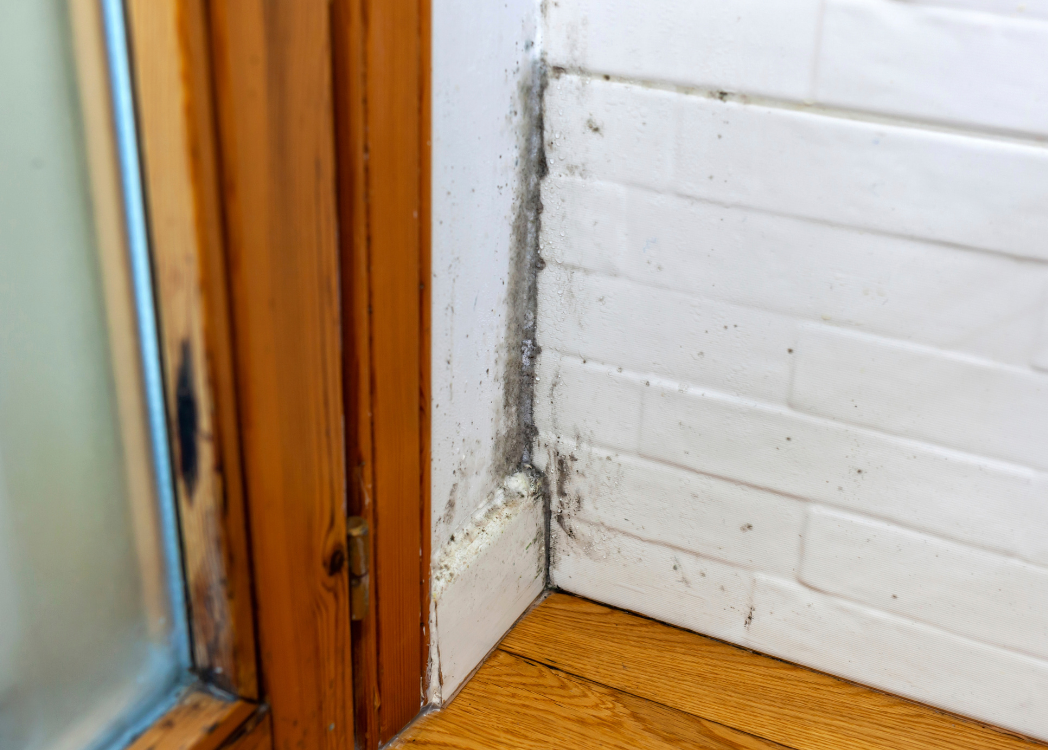
These differences affect how moisture behaves. Warm air interacting with cooler surfaces creates conditions where condensation is more likely, even if it isn’t immediately visible. This interaction is one of the main reasons certain areas begin to feel damp without any direct water source.
“Dead Zones” Start to Form
In areas with very limited airflow, what you end up with are often referred to as dead zones. These are spaces where air movement is minimal, and conditions remain relatively unchanged over time.
Common locations include:
- Corners of rooms
- Areas behind large furniture
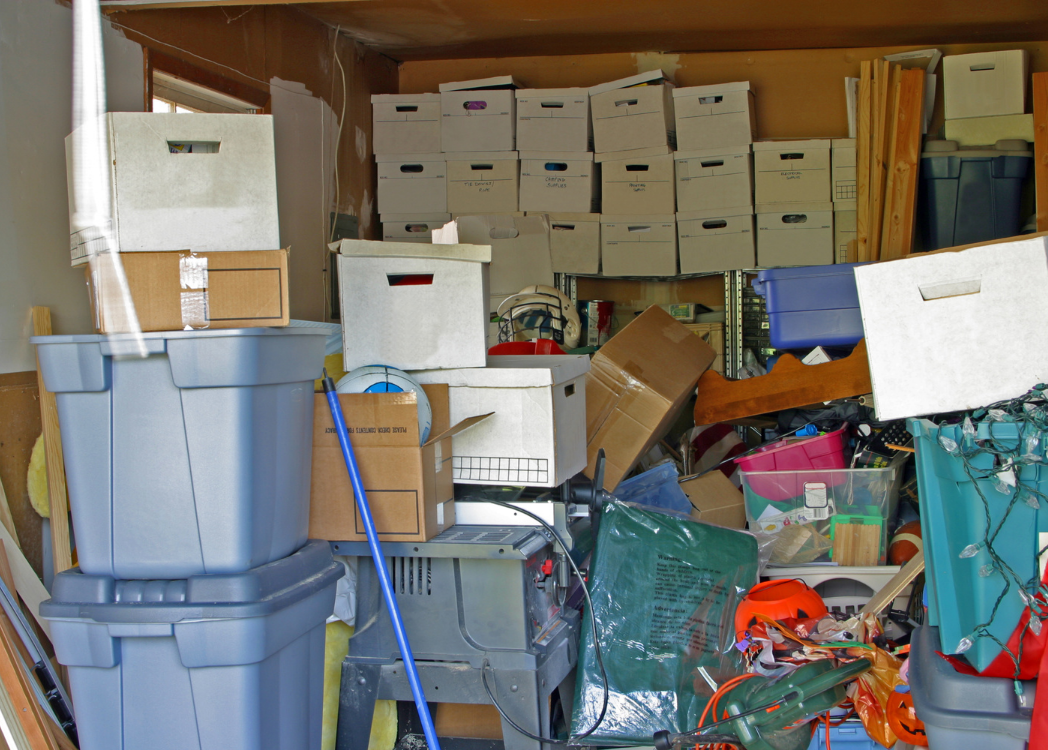
- Closets and storage spaces
- Sections of basements or lower levels
In these zones, air tends to stagnate. Moisture lingers, temperature remains uneven, and surfaces are exposed to consistent conditions rather than fluctuating ones. Because these areas are often out of sight, the changes that occur within them can go unnoticed for longer periods.
Surfaces Begin to Respond Differently
When airflow is uneven, surfaces don’t all respond the same way. Some dry quickly and remain stable, while others hold moisture longer and begin to show subtle changes.
You may start to notice:
- Slight differences in texture or feel
- Areas where finishes wear differently
- Materials that seem to respond more to seasonal change
These differences are not usually dramatic, but they create variation within the home that wasn’t there before. Over time, this variation contributes to uneven wear and a sense that certain areas are aging differently than others.
Airflow Affects More Than Comfort
It’s easy to think of airflow primarily in terms of comfort, but its impact goes beyond how a space feels.
Proper air movement helps:
- Distribute moisture evenly
- Reduce localized humidity buildup
- Support consistent material behavior
When airflow is limited, these processes become less effective. Instead of maintaining balance, the home begins to develop pockets of different conditions. This is why airflow is closely tied to both short-term comfort and long-term durability.
Why the Change Is Hard to Pinpoint
One of the challenges with airflow-related issues is that they don’t have a single, obvious source. There’s no one point to fix, no visible damage to address, and no immediate sign that something is wrong. Instead, there’s a gradual shift in how the space feels and behaves.
This can make it difficult to identify what has changed. Often, the difference is the result of several small factors working together, such as:
- Doors remaining closed more often
- Furniture placement limiting circulation
- Seasonal changes affecting temperature and humidity
Individually, these factors don’t stand out. Together, they influence how air moves through the home.
Small Adjustments Can Restore Balance
Because airflow issues are usually caused by a combination of small factors, they can often be improved through small adjustments.
This might include:
- Allowing air to move more freely between rooms
- Creating space around areas where air tends to stagnate
- Paying attention to how different levels of the home interact
The goal isn’t to force air movement, but to reduce the barriers that prevent it. When airflow improves, moisture and temperature tend to rebalance naturally.
A More Complete View of the Home
Airflow is one of the underlying systems that connects everything else. It influences moisture, temperature, and how materials behave over time. When it’s working well, it’s invisible. When it’s not, the effects show up in subtle but meaningful ways. Understanding these patterns helps shift the focus from isolated symptoms to the overall behavior of the home.
Bringing It Together
When air can’t move properly through a home, the result isn’t a single issue—it’s a shift in balance. Moisture settles instead of circulating, temperature becomes uneven, and certain areas begin to respond differently than others.
These changes develop gradually, which is why they’re easy to miss at first. Over time, though, they influence both comfort and how the home holds up. By paying attention to airflow and making small adjustments where needed, it becomes possible to restore that balance and support how the home functions as a whole.