How to Tell If a Repair Was Done Properly (Even If You Didn’t See It Happen)
What to look for after the work is complete—and how to recognize whether a repair is likely to hold over time.
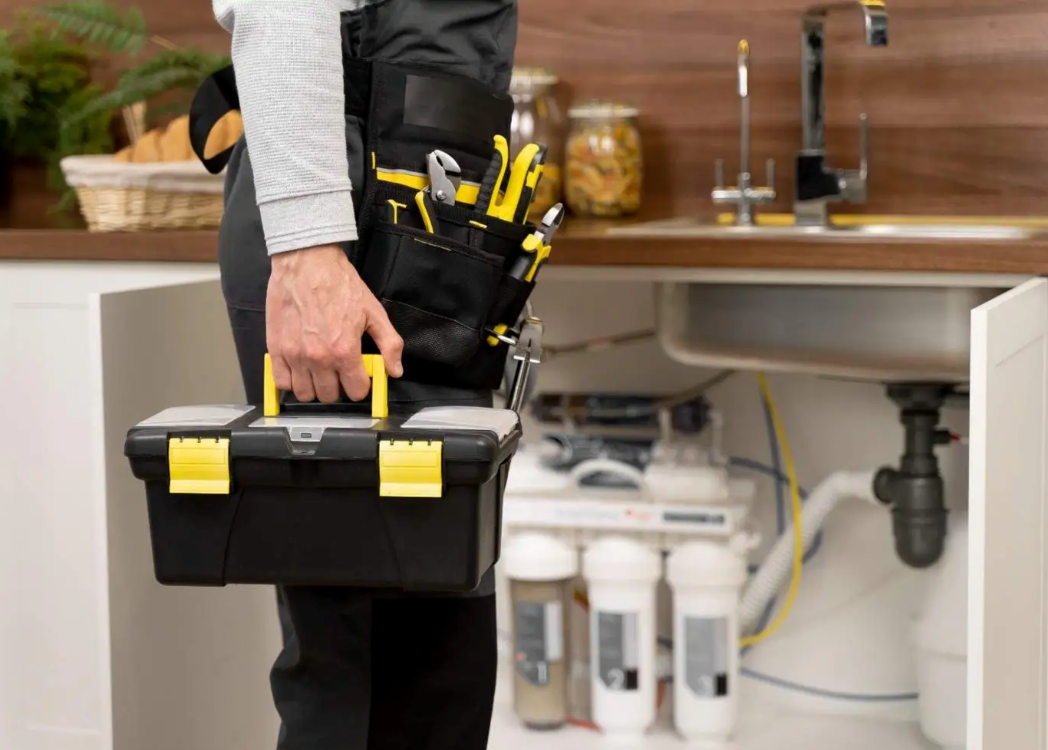
Most homeowners don’t see repairs as they happen. Work gets scheduled, completed, and presented at the end in its finished form. The visible issue looks resolved, the space feels put back together, and the expectation is that everything behind the surface was handled correctly.
In many cases, that expectation is met. The repair is done properly, the underlying condition is addressed, and the result holds over time. The challenge is that not all repairs are equal, and the difference between a lasting solution and a temporary one is not always obvious right away.
A surface can look clean and finished while still relying on conditions that haven’t been fully resolved. A component can feel solid at first but respond differently after repeated use. Because of this, it becomes useful to have a way to evaluate a repair after it’s complete, even without seeing the process itself.
This isn’t about inspecting technical details or second-guessing the work. It’s about understanding how to read the outcome in a way that reflects how the repair will perform.
Appearance Is Only the Starting Point
The first thing most people notice after a repair is how it looks. A crack is filled, a surface is smooth, or a component is back in place. Visual improvement is important because it indicates that the issue has been addressed at a surface level.
However, appearance alone doesn’t tell the full story. A repair that looks clean but lacks consistency in surrounding areas can indicate that the focus was limited to the most visible part of the issue.
A more reliable visual cue is how well the repair integrates with the rest of the space. When work is done thoroughly, the repaired area tends to blend naturally rather than stand out as a separate section.
This includes:
- Even transitions between old and new materials
- Consistent texture and finish
- Alignment that matches surrounding elements
These details suggest that the repair was approached with attention to how it fits into the larger system.
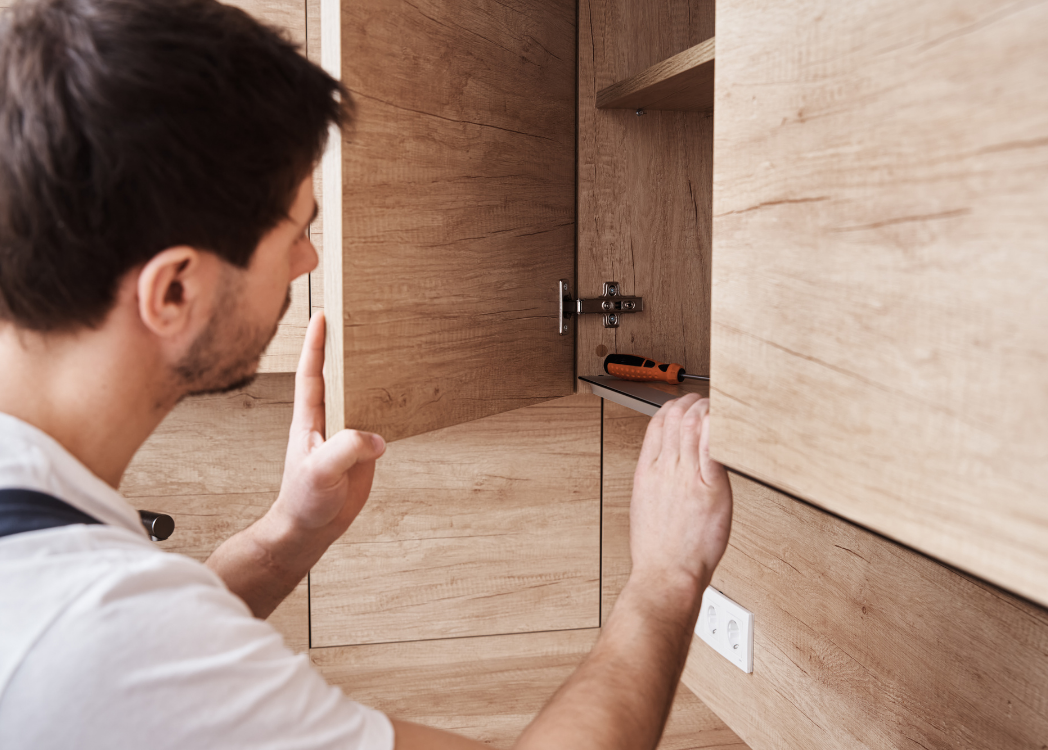
Function Reveals More Than Appearance
While appearance provides a first impression, function is often a stronger indicator of quality. A proper repair should not only look complete but also restore or improve how something operates.
For example, if a door was adjusted, it should close smoothly without requiring extra force. If a fixture was secured, it should feel stable under normal use. If a surface was repaired, it should respond consistently when touched or used. Function reflects whether the repair addressed the conditions that caused the issue in the first place. If those conditions remain, performance often begins to change again over time.
Observing how something works in the days following a repair provides more insight than the immediate visual result.
Stability Over Time Is the Key Indicator
The most reliable way to evaluate a repair is to see how it holds up. A well-done repair remains consistent under normal conditions, even as the home experiences everyday use and environmental changes.
In the first few weeks after a repair, it helps to notice:
- Whether the area looks the same as it did immediately after completion
- Whether surrounding materials remain stable
- Whether the original issue shows any signs of returning
A repair that maintains its condition through regular use and minor environmental shifts is more likely to have addressed the underlying cause. If changes begin to appear quickly, it often indicates that something influencing the issue is still present.
Consistency Matters More Than Perfection
One of the most common misconceptions about repairs is that they should look perfect. In reality, consistency is a more meaningful indicator than perfection. A repair that looks slightly different but behaves consistently is usually more reliable than one that looks flawless but begins to change over time.
Consistency includes:
- Even response to use
- Stable alignment
- No noticeable change in adjacent areas
These qualities suggest that the repair was integrated into the home’s natural behavior rather than applied as a surface-level fix.

Attention to Surrounding Conditions
A thorough repair rarely focuses on a single point. Instead, it considers how that point connects to the surrounding area. For example, addressing a gap may involve checking adjacent joints. Adjusting a door may include aligning the frame or hinges. Repairing a surface may require preparing the area around it to ensure a stable result.
When these surrounding conditions are considered, the repair tends to perform more reliably because it accounts for how the issue developed. When they are not, the repair may hold temporarily but remain vulnerable to the same conditions that caused the issue initially.
Subtle Signs That a Repair May Not Hold
Even when a repair looks complete, there are often small indicators that suggest it may not be fully resolved.
These might include:
- Slight movement when pressure is applied
- Minor changes in alignment after a short period
- Differences in how the repaired area responds compared to surrounding areas
These signs don’t always mean the repair is incorrect, but they can indicate that the underlying condition is still active.
Noticing these early makes it easier to reassess before the issue returns more clearly.
When to Simply Observe
Not every repair needs to be evaluated in detail. In many cases, the best approach is to observe how the area behaves over time rather than analyzing it immediately.
Observation allows patterns to emerge naturally. If the repair remains stable, no further action is needed. If changes occur, they provide useful information about what may still be influencing the area.
This approach avoids unnecessary concern while still maintaining awareness.
Bringing It Together
A properly completed repair is defined less by how it looks on the day it’s finished and more by how it performs over time. Appearance, function, and stability all work together to indicate whether the work addressed the issue fully. By paying attention to how a repair behaves rather than relying solely on its initial appearance, it becomes easier to understand whether it’s likely to hold or require further attention.