How Clutter and Storage Choices Affect Home Maintenance
Why the way you store and organize your home can influence airflow, wear, and your ability to spot issues early.
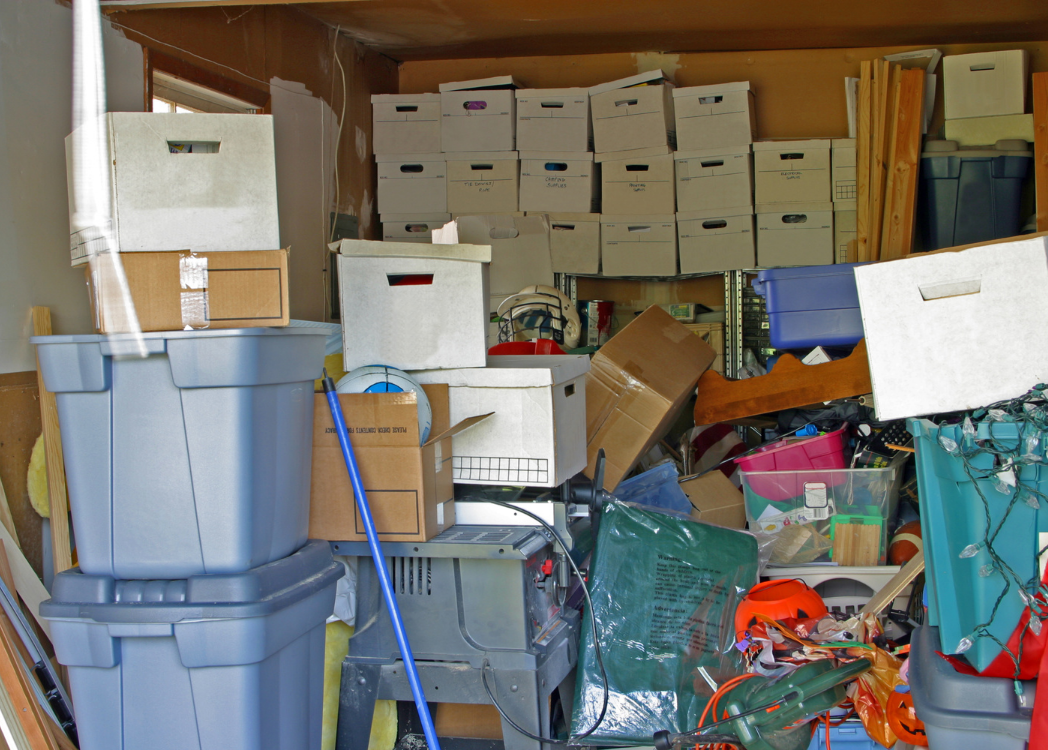
Clutter is usually thought of as a visual issue. It affects how a space looks, how open it feels, and how easily things can be found. What’s less obvious is how clutter and storage decisions influence the way a home functions over time. The way items are stored, where they’re placed, and how long they remain in one position all affect airflow, visibility, and wear patterns. These factors don’t always create immediate problems, but they shape how conditions develop and how easily those conditions can be noticed.
Looking at storage from a maintenance perspective changes how you think about space. It becomes less about how much you can fit into an area and more about how that area is able to function.
Airflow Is Often the First Thing Affected
When items are placed against walls, packed into corners, or stored in enclosed spaces, airflow tends to decrease. Air needs room to move, and when that movement is restricted, conditions within the space begin to change.
This is most noticeable in:
- Closets that are tightly packed
- Storage areas that remain closed for long periods
- Rooms where furniture sits directly against exterior walls
Reduced airflow doesn’t necessarily cause issues on its own, but it allows moisture and temperature differences to linger. Over time, this can affect how surfaces behave and how materials hold up. The impact is subtle, but it’s consistent.
Hidden Surfaces Go Unchecked
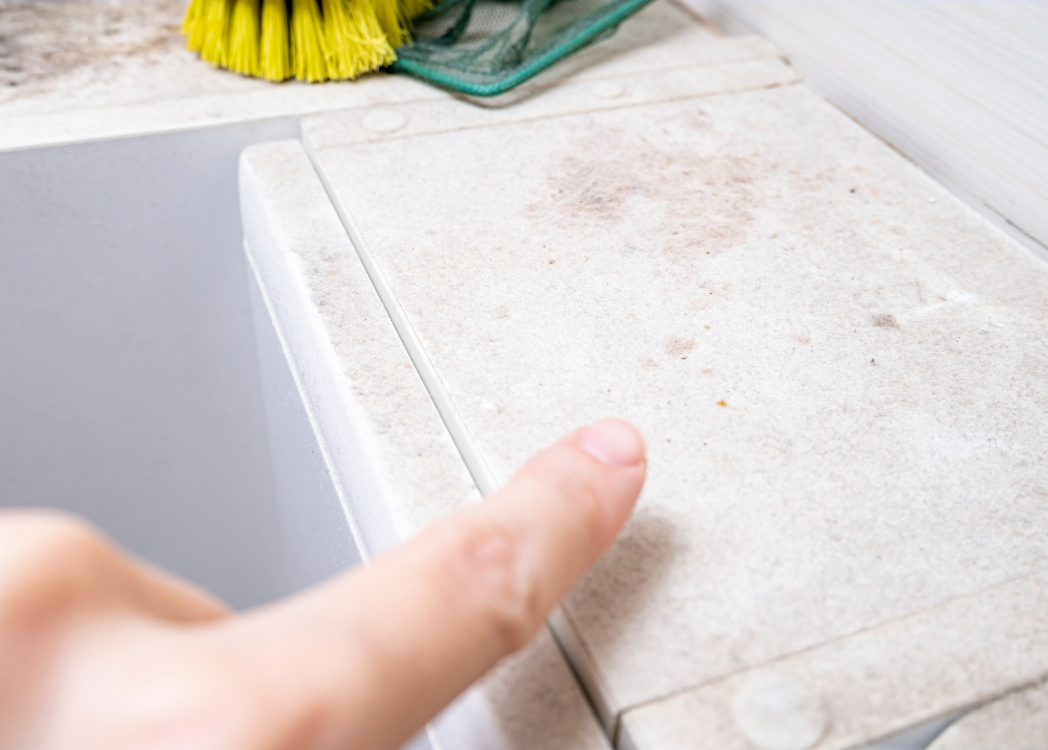
One of the less obvious effects of clutter is that it hides surfaces that would otherwise be visible.
When items remain in place for long periods, they can cover:
- Baseboards and lower walls
- Corners where dust and moisture collect
- Areas behind furniture or stored items
Because these surfaces aren’t seen regularly, small changes can go unnoticed. A minor issue that would have been easy to spot in an open space may develop further before it’s discovered. This doesn’t mean everything needs to be exposed all the time, but it highlights the value of occasionally shifting or checking stored areas.
Weight and Pressure Over Time
Storage choices also influence how weight is distributed within a space. When items are stacked, placed in the same position for long periods, or concentrated in one area, they can affect how surfaces respond.
For example:
- Shelving may carry uneven loads
- Flooring may experience consistent pressure in specific spots
- Materials may compress or settle slightly under weight
These effects are gradual and often go unnoticed, but they contribute to how the home ages in those areas. Distributing weight more evenly or adjusting storage periodically can help reduce concentrated wear.
Accessibility and Maintenance
Clutter also affects how easy it is to maintain a space. When areas are difficult to access, they are less likely to be checked or maintained regularly.
This can lead to:
- Delayed cleaning or upkeep
- Missed opportunities to catch small issues early
- Reduced ability to observe how the space is changing
Maintenance doesn’t require constant attention, but it does benefit from visibility and access. When those are limited, small conditions have more time to develop.
The Role of Movement
Spaces that are used regularly tend to stay more balanced. Air moves, surfaces are exposed, and changes are noticed more quickly.
In contrast, spaces that remain static—where items are stored and rarely moved—tend to behave differently.
Air becomes stagnant, surfaces hold conditions longer, and patterns are harder to see. This difference is why even small amounts of movement, such as occasionally reorganizing or rotating items, can make a noticeable impact over time.
When Storage Supports the Home
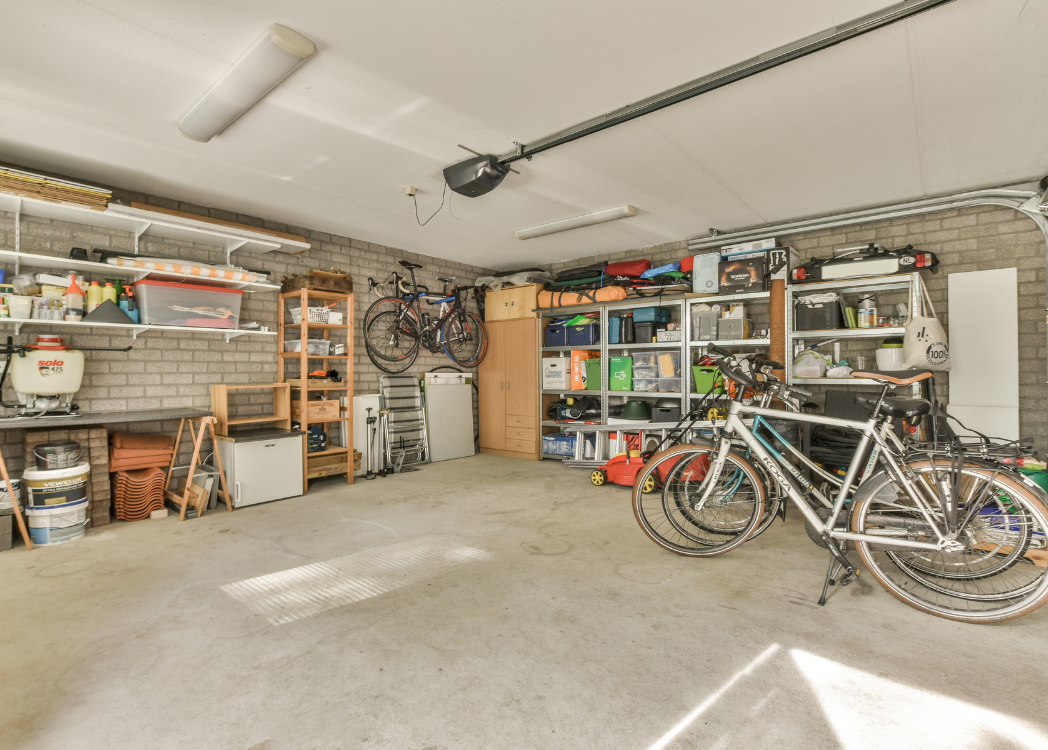
Storage doesn’t need to be minimal to be effective. The goal isn’t to reduce what you have, but to arrange it in a way that allows the home to function properly.
This might include:
- Leaving small gaps between items and walls
- Avoiding tightly packed corners where air can’t circulate
- Rotating stored items occasionally
- Keeping high-risk areas more accessible
These adjustments don’t change the amount of storage, but they improve how the space behaves.
A Shift in Perspective
When storage is viewed as part of the home’s system rather than just a visual choice, it becomes easier to see how it influences maintenance. Instead of asking how much can fit in a space, it becomes more useful to ask how that space can still function while being used for storage. This perspective leads to decisions that support both organization and long-term performance.
Bringing It Together
Clutter and storage choices affect more than just how a home looks. They influence airflow, visibility, wear patterns, and the ability to maintain spaces effectively. By making small adjustments—improving access, allowing for airflow, and occasionally shifting stored items—it becomes easier to keep conditions balanced and spot changes early. Over time, these small decisions contribute to a home that feels more manageable and continues to function the way it should.