Why Small Exterior Gaps Become Bigger Problems Over Time
How minor openings around your home allow water, air, and movement to gradually create larger issues.
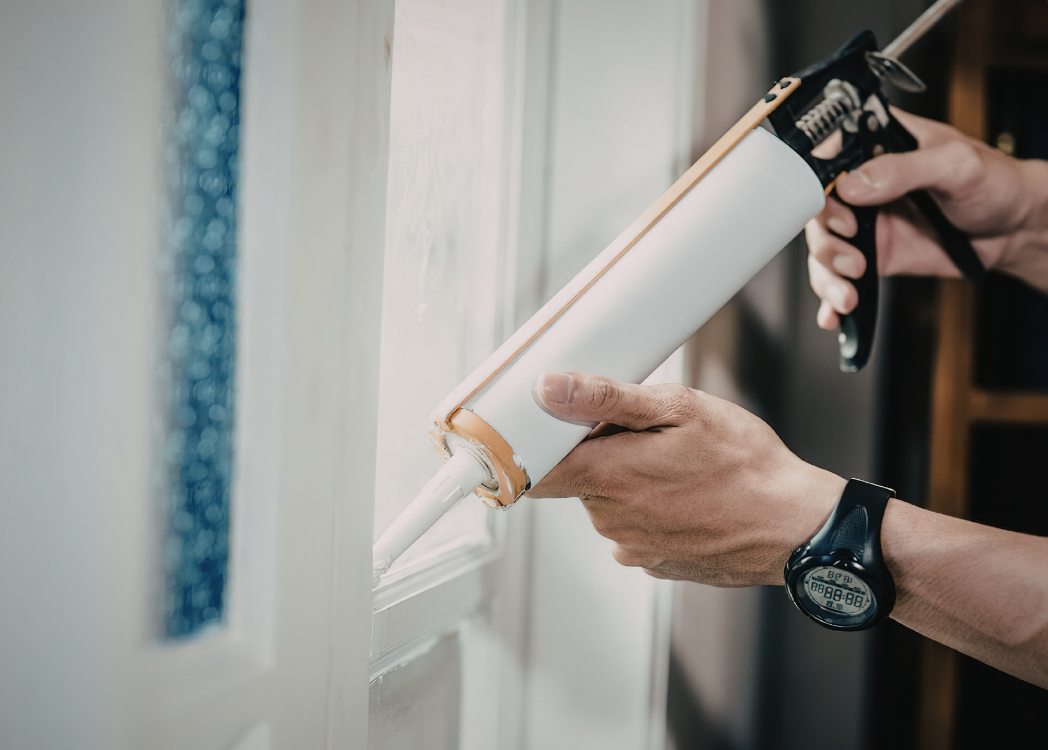
Small gaps on the exterior of a home are easy to overlook. They tend to form gradually—along trim, around windows, at siding joints, or where materials meet. In most cases, they don’t look serious enough to demand attention. They might be barely visible, or they may appear to be purely cosmetic.
What makes these gaps important is not how they look in the moment, but how they behave over time. Even a narrow opening can change how water moves, how air enters, and how materials respond to the environment. Those changes don’t happen all at once. They build slowly, often in ways that aren’t obvious until the issue has expanded.
Understanding how small exterior gaps evolve helps shift the focus from appearance to behavior, which is where their real impact lies.
Where Gaps Typically Form
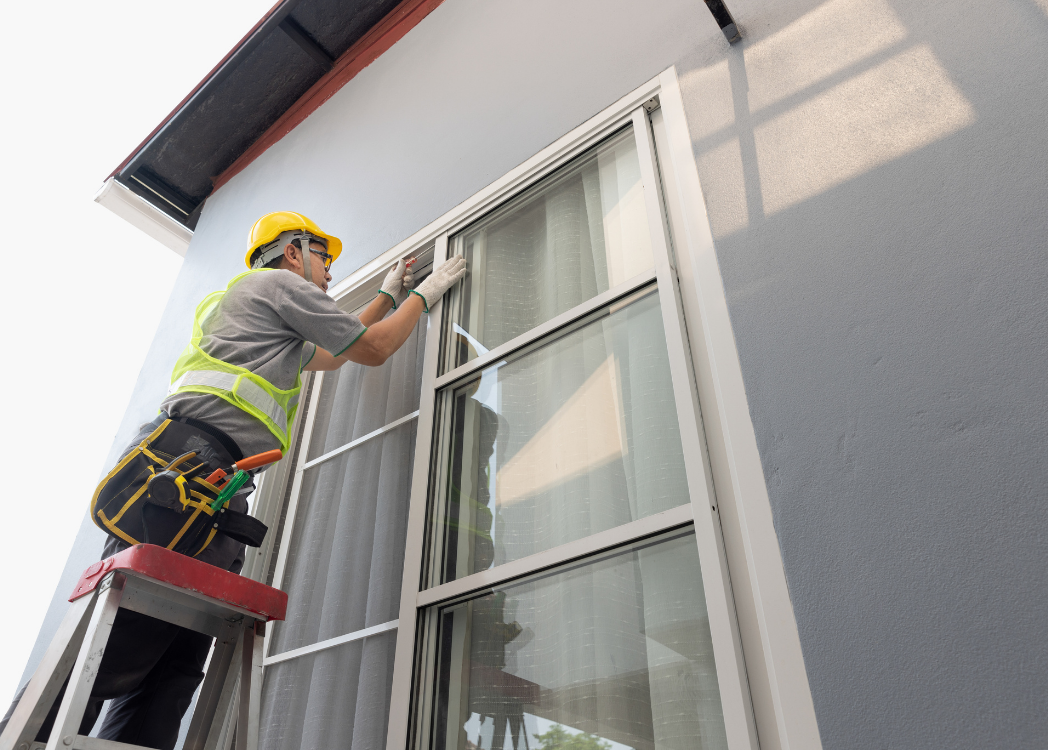
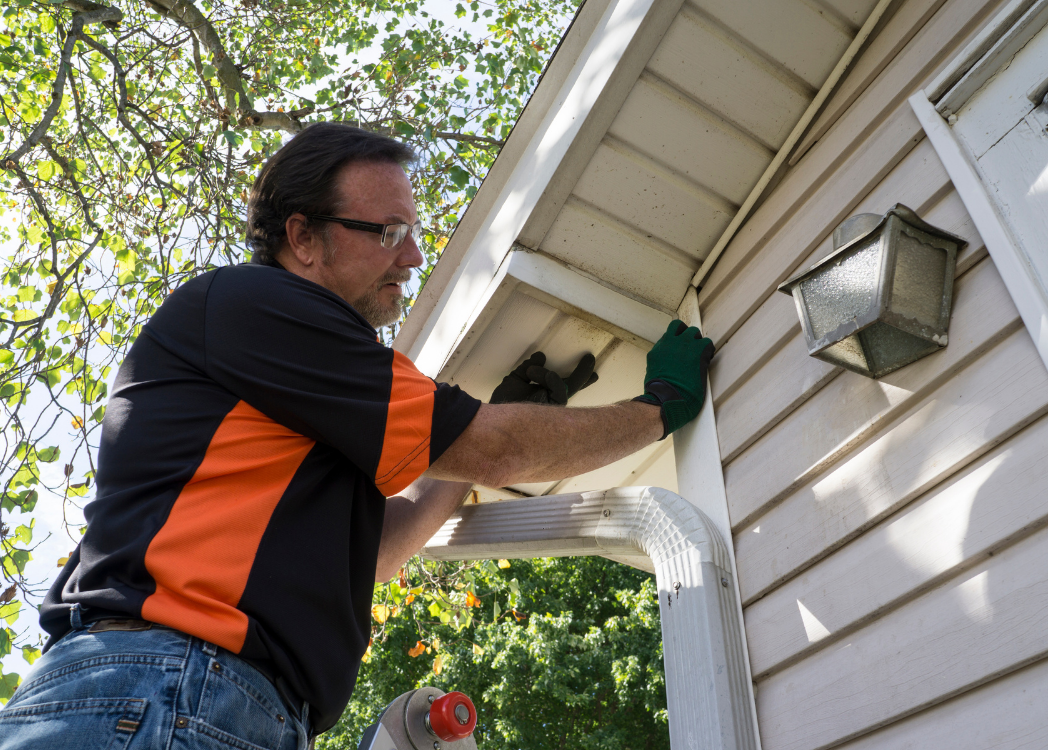
Exterior gaps tend to appear in areas where materials connect or transition. These points naturally experience more stress because different materials respond differently to temperature, moisture, and movement.
Common locations include:
- Around window and door frames
- Where siding meets trim
- At joints between different materials
- Along corners and edges
These areas are designed to handle movement, but over time, the materials used to seal or cover those transitions can wear, shrink, or separate slightly. At first, the gap may be minimal. Over time, that opening becomes a pathway.
Water Doesn’t Need Much Space
One of the most important things to understand about exterior gaps is that water doesn’t require a large opening to move through. Even a small separation can allow moisture to enter, especially when combined with wind or repeated exposure.
Water behaves differently than it appears. It doesn’t simply fall straight down—it follows surfaces, collects at edges, and moves along small openings.
When a gap is present, water may:
- Be pulled inward by surface tension
- Travel along seams or behind materials
- Collect in areas that are not designed to hold moisture
This doesn’t necessarily result in immediate damage, but it introduces conditions that allow materials to remain damp longer than intended.
Repeated Exposure Is What Matters
A single instance of water entering a small gap is unlikely to cause noticeable issues. The concern comes from repetition.
When moisture enters the same area consistently, even in small amounts, it begins to affect surrounding materials.
Over time, those materials may:
- Expand and contract more frequently
- Lose some of their rigidity
- Become more susceptible to further separation
As this process continues, the gap itself can widen slightly, allowing more water to enter with each cycle. This is how a minor condition begins to grow.
Air Movement and Temperature
Gaps also influence how air moves through the exterior of the home. Even a small opening can create a pathway for air exchange, which affects temperature and moisture behavior.
When air moves through a gap:
- It can carry moisture into areas where it wouldn’t normally settle
- It can create localized temperature differences
- It can affect how quickly surfaces dry
These changes may not be noticeable on their own, but they contribute to the overall environment around the gap. Over time, this can influence how materials perform and how the gap evolves.
Material Response Over Time
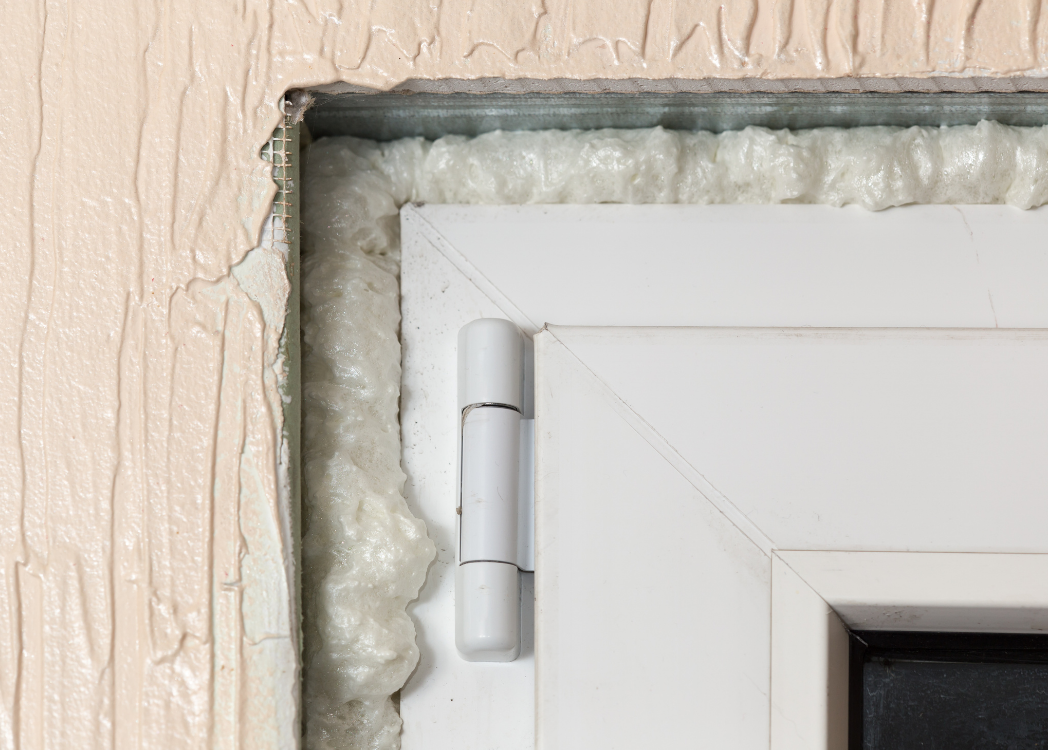
Materials on the exterior of a home are designed to handle exposure, but they still respond to the conditions around them. When gaps allow additional moisture or airflow, those responses can become more pronounced.
You might begin to see:
- Slight warping or softening in certain materials
- Changes in how finishes hold up
- Increased separation at connection points
These changes often develop gradually, which makes them easy to miss at first.
Why the Change Feels Gradual
One of the reasons small exterior gaps are often ignored is that the changes they create happen slowly. There’s no clear moment when the issue becomes significant. Instead, it transitions from something barely noticeable to something that requires attention. Because the progression is gradual, it can feel like the issue appeared suddenly, even though it has been developing over time.
Early Adjustment vs Later Repair
Addressing a small gap early often involves a relatively simple adjustment. The opening is small, the surrounding materials are stable, and the condition is contained.
Waiting allows the surrounding conditions to change. Materials may shift, the gap may widen, and moisture exposure may increase.
At that point, the response often involves more than just closing the gap. It may require addressing how the surrounding area has been affected.
This difference is what makes early attention more effective.
Bringing It Together
Small exterior gaps are part of how homes naturally change over time. What matters is how those gaps behave and how they interact with the environment. When they remain small and stable, they are often manageable. When they allow repeated exposure to moisture and air, they tend to develop further. Paying attention to these areas early helps keep them from becoming part of a larger pattern.