Seasonal Garage Organization Tips for Chicago Suburban Homes
How planning for seasonal shifts makes garages easier to use year-round.
Garages in Chicago suburban homes tend to serve many purposes at once. They’re not just a place to park cars—they’re storage rooms, workshops, utility spaces, and sometimes the main entry point into the home. As seasons change, so do the demands placed on these spaces.
Without some level of seasonal planning, garages can quickly become cluttered, hard to navigate, or inefficient to use. Taking a seasonal approach to garage organization helps homeowners adapt to changing needs while keeping the space safer and more functional throughout the year.
Why Garages Change So Much With the Seasons
Chicago’s seasons are distinct, and suburban homes often feel those shifts more acutely. Snow shovels, lawn equipment, sports gear, tools, and seasonal décor rotate in and out of use, often without a clear system.
Common seasonal transitions include:
- Winter gear replacing outdoor equipment
- Snow removal tools displacing summer storage
- Holiday décor taking up temporary space
- Vehicles requiring more clearance during winter months
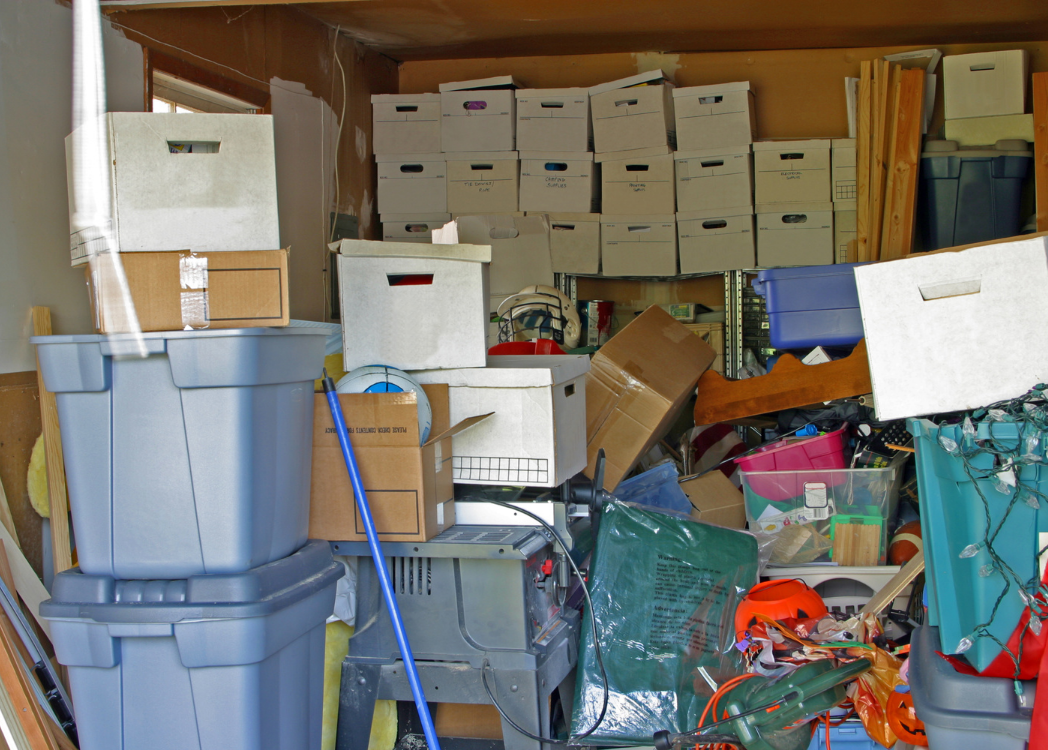
Without a plan, items tend to pile up wherever there’s room, making the garage harder to use as intended.
Start by Identifying Seasonal “Zones”
One helpful way to approach garage organization is to think in zones rather than permanent layouts.
Typical zones might include:
- Active seasonal use: items needed daily or weekly
- Short-term storage: items needed within the next season
- Long-term storage: items used once or twice a year
In winter, snow shovels, ice melt, and boots belong in active zones, while lawn tools shift into longer-term storage. In summer, the opposite is true.
Rotating items between zones helps maintain accessibility without constant reorganization.
Winter Garage Priorities in Chicago Suburbs
Winter places specific demands on suburban garages. Vehicles may need more space, and access to safety items becomes more important.
Winter-specific priorities often include:
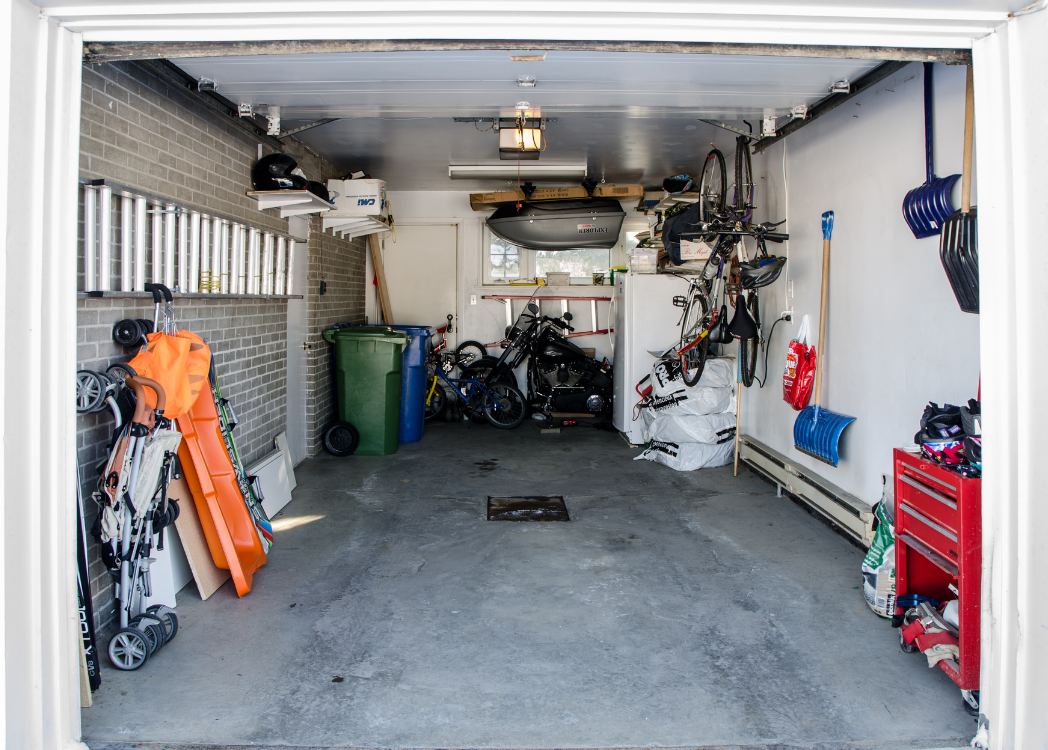
- Clear walk paths from vehicle to interior door
- Easy access to snow shovels and ice melt
- Safe storage for wet boots and gear
- Keeping drains or floor areas clear of obstructions
Because winter days are shorter and colder, garages that are cluttered or difficult to navigate tend to feel more frustrating during this season.
Safety Considerations Are Often Overlooked
Garages frequently store items that pose safety risks if poorly organized.
Things to pay attention to include:
- Chemicals and fuels stored off the floor and away from heat
- Heavy items secured on shelving rather than stacked
- Electrical cords and outlets kept accessible and unobstructed
- Clear access to utility shutoffs if present
Seasonal organization offers a natural opportunity to reassess safety and make adjustments before problems arise.
Shelving and Wall Storage Make a Big Difference
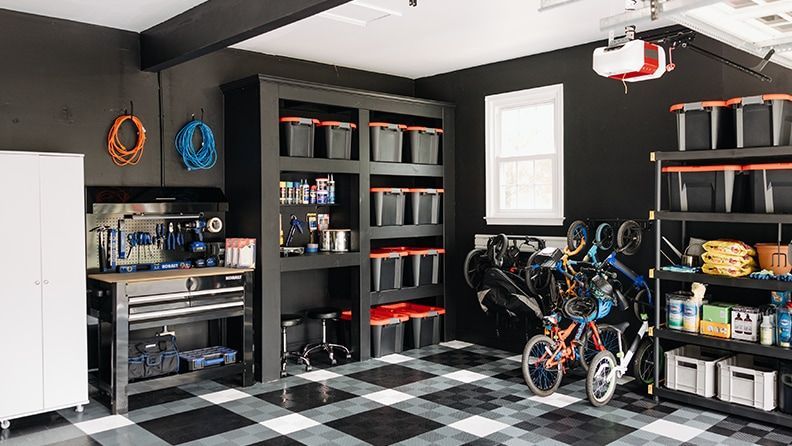
Many suburban garages have enough space to benefit from vertical storage, but it’s often underused.
Wall-mounted systems can help:
- Keep floors clear
- Separate seasonal items
- Prevent damage from moisture or snowmelt
- Improve visibility and access
Even modest shelving can reduce clutter significantly when paired with seasonal rotation.
Garage Doors and Seals Matter More in Winter
Organization isn’t just about storage—it’s also about how the space functions during colder months.
Winter often reveals issues such as:
- Drafts around garage doors
- Worn bottom seals
- Doors that struggle to open smoothly in cold temperatures
A well-organized garage makes it easier to notice and address these issues early, before they interfere with daily use.
Don’t Forget the Transition Seasons
Spring and fall are ideal times to reset garage layouts. These seasons offer a chance to:
- Clean out unused items
- Reassign zones
- Address small repairs
- Prepare for upcoming weather demands
Many homeowners find that doing a light reset twice a year prevents major clutter from building up.
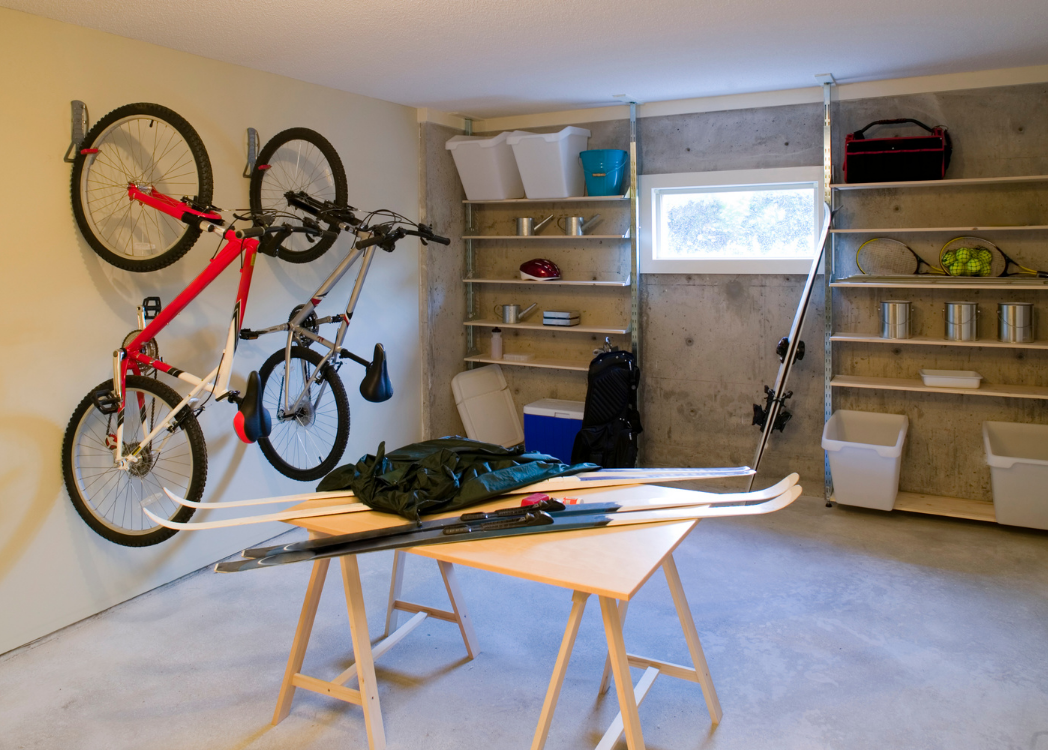
Garages Often Reflect How a Home Is Used
Over time, garage clutter often mirrors changing household needs. New hobbies, growing families, or lifestyle shifts all influence how space is used.
Seasonal organization allows homeowners to adjust without committing to permanent layouts that may no longer fit their routines.
When Organization Improves Daily Life
A garage that’s organized seasonally tends to feel:
- Easier to access
- Safer to move through
- Less stressful during weather extremes
For many homeowners, these practical benefits matter more than aesthetics.
Viewing Garage Organization as Ongoing Maintenance
Rather than treating garage organization as a one-time project, many homeowners benefit from viewing it as part of routine home maintenance—especially in Chicago suburbs where seasonal change is unavoidable.
Small, regular adjustments often lead to better long-term usability than major clean-outs done infrequently.
A Practical, Flexible Approach
Seasonal garage organization doesn’t require perfection. It works best when it’s flexible, responsive, and realistic for how a household actually lives.
By planning for seasonal change instead of reacting to it, homeowners often find garages become more useful—and less overwhelming—year-round.