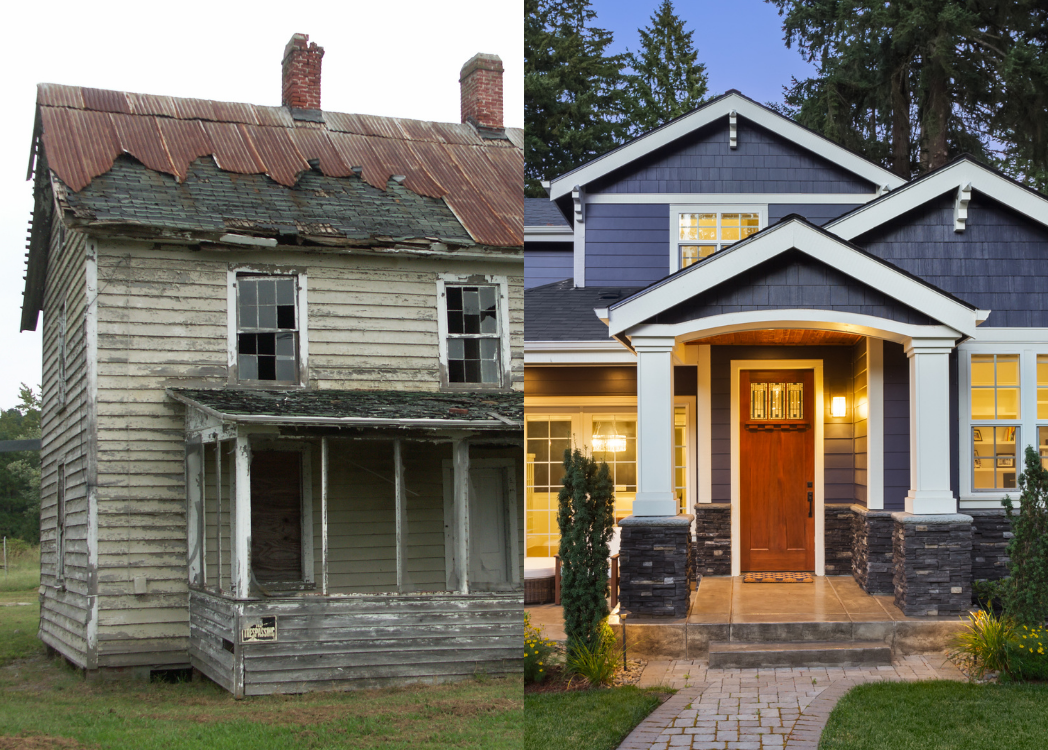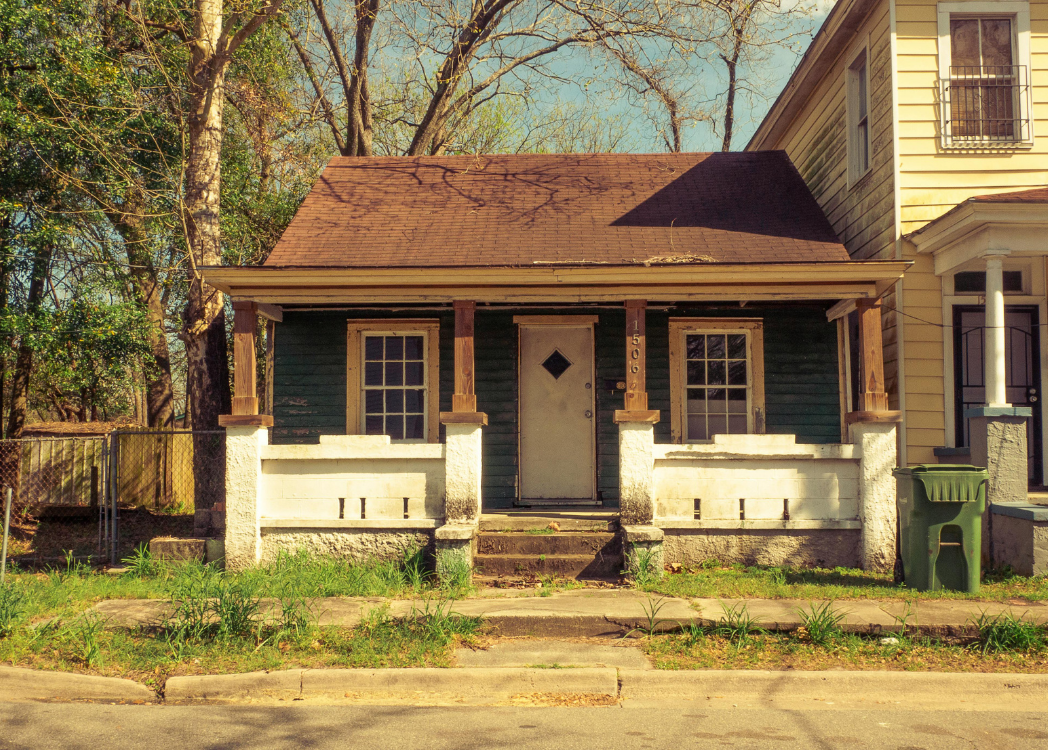
Living With a Home vs Managing a Home: What Chicago Homeowners Learn Over Time
How long-term ownership changes priorities, expectations, and decisions.

When people first move into a home, they tend to focus on living in it. They arrange furniture, settle into routines, and enjoy the feeling of having their own space. Maintenance exists in the background, usually limited to what’s urgent or visible.
Over time, however—especially in Chicago homes—many homeowners experience a subtle but important shift. They move from simply living in their home to actively managing it.
This transition isn’t always intentional. It happens gradually, shaped by seasons, aging systems, small repairs, and lived experience. Understanding this shift can help homeowners feel more grounded, less reactive, and more confident in how they care for their homes over the long term.
What “Living With a Home” Looks Like Early On
In the early stages of homeownership, most people approach their home emotionally. The focus is on comfort, aesthetics, and daily use rather than long-term performance.
This phase often includes:
- Decorating and personalizing spaces
- Noticing cosmetic details more than structural ones
- Addressing issues only when they become disruptive
- Assuming most things will “hold for now”
For first-time homeowners especially, this mindset makes sense. There’s already a lot to absorb, and many systems work well enough—at least at first.
In Chicago, however, homes tend to reveal their needs faster than in newer markets.
When the Home Starts Asking for Attention
At some point, homeowners begin to notice patterns.
A door sticks every winter. A basement smells damp after heavy rain. Paint cracks return in the same places. Certain rooms are always colder than others.
None of these issues feel catastrophic, but they repeat. That repetition is often the first signal that the home isn’t just a backdrop for daily life—it’s a system that needs oversight.
This is usually when homeowners begin shifting from living in their home to managing it.
Why Chicago Homes Accelerate This Shift
Chicago homes tend to demand engagement sooner for a few key reasons:
- Older construction: Many homes were built decades ago with materials that behave differently than modern ones
- Extreme seasons: Freeze-thaw cycles, humidity swings, and temperature extremes stress homes year after year
- Dense environments: Shared walls, close lots, and multi-unit buildings add complexity
- Layered updates: Homes often reflect many eras of repair and renovation
These factors mean that small issues don’t always stay small—and ignoring patterns can make things harder later.
The Difference Between Reactive and Proactive Care
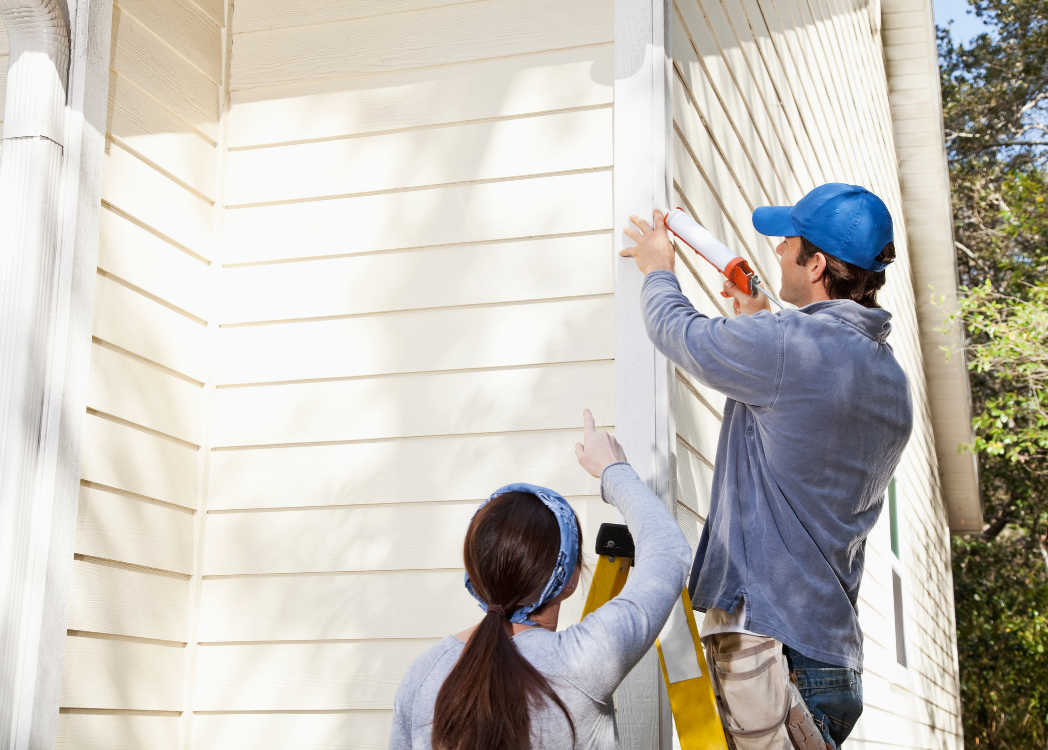
One of the biggest distinctions between living with a home and managing a home is how issues are approached.
Reactive care looks like:
- Fixing things only when they break
- Addressing symptoms instead of causes
- Feeling surprised when issues return
- Treating repairs as interruptions
Proactive care looks like:
- Noticing patterns over time
- Anticipating seasonal stress points
- Addressing small issues before they escalate
- Viewing maintenance as part of ownership
Most homeowners don’t jump from one mindset to the other overnight. The shift usually happens after dealing with the same problem more than once.
Maintenance vs Improvement: Learning the Difference
Another realization many Chicago homeowners come to over time is that not all work on a home is an “upgrade.”
Early on, it’s easy to lump everything together—repairs, improvements, updates. With experience, homeowners begin to separate:
- Maintenance: work that keeps systems functioning
- Improvements: changes that enhance comfort or usability
- Repairs: fixes that address wear, failure, or damage
Understanding these categories helps homeowners make better decisions and set more realistic expectations. It also reduces frustration when money or time goes toward things that aren’t immediately visible.
How Experience Changes Decision-Making
Homeowners who’ve lived in their Chicago home for several years often approach decisions differently than they did at move-in.
They may:
- Prioritize reliability over aesthetics
- Choose durable solutions over quick fixes
- Plan projects in phases instead of all at once
- Accept that some work will be ongoing
This isn’t resignation—it’s familiarity. Knowing how a home behaves allows homeowners to work with it rather than constantly reacting to it.

The Role of Seasonal Awareness
Seasonal awareness is a major part of managing a home in Chicago.
Over time, homeowners begin to expect:
- Drafts or alignment issues in winter
- Moisture concerns in spring
- Wear from heavy summer use
- Preparation needs in fall
Instead of being surprised by these changes, experienced homeowners anticipate them. Winter becomes a diagnostic season. Spring becomes a reset. Fall becomes preparation.
This awareness reduces stress and allows for better timing.
Why Small Issues Feel Less Overwhelming With Time
Interestingly, homeowners who manage their homes tend to feel less overwhelmed—even though they’re more aware of issues.
That’s because:
- They’ve seen issues before
- They understand what’s normal vs concerning
- They know which problems can wait
- They plan rather than panic
Experience brings context. What once felt urgent becomes manageable when viewed as part of a longer timeline.
Managing a Home Doesn’t Mean Constant Projects
One common misconception is that managing a home means always fixing or upgrading something. In reality, it often means knowing when not to act.
Experienced homeowners:
- Monitor rather than rush
- Group projects together strategically
- Allow some issues to remain cosmetic
- Focus on function over perfection
Management is as much about restraint as it is about action.
Homes Evolve—And That’s Normal
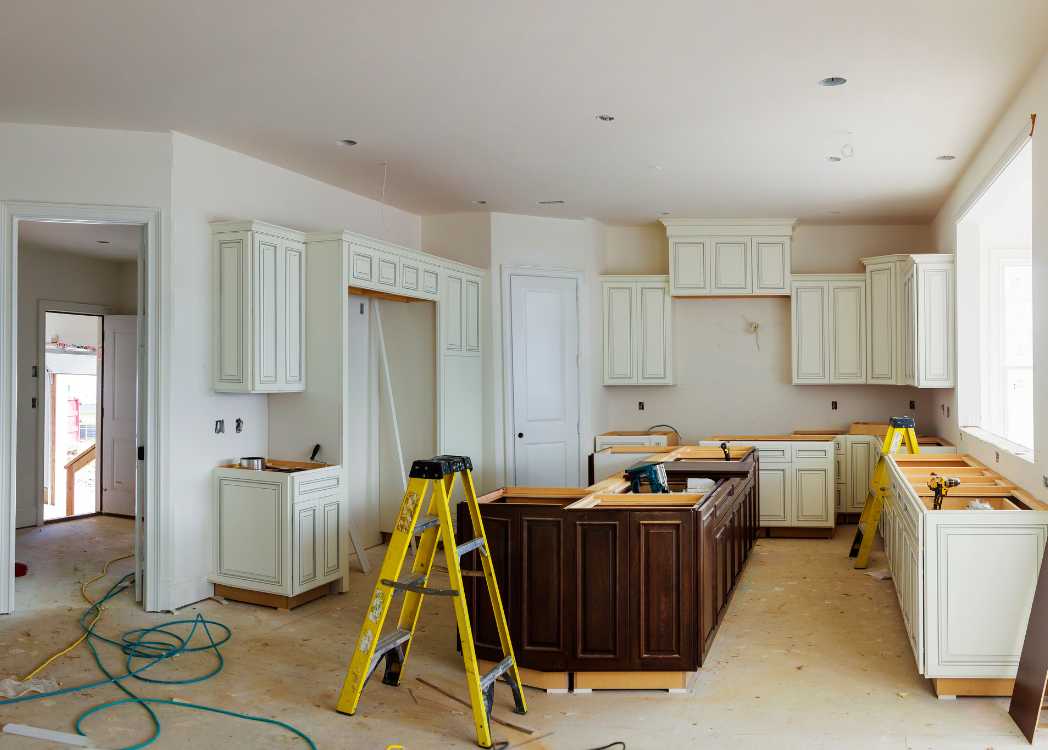
Over time, most Chicago homeowners come to see their home as something that evolves alongside them.
Layouts stop working. Storage needs change. Access becomes more important. Comfort outweighs design trends.
Managing a home means accepting that evolution and responding thoughtfully rather than trying to preserve an idealized version of how the home “should” be.
A More Sustainable Way to Think About Homeownership
Living with a home is about enjoying it. Managing a home is about sustaining it.
Neither is better—they simply exist at different stages. Many homeowners move back and forth between the two depending on life circumstances, finances, and priorities.
Recognizing the shift helps normalize the experience and removes some of the pressure to “have it all figured out.”
Long-Term Comfort Comes From Understanding, Not Control
Ultimately, managing a home isn’t about controlling every detail. It’s about understanding patterns, responding appropriately, and making decisions that support long-term comfort.
For Chicago homeowners, that understanding often comes with time, repetition, and lived experience. And once it does, homeownership tends to feel less reactive—and more grounded.