How to Budget for Common Home Repairs Before They Become Emergencies
A practical guide to planning for everyday home repairs and long-term maintenance costs.
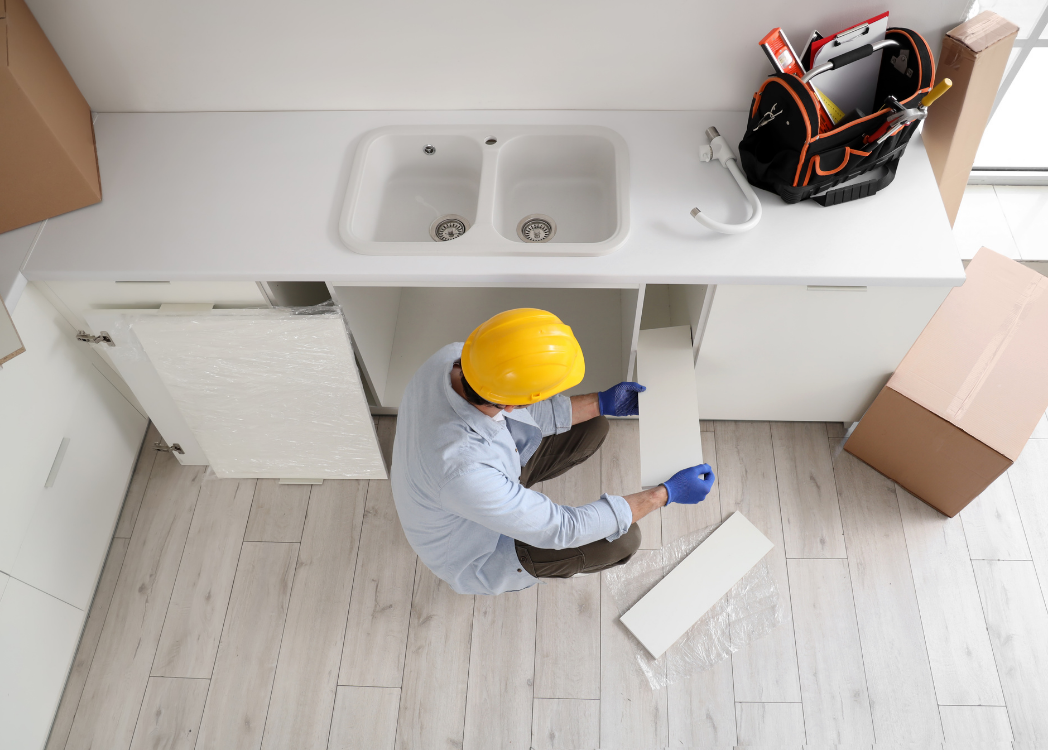
Homeownership comes with a steady mix of pride, responsibility, and the occasional surprise. While some repairs are obvious and planned—like replacing a roof or remodelling a kitchen—many of the most stressful (and expensive) situations happen when smaller issues are ignored until they escalate.
Budgeting for home repairs isn’t about expecting everything to go wrong. It’s about understanding what typically wears out, knowing roughly when repairs tend to happen, and setting aside realistic funds so maintenance doesn’t turn into a financial emergency.
This guide breaks down common home repairs, how often they occur, and practical ways homeowners can plan ahead.
Why “Emergency Repairs” Often Aren’t Truly Emergencies
Many home repairs feel urgent only because they were unplanned. A leaking pipe, a failed sump pump, or a broken furnace often shows warning signs long before it stops working entirely. The issue isn’t usually the repair itself—it’s the lack of preparation.
Homes are systems. Every system has a lifespan, and most components don’t fail overnight. Budgeting ahead allows homeowners to address issues early, often at a lower cost and with far less disruption.
Common Home Repairs to Plan For
While every home is different, certain repairs are common across most properties, especially in climates with cold winters and seasonal temperature swings like the Midwest.
Plumbing Repairs
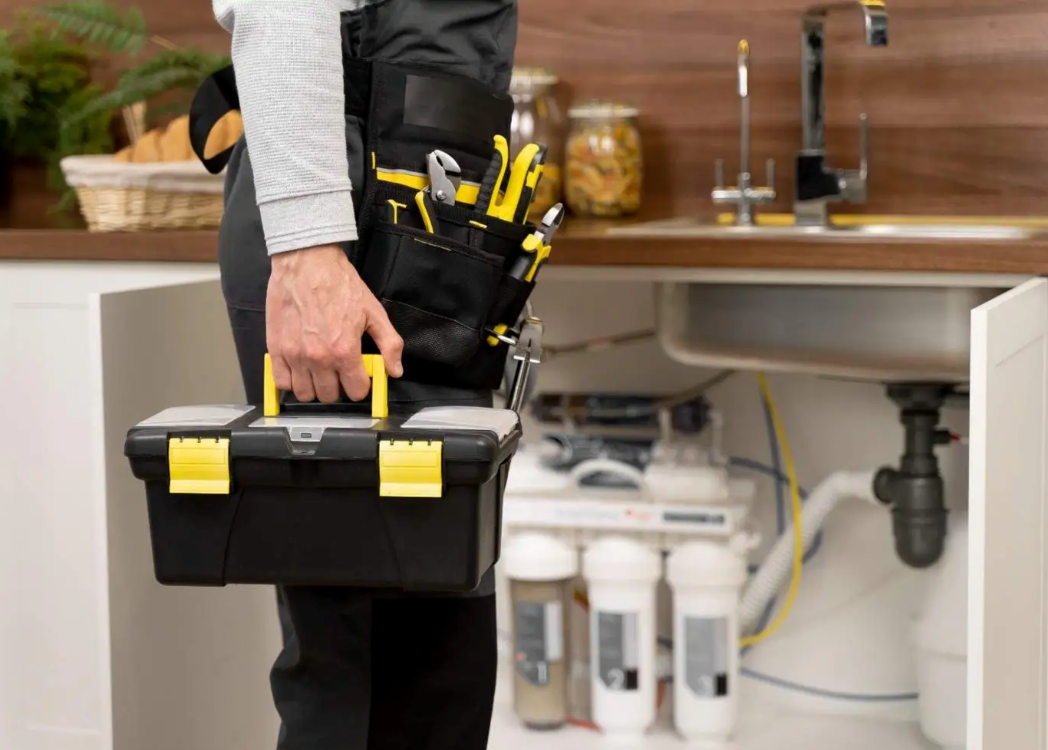
Plumbing issues are among the most frequent homeowner expenses. Common repairs include:
- Replacing worn shutoff valves
- Fixing slow or hidden leaks
- Clearing recurring drain blockages
- Replacing aging supply lines
Many plumbing failures happen gradually. Small leaks under sinks or behind toilets can go unnoticed for months, leading to water damage that costs far more than the original fix.
Planning tip: Budget for minor plumbing repairs every year, even if nothing seems urgent.
Electrical Repairs
Electrical systems are generally reliable, but components still age. Common issues include:
- Faulty or outdated outlets (especially GFCIs)
- Loose switches or flickering lights
- Overloaded circuits
- Aging breaker panels in older homes
Electrical problems often start as inconveniences but can become safety concerns if left unresolved.
Planning tip: Older homes should expect periodic electrical updates, even if the system is functioning.
HVAC Maintenance and Repairs
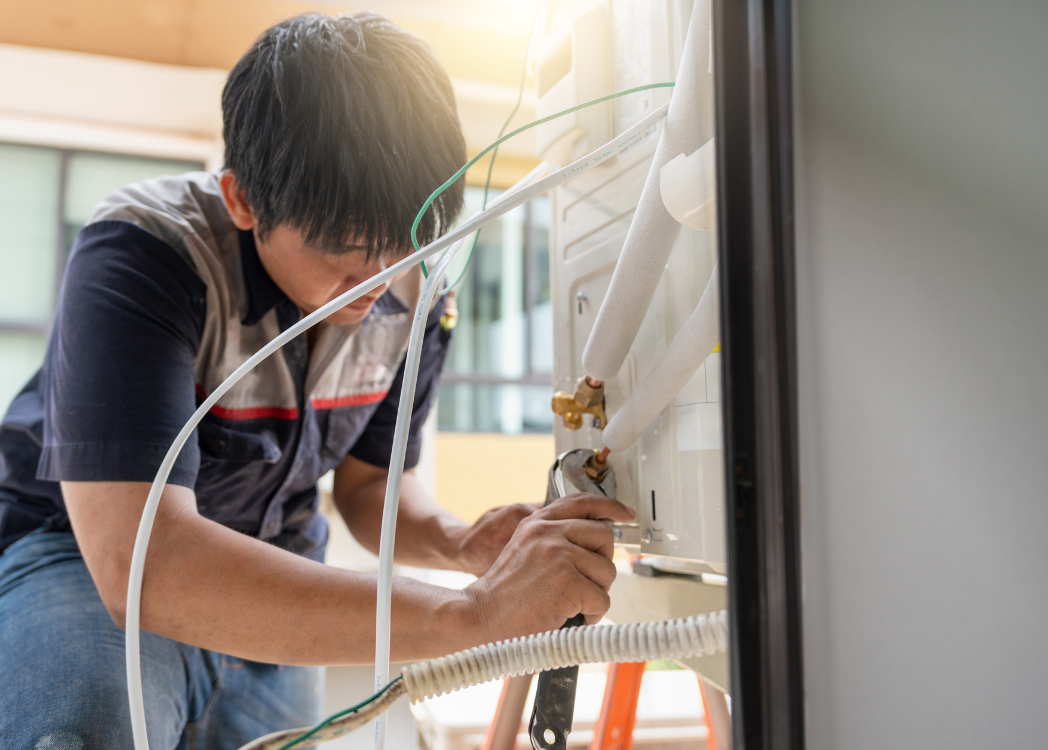
Heating and cooling systems are some of the most expensive systems in a home to replace, but many repairs fall well below full replacement costs. Common needs include:
- Thermostat replacements
- Blower motor or capacitor repairs
- Sensor and ignition issues
- Routine servicing and cleaning
Most HVAC systems provide warning signs—uneven temperatures, unusual noises, higher utility bills—before they fail entirely.
Planning tip: Treat HVAC costs as ongoing, not occasional. Annual maintenance and small repairs help extend system life.
Exterior Wear and Tear
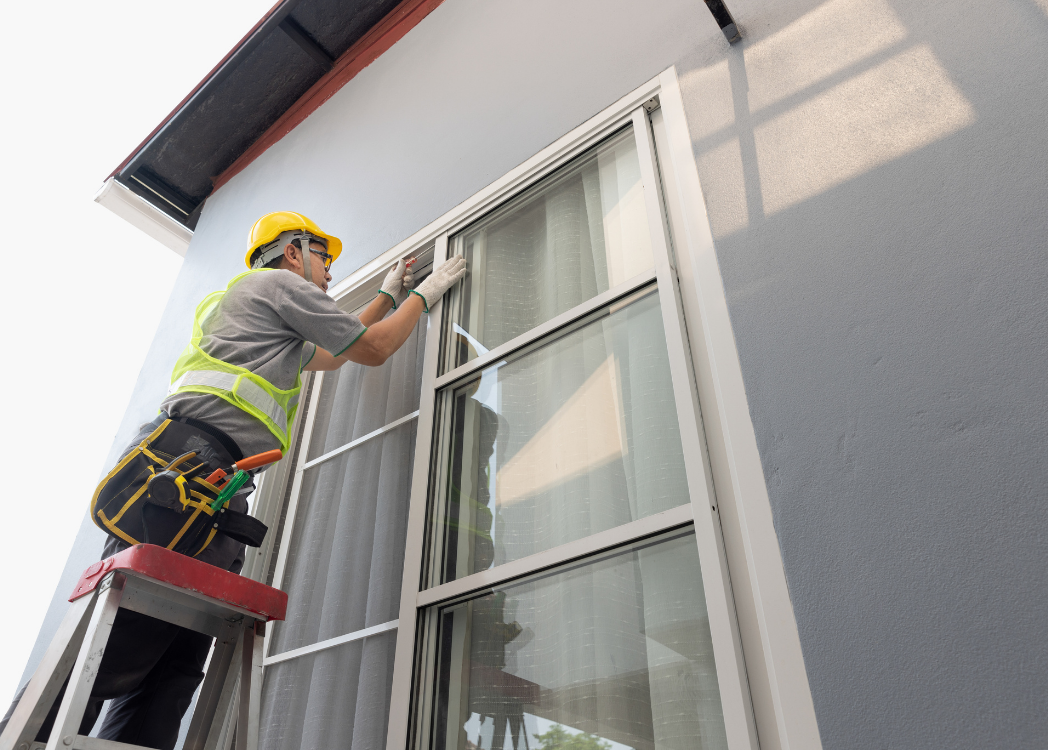
Exterior repairs are often delayed because they seem cosmetic, but small exterior issues can quickly lead to structural damage. Common repairs include:
- Rotting trim or fascia
- Loose railings or steps
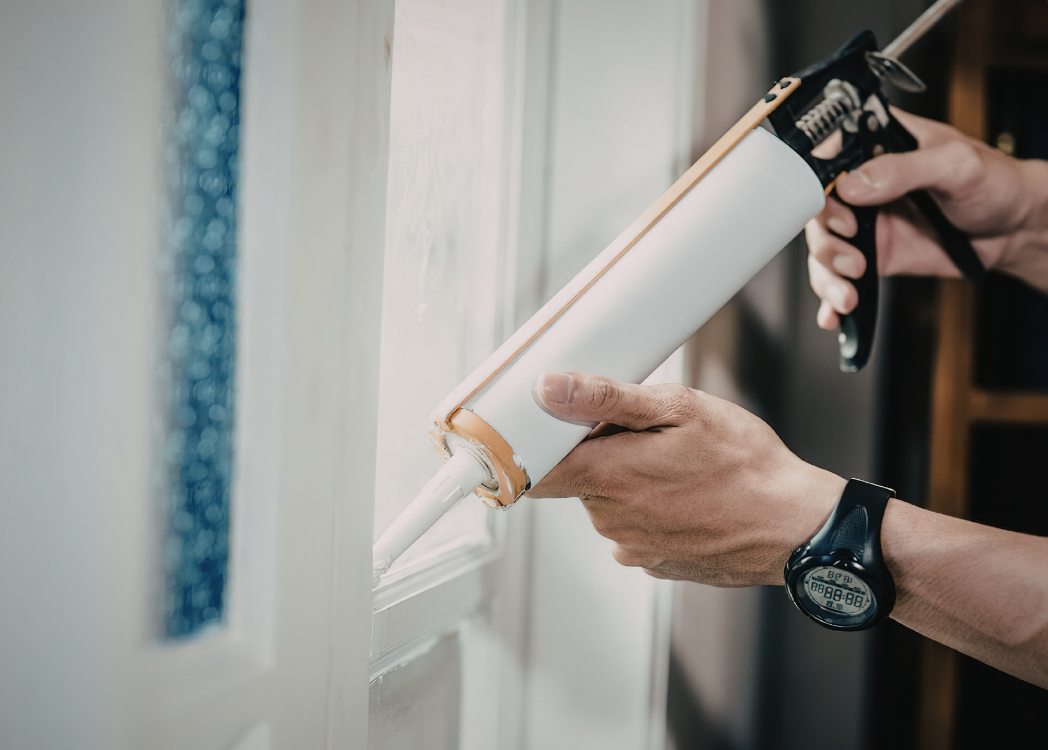
- Cracked caulking around windows and doors
- Minor siding damage
Weather exposure accelerates wear, particularly during freeze-thaw cycles.
Planning tip: Exterior repairs are often cheaper when addressed early and bundled together.
Interior Repairs That Add Up
Inside the home, small fixes can quietly accumulate:
- Drywall cracks or nail pops
- Loose doors or hardware
- Damaged baseboards or flooring
- Bathroom caulking failures
Individually, these repairs may seem minor. Over time, though, neglect can lead to moisture damage, mold concerns, or more invasive repairs.
Planning tip: Set aside funds for periodic interior refreshes rather than waiting until issues stack up.
How Much Should You Budget?
A common guideline is to set aside 1–3% of your home’s value per year for maintenance and repairs. For example:
- A $400,000 home → $4,000–$12,000 annually
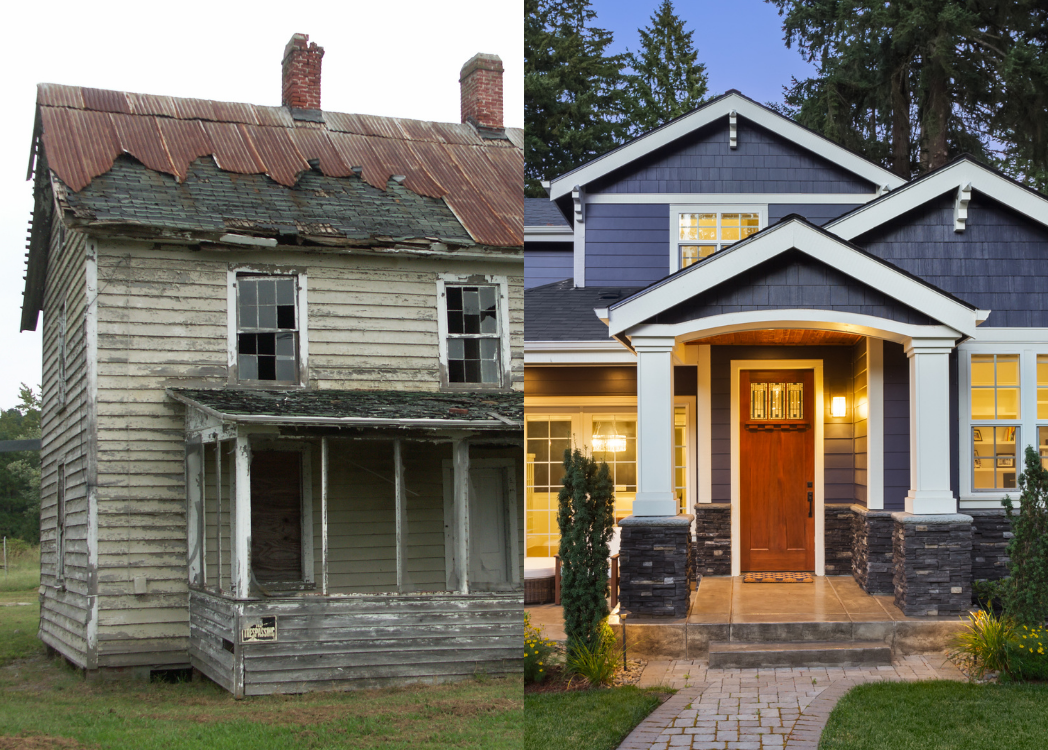
Newer homes may fall closer to the low end, while older homes—especially those with original systems—often land on the higher end.
This isn’t a rule, but a planning range. Some years you may spend far less. Other years, a single repair may use a large portion of the budget.
Creating a Repair Reserve (Without Stress)
Rather than reacting to issues as they arise, many homeowners find it helpful to treat repairs like a recurring expense.
Practical approaches include:
- Setting aside a monthly amount into a separate savings account
- Rolling unused repair funds over year to year
- Adjusting contributions as systems age
This approach removes the panic from unexpected repairs and gives homeowners flexibility in timing and decision-making.
Prioritizing Repairs When Budget Is Limited
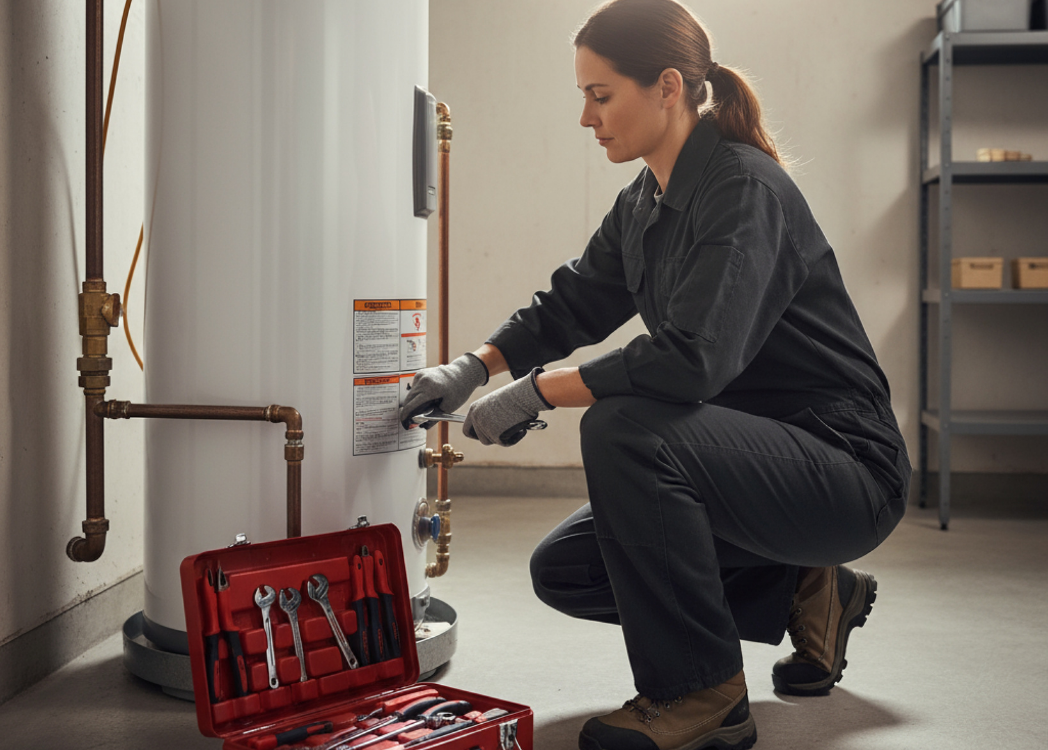
Not all repairs carry the same level of urgency. When funds are tight, prioritize issues that affect:
- Safety (electrical hazards, unstable railings)
- Water intrusion (leaks, failed caulking, plumbing issues)
- Structural integrity (rot, foundation movement, exterior damage)
- Efficiency and comfort (HVAC performance, drafts, insulation gaps)
Cosmetic issues can often wait, but water and safety concerns rarely improve on their own.
The Cost of Waiting
Delaying repairs often feels like saving money, but it can have the opposite effect. A slow leak can lead to cabinet damage. Minor exterior rot can spread into framing. A neglected HVAC issue can shorten system lifespan.
Planning ahead doesn’t eliminate repairs—it simply keeps them manageable.
Final Thoughts
Budgeting for home repairs isn’t about expecting constant problems. It’s about understanding that homes age, materials wear out, and small issues are easier to manage than large ones.
With a basic plan in place, homeowners can approach repairs calmly, make informed decisions, and maintain their homes without constant financial surprises.