How Homes Change as Families Change: A Chicago Perspective
Why functionality matters more than original design as life evolves.

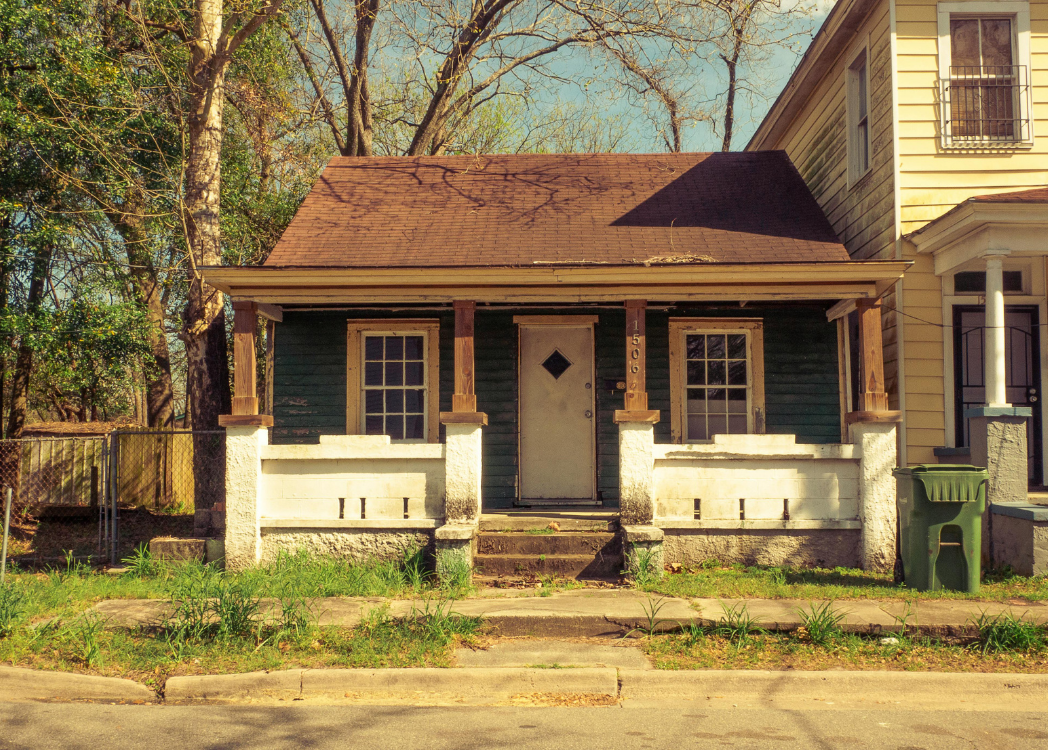
Homes are often purchased with a specific moment in mind—a new job, a growing family, a fresh start. But life rarely stays fixed in that moment. Over time, routines change, households shift, and priorities evolve. In Chicago, where many homes were built decades before their current owners arrived, this evolution is especially noticeable.
Rather than changing all at once, homes tend to adapt gradually. What once felt perfectly suited can begin to feel awkward, inefficient, or limiting as family needs change. Understanding this process helps homeowners approach updates with patience and perspective, rather than frustration.
Homes Are Designed for a Snapshot in Time
Most homes reflect the era and assumptions of when they were built. Room sizes, layouts, storage, and circulation paths were designed for lifestyles that may no longer match how families live today.
In Chicago homes, this often means:
- Formal dining rooms that see little daily use
- Smaller bedrooms than modern expectations
- Limited storage for everyday life
- Narrow hallways or segmented layouts
These designs aren’t flaws—they’re simply rooted in a different time.
Family Growth Changes How Space Is Used
As families grow, homes begin to feel smaller—not necessarily because of square footage, but because of how space is used.
Common shifts include:
- Shared bedrooms becoming private spaces
- Quiet rooms turning into homework or work-from-home areas
- Living rooms doubling as play spaces
- Storage needs expanding far beyond original capacity
What once felt flexible can start to feel strained as daily routines overlap.
Storage Becomes a Constant Conversation
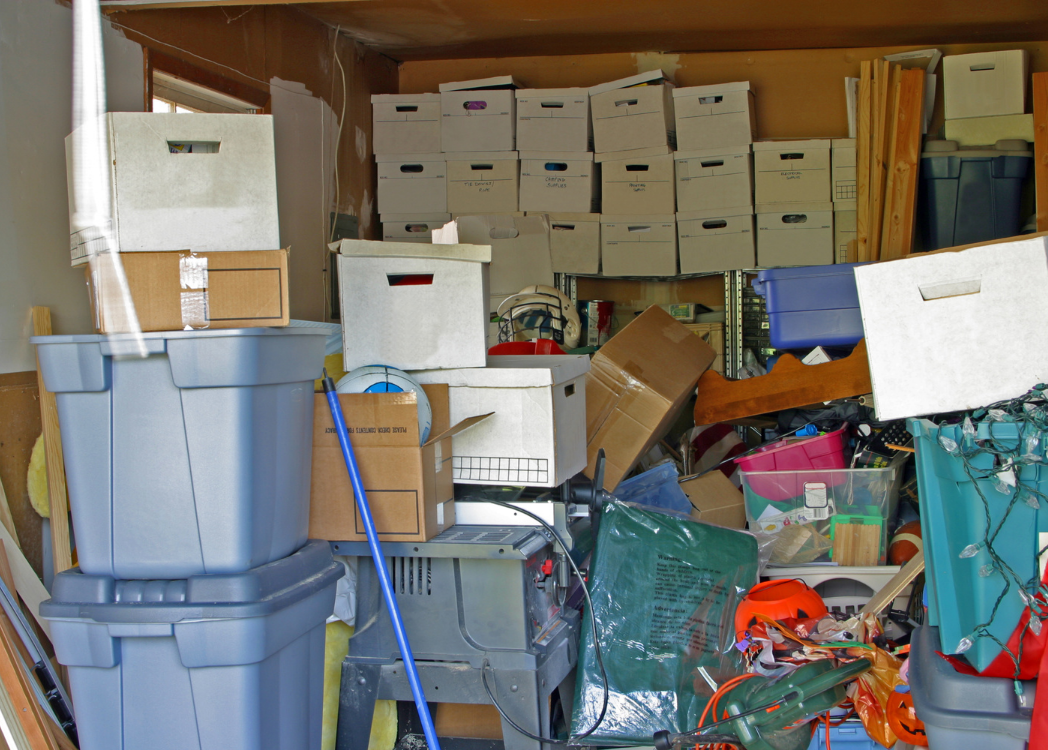
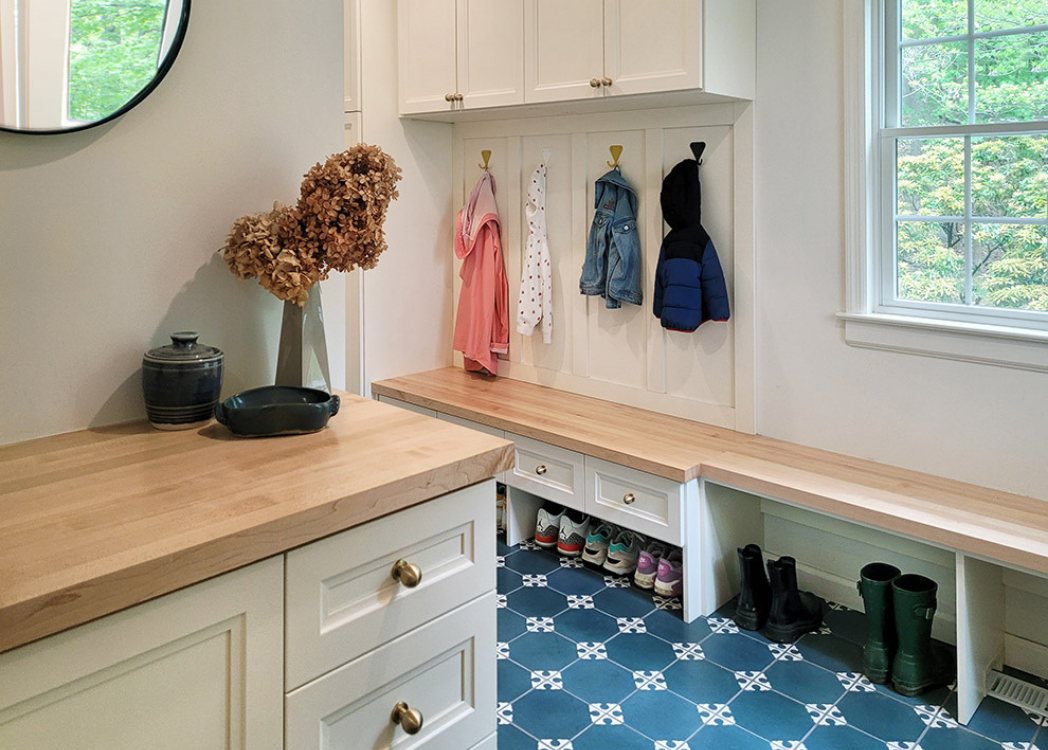
One of the first pressures families notice is storage. Toys, sports equipment, school supplies, seasonal gear, and personal items accumulate faster than many homeowners expect.
In older Chicago homes, storage challenges are common due to:
- Fewer closets
- Shallow storage spaces
- Limited garage or basement organization
- Layouts not designed for modern belongings
Families often adapt incrementally—adding shelving, repurposing rooms, or reorganizing spaces repeatedly over time.
Access and Flow Matter More Than Aesthetics
As households get busier, how people move through a home becomes more important than how it looks.
Families may start to notice:
- Bottlenecks near entryways
- Congested kitchens during peak hours
- Stairs or doorways that complicate daily routines
- Spaces that don’t support simultaneous activities
These issues aren’t always visible during showings or early ownership—they reveal themselves through lived experience.
Homes Adapt Incrementally, Not All at Once
Despite the popularity of major renovations, most family-driven changes happen gradually.
Examples include:
- Adjusting door swings or hardware
- Adding lighting to support new uses
- Repurposing rooms rather than redesigning them
- Making small changes to improve daily function
Over time, these small adaptations collectively reshape how a home works for a family.
Children Grow—And So Do Their Needs
Homes that work well for young children often need to adapt as kids grow older.
Early needs may include:
- Safe play areas
- Easy supervision
- Storage for toys and gear
Later, priorities often shift toward:
- Privacy
- Quiet study spaces
- Storage for hobbies and equipment
- Flexible shared areas
Chicago homes often accommodate these changes through creative use of existing space rather than expansion.
Multigenerational and Flexible Living Is More Common
Many Chicago families find their homes supporting multiple generations or changing household compositions over time.
This can introduce new considerations such as:
- Privacy within shared spaces
- Accessibility needs
- Separate work or living zones
- Adjustments to bathrooms or entrances
Homes that evolve successfully tend to prioritize flexibility over rigid design.
Original Layouts Aren’t Always the Problem
It’s easy to blame a home’s original layout when needs change, but many issues stem from evolving lifestyles rather than poor design.
Recognizing that homes aren’t static helps homeowners:
- Avoid unrealistic expectations
- Make thoughtful, phased changes
- Focus on function over perfection
This mindset often reduces frustration and encourages practical solutions.
Long-Term Livability Is Built Over Time
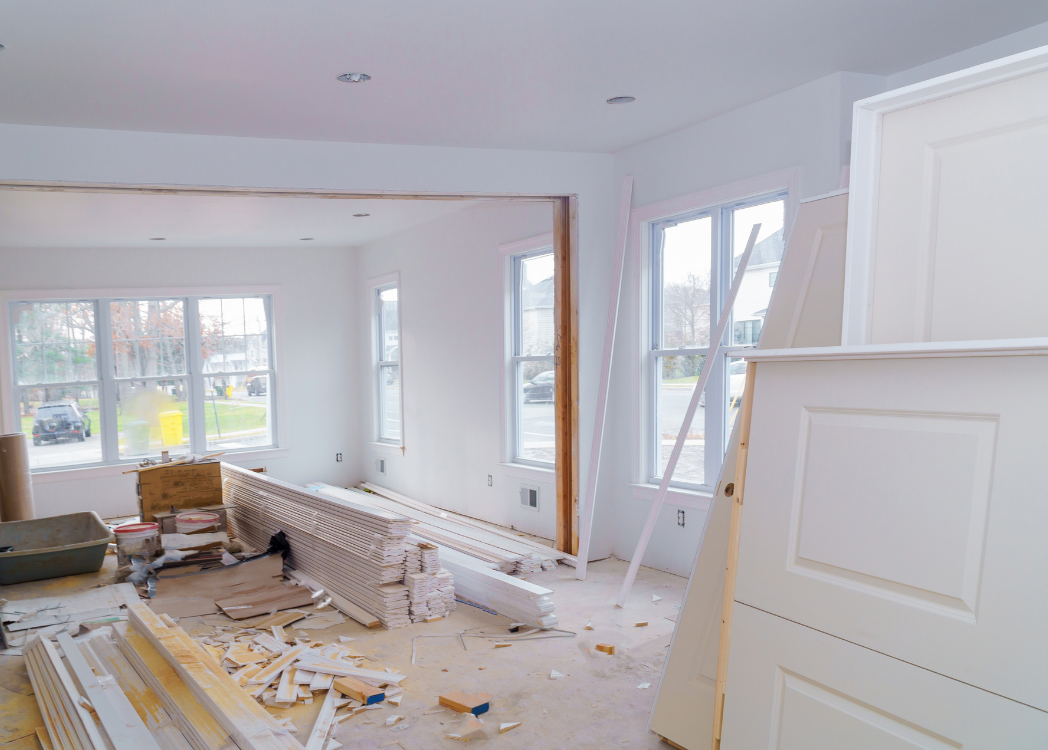
Homes that feel comfortable long-term are rarely perfect—they’re responsive. They reflect years of adjustments made to support the people living there.
In Chicago homes, long-term livability often comes from:
- Thoughtful maintenance
- Incremental improvements
- Willingness to adapt spaces
- Understanding the home’s limits and strengths
These qualities develop through experience, not initial design alone.
Letting the Home Evolve With You
Rather than expecting a home to meet every future need from day one, many homeowners find peace in letting their home evolve alongside their family.
This perspective:
- Normalizes change
- Reduces pressure to “fix everything” at once
- Encourages intentional decision-making
Homes, like families, grow in stages.
A Chicago-Specific Reality
In a city filled with historic housing stock, adaptability is often more valuable than modernity. Chicago homes that work well for families tend to be those that have been thoughtfully adjusted over time—not completely reinvented.
Understanding this can help homeowners approach change with patience and confidence.