Year-End Home Reflection: What Chicago Homeowners Learned About Their Homes This Year
How lived experience across seasons shapes smarter maintenance and improvement plans.

As the year comes to a close, many homeowners naturally reflect on how their homes have supported daily life over the past twelve months. Unlike checklists or inspections, year-end reflection is often informal—based on lived experience rather than planned evaluation.
For Chicago homeowners, the changing seasons provide a clear lens for understanding how homes perform under different conditions. These reflections often shape how homeowners prioritize maintenance and improvements in the year ahead.
Living Through All Four Seasons Reveals Patterns
Chicago’s distinct seasons offer a full test of a home’s strengths and weaknesses.
Over the course of a year, homeowners often notice:
- How homes respond to temperature extremes
- Which rooms feel most comfortable year-round
- Where drafts or moisture appear
- How layouts support daily routines
These observations tend to accumulate gradually, becoming clearer by year’s end.
Small Issues Add Up Over Time
Many homeowners reflect on how small, recurring issues affected daily life more than expected.
Examples include:
- Doors that never quite closed properly
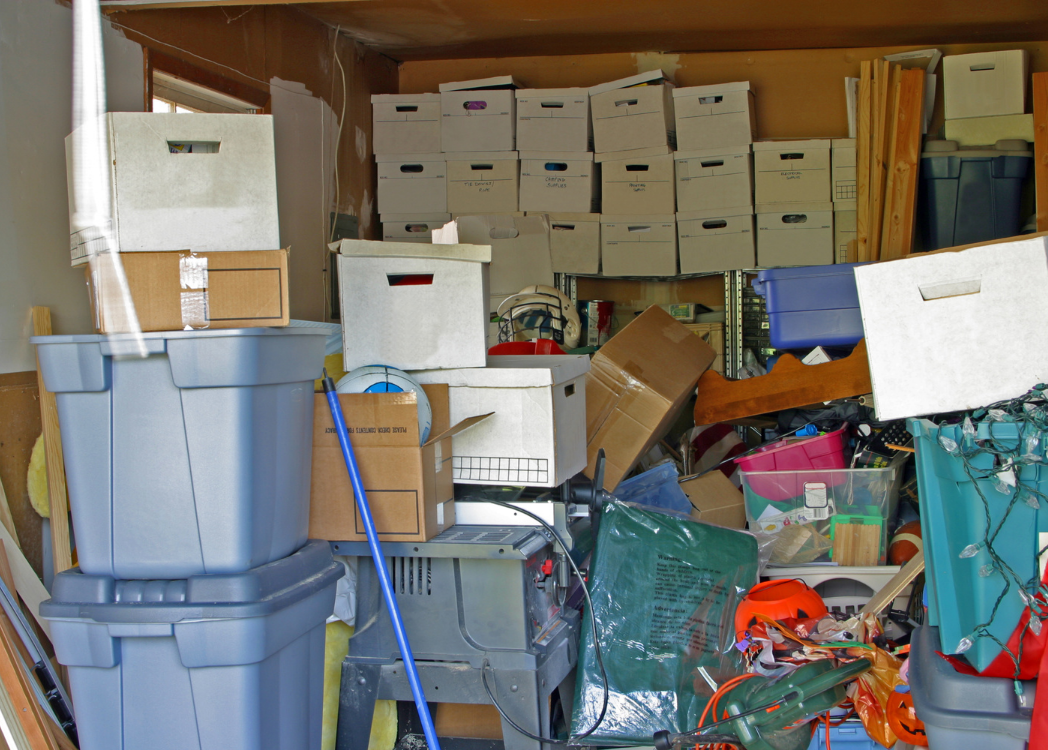
- Storage that always felt insufficient
- Lighting that required constant adjustment
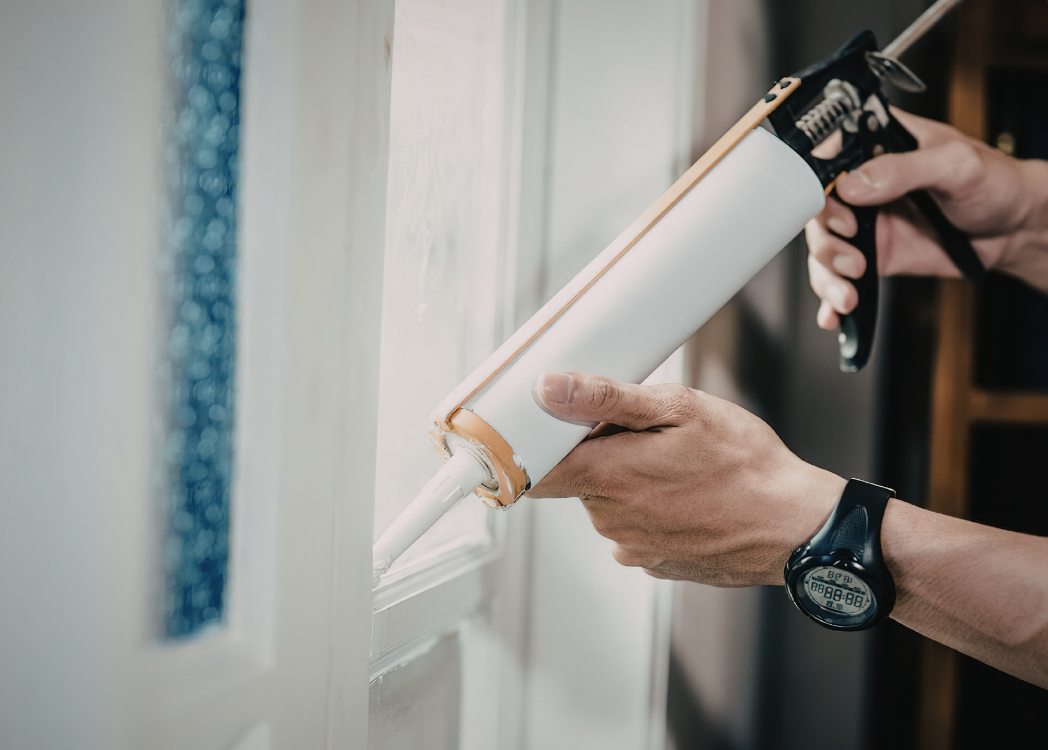
- Minor repairs that were easy to postpone
Individually, these issues felt manageable. Collectively, they often influenced comfort and convenience.

Homes Are Used Differently Than Expected
Year-end reflection often highlights differences between how homeowners expected to use their homes and how they actually did.
Common realizations include:
- Spending more time in certain rooms
- Using spaces differently than planned
- Outgrowing original layouts or storage solutions
These insights often inform future adjustments.
Seasonal Stress Points Become Clearer
Winter drafts, spring moisture, summer wear, and fall transitions each leave impressions. By the end of the year, homeowners often have a clearer sense of which seasonal issues matter most.
Rather than reacting to problems as they arise, reflection allows homeowners to plan more proactively.
City vs Suburban Reflections
City homeowners often reflect on:
- Space efficiency
- Noise and shared living considerations
- Building rules and logistics
Suburban homeowners may focus on:
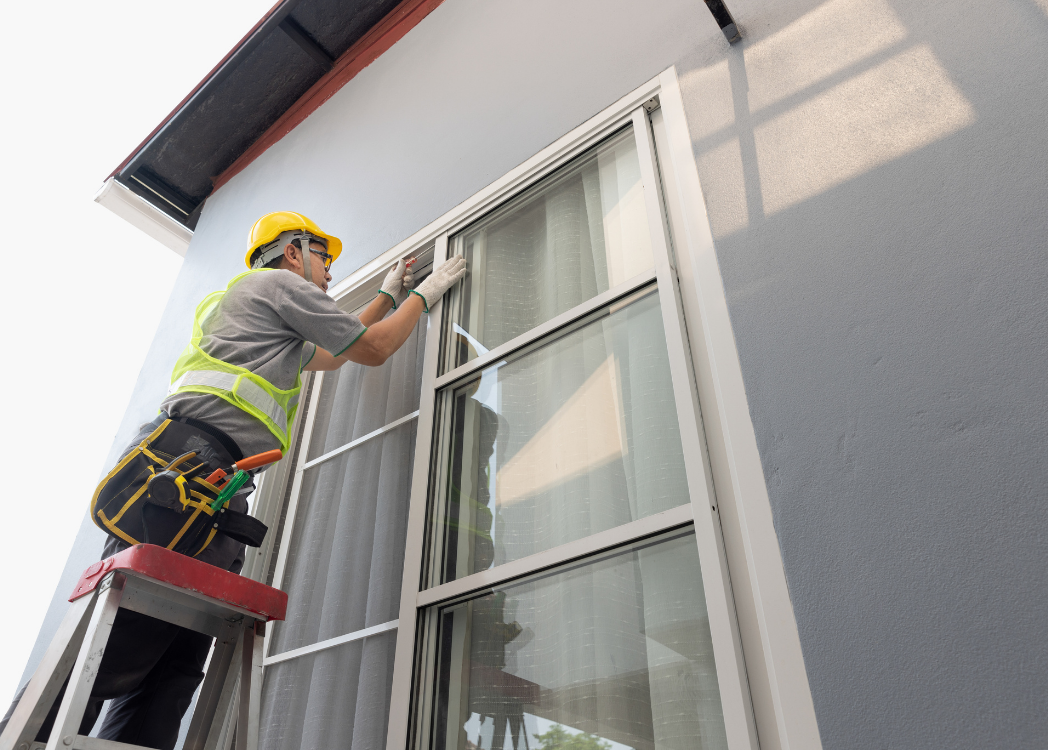
- Exterior maintenance
- Storage and garage use
- Seasonal upkeep
Understanding these differences helps homeowners prioritize effectively.
Maintenance vs Improvement
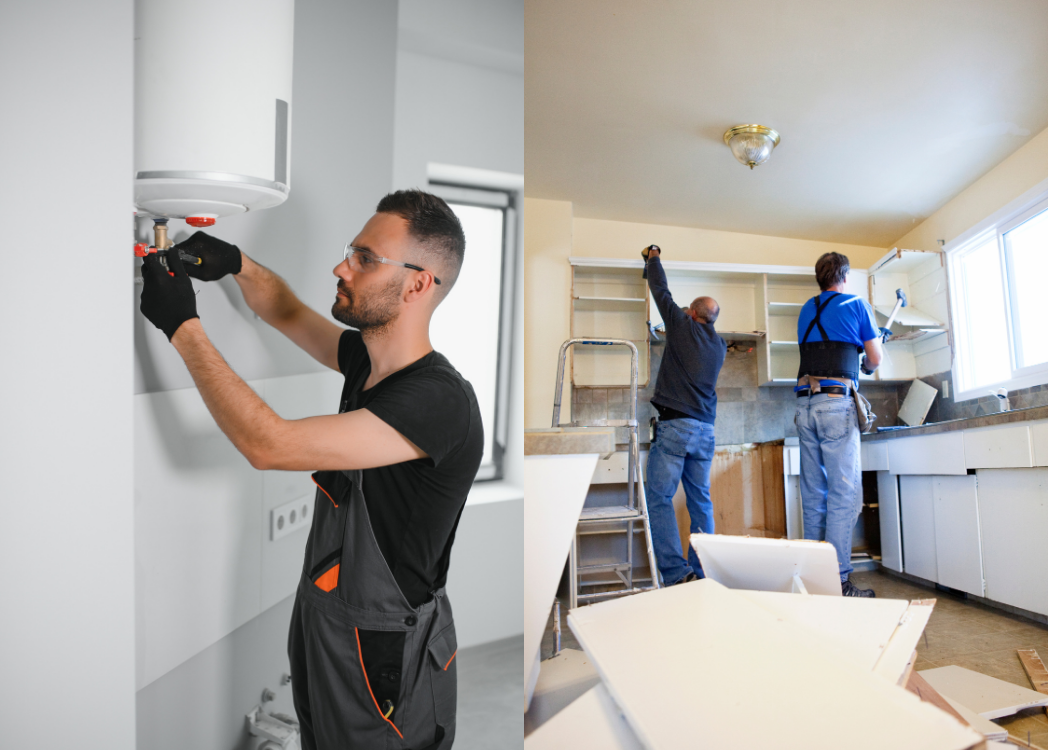
Year-end reflection often leads homeowners to separate maintenance needs from improvement goals.
Maintenance insights may include:
- What required repeated attention
- Which fixes held up well
- Where preventative care would help
Improvement ideas often emerge from lived frustrations rather than inspiration alone.
Reflection as a Planning Tool
Rather than creating a long to-do list, many homeowners use reflection to identify themes:
- What caused the most inconvenience?
- What improved daily life the most?
- What would have reduced stress if addressed earlier?
These themes often guide smarter decisions in the year ahead.
A Gentler Way to Think About Home Care
Year-end reflection encourages homeowners to view their homes as evolving spaces rather than static projects. Understanding how a home supported—or challenged—daily life helps set realistic, meaningful priorities.
Closing the Year With Clarity
By taking time to reflect, homeowners often enter the new year with clearer expectations and a more thoughtful approach to caring for their homes.