Winter Home Prep in Chicago: Small Fixes That Prevent Big Problems
How cold weather reveals minor issues—and why addressing them early helps.
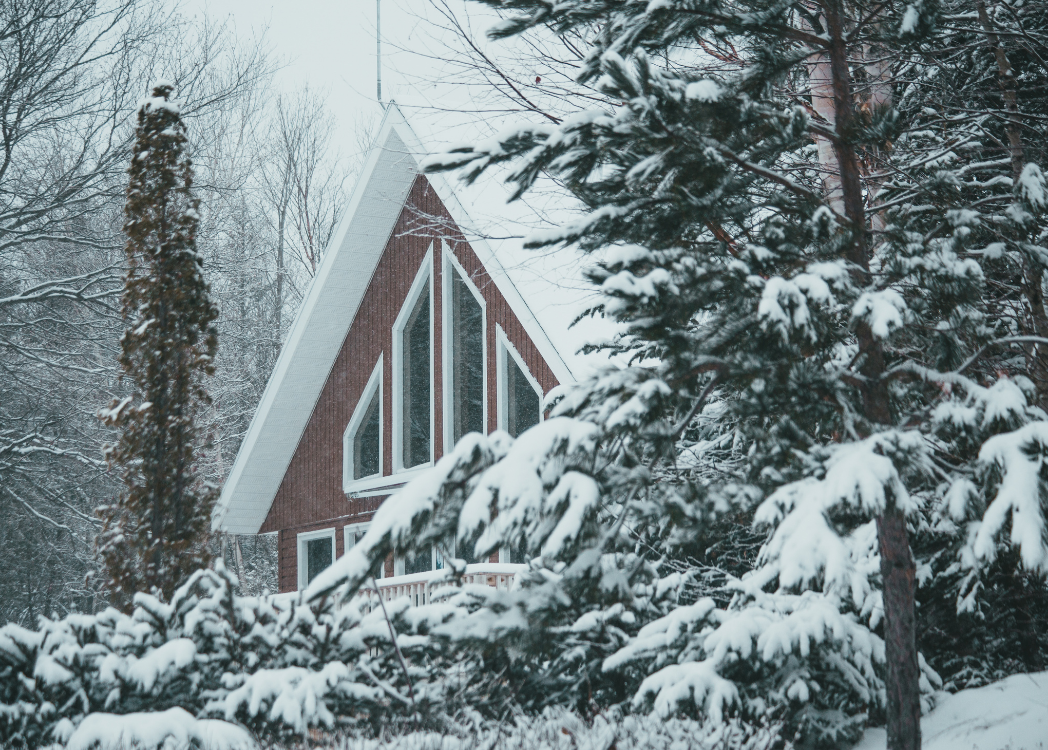
Chicago winters are demanding on homes. Freezing temperatures, snow, wind, and fluctuating humidity can quickly expose small issues that might go unnoticed during warmer months. What begins as a minor inconvenience in the fall can escalate into a costly repair once winter fully sets in.
For many homeowners, winter preparation isn’t about major renovations—it’s about identifying and addressing the small fixes that help homes function more comfortably and reliably during colder months.
Why Winter Magnifies Minor Issues
Cold weather affects building materials in predictable ways. Expansion and contraction occur as temperatures fluctuate, placing stress on doors, windows, trim, and seals.
Common winter-related stressors include:
- Drafts caused by shrinking materials
- Moisture intrusion from melting snow
- Increased indoor dryness
- Strain on doors and hardware from temperature changes
These conditions don’t create new problems as much as they reveal existing weaknesses.
Drafts and Air Leaks Are Often the First Clue
One of the most noticeable winter issues is drafts. Homeowners often become aware of air leaks only after heating systems are running constantly.
Common draft sources include:
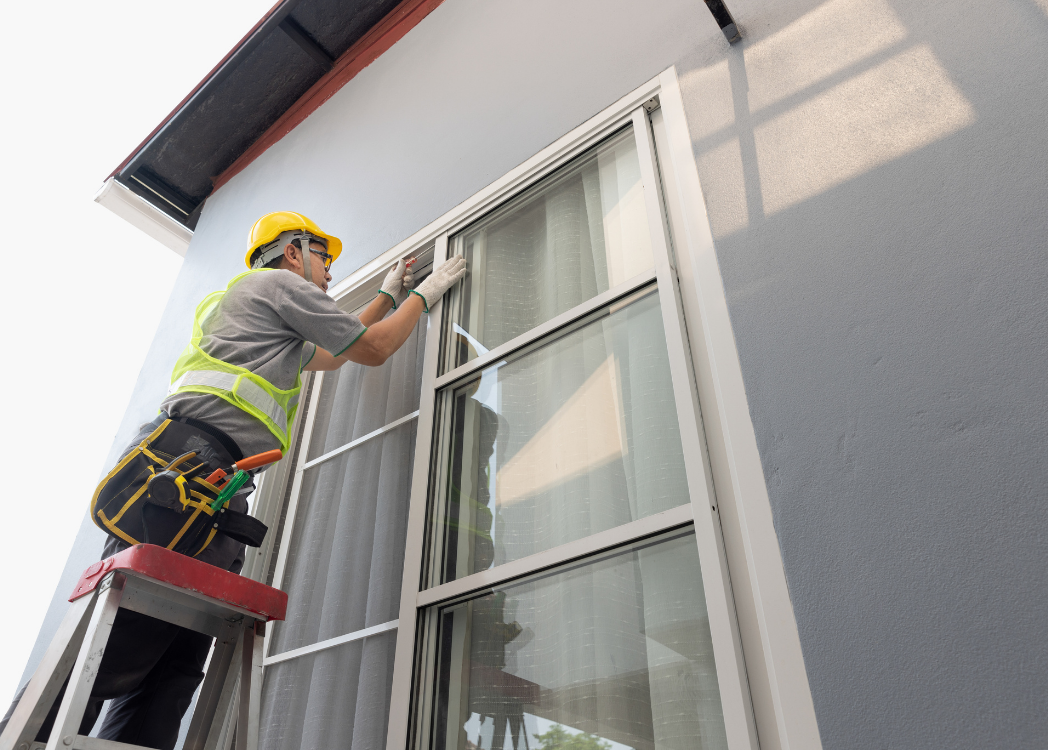
- Gaps around doors and windows
- Worn weatherstripping
- Poorly sealed trim
- Minor settling around frames
While these issues may seem small, they can significantly impact comfort and energy use during winter months.
Doors and Windows Take a Beating in Cold Weather
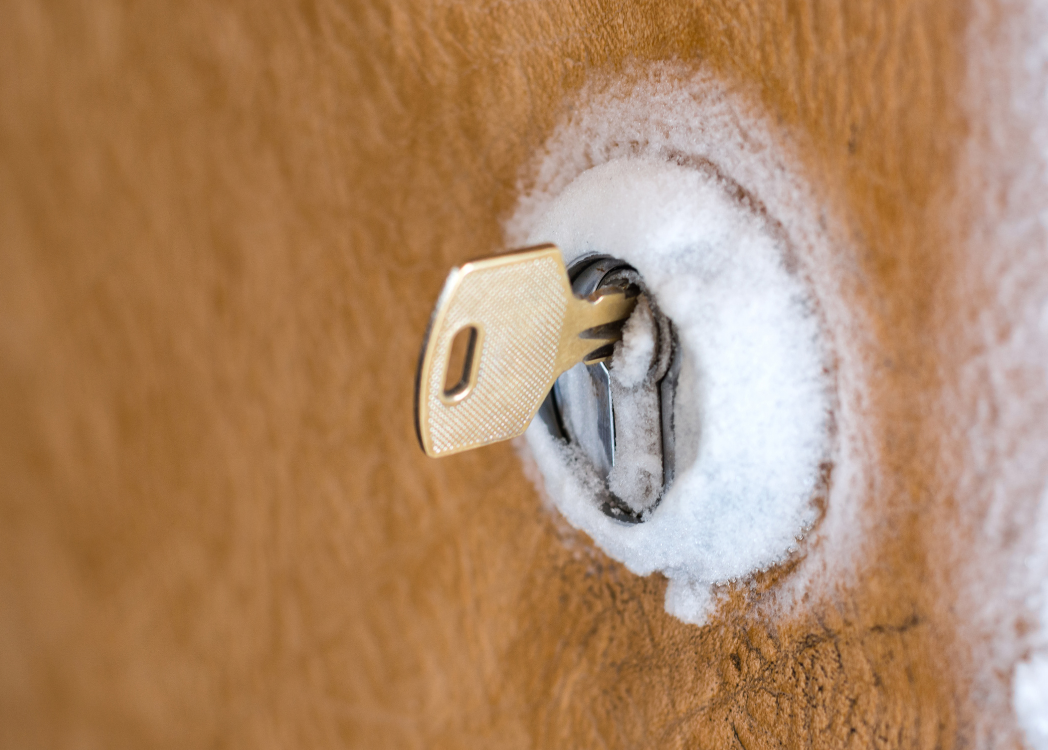
Chicago’s freeze-thaw cycles can affect alignment. Doors that closed smoothly in summer may begin sticking, rubbing, or failing to latch properly in winter.
Homeowners often notice:
- Difficulty closing exterior doors
- Increased gaps allowing cold air in
- Hardware loosening over time
Addressing alignment or hardware issues early helps prevent further wear during colder months.
Moisture Finds Its Way Inside
Snow and ice introduce moisture in ways rain often does not. Melting snow tracked indoors, condensation from temperature differences, and minor exterior gaps can all contribute to moisture-related issues.
Common problem areas include:
- Entryways
- Window sills
- Baseboards near exterior walls
Unchecked moisture can damage finishes and contribute to longer-term issues if left unresolved.
Small Repairs That Often Get Overlooked
Many winter-related problems stem from small maintenance tasks that are easy to delay.
Examples include:
- Loose trim or baseboards
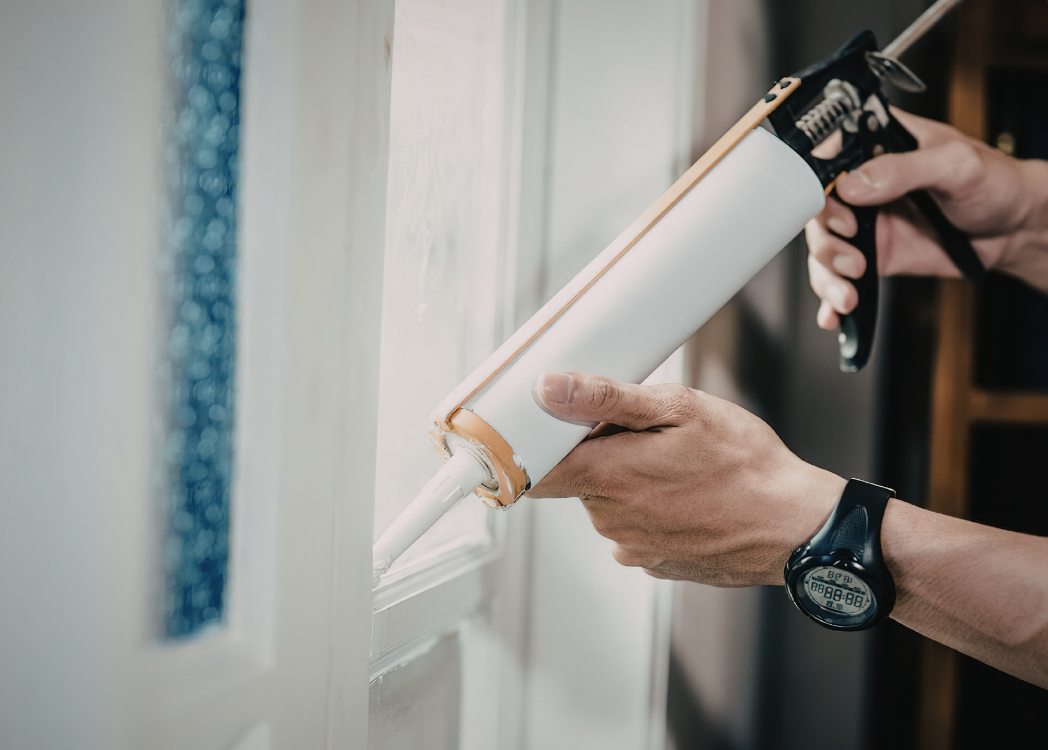
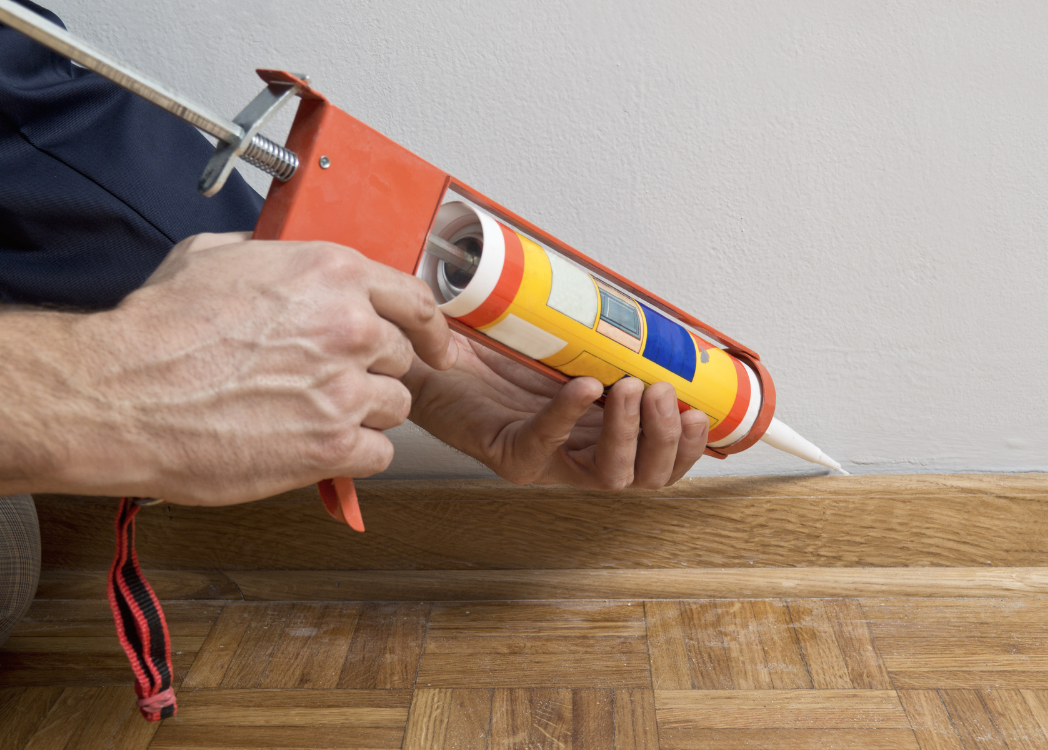
- Cracked caulk
- Minor drywall damage
- Loose handrails or steps
While these may not seem urgent, winter conditions often make them more noticeable—and sometimes more problematic.
Why Timing Matters
Addressing these fixes before or early in winter allows homeowners to:
- Improve comfort during colder months
- Reduce strain on heating systems
- Prevent minor issues from worsening
- Avoid emergency repairs during extreme weather
Homeowners often find that proactive attention leads to fewer surprises mid-winter.
Condo vs Single-Family Home Considerations
In condos, winter prep may involve:
- Entry doors and shared hallways
- Window drafts
- Moisture around exterior walls
Single-family homes often require attention to:
- Exterior doors
- Basements and crawl spaces
- Garages and secondary entrances
Understanding how winter affects each home type helps homeowners prioritize effectively.
Planning Ahead for Spring
Interestingly, winter prep can also inform spring planning. Noticing where drafts occur or where moisture enters often highlights areas that may need more permanent attention later.
Winter becomes a diagnostic season—revealing how a home performs under stress.
A Practical Approach to Winter Readiness
Rather than tackling everything at once, many homeowners benefit from focusing on small, manageable fixes. Addressing these early often leads to a more comfortable winter and fewer unexpected repairs.