Common Home Repair Mistakes and How to Avoid Them
Where well-intentioned fixes go wrong—and what homeowners can do differently.
Home repairs often begin with good intentions. A loose railing, a slow drain, a small drywall crack—most homeowners approach these issues with the goal of fixing them quickly and moving on. In many cases, that works. But sometimes, small missteps during repairs can create bigger problems than the original issue.
Many costly home repairs are not the result of neglect alone, but of well-meaning fixes done without fully understanding the cause. Recognizing common repair mistakes helps homeowners avoid unnecessary damage, frustration, and expense.
Mistake #1: Treating Symptoms Instead of Causes
One of the most common repair errors is addressing what’s visible without investigating why it happened.
For example:
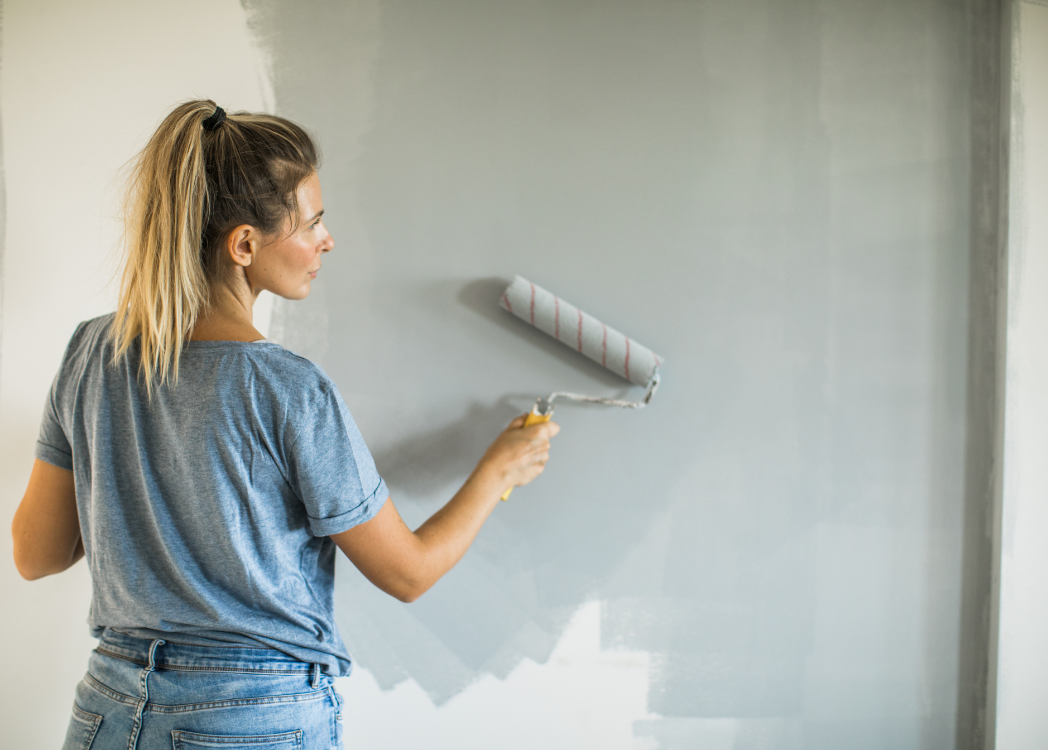
- Repainting over a water stain without identifying the source
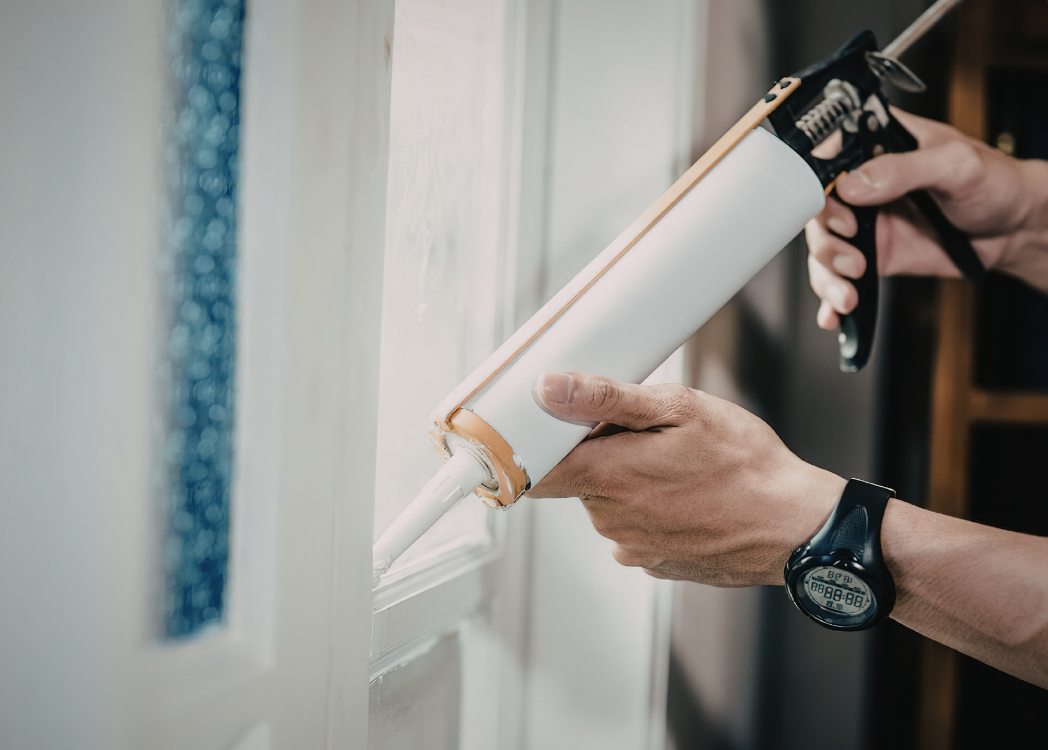
- Re-caulking a recurring crack without checking for movement
- Tightening a repeatedly loose hinge without examining the framing
When the underlying cause isn’t addressed, the issue often returns—sometimes worse than before.
A more effective approach is to pause and ask: What caused this in the first place? That extra step often prevents repeat repairs.
Mistake #2: Using the Wrong Materials
Not all sealants, fasteners, or patching compounds are interchangeable. Using interior products outdoors, or general-purpose materials in high-moisture areas, can shorten the lifespan of a repair.
Common examples include:
- Interior caulk used around exterior trim
- Drywall compound applied in damp environments
- Standard screws in structural applications
- Incorrect anchors in hollow walls
Matching materials to the environment is essential for durability.
Mistake #3: Over-Tightening or Over-Correcting
It’s natural to assume that tighter is better when securing hardware or fixtures. In reality, over-tightening screws, bolts, or plumbing fittings can cause cracking, stripping, or stress fractures.
Examples include:
- Stripped cabinet screws
- Cracked toilet bases
- Damaged faucet fittings
- Warped door hinges
Gentle precision often produces better long-term results than force.
Mistake #4: Ignoring Moisture Control
Moisture is involved in a significant percentage of home repairs. Failing to manage it properly can escalate minor fixes into major remediation.
Common moisture-related oversights:
- Sealing over damp surfaces
- Installing materials before allowing full drying
- Skipping ventilation improvements
- Blocking drainage pathways
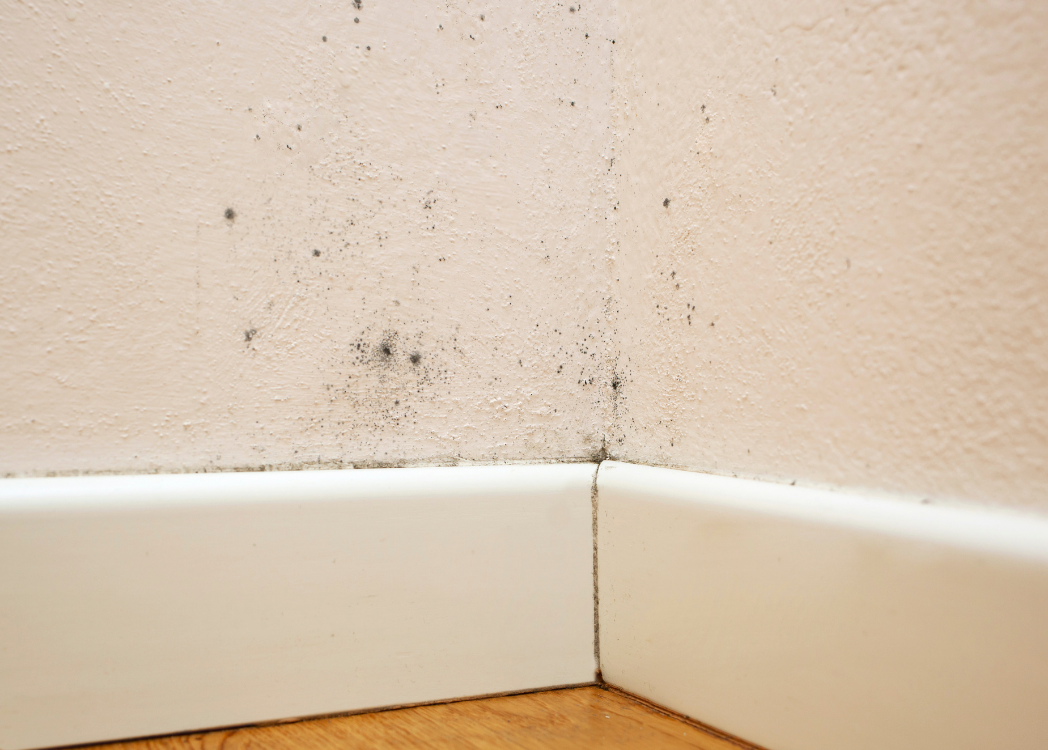
Moisture trapped behind walls, under flooring, or within cabinets can lead to mold growth or structural damage.
Mistake #5: Skipping Surface Preparation
Rushed preparation is a frequent cause of premature repair failure. Whether painting, sealing, or patching, preparation determines longevity.
Proper prep often includes:
- Cleaning surfaces thoroughly
- Removing loose materials
- Sanding or smoothing rough edges
- Allowing adequate drying time
When preparation is skipped, repairs may look complete but fail quickly.
Mistake #6: Underestimating Structural Movement
Homes naturally expand, contract, and settle. Repairs that don’t account for movement may crack or separate again.
Examples include:
- Rigid fillers in flexible joints
- Hard sealants in areas that shift seasonally
- Reinforcing one area without relieving tension elsewhere
Recognizing that some movement is normal helps homeowners choose appropriate materials and methods.
Mistake #7: Delaying Small Repairs Too Long
Some mistakes are not about doing a repair incorrectly—but about postponing it. A small plumbing drip, a cracked shingle, or a loose piece of siding may seem minor, but time amplifies impact.
Delays can lead to:
- Expanded water damage
- Rot or corrosion
- Increased labor scope
- Compounded repair complexity
Early intervention often reduces both cost and disruption.
Mistake #8: Mixing Temporary Fixes With Permanent Solutions
Temporary repairs have their place. However, failing to revisit them can create long-term issues.
Examples include:
- Temporary plumbing clamps left indefinitely
- Quick patch materials used where structural reinforcement is needed
- Tape-based fixes exposed to moisture
Temporary solutions should include a plan for permanent correction.
Mistake #9: Overloading Electrical Circuits
As homes evolve, additional appliances and devices increase electrical demand. Adding power strips or extension cords may seem harmless, but repeated overload can strain circuits.
Warning signs often include:
- Frequently tripped breakers
- Warm outlets
- Dimming lights under load
Electrical systems benefit from thoughtful upgrades rather than makeshift extensions.
Mistake #10: Attempting Complex Repairs Without Enough Information
Not all repairs are equal in complexity. Some projects require specialized knowledge, permits, or safety precautions. Attempting advanced structural, plumbing, or electrical work without adequate understanding can create hazards.
Common misjudgments include:
- Removing load-bearing components unknowingly
- Incorrectly venting appliances
- Improper wiring connections
- Altering plumbing slopes
Knowing when additional expertise is needed is part of responsible home care.
The Cost of Re-Doing Repairs
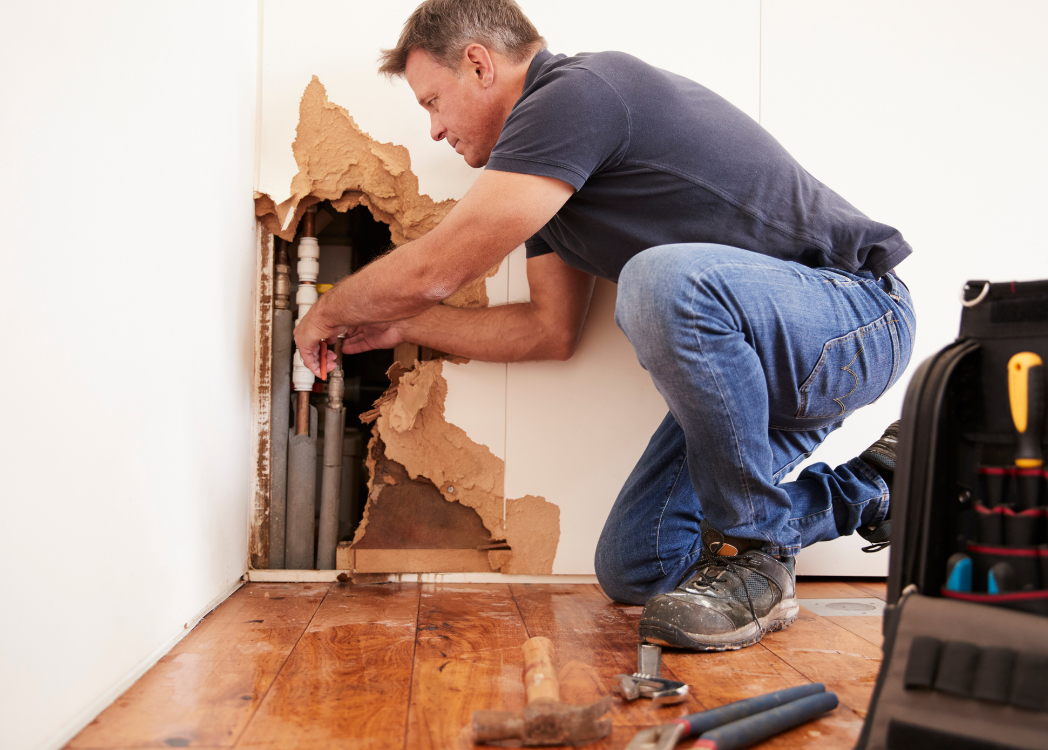
One overlooked consequence of repair mistakes is the cost of repetition. Re-doing a repair often involves removing newly installed materials, increasing labor time, and addressing expanded damage.
In many cases, correcting an incorrect repair costs more than doing it properly the first time.
Developing a Thoughtful Repair Approach
Avoiding common repair mistakes doesn’t require perfection—it requires patience and attention.
Helpful habits include:
- Researching the repair before beginning
- Understanding material compatibility
- Allowing proper drying and curing times
- Monitoring repairs after completion
Taking an extra hour to plan often saves days of frustration later.
When to Step Back
Recognizing limits is not a failure—it’s preventative. If a repair begins to expand beyond its original scope, reassessing before proceeding can prevent unintended damage.
Sometimes, stopping mid-project to gather more information is the most responsible decision.
Final Thoughts
Home repairs are part of ownership. While mistakes happen, understanding common pitfalls reduces the likelihood of small fixes becoming larger problems. A measured, informed approach protects not only the home itself but also the time and resources invested in maintaining it.
Thoughtful repairs tend to last longer, cost less over time, and create fewer surprises.