Planning a Paint Refresh: What to Know Before You Start
How thoughtful preparation and timing can make the difference between a quick touch-up and a long-lasting finish.
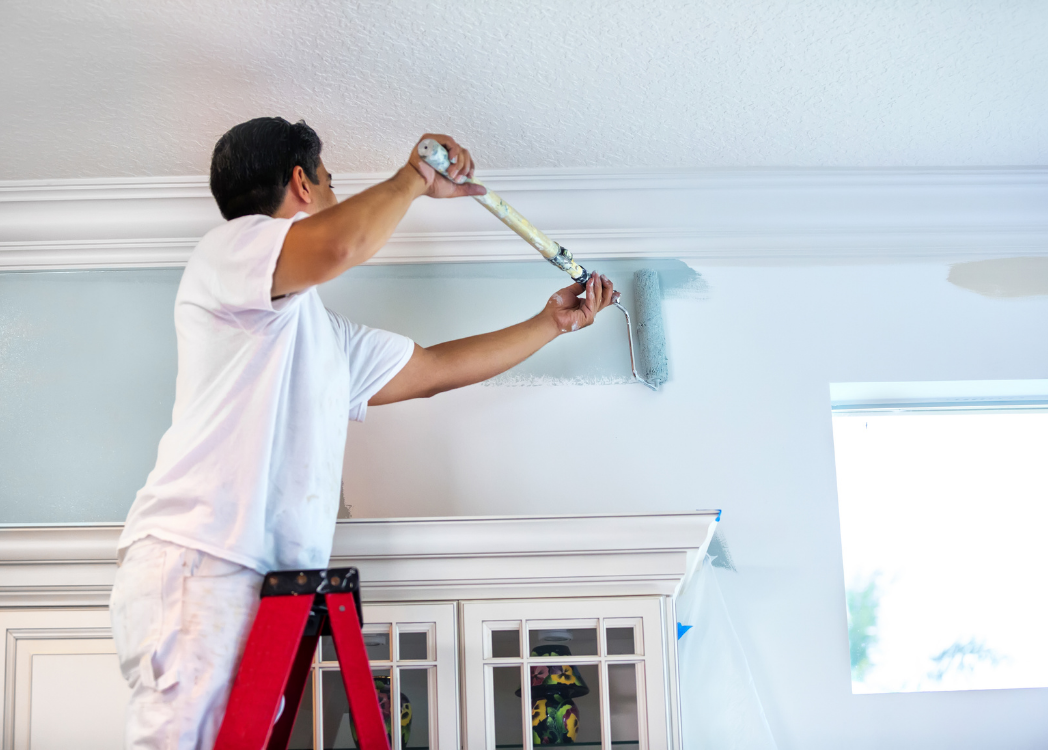
Few home improvements feel as transformative as fresh paint. A new coat can brighten a room, modernize dated finishes, and restore surfaces that have accumulated years of wear. Because painting is relatively accessible compared to larger renovations, it’s often viewed as a simple weekend project.
However, long-lasting paint results rarely come from rushing. The difference between a finish that looks good for years and one that begins peeling or scuffing quickly often comes down to preparation, timing, and realistic planning.
Understanding what goes into a proper paint refresh helps ensure the effort produces lasting results rather than short-term improvement.
Assess the Surface, Not Just the Color
Before choosing paint colors, it’s important to evaluate the condition of the surfaces being painted. Walls may appear ready at a glance but often have subtle issues that affect adhesion and finish quality.
Common conditions to look for include:
- Nail pops or small drywall cracks
- Peeling or flaking previous paint
- Stains from water or smoke
- Glossy finishes that resist new paint
Painting over compromised surfaces may temporarily hide imperfections but rarely resolves them.
Addressing Surface Repairs First
Proper repairs before painting can significantly extend the lifespan of the finish.
Preparation often includes:
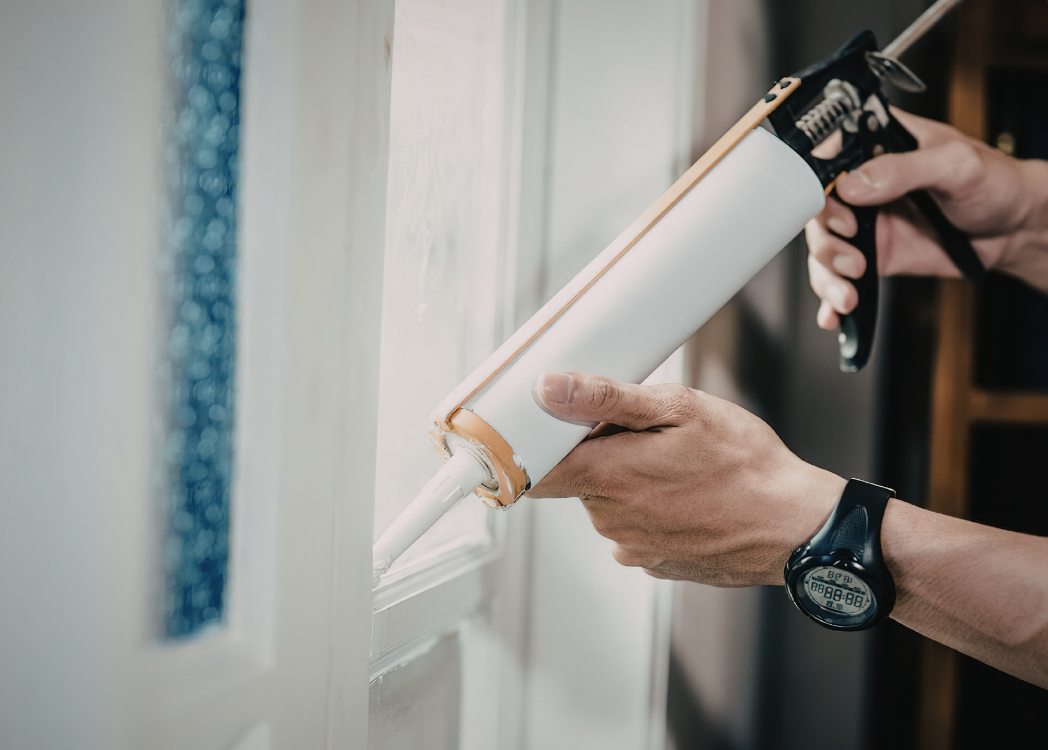
- Filling nail holes and minor dents
- Repairing hairline cracks
- Sanding uneven areas
- Removing loose paint
Taking time to smooth surfaces ensures even coverage and reduces the likelihood of visible patchwork once paint dries.
Understanding Primer: When It’s Necessary
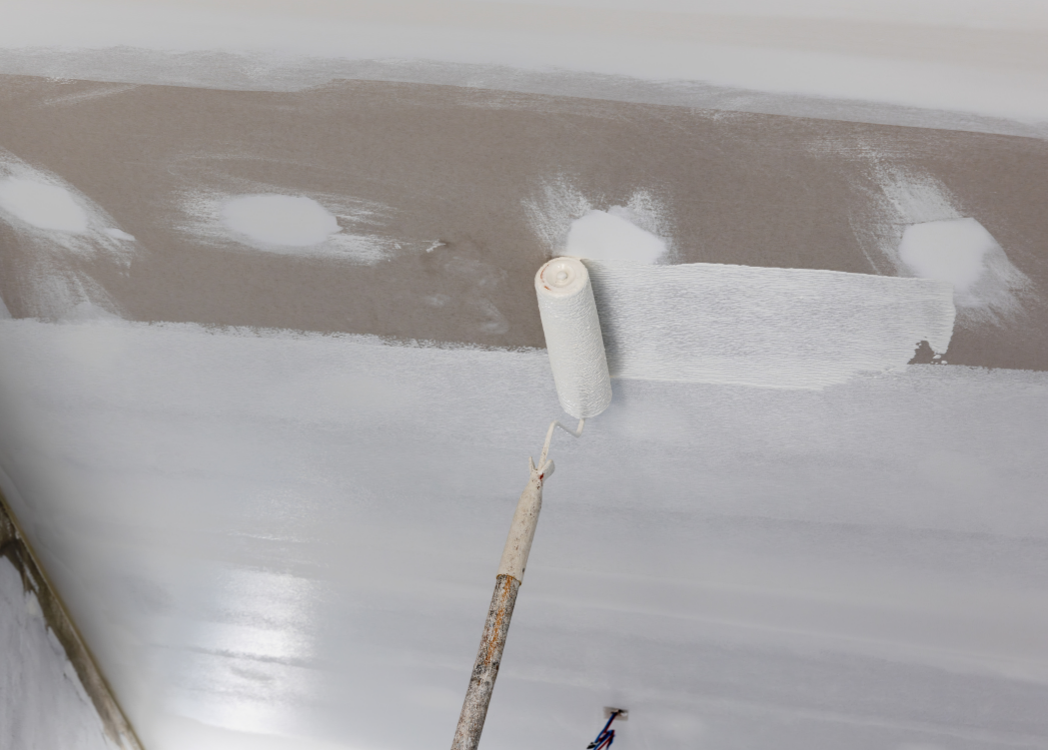
Primer is sometimes skipped in an effort to save time, but it plays an important role in specific situations.
Primer is especially useful when:
- Covering dark colors with lighter shades
- Painting over stained surfaces
- Transitioning between different paint sheens
- Sealing repaired drywall
Using primer strategically helps paint adhere evenly and prevents discoloration from bleeding through.
Choosing the Right Paint Finish
Sheen selection affects not only appearance but durability and maintenance.
Common finishes include:
- Flat or matte: Minimizes wall imperfections but less washable
- Eggshell or satin: Slight sheen, easier to clean, common for living areas
- Semi-gloss: Durable and moisture-resistant, often used in kitchens and bathrooms
- Gloss: Highly reflective and typically used for trim
Matching finish to function ensures surfaces hold up to everyday use.
Timing and Environmental Conditions Matter
Temperature and humidity influence paint performance. Painting during excessively humid or cold conditions can slow curing and affect adhesion.
Ideal conditions generally include:
- Moderate temperatures
- Controlled indoor humidity
- Adequate ventilation
Rushing to paint during poor conditions may compromise durability.
The Importance of Preparation Beyond the Wall
Protecting surrounding areas is often underestimated. Floors, trim, fixtures, and furniture should be shielded before work begins.
Preparation may include:
- Drop cloth placement
- Removing or covering outlet plates
- Taping clean edges
- Clearing sufficient workspace
Careful prep prevents accidental damage and reduces cleanup time.
Understanding Drying vs. Curing
Paint may feel dry to the touch within hours, but curing takes significantly longer. During the curing process, the paint hardens fully and reaches its intended durability.
During this period:
- Avoid washing freshly painted walls
- Minimize heavy contact
- Allow adequate airflow
Recognizing this distinction helps protect the new finish.
When a Single Coat Isn’t Enough
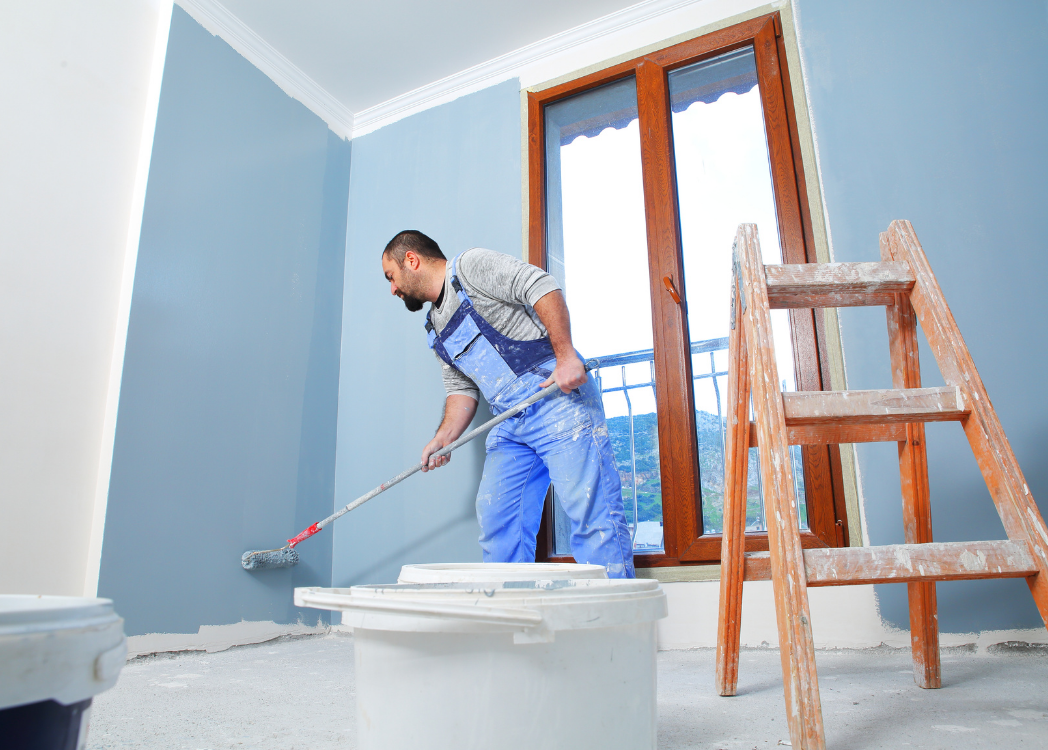
While some paints advertise one-coat coverage, achieving consistent color and durability often requires two coats.
Additional coats:
- Improve uniformity
- Increase washability
- Enhance depth of color
Skipping a second coat may lead to uneven wear or visible roller marks.
Color Selection With Longevity in Mind
Trends change quickly, but repainting frequently increases cost and effort. Choosing colors with longevity in mind can reduce the need for repeat refreshes.
Consider:
- Natural lighting in the space
- Existing flooring and trim
- Adjacent room colors
- How the room is used
Testing small samples on the wall before committing helps avoid surprises.
Recognizing When Additional Work Is Needed
Sometimes, painting reveals underlying issues such as hidden water damage or drywall movement. Addressing these concerns before continuing ensures better long-term results.
If paint begins bubbling, cracking, or separating shortly after application, deeper issues may need evaluation.
Maintaining a Fresh Finish
After a paint refresh is complete, simple maintenance habits extend its lifespan.
Helpful practices include:
- Cleaning walls gently with appropriate products
- Touching up minor scuffs early
- Monitoring areas exposed to moisture
- Maintaining stable humidity levels indoors
A well-maintained paint job can last many years before requiring another full refresh.
Why Thoughtful Planning Pays Off
Painting is often viewed as one of the easiest ways to update a home. While it can be straightforward, the quality of preparation determines the quality of results. Rushed painting may provide short-term improvement, but careful planning delivers durability.
When surfaces are properly repaired, conditions are right, and materials are chosen thoughtfully, a paint refresh becomes more than cosmetic—it becomes restorative.
Final Thoughts
A fresh coat of paint has the ability to renew a space quickly, but lasting results depend on more than color selection. By approaching painting as a structured process rather than a quick fix, homeowners can achieve finishes that remain vibrant and resilient for years.
Preparation, patience, and attention to detail are what turn a simple project into a lasting improvement.