A Practical Guide to Smart Home Upgrades on a Budget
How to add convenience, efficiency, and security without major renovations.
Smart home technology is often associated with large renovations, complex wiring, or high-end custom builds. In reality, many useful upgrades are accessible, affordable, and surprisingly simple to implement. Thoughtfully chosen smart features can improve everyday convenience, enhance safety, and increase energy efficiency without altering the structure of a home.
The key is understanding which upgrades offer meaningful benefits and how to approach them without overspending or overcomplicating your home.
What Makes a Smart Upgrade Worth It?
Not every connected device adds value. A practical smart home improvement should meet at least one of the following goals:
- Improve safety
- Increase energy efficiency
- Simplify daily routines
- Provide useful monitoring or alerts
Focusing on function rather than novelty helps ensure upgrades remain useful long after installation.
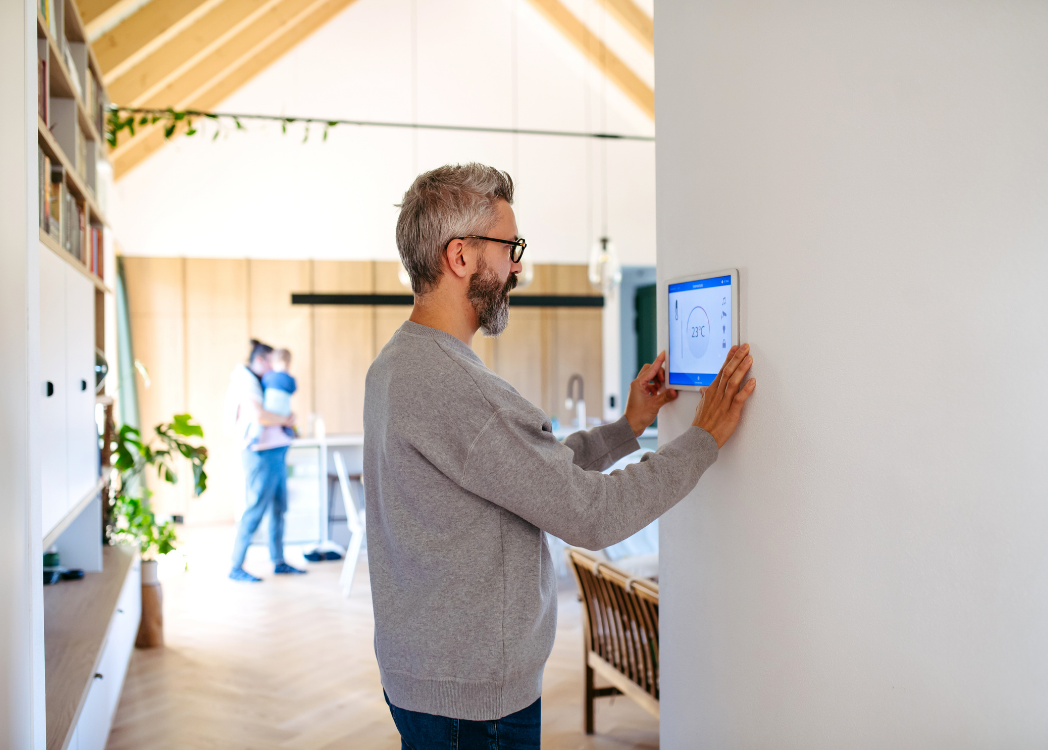
Smart Thermostats: Energy Control Without Renovation
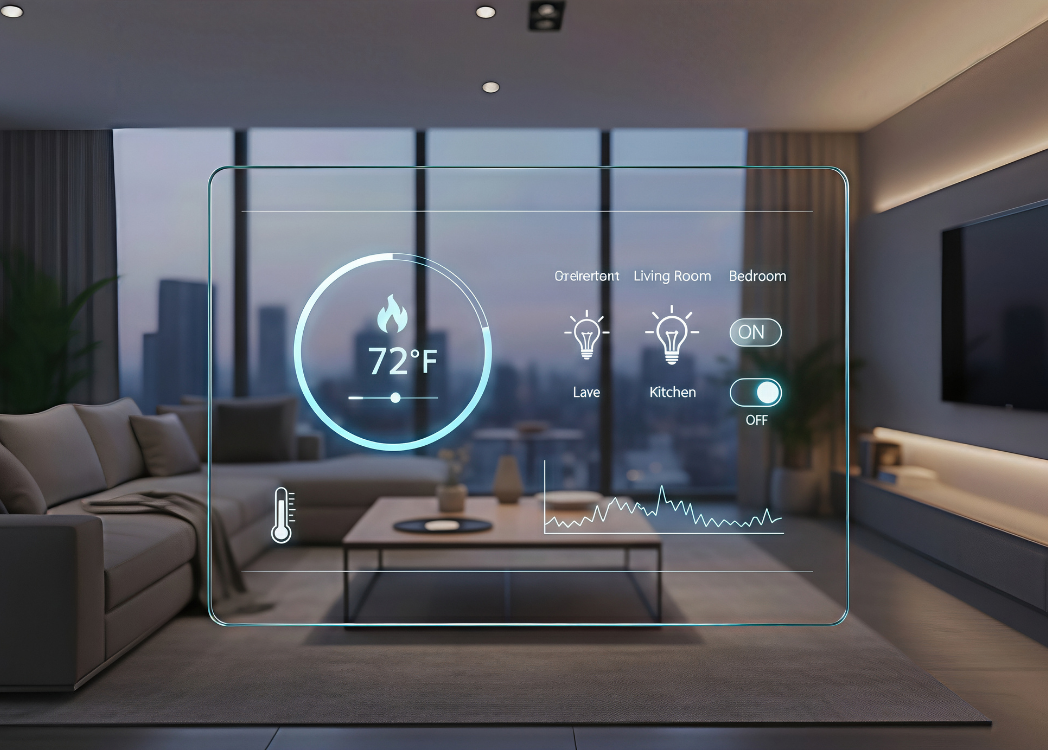
One of the most impactful smart upgrades is a programmable or learning thermostat. These devices allow homeowners to adjust heating and cooling schedules, monitor usage patterns, and make remote changes when needed.
Benefits include:
- More consistent temperature control
- Reduced energy waste
- Better visibility into heating and cooling habits
For many homes, installation requires minimal modification and delivers noticeable efficiency improvements over time.
Smart Lighting: Function Over Flash
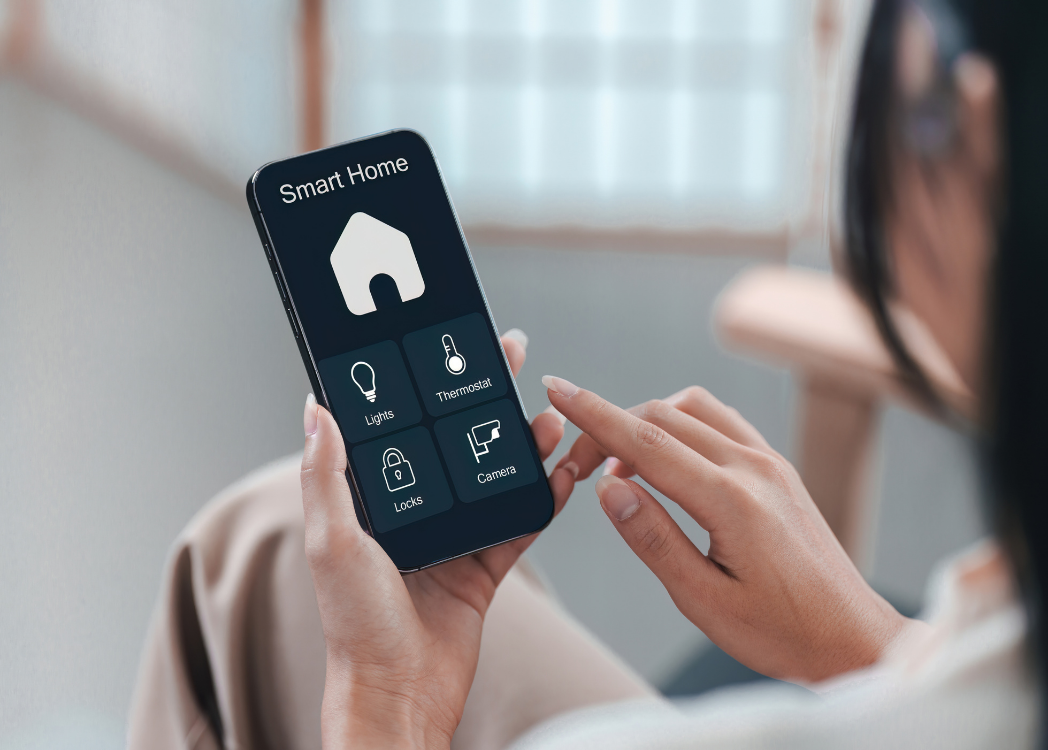
Lighting upgrades are often underestimated. Smart bulbs or switches allow homeowners to adjust brightness, automate schedules, and reduce unnecessary energy use.
Practical applications include:
- Motion-activated exterior lights
- Timers for frequently forgotten fixtures
- Gradual dimming in living spaces
- Remote control for hard-to-reach lighting
The goal isn’t to create a fully automated house, but to make lighting work more intuitively with daily life.
Smart Doorbells and Cameras: Awareness Without Complexity
Security-focused smart upgrades have become increasingly accessible. Video doorbells and exterior cameras provide real-time alerts and recording capabilities.
When chosen carefully, these devices:
- Enhance awareness of deliveries and visitors
- Provide documentation when needed
- Offer peace of mind during travel
Many systems operate through existing wiring or rechargeable batteries, minimizing installation complexity.
Leak Detectors: Small Devices With Big Impact
Water damage is one of the most expensive and disruptive home repair scenarios. Smart leak detectors, placed near water heaters, under sinks, or near appliances, provide early warnings of moisture where it shouldn’t be.
These small sensors can:
- Detect leaks before visible damage appears
- Send alerts to a smartphone
- Reduce the scope of potential repairs
They are often inexpensive and easy to install, yet provide significant preventative value.
Smart Plugs: Testing Automation Without Commitment
For homeowners curious about automation but unsure where to begin, smart plugs offer a simple entry point. These devices allow lamps, small appliances, or seasonal décor to operate on schedules or remote control.
Common uses include:
- Turning off forgotten appliances
- Setting lighting schedules during travel
- Managing energy use for high-draw devices
Because they require no wiring changes, smart plugs are a low-risk starting point.
Smart Locks: Balancing Convenience and Security
Keyless entry systems offer flexibility, particularly for households with multiple occupants. Temporary codes can be issued and removed without changing physical locks.
Advantages may include:
- Eliminating spare keys
- Tracking entry activity
- Reducing lockout scenarios
However, installation should be done carefully to ensure proper alignment and security integrity.
Garage Monitoring and Control
Garage doors are frequently overlooked in smart home planning. A smart garage controller can notify homeowners if a door is left open and allow remote operation when needed.
Given that garages often store tools, equipment, and vehicles, this upgrade can add both security and convenience.
Avoiding Over-Integration
While it may be tempting to connect every device to a single system, simplicity often proves more sustainable. Over-integrating systems can lead to compatibility frustrations, frequent troubleshooting, and dependence on specific platforms.
Instead:
- Choose devices that function independently
- Prioritize reliability over novelty
- Focus on areas that genuinely improve daily routines
A smart home should feel seamless, not complicated.
Installation Considerations
Even budget-friendly upgrades benefit from thoughtful installation. Key considerations include:
- Ensuring wiring compatibility
- Confirming adequate Wi-Fi coverage
- Following manufacturer safety guidelines
- Avoiding overloaded circuits
Some devices require only basic setup, while others may benefit from professional installation to ensure safety and long-term performance.
Energy Efficiency and Monitoring
Beyond convenience, smart upgrades often support energy awareness. Monitoring electricity use, adjusting thermostat behavior, and automating lighting can gradually reduce unnecessary consumption.
While savings vary, the combination of awareness and automation tends to encourage more efficient habits.
Planning Smart Upgrades in Phases
Rather than upgrading everything at once, many homeowners find success in phased implementation:
- Start with one high-impact device (thermostat or leak detector).
- Evaluate usefulness over several months.
- Expand gradually into lighting, locks, or monitoring.
This approach prevents overspending and ensures each addition provides tangible value.
Common Mistakes to Avoid
Some frequent smart home missteps include:
- Purchasing devices without checking compatibility
- Overlooking firmware updates
- Installing devices in areas with weak Wi-Fi
- Choosing overly complex systems for simple needs
A measured approach reduces frustration and improves long-term satisfaction.
The Long-Term View
Smart upgrades are not about turning a home into a tech showcase. They are about enhancing comfort, safety, and efficiency in subtle ways. The most successful smart homes often feel ordinary—just easier to live in.
By prioritizing practicality, budgeting carefully, and expanding gradually, homeowners can incorporate technology in ways that genuinely support everyday life.